What a Pipe Conveyor Belt Does
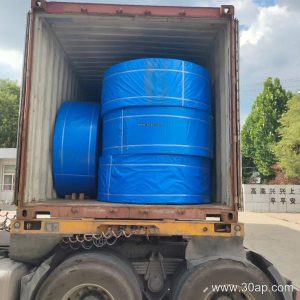
A Pipe Conveyor Belt is a conveyor belt that transitions from a flat open shape at the loading point into a closed tube along the carrying run, then opens again at the discharge end. The belt edges overlap to form the enclosure, so material travels inside the tube rather than on an exposed surface. This design helps control dust, protect material from wind and rain, and reduce spillage in mining, coal preparation, cement plants, power stations, and quarry operations. Because the same belt returns to a conventional flat or troughed profile at the head and tail, standard conveyor pulleys and idler roller arrangements can still be used at those points.
Construction and Belt Build
The belt body usually combines a fabric or steel cord carcass with rubber covers. Common carcass options include EP conveyor belt constructions, NN conveyor belt grades, and steel cord conveyor belt designs where higher tension is needed. Multi-ply fabric core conveyor belt builds are also used for moderate duty. Cover compounds are selected for the duty: abrasion resistant conveyor belt covers for ore and aggregate, heat resistant conveyor belt grades near clinker or sinter, oil resistant conveyor belt covers for oily feedstock, and flame retardant conveyor belt or fire resistant conveyor belt compounds for underground coal mining conveyor belt applications. Anti-static conveyor belt properties are often specified alongside flame resistance in coal mining conveyor belt service.
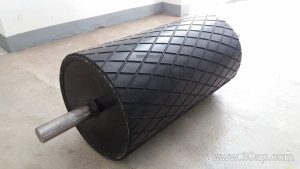
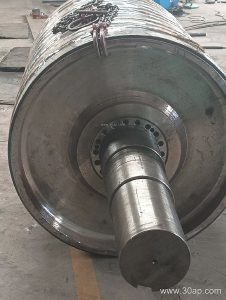
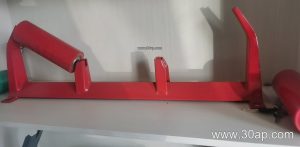
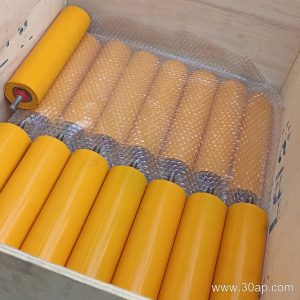
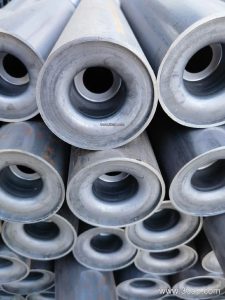
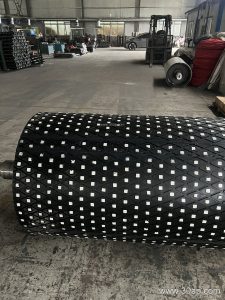
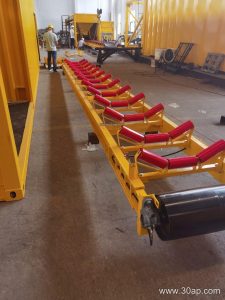
The pipe shape depends on belt stiffness, transverse rigidity, and the geometry of the idler roller arrangement. Special idler frames hold the belt in a hexagonal or circular cluster along the pipe section. Drive pulley, tail pulley, and bend pulleys are separate components with distinct roles; they are not interchangeable, and each is selected from the belt tension and wrap angle rather than from belt width alone.
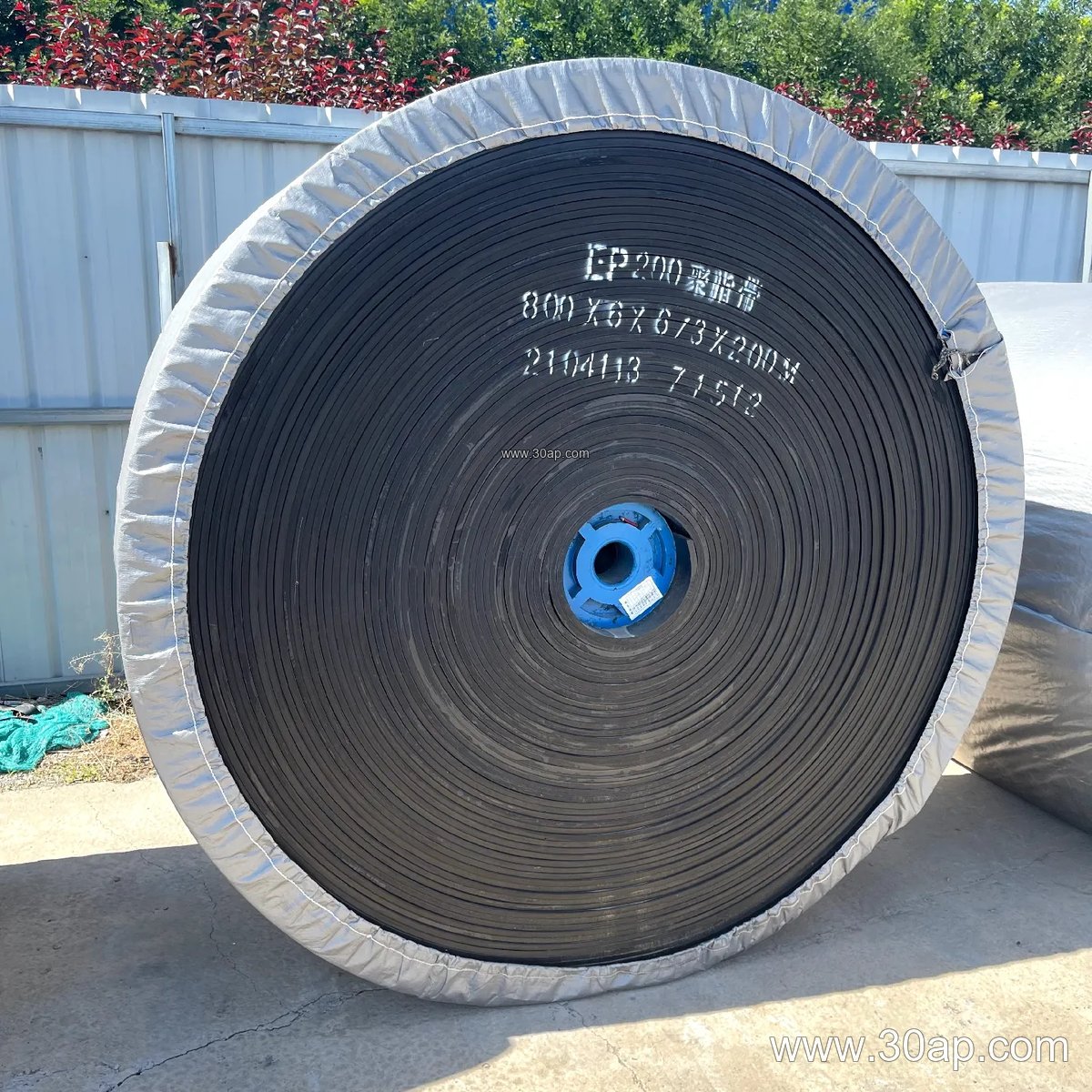
Typical Specifications and Reference Data
The values below are common reference ranges, not fixed rules. Final dimensions and constructions are confirmed by the belt and conveyor designer.
- Belt width: B500, B650, B800, B1000, B1200, B1400, B1600, B1800, B2000
- Fabric strength grades: EP200, EP315, EP400, EP500, EP630, EP800, EP1000, EP1250, EP1600, EP2000; NN100 to NN400
- Steel cord grades: ST1000, ST1250, ST1600, ST2000, ST2500, ST3150
- Cover thickness examples: 3+1.5, 4+2, 5+2, 6+2, 8+3 mm
- Carcass plies: usually 2 to 6 layers in fabric core designs
A wider belt does not automatically mean a larger pulley diameter, and shaft size is never derived from belt width alone. Pipe diameter, overlap, and idler panel spacing are calculated from the belt’s transverse stiffness and the material load.
Where It Fits in the Plant
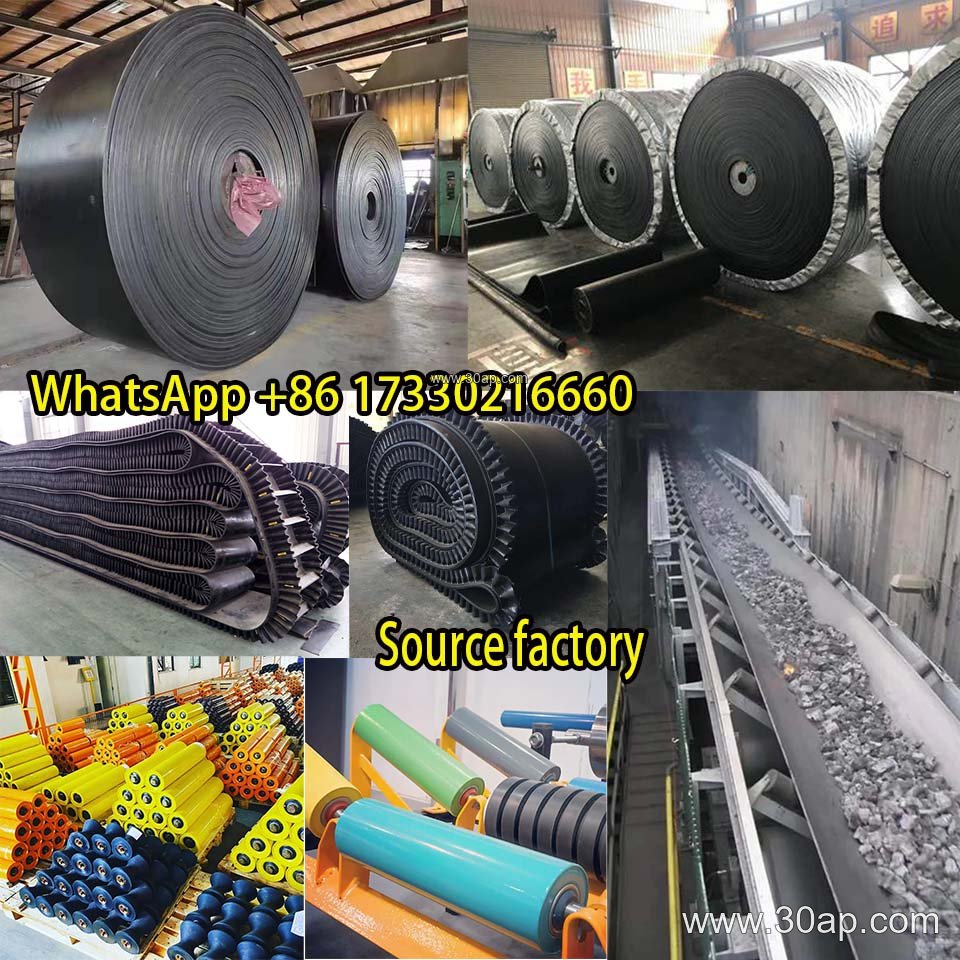
Enclosed conveying suits routes with tight curves, elevation changes, and space constraints. In a coal mining conveyor belt system, a pipe design can carry coal from a transfer point to a stockpile or preparation plant while limiting dust release. Cement plants use it for clinker, raw meal, and additives. Power plants apply it to limestone and ash handling. Quarries and sand making plants use it for crushed stone and aggregate. Ports and ship loading conveyors use the enclosed profile to reduce material loss near water and to route belts through congested terminals. Underground mining conveyor belt installations also benefit where ventilation and dust control matter.
For comparison, a Chevron conveyor belt or corrugated sidewall conveyor belt handles steep inclines with an open profile, while a skirted conveyor belt controls material at the edges. Those designs solve different problems and do not replace the enclosed pipe concept.
Buyer Checklist
- Define the material: lump size, bulk density, moisture, temperature, oil content, and abrasiveness.
- Confirm the route: horizontal curves, vertical curves, incline angle, and transition lengths at both ends.
- Match the carcass to the calculated tension, then select cover grade and thickness.
- Check idler roller panel design and pulley specifications with the conveyor builder.
- Plan splicing, since an Endless Conveyor Belt may be preferred for long or critical runs.
- Review maintenance access to conveyor brackets, idlers, and pulleys before installation.
For mining, cement, and port projects, buyers often review belt data together with the pulley and idler package at guoji输送带 and guoji滚筒 supplier pages. A well-matched Pipe Conveyor Belt package keeps the tube stable, limits edge fatigue, and supports reliable material transport across the plant.