What a Custom Conveyor Bracket Really Does
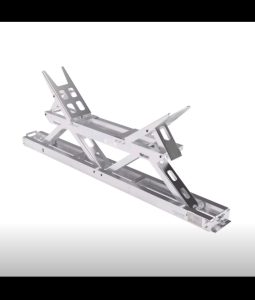
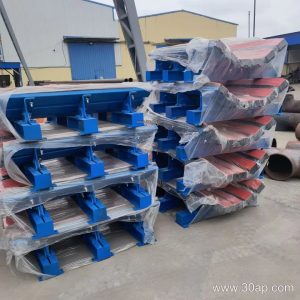
A custom conveyor bracket is the fabricated support that holds idler rollers in the correct position under or over the conveyor belt. It is not a catalog afterthought; it is the interface between the roller, the frame, and the load. In a quarry, a cement plant, or a power plant coal handling line, a bracket that fits poorly will show up quickly as belt misalignment, roller wobble, or premature wear on the belt edge.
Because every conveyor frame is built to its own dimensions, a made-to-order bracket is often the practical choice. The unit is produced to match the actual stringer spacing, the chosen trough angle, and the roller end configuration, so the finished assembly behaves as one system rather than a collection of mismatched parts.
Construction and Common Forms
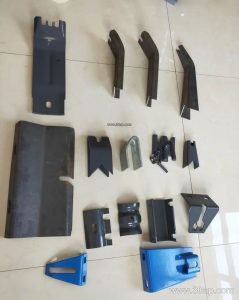
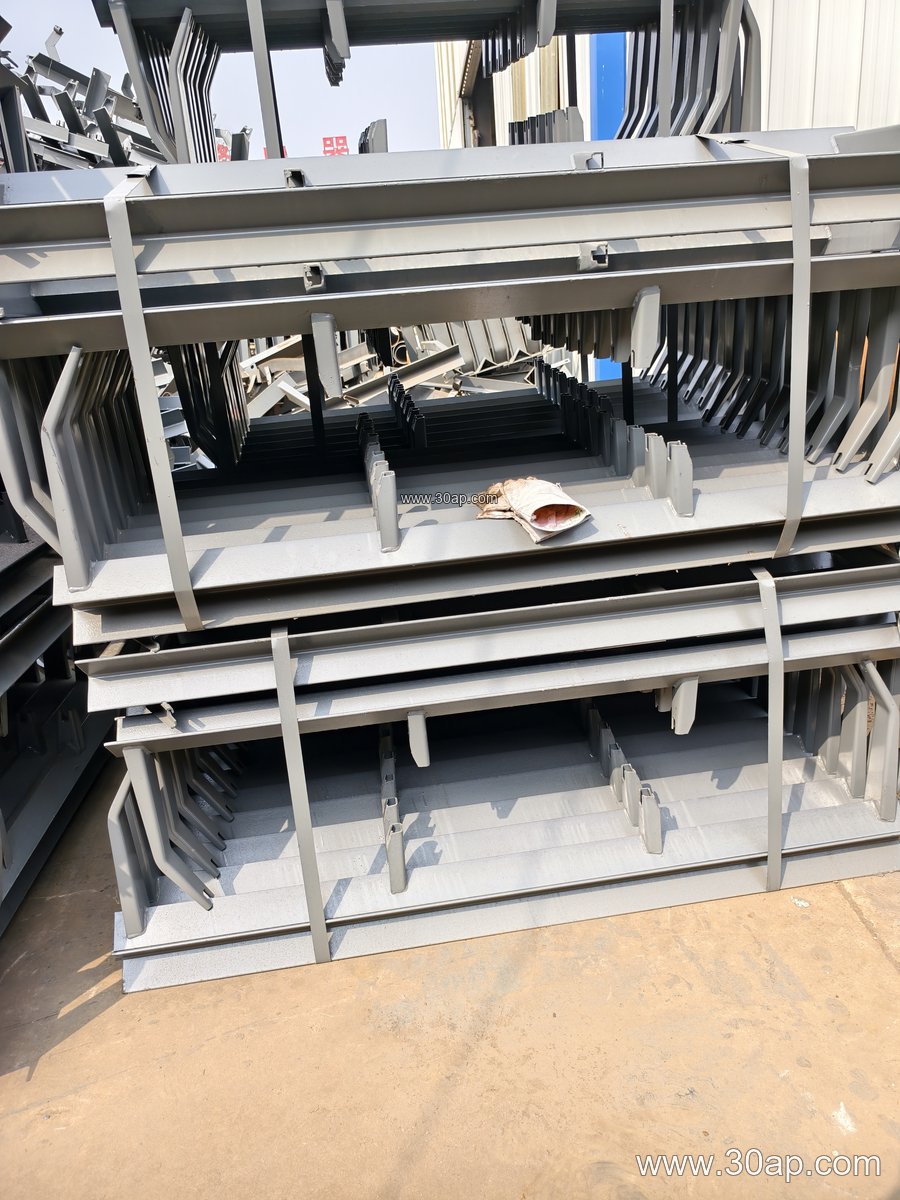
Most brackets are formed from angle steel, channel steel, or folded steel plate. The fabrication route usually involves cutting, punching or drilling the mounting holes, bending, and then welding the roller seats or gussets. A well-made bracket keeps the roller axis square to the belt centerline and resists twisting under load.
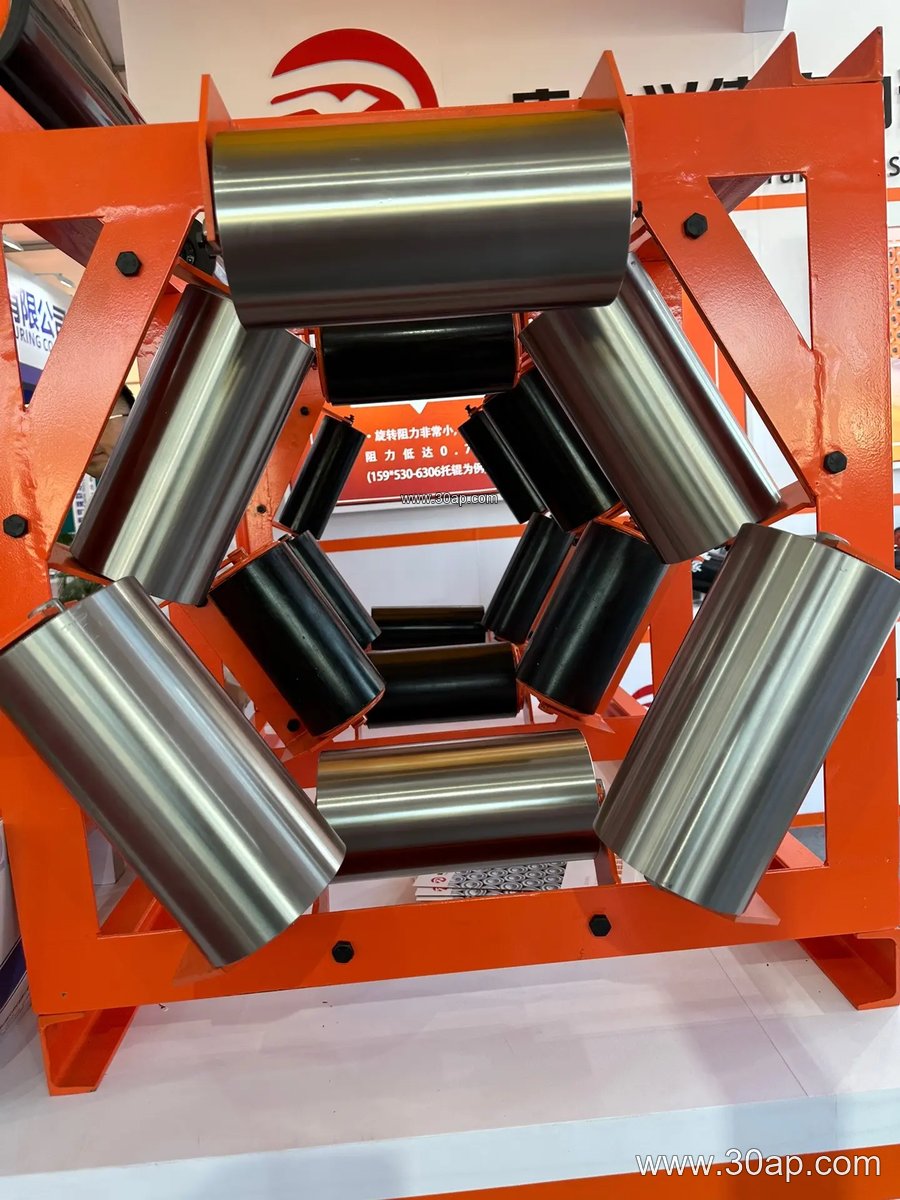
Several forms appear in bulk handling service. Trough brackets support the carrying side, return brackets hold the belt on the way back, and transition or impact brackets are used where material loading is severe. Adjustable versions allow the trough angle to be set on site, which helps when a conveyor handles more than one material or when fine tuning is needed after installation.
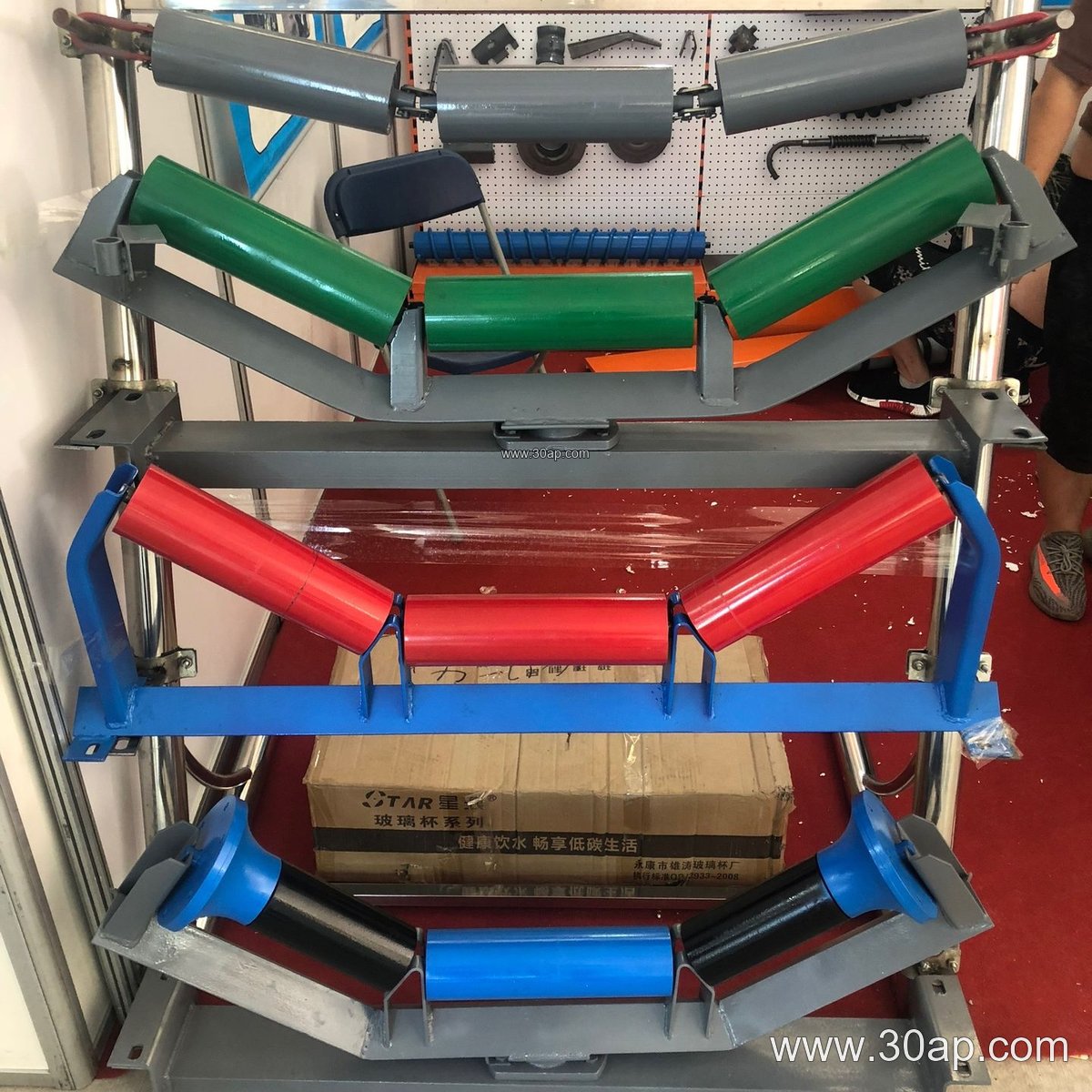
- Trough and upper brackets for carrying idlers
- Return and V-return brackets for the empty strand
- Impact brackets at transfer points
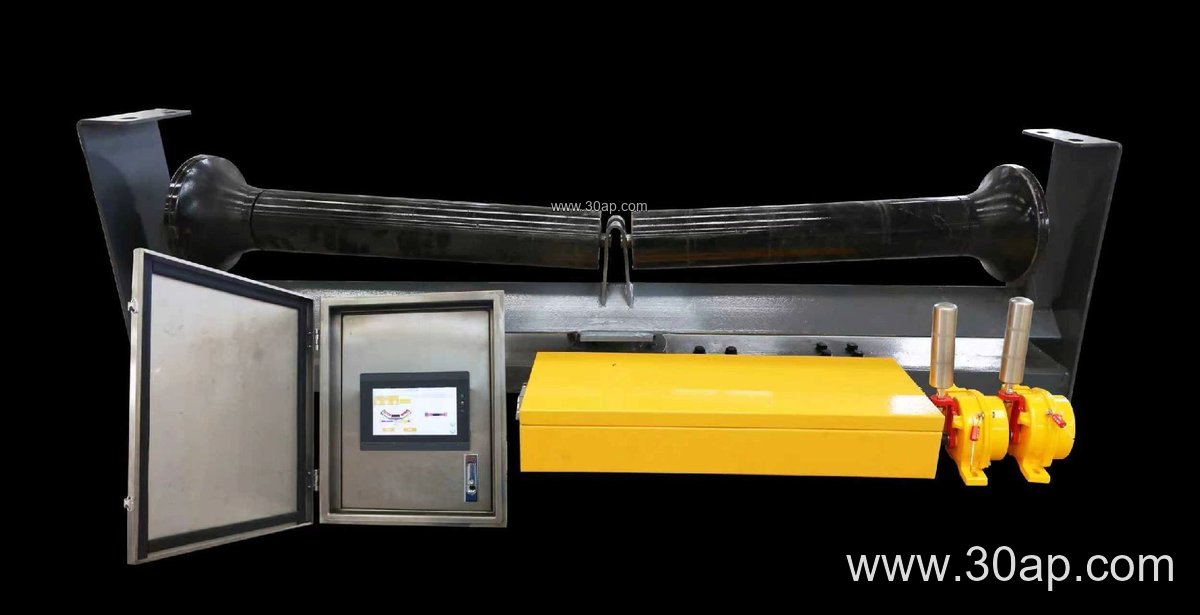
- Self-aligning and forward-leaning brackets for tracking control
- Adjustable brackets for variable trough angles
Matching Belt Width, Trough Angle, and Roller Diameter
Bracket geometry follows the belt width and the roller diameter. Common belt widths include B500, B650, B800, B1000, B1200, B1400, B1600, and B1800, with wider frames available for large installations. Trough angles are usually 20, 30, 35, or 45 degrees, and adjustable brackets can be set between these values. Roller diameters such as Ø89, Ø108, Ø133, Ø159, and Ø194 are selected according to load and belt speed.
There is no fixed rule that ties one belt width to one trough angle or one roller diameter. A B800 frame might run at 35 degrees with Ø108 rollers, while a B1200 conveyor in an iron ore plant could use 45 degrees and Ø133 rollers. The mounting hole spacing and crossbeam length change with the belt width and trough angle, so these dimensions are confirmed per design rather than assumed.
| Parameter | Common Reference Values |
|---|---|
| Belt width | B500, B650, B800, B1000, B1200, B1400, B1600, B1800 |
| Trough angle | 20°, 30°, 35°, 45° (adjustable types cover a range) |
| Roller diameter | Ø89, Ø108, Ø133, Ø159, Ø194 |
| Material | Angle steel, channel steel, folded steel plate |
| Forward lean | Typically about 1.5° to 2° |
These figures are reference data for discussion, not a universal specification. Final values are set by the conveyor design and the duty at the transfer point.
Where These Brackets Are Used
In a limestone quarry or a sand and gravel line, custom brackets keep the trough idlers aligned through long horizontal runs and around transfer towers. In a coal preparation plant or a power station coal yard, flame retardant and anti-static belt grades are common, and the bracket must suit the same dusty, damp environment. A cement plant uses them on clinker and raw meal conveyors, where abrasion resistant belt covers and heavy-duty rollers put steady load on the frame.
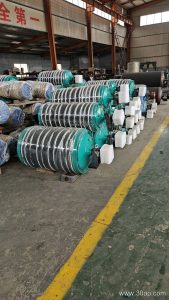
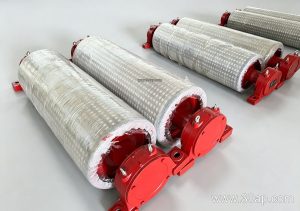
The bracket also works alongside the conveyor pulley at the head and tail. Drive, tail, and bend pulleys are separate components with their own alignment needs, and the bracket should not be treated as a substitute for any of them. At the head, a properly set return bracket helps the belt leave the pulley cleanly; at the tail, a transition bracket eases the belt into the trough.
Buyer Checklist
Before ordering, confirm the belt width, the required trough angle, the roller diameter, and the hole pattern on the existing frame. Ask for the material grade and the surface treatment, since galvanized or painted finishes behave differently in wet and corrosive areas. For retrofit work, a site measurement is often more reliable than a drawing, especially on older conveyors where the frame has settled.
Also confirm whether the bracket is fixed or adjustable, and whether it is intended for the carrying side or the return side. A bracket supplied for the wrong position will not compensate for a misaligned conveyor pulley or a worn idler roller. Spare parts planning matters too: keeping a few brackets on hand reduces downtime when a roller seat cracks in a crusher discharge area or a port ship loader.
For more on matching frame hardware with rubber conveyor belt, EP conveyor belt, and steel cord conveyor belt selections, the bracket drawing should always be checked against the actual conveyor layout. A custom conveyor bracket is a small part, but it decides how well the belt, the idler roller, and the frame work together over years of service.