What Is a Comb Return Idler
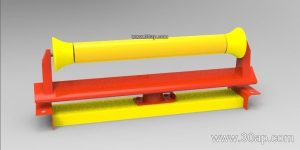
A comb return idler is a return-side roller assembly whose shell is fitted with a series of spaced rubber or polymer discs, giving it a comb-like profile. Also called a disc return roller or comb-type return roller, it supports the empty conveyor belt while scraping off fines, moisture, and sticky material that would otherwise build up on the return run. In quarry, coal mining, and cement plant circuits, this cleaning action helps limit belt misalignment and reduces the load on the tail pulley and bend pulley.
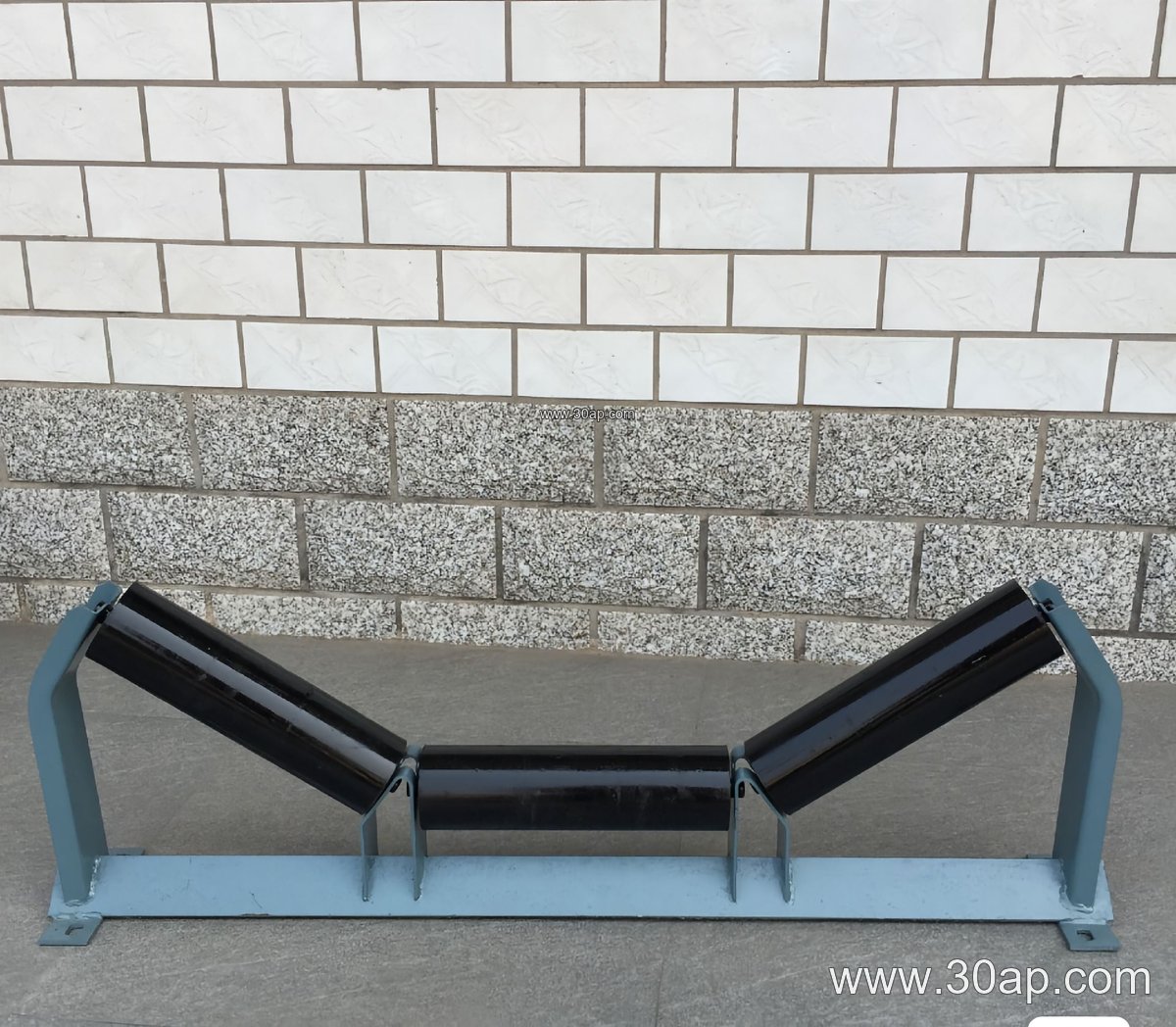
The comb return idler should not be confused with a flat return roller or a V-type return idler. Those designs mainly support the belt; the comb version adds a self-cleaning function through its segmented disc surface.
Construction and Working Principle
Most comb return idlers use a steel tube shaft with a series of rubber discs pressed onto the shell. The discs are spaced along the roller length, and the gaps between them allow debris to fall away instead of wrapping around the roller body. Common shell materials include steel, nylon, and rubber-covered steel. Bearing housings are usually sealed to keep out dust and water, and bearing sizes such as 6205, 6305, or 6308 are selected according to the roller diameter and load, not by belt width alone.
Because the discs contact the belt in short, flexible segments, the comb return idler can tolerate moderate belt wander and can help break up lumps that would jam a continuous roller. For abrasive bulk material such as iron ore or copper ore, a rubber disc surface is often preferred to protect the belt cover.
Where It Fits on the Conveyor
The comb return idler is mounted on the return strand, generally after the discharge point and before the tail pulley. In a coal mining conveyor or a power plant coal handling line, this position is where fines and damp dust tend to cling to the belt. A comb return idler installed here can reduce carryback that would otherwise drop along the return run and accumulate around the conveyor bracket and idler roller bearings.
It may also be used on the return side of a ship loading conveyor or a stockyard conveyor handling bulk material. In these cases, the comb return idler works alongside the conveyor pulley and conveyor belt to keep the return path clear.
Common Sizes and Matching Belt Widths
Comb return idlers are available in roller diameters from about Ø63 mm to Ø219 mm, with Ø89, Ø108, Ø133, and Ø159 being common in bulk handling. Belt widths from B400 to B2400 can be accommodated, but roller length, disc spacing, and shaft diameter are determined by the conveyor design. The table below shows typical reference values; actual supply should follow the conveyor manufacturer’s specification.
| Belt Width | Common Return Roller Diameter | Typical Roller Length Range | Bearing Example |
|---|---|---|---|
| B500 | Ø89–Ø108 | 200–250 mm | 6204, 6205 |
| B650 | Ø89–Ø133 | 250–315 mm | 6205, 6305 |
| B800 | Ø108–Ø133 | 315–380 mm | 6305, 6306 |
| B1000 | Ø108–Ø159 | 380–465 mm | 6306, 6308 |
| B1200 | Ø133–Ø159 | 465–530 mm | 6308, 6310 |
| B1400 | Ø133–Ø178 | 530–600 mm | 6308, 6310 |
| B1600 | Ø159–Ø194 | 600–670 mm | 6310 |
| B1800 | Ø159–Ø219 | 670–750 mm | 6310 |
These values are examples only and do not represent a fixed match between one belt width and one pulley diameter or shaft size.
Selection Tips for Buyers
When selecting a comb return idler, consider the material being conveyed, belt speed, and the amount of carryback. For abrasive service such as a crusher conveyor or a quarry conveyor belt, choose a disc material that resists wear without damaging the belt. For hot material, check that the disc compound is suitable for the temperature; a heat resistant conveyor belt may still need a return idler that can handle warm fines. In underground coal mining, flame retardant and anti-static properties of the belt and idler components are often specified.
Confirm the roller diameter and bearing size with the conveyor maker, and verify the mounting dimensions against the existing conveyor bracket. A comb return idler is not a replacement for a drive pulley, tail pulley, or bend pulley; those are separate components.
Maintenance and Compatibility
Inspect the comb return idler for worn or missing discs, material buildup between discs, and bearing noise. A worn disc can leave a film of fines on the belt, which may affect tracking. Because the comb return idler works with the conveyor belt, keep the belt surface clean and check that the return idler rotates freely. In a cement plant or aggregate conveyor belt line, a regular inspection schedule helps prevent seized rollers from damaging the belt edge.
For related conveyor components, the same maintenance team may also check the conveyor pulley lagging, idler roller alignment, and conveyor bracket condition. A well-matched comb return idler contributes to longer belt life and cleaner operation.