What an Anti-Static Conveyor Belt Does
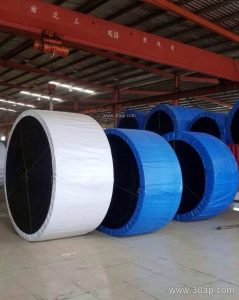
An anti-static conveyor belt is a rubber or fabric-cored belt built to bleed off static electricity that builds up as material moves along the conveyor line. In a coal mine, cement plant, power station, or sand and gravel yard, dry and dusty conditions make charge accumulation common. A belt with a conductive or dissipative compound helps reduce sparks and the risk of ignition in hazardous areas, and it also keeps dust from clinging to the surface.
The same product is also called an antistatic belt or a static-dissipative conveyor belt. Those names describe the same belt, not a different type. The static-control property is usually combined with other duties, so you will often see it supplied as a flame retardant conveyor belt or a fire resistant conveyor belt for underground coal mining conveyors.
How the Belt Is Built
Construction follows the same logic as other fabric or steel-reinforced belts, with attention to the compound and the grounding path.
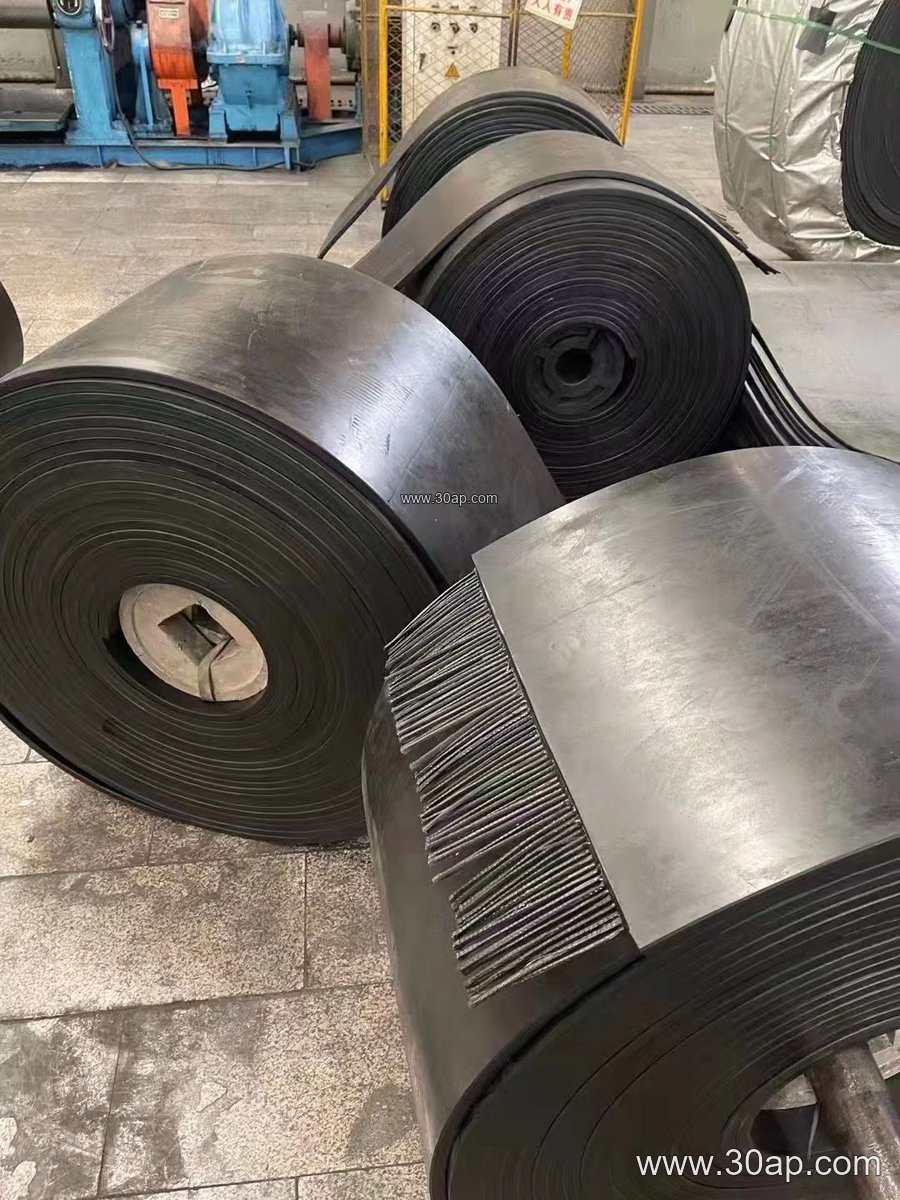
- Carcass: multi-ply fabric core, such as an EP conveyor belt or NN conveyor belt, or steel cord for long, high-tension runs. A multi-ply fabric core conveyor belt is common on medium-duty lines.
- Cover compound: anti-static rubber on the top and bottom cover, often combined with abrasion resistant or flame retardant grades.
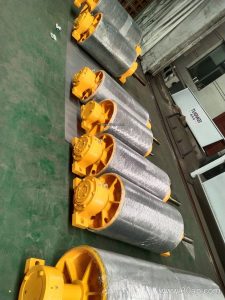
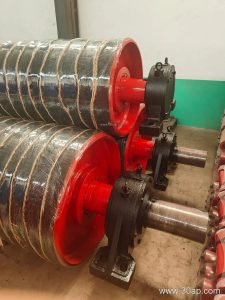
- Grounding: conductive paths and edge treatment that let charge move to the conveyor frame through the pulleys and idler rollers.
Thickness is given as cover gauges, for example 4+2 mm or 6+2 mm, with 2 to 6 plies typical. Static performance depends on the whole system, so the belt must be grounded through the conveyor bracket and frame, not just specified on paper.
Where It Is Used
Static control matters most where dust, gas, or fine dry material is present. Typical duties include:
- Coal mining conveyor belts, including underground coal mining and tunnel development.
- Power plant coal handling and ash lines.
- Cement plant clinker and raw meal transport.
- Quarry conveyor belts, aggregate conveyor belts, and crusher conveyor belts.
- Port conveyor belts and ship loading systems handling bulk material.
On a crushing line, an impact resistant or heavy-duty belt may be needed at the feed point, while the anti-static grade protects the rest of the run. Where oil or heat is present, an oil resistant conveyor belt or heat resistant conveyor belt can be combined with static control, but the compound has to be confirmed with the supplier.
Common Specifications
Values below are reference ranges, not fixed rules. Final figures are confirmed by design for each conveyor.
| Item | Common reference values |
|---|---|
| Belt width | B500, B650, B800, B1000, B1200, B1400, B1600, B1800, B2000 |
| Fabric strength | EP200, EP400, EP630, EP800, EP1000, EP1250 |
| Steel cord strength | ST1000, ST1600, ST2000, ST2500 |
| Cover gauge | 3+1.5, 4+2, 5+2, 6+2, 8+3 mm |
| Carcass plies | 2 to 6 layers, fabric core |
A 1200mm wide belt on a main haulage line and an 800mm belt on a secondary transfer are both normal. Width does not dictate pulley diameter on its own; the conveyor pulley, shaft, and bearing selection come from the full tension and load calculation.
Selection and Maintenance Notes
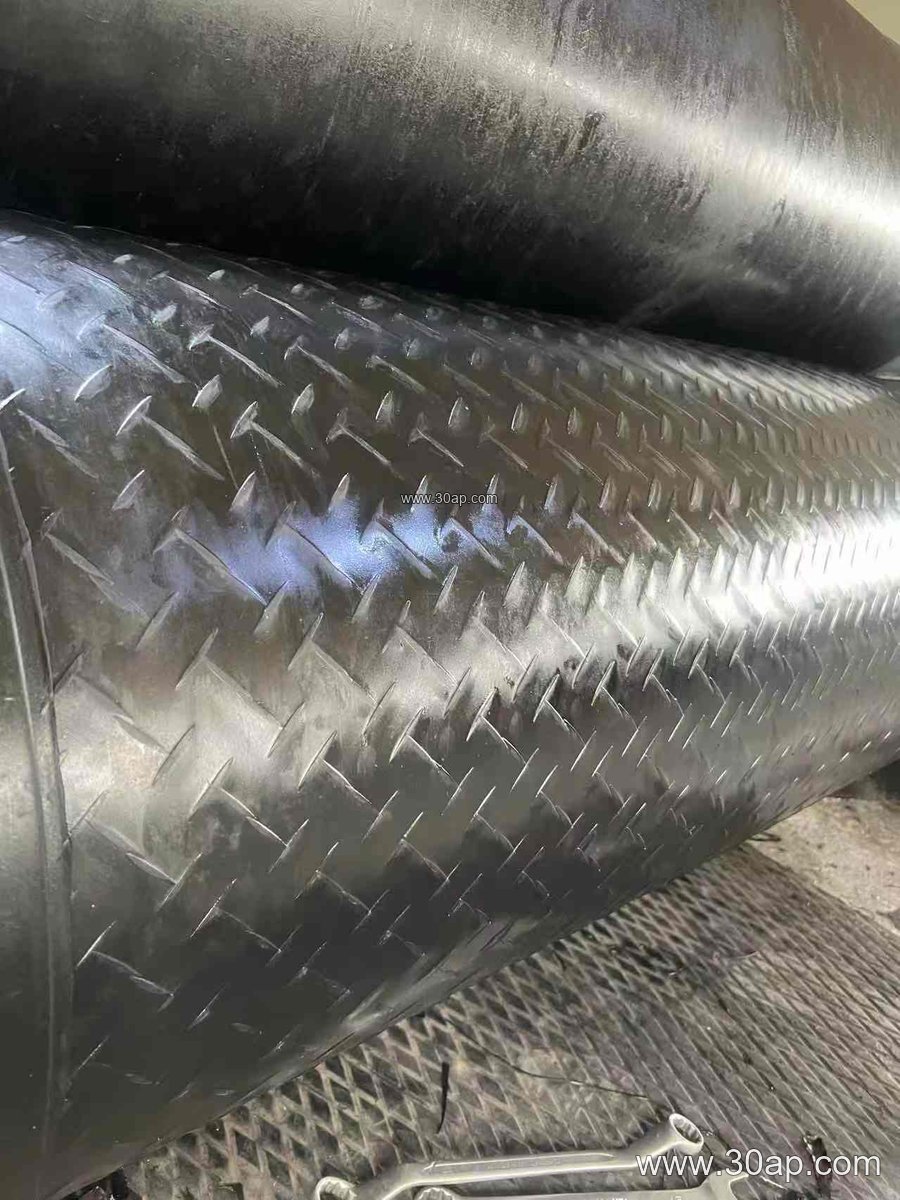
Start with the material, the environment, and the risk level. A coal mining conveyor belt in a gassy underground roadway usually needs flame retardant and anti-static properties together. A quarry or cement line may only need static dissipation plus abrasion resistance. For steep inclines, a chevron conveyor belt or corrugated sidewall conveyor belt may be the better profile, provided the static requirement is met.
Check the following before ordering:
- Required surface resistance and how the belt will be grounded.
- Cover grade and thickness for the actual wear and temperature.
- Splice type, since joints can affect conductivity.
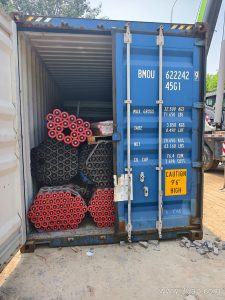
- Compatibility with existing conveyor pulleys, idler rollers, and brackets.
In service, keep the belt clean and check grounding points, joints, and edge wear at each inspection. Static control is a system property, so a belt alone will not solve a poorly grounded conveyor frame.
Buyer Checklist
Ask for the compound data, the carcass type, and the cover gauge in writing. Confirm whether the belt is supplied as an anti-static conveyor belt only or combined with flame retardant, abrasion resistant, or cold resistant grades. Match the belt to the conveyor, not the other way around, and review the conveyor pulley and idler roller arrangement with the belt supplier before the order is placed.