What Is a Non-Standard Conveyor Bracket?
A non-standard conveyor bracket is a custom-engineered support component that positions and secures idler rollers beneath a conveyor belt. Unlike off-the-shelf brackets designed for common belt widths and standard trough angles, this bracket is built to match a specific conveyor layout, often where space is tight, loads are extreme, or the material being handled demands a particular roller arrangement. In industries such as mining, coal preparation, cement production, and power plant coal handling, standard brackets may not fit the existing structure or the required trough angle, so a tailored bracket becomes essential.
The bracket works together with the conveyor belt, idler roller, and conveyor pulley to maintain proper belt tracking and support. While the drive pulley, tail pulley, and bend pulley handle power transmission and direction changes, the bracket’s role is strictly support and alignment of the carrying or return side. This article focuses on the non-standard bracket itself, exploring its construction, typical applications, and key considerations for buyers.
Construction and Design Variations
Non-standard conveyor brackets are usually fabricated from angle steel, channel steel, or bent steel plate. The choice of material and thickness depends on the load and environmental conditions. For example, a bracket used in a quarry conveyor belt system may require heavier gauge steel to withstand impact from large rock lumps, while a bracket in a fertilizer plant might use coated steel for corrosion resistance.
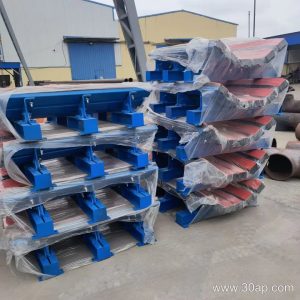
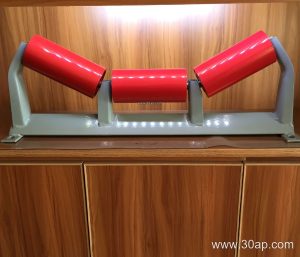
Common types include trough brackets, transition brackets, return brackets, V-return brackets, impact brackets, self-aligning brackets, and adjustable brackets. Each type serves a distinct function. An adjustable bracket, for instance, allows the trough angle to be set between 20 and 45 degrees, accommodating different material characteristics. A transition bracket helps guide the belt from a flat pulley to a troughed profile, reducing stress on the belt edges.
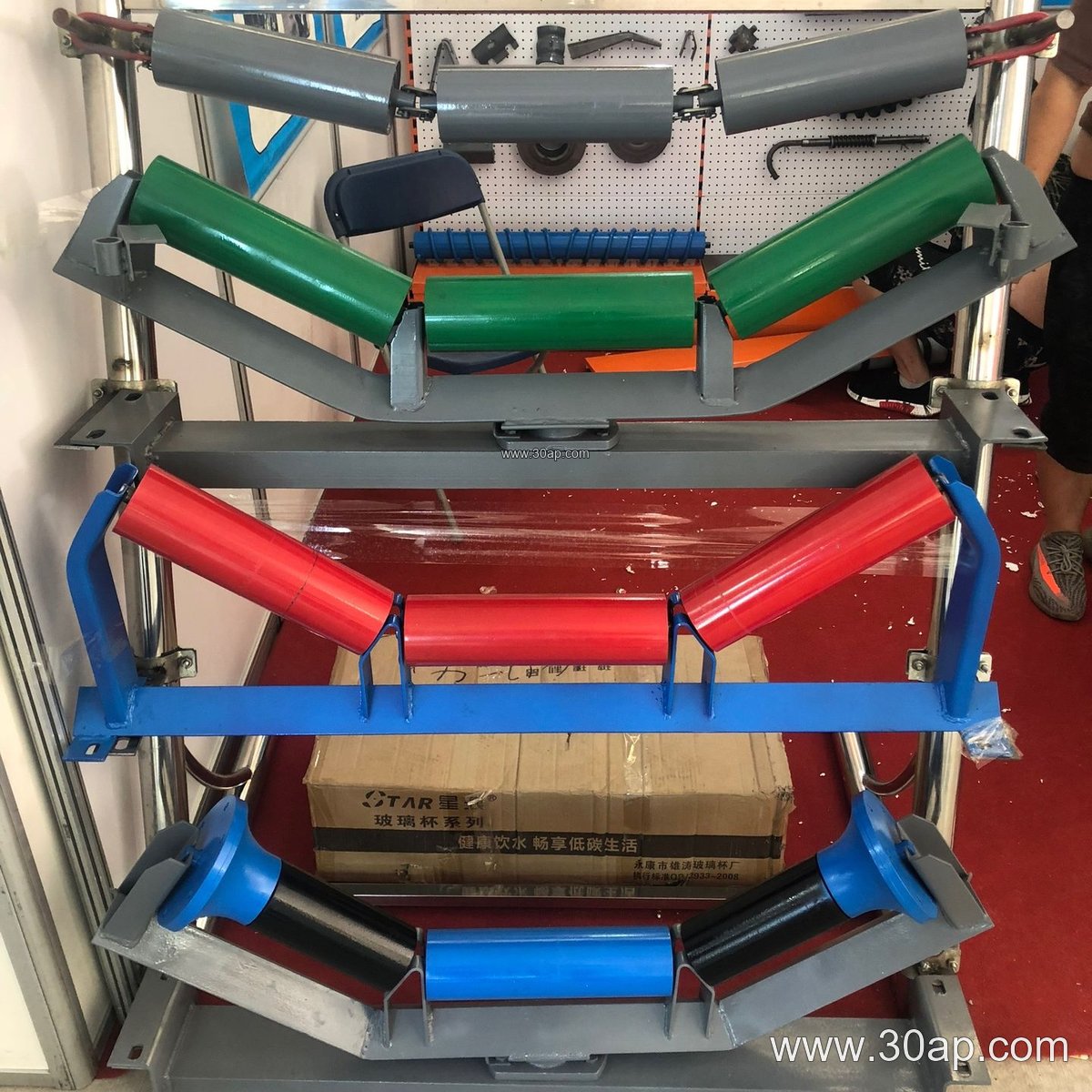
Dimensions are never arbitrary. The bracket’s mounting hole spacing, beam length, and roller seating are determined by the belt width, trough angle, and roller diameter. For a B800 belt with a 35-degree trough and Ø108 rollers, the bracket geometry differs significantly from a B1200 belt with a 45-degree trough and Ø133 rollers. Buyers should provide exact belt width, trough angle, and roller diameter when ordering, as these parameters directly influence the bracket’s fit and performance.
Where Non-Standard Brackets Are Used
These brackets appear in a wide range of bulk material handling operations. In underground coal mining, space constraints and the need for flame retardant conveyor belts often call for compact, custom brackets that fit within limited headroom. In a cement plant, the abrasive nature of clinker and limestone demands robust brackets that keep idler rollers aligned under heavy loads. Power plants handling coal rely on non-standard brackets to accommodate wide conveyor belts and frequent transitions.
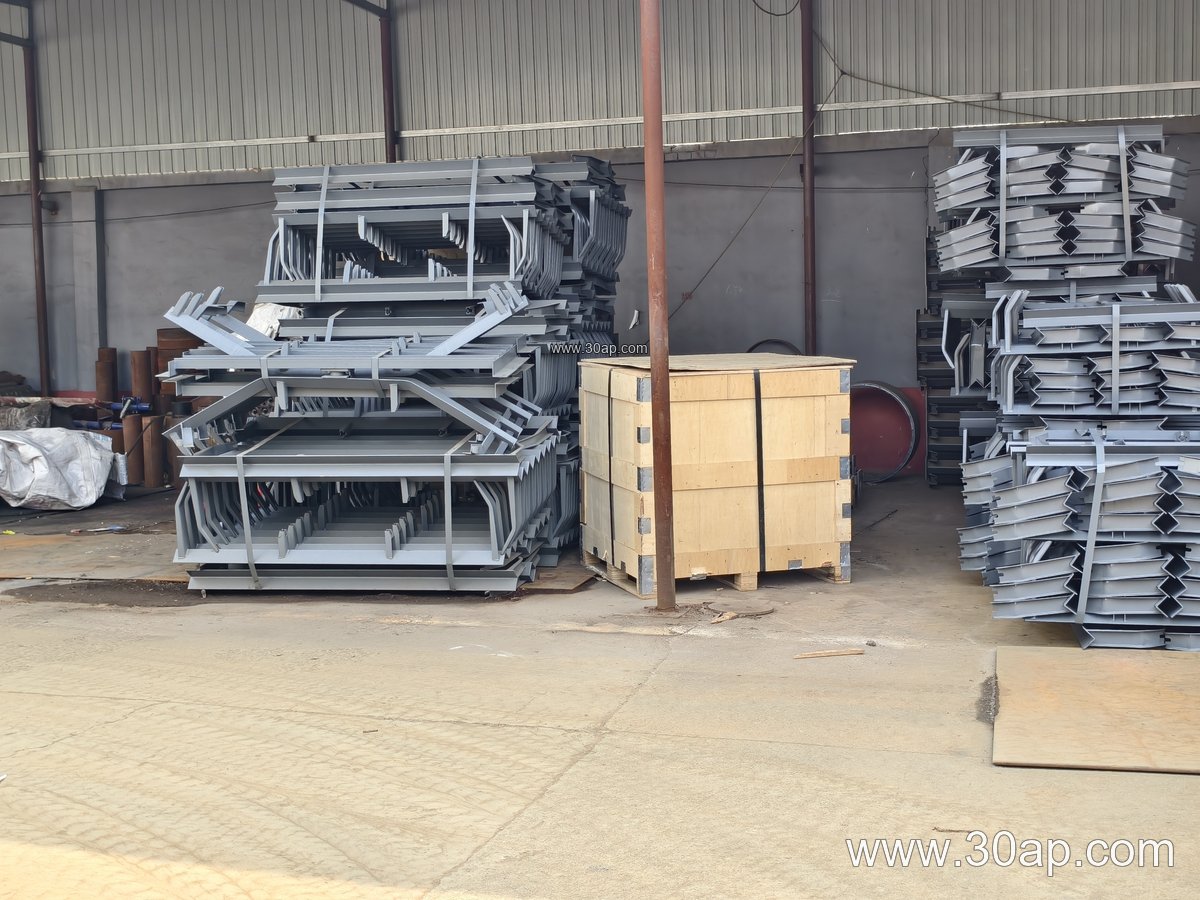
Other typical settings include iron ore mines, aggregate crushing lines, port ship loaders, and tunnel spoil removal. In each case, the bracket must integrate seamlessly with the conveyor belt, whether it is an EP conveyor belt, a steel cord conveyor belt, or a heat resistant conveyor belt. The bracket does not influence the belt’s material properties, but it ensures the belt runs smoothly over the idlers, reducing wear and extending service life.
Key Parameters and Selection Guide
When specifying a non-standard conveyor bracket, several parameters must be defined. The table below lists common reference values; actual dimensions are always confirmed by design.
| Parameter | Common Reference Range | Notes |
|---|---|---|
| Belt width (B) | B500 to B2200 | Bracket length and hole spacing vary with belt width |
| Trough angle | 20°, 30°, 35°, 45° | Adjustable brackets can cover a range |
| Roller diameter | Ø89, Ø108, Ø133, Ø159, Ø194 | Match bracket seating to roller diameter |
| Material | Angle steel, channel steel, bent plate | Thickness selected per load and environment |
| Type | Trough, return, impact, self-aligning, transition | Function determines geometry |
It is important to note that no single belt width is tied to one pulley diameter or trough angle. A B1000 belt might use a 30-degree trough with Ø108 rollers in one conveyor and a 45-degree trough with Ø133 rollers in another. The bracket must be designed accordingly. Buyers should avoid assuming fixed combinations and instead provide complete application details.
Buyer Checklist for Non-Standard Conveyor Brackets
- Application details: Specify the material being conveyed (e.g., coal, clinker, iron ore) and the operating environment (dust, moisture, temperature).
- Belt and roller data: Provide belt width, trough angle, and roller diameter. Mention if the belt is a corrugated sidewall conveyor belt or a pipe conveyor belt, as these may require special bracket profiles.
- Mounting interface: Share the existing conveyor frame dimensions, hole patterns, and available space.
- Load and impact: For high-impact zones, consider impact brackets with rubber cushions or reinforced construction.
- Maintenance access: Ensure the bracket design allows easy roller replacement without dismantling adjacent structures.
For assistance with non-standard conveyor brackets or related components such as conveyor pulleys and idler rollers, please visit our website at www.example.com/conveyor-bracket for more information. Our team can help you define the right bracket for your specific conveyor belt system.