What a Self-Cleaning Idler Does
A self-cleaning idler is a conveyor idler roller designed to shed carryback material before it builds up on the roller surface. In plants handling sticky, wet, or fine bulk materials, ordinary idlers can accumulate dust and mud, which leads to belt misalignment, increased power draw, and premature bearing failure. The self-cleaning design keeps the roller surface clearer during operation, reducing maintenance attention and helping the conveyor belt run truer.
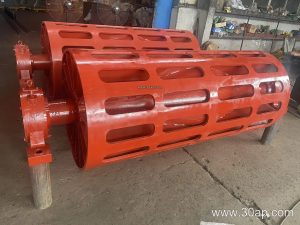
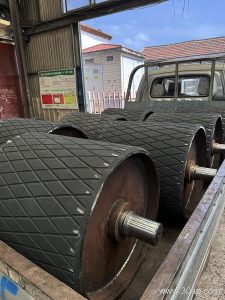
This idler is not a replacement for a drive pulley, tail pulley, or bend pulley. Those are conveyor pulleys that transmit power or change belt direction. The self-cleaning idler works on the carrying or return side of the conveyor, supporting the belt and helping to control material buildup.
How the Self-Cleaning Idler Is Built
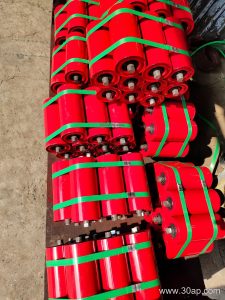
Most self-cleaning idlers use a steel tube shell with a specific surface pattern or a spiral arrangement that discourages material from sticking. The roller ends are fitted with sealed bearings, commonly 6204, 6205, 6305, 6306, 6308, or 6310 depending on load and diameter. Bearing selection is matched to the idler diameter and duty, not to a single fixed rule. The sealing arrangement is critical: good labyrinth seals or contact seals keep fine dust out of the bearing cavity, which is where many idler failures begin.
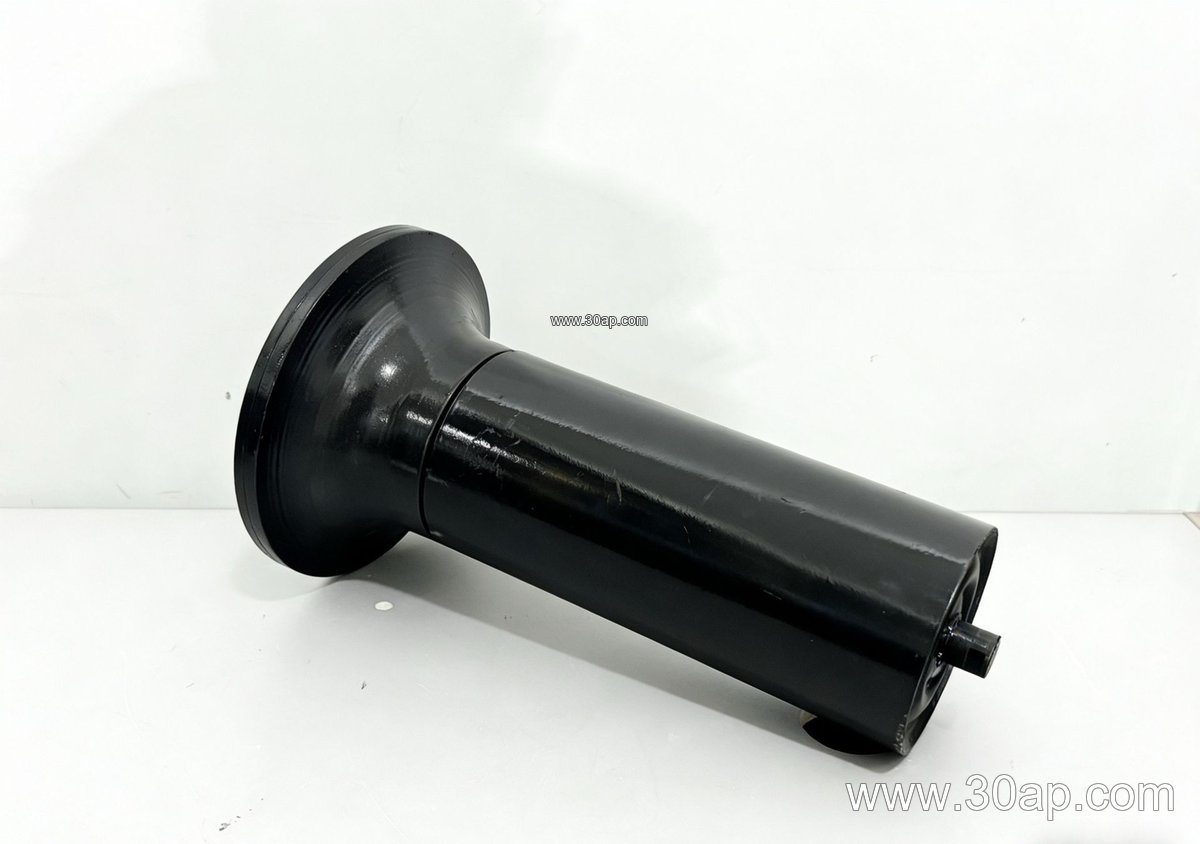
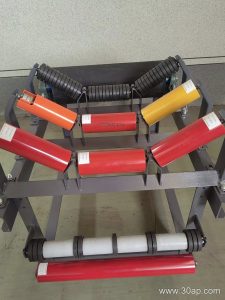
Common roller diameters for self-cleaning idlers include Ø89, Ø102, Ø108, Ø127, Ø133, Ø159, and Ø178. Larger diameters are often used where material buildup is heavy or where the belt is wide. Roller length follows belt width, trough angle, and idler arrangement. For a three-roll troughing set, common roll lengths are approximately 200 mm for B500, 250 mm for B650, 315 mm for B800, 380 mm for B1000, 465 mm for B1200, 530 mm for B1400, 600 mm for B1600, 670 mm for B1800, and 750 mm for B2000. These are typical examples only; side rolls and center rolls can differ, and final dimensions are set by the conveyor design.
Where Self-Cleaning Idlers Fit on the Conveyor
Self-cleaning idlers are often used on the return side, where the belt surface that carried the material is exposed and carryback can drop onto the roller. They are also used in load zones and transfer points where spillage is common. In a quarry conveyor belt line, a self-cleaning return idler can reduce the labor needed to clean under the belt. In a cement plant or power plant coal handling system, the same idler helps keep the return strand running smoothly when fine dust is present.
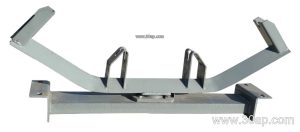
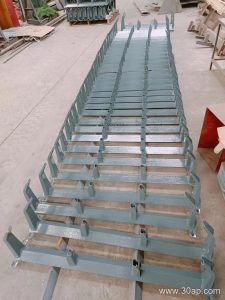
The idler works together with the conveyor bracket and the conveyor frame. Proper bracket alignment and adequate clearance below the return belt allow shed material to fall away instead of packing around the idler. A self-cleaning idler is not a substitute for a training idler or a impact idler; each has a distinct role. Where belt tracking is the main problem, a training idler is the correct choice. Where falling material causes impact damage, an impact idler or rubber-disc impact idler is used. The self-cleaning idler focuses on keeping the roller surface clear.
Materials and Conveyor Belt Compatibility
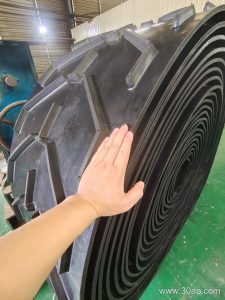
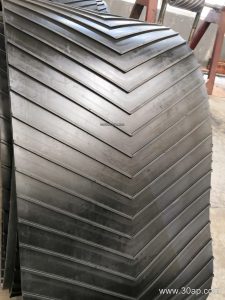
Self-cleaning idlers are used with many belt types, including rubber conveyor belt, EP conveyor belt, NN conveyor belt, and steel cord conveyor belt. In abrasive service, an abrasion resistant conveyor belt may be paired with rugged idlers to extend the life of both components. In coal mining conveyor belt applications, flame retardant conveyor belt and anti-static conveyor belt properties are important for safety, and the idler seals should resist fine coal dust. For hot materials such as cement clinker or sinter, heat resistant conveyor belt may be used, and the idler bearing lubricant should be selected for the ambient temperature.
The self-cleaning effect is most valuable when the conveyed material is wet, sticky, or fine. In dry, free-flowing bulk material conveyor belt systems, a standard idler may perform well, but self-cleaning idlers can still reduce dust accumulation in the return strand.
Buyer Checklist for Self-Cleaning Idlers
- Confirm the belt width and the idler arrangement: single-roll, two-roll, or three-roll troughing set.
- Check the required roller diameter and shaft size against the conveyor bracket and frame.
- Specify the sealing level needed for the environment: dusty, wet, or washdown.
- Match the bearing and lubricant to the load and temperature range.
- Verify that the self-cleaning surface pattern suits the material being conveyed.
- Consider the return-side clearance so shed material can fall freely.
A self-cleaning idler is a practical component for conveyors that handle difficult bulk materials. When selected with the correct diameter, seal, and bearing for the application, it helps keep the conveyor belt centered, reduces downtime, and supports steady material flow in mining, quarrying, cement, and power generation operations.