What a 1200mm Conveyor Belt Really Is
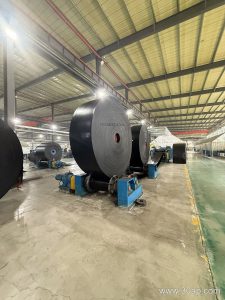
A 1200mm conveyor belt is a wide-profile belting product with a nominal width of 1200 millimetres, often written as B1200 on conveyor drawings. It sits in the middle-to-large range of standard belt widths, which makes it a practical choice for moving bulk material at high tonnage without resorting to an extra-wide conveyor belt. In mining, coal preparation, cement plants, power stations, quarry and sand making operations, and port loading systems, this width is common where a single stream of crushed rock, ore, clinker, or coal must be carried efficiently.
The same product is also described as a 1200mm wide conveyor belt, and buyers should treat these as identical. What changes from project to project is not the width label but the carcass, cover compound, and construction style.
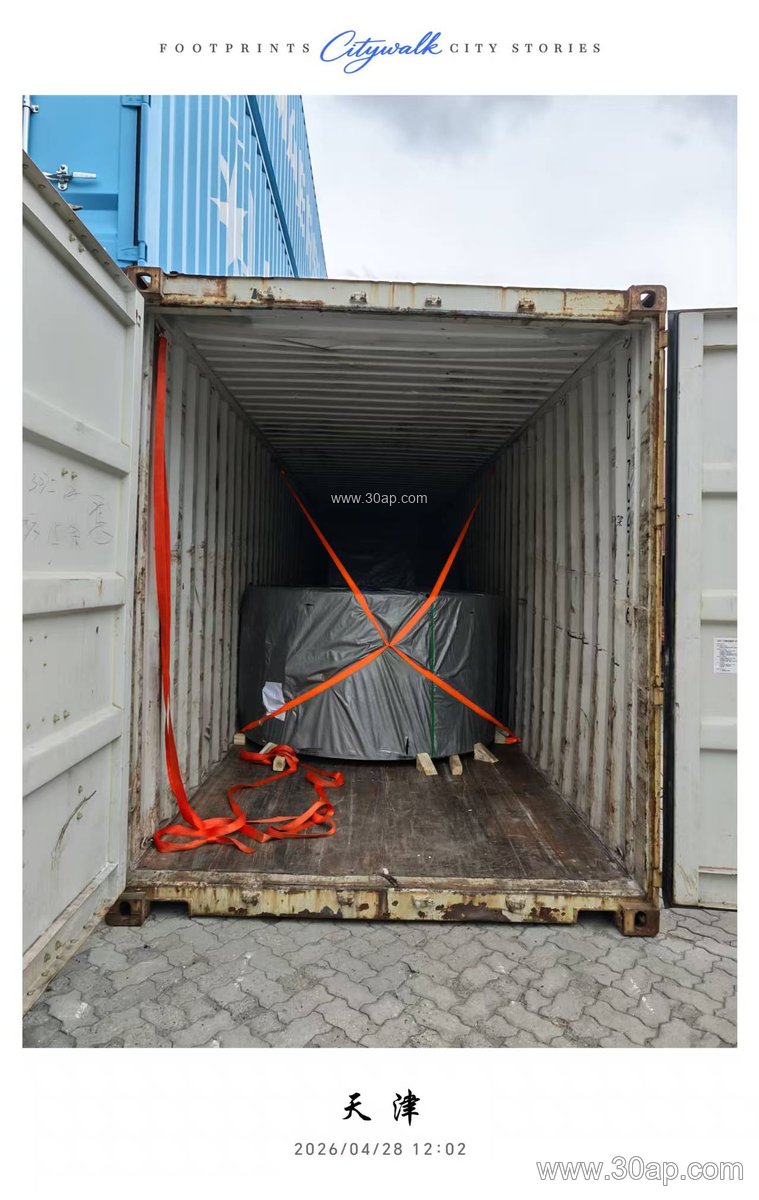
Construction and Belt Types That Suit This Width
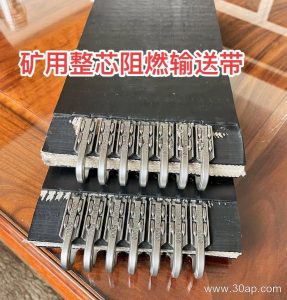
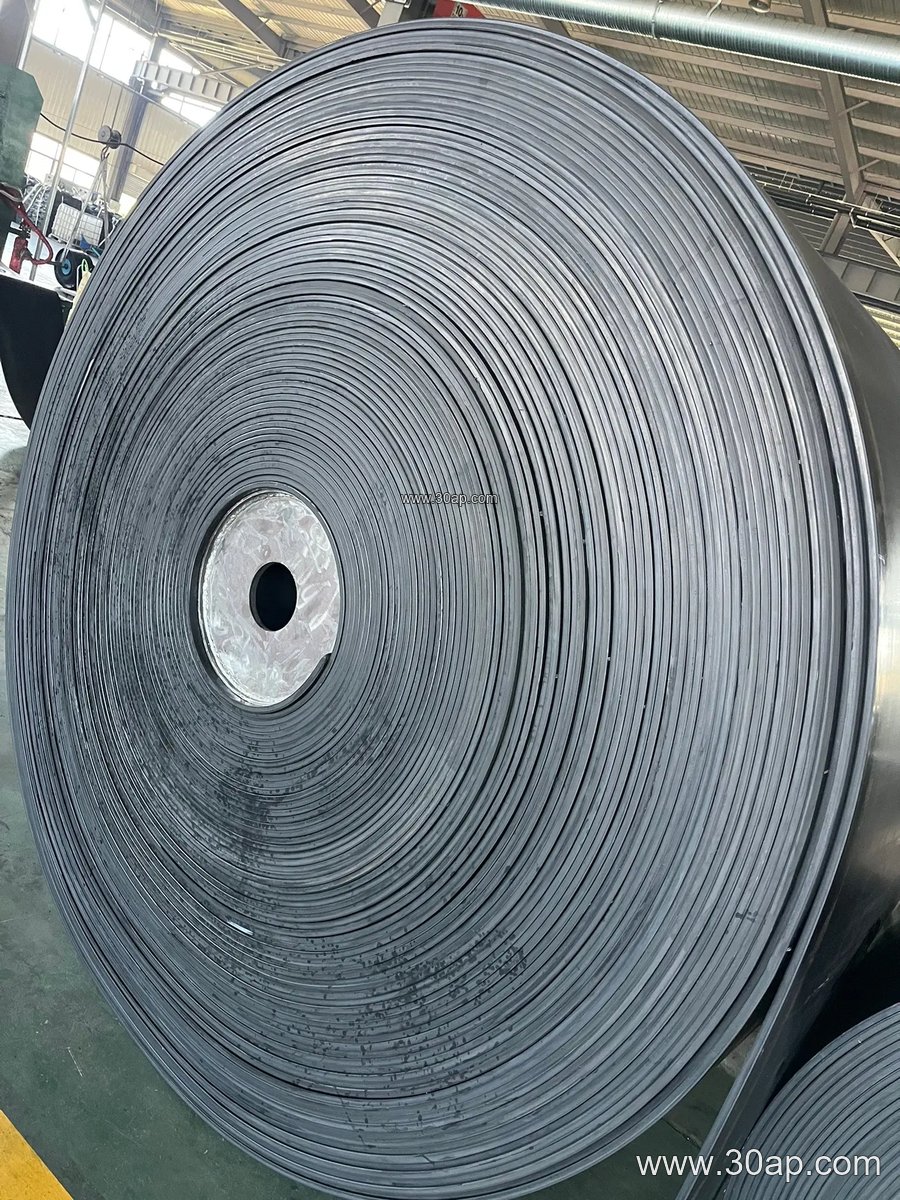
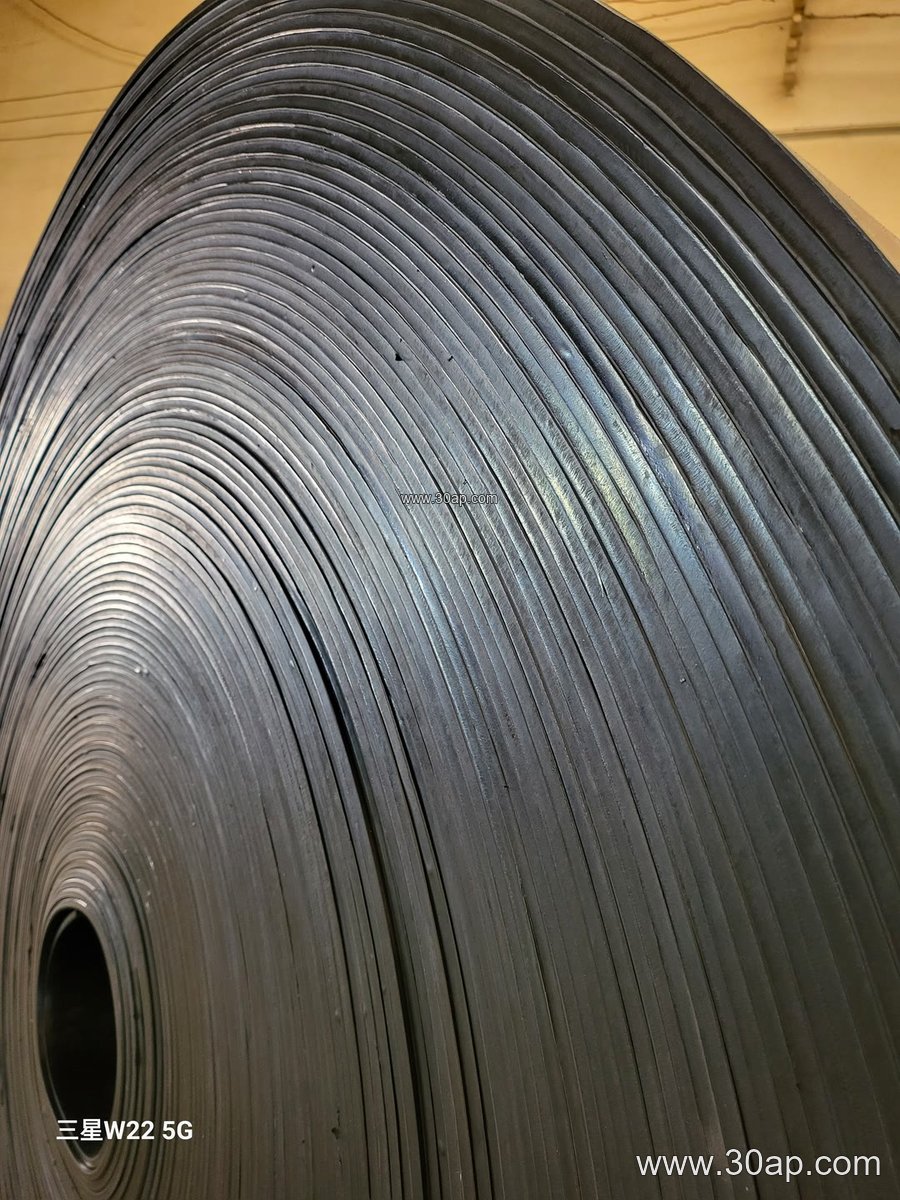
The belt body is built around a tension-bearing carcass, protected by top and bottom rubber covers. At 1200mm, engineers usually specify a multi-ply fabric core or a steel cord carcass, depending on the duty. Common options include:
- EP conveyor belt (polyester-nylon fabric), available in grades such as EP200, EP400, EP630, EP800, EP1000, and EP1250
- NN conveyor belt (nylon-nylon), often chosen where high elongation and impact absorption matter
- Steel cord conveyor belt, such as ST1250 or ST1600, for long centres and heavy loads
- PVC or PVG conveyor belt for underground coal mining duty, including PVG800S where flame retardance is required
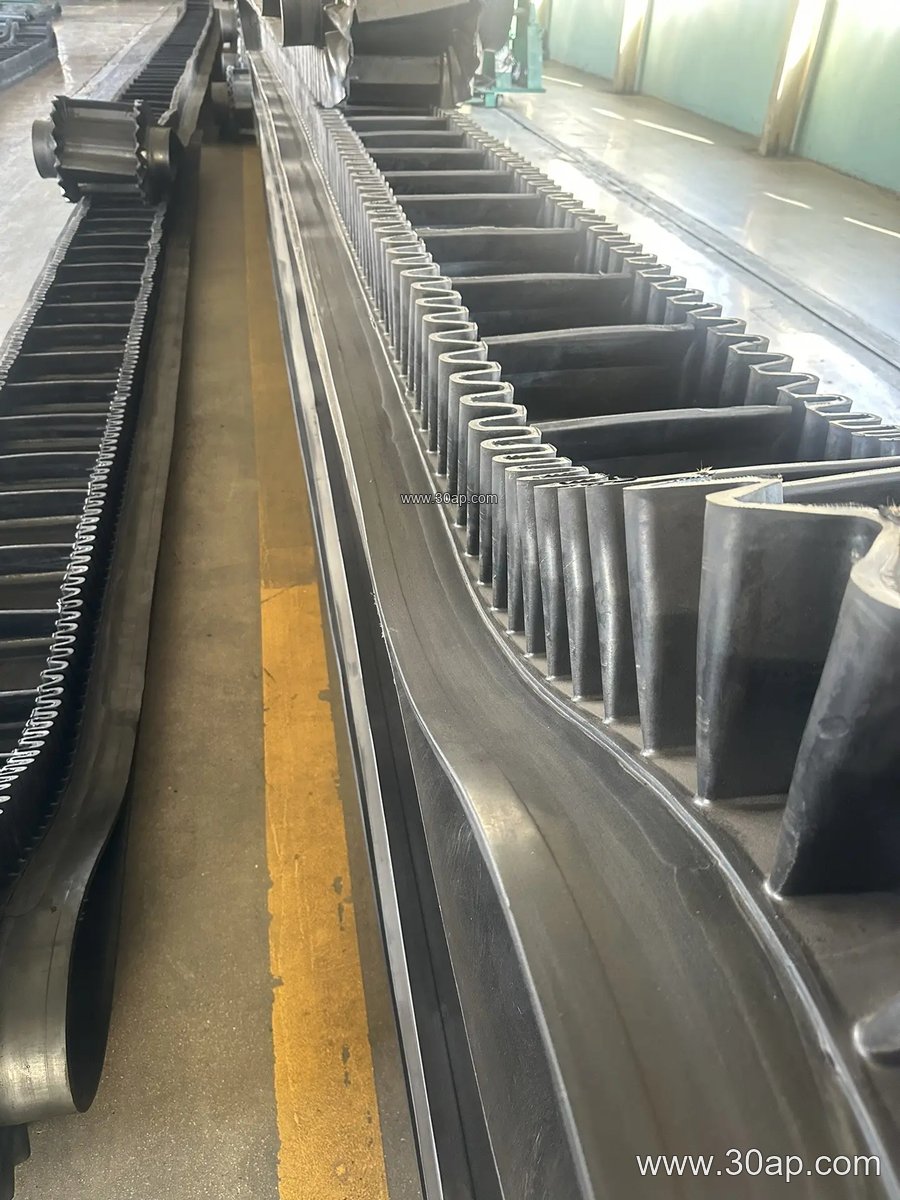
Cover compounds are matched to the cargo and the environment. An abrasion resistant conveyor belt handles crushed stone and ore; a heat resistant conveyor belt suits clinker and sinter; an oil resistant conveyor belt serves recycled material and some mineral processing streams; and a flame retardant conveyor belt or fire resistant conveyor belt is typical in coal handling. For cold climates, a cold resistant conveyor belt keeps flexibility. Special constructions such as chevron conveyor belt, corrugated sidewall conveyor belt, and skirted conveyor belt are used where incline or spillage control is the main concern, and these are separate designs rather than direct substitutes for a flat 1200mm belt.
Typical Specification Envelope
The table below shows reference values that appear in general practice. They are guidance for discussion, not a fixed supply promise, and each project should confirm its own figures.
| Parameter | Common Reference |
|---|---|
| Belt width | 1200 mm (B1200) |
| Fabric grades | EP200 to EP1250, NN100 to NN400 |
| Steel cord grades | ST1000 to ST2500, subject to design |
| Number of fabric plies | Usually 2 to 6 |
| Top and bottom cover | 4+2 mm, 5+2 mm, 6+2 mm, 8+3 mm |
| Width family | B500, B650, B800, B1000, B1200, B1400, B1600, B1800, B2000 |
Cover thickness and carcass grade should follow the actual load, lump size, and impact energy rather than the belt width alone. A 1200mm belt can run on a range of pulley diameters and shaft sizes; these are determined by the conveyor design, not by the width by itself.
Where It Fits in the Plant
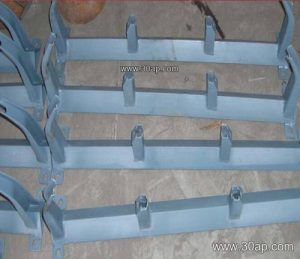
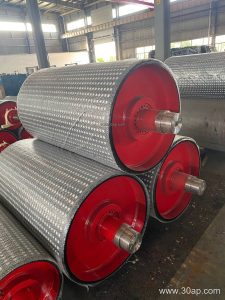
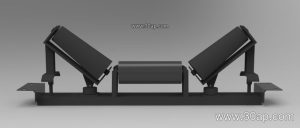
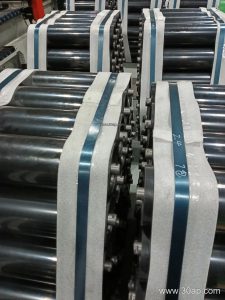
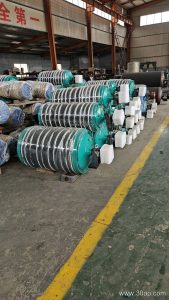
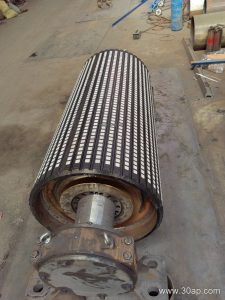
In an underground coal mining conveyor, a flame retardant 1200mm belt may feed a transfer point before a crusher. In a cement plant, the same width often carries limestone or clinker on a long overland route. Aggregate and quarry conveyor lines use it after primary crushing, while power plant conveyor systems use it for coal yard handling. Port and ship loading conveyors rely on it for high-capacity bulk material transfer. The belt works together with idler roller sets, conveyor pulley assemblies, and conveyor bracket frames, so the whole conveyor, not the belt alone, determines reliability.
For general guidance on matching belt, roller, and pulley components, see www.beltconveyorparts.com and the technical notes at www.beltconveyorparts.com/1200mm-conveyor-belt. Additional selection references are available at www.beltconveyorparts.com/conveyor-belt.
Buyer Checklist Before Ordering
- Confirm the actual duty: tonnage, lump size, incline, and centre distance
- State the material and environment so the cover compound is correct
- Specify carcass type and grade, not only the 1200mm width
- Confirm cover thickness and edge condition
- Check compatibility with existing conveyor pulley and idler roller dimensions
- Ask about splice method and whether an endless conveyor belt is preferred
Ordering a 1200mm conveyor belt is mostly a matter of matching carcass, cover, and construction to the job. Width is a starting point; the real performance comes from the specification behind it.