What a Belt Conveyor Trough Idler Does
A belt conveyor trough idler is the carrying-side roller assembly that gives a loaded conveyor belt its trough shape. Instead of letting bulk material sit on a flat surface, three rolls are set at an angle so the belt curves upward at both edges. That simple geometry keeps stone, ore, cement clinker, or grain centered and reduces spillage along the line. In a quarry, a coal preparation plant, or a power station coal yard, the troughing idler is one of the most heavily worked parts of the whole conveyor.
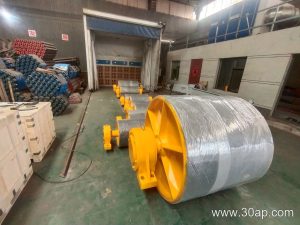
The same product is often called a troughing roller or troughing idler set. It is a distinct item from the return idler, and it should not be confused with the drive pulley, tail pulley, or bend pulley, which transmit and redirect belt tension rather than support the loaded strand.
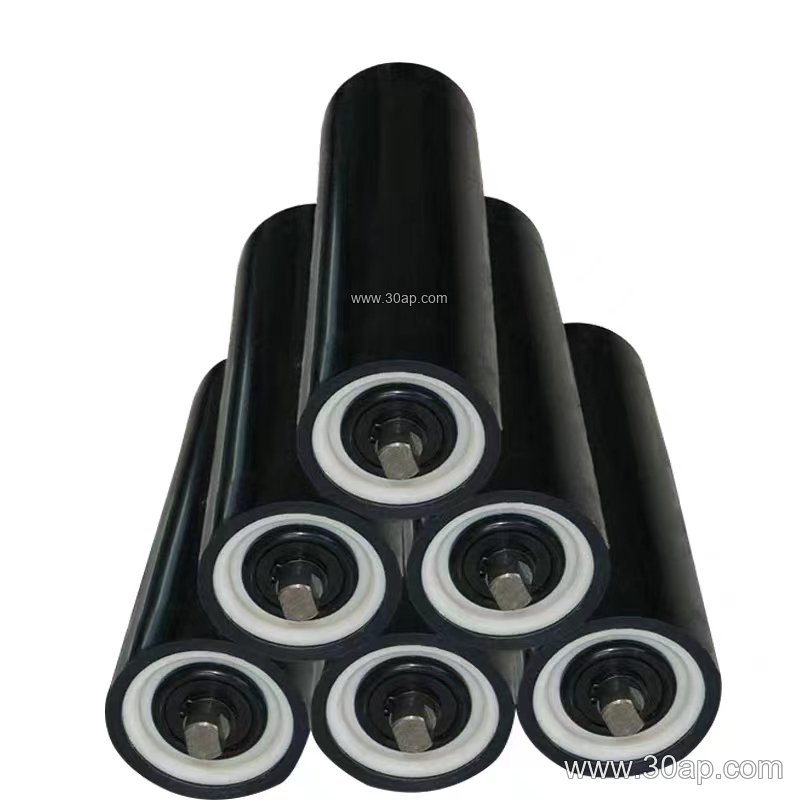
How the Assembly Is Built
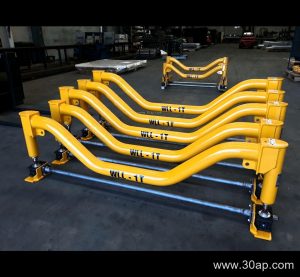
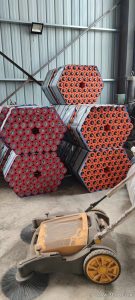
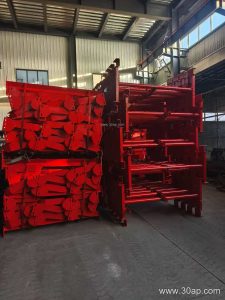
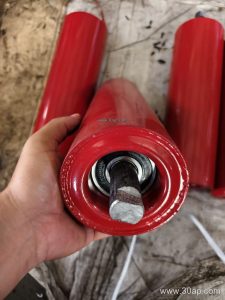
A typical trough idler group combines two or three rolls on a common frame. Three-roll sets are the most common form on wide belts; two-roll sets appear on narrower or lighter duties. Each roll has a steel shell, a shaft, bearing housings, and a sealing arrangement. Roll surfaces are usually plain steel tube, but nylon, ceramic, or rubber-ring versions are available when wear, build-up, or impact is a concern.
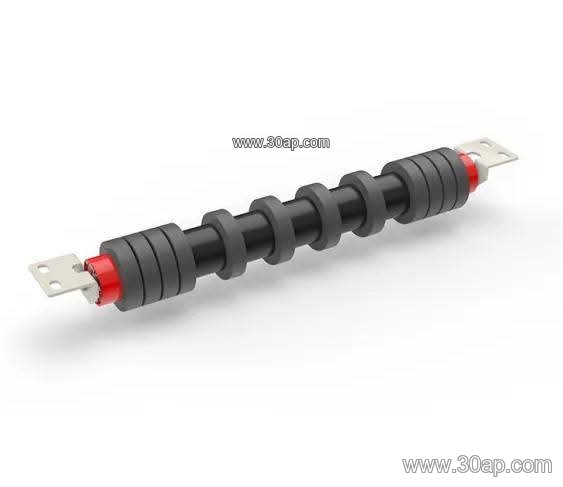
- Roll diameter is chosen from the belt width, load, and speed, with common sizes including Ø89, Ø108, Ø127, Ø133, Ø159, and Ø178 mm.
- Bearing sizes such as 6204, 6205, 6305, 6306, 6308, and 6310 are matched to the roll and duty, not to a single fixed diameter.
- Trough angles are commonly 20, 30, 35, or 45 degrees; a steeper angle deepens the trough and suits higher capacities.
- Forward tilt of about 1.5 to 2 degrees is used on some training idlers to help keep the belt aligned.
Roll length changes with belt width, trough angle, and frame type. As a rough reference, a three-roll set on a B800 belt often uses rolls around 315 mm long, while B1200 may use about 465 mm and B1600 about 600 mm. These are examples only; side rolls and center rolls can differ, and the final length is set by the conveyor design.
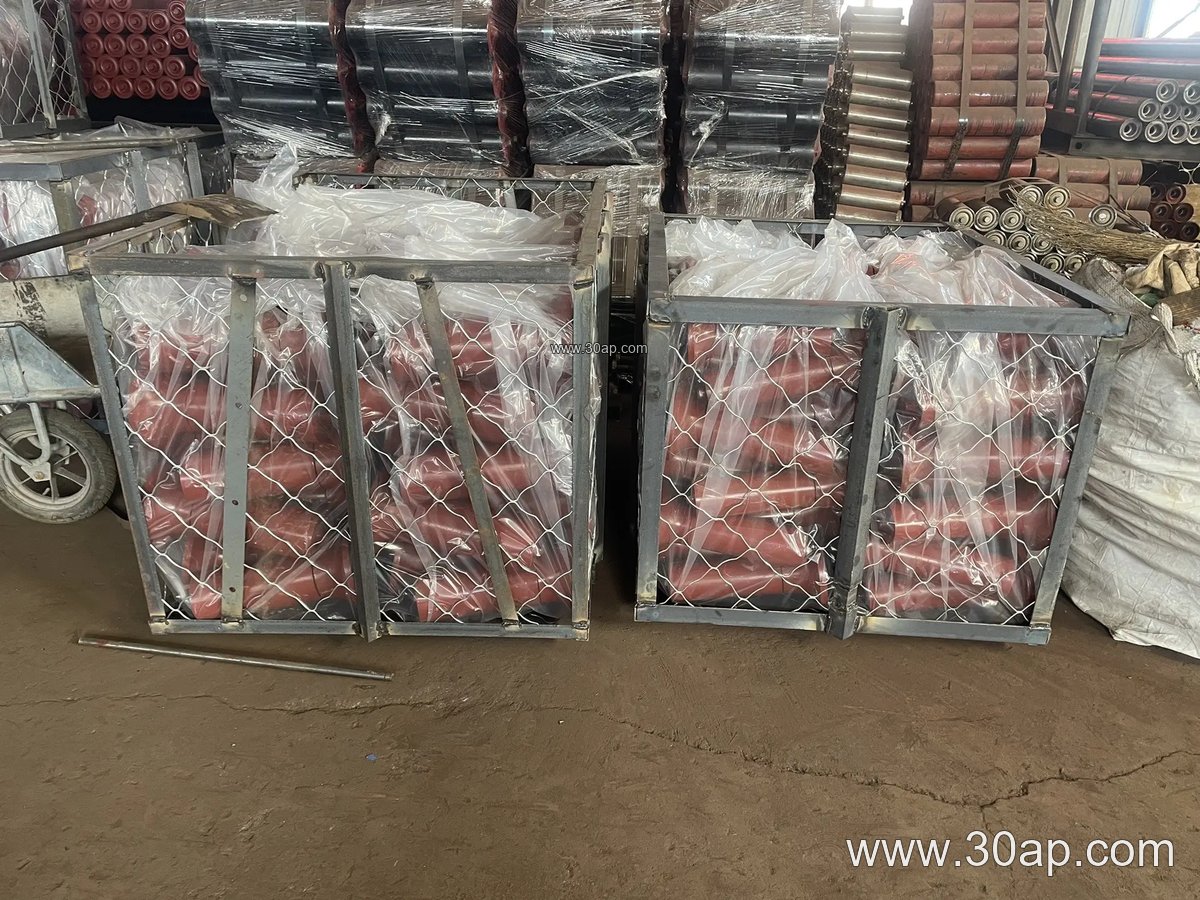
Where Trough Idlers Are Used
Any bulk handling line that runs a fabric or steel cord belt will use troughing idlers. In a limestone quarry or aggregate plant, they carry crushed rock from the crusher to the screening section. In a coal mining operation or washing plant, they support coal on both surface and underground conveyors. Cement plants use them on clinker and raw meal lines, and iron ore or copper ore concentrators rely on them on long overland runs. Port ship-loading systems and steel plant sinter lines are other common homes.
The belt itself matters to idler choice. A heavy-duty mining conveyor belt or an abrasion resistant conveyor belt may be paired with larger roll diameters and thicker shells, while a heat resistant conveyor belt on clinker duty needs attention to bearing grease and seal life. A flame retardant conveyor belt used in underground coal mining is usually specified together with anti-static properties, and the idler frame should suit the same environment.
Reading the Specification Before You Buy
Buyers should confirm belt width, trough angle, roll diameter, roll length, shaft size, bearing type, and frame fixing dimensions. A common mistake is to order a troughing set by belt width alone. Belt width does not fix pulley diameter, shaft diameter, or roll length by itself, so the conveyor drawing or the original idler tag should be checked.
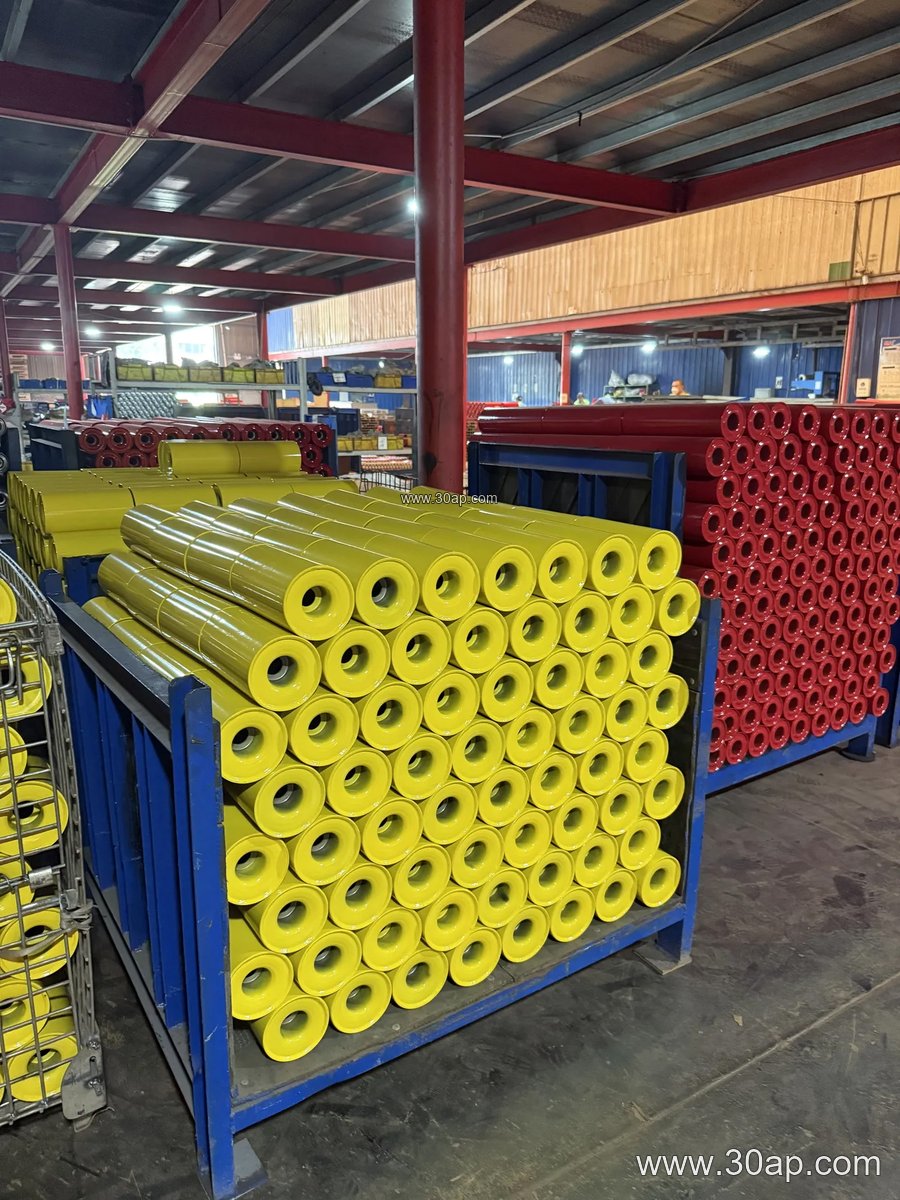
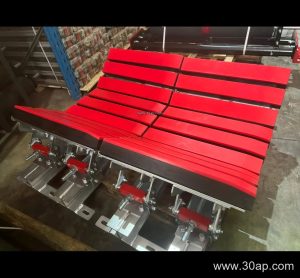
Also decide whether standard carrying idlers are enough or whether impact idlers with rubber rings are needed at the load point, and whether training idlers are required on long or curved sections. Sealing quality deserves close attention in dusty or wet plants, because grit entering the bearing is the usual cause of a seized roller.
Maintenance Notes
Inspect troughing idlers for free rotation, shell wear, and seal condition during routine walks. A roller that stops turning will wear a flat spot into the shell and can damage the belt cover. Keep the frame square to the belt line, and replace worn rolls in complete sets where alignment matters. Spare rolls stored indoors with their seals intact will last far longer than rolls left in an open yard.