What a Conveyor Bracket Quotation Actually Covers
When a maintenance planner or project buyer asks for a conveyor bracket quotation, they are usually pricing the steel frames that hold the idler rollers in position along a belt conveyor. These brackets sit between the conveyor stringer or frame and the roller, so their quotation must describe far more than a price per piece. A useful offer states the bracket type, the belt width it suits, the trough angle, the roller diameter it accepts, the material and the surface finish. Without those details, two quotations that look similar can be for parts that will not fit the same conveyor.
In a quarry or a stone crushing line, a single conveyor may use several bracket families at once. Troughing brackets carry the loaded strand, return brackets support the empty side, and transition or impact brackets appear near the loading point. A quotation that mixes these up will cause installation delays, so the buyer should check each line item against the actual conveyor drawing.
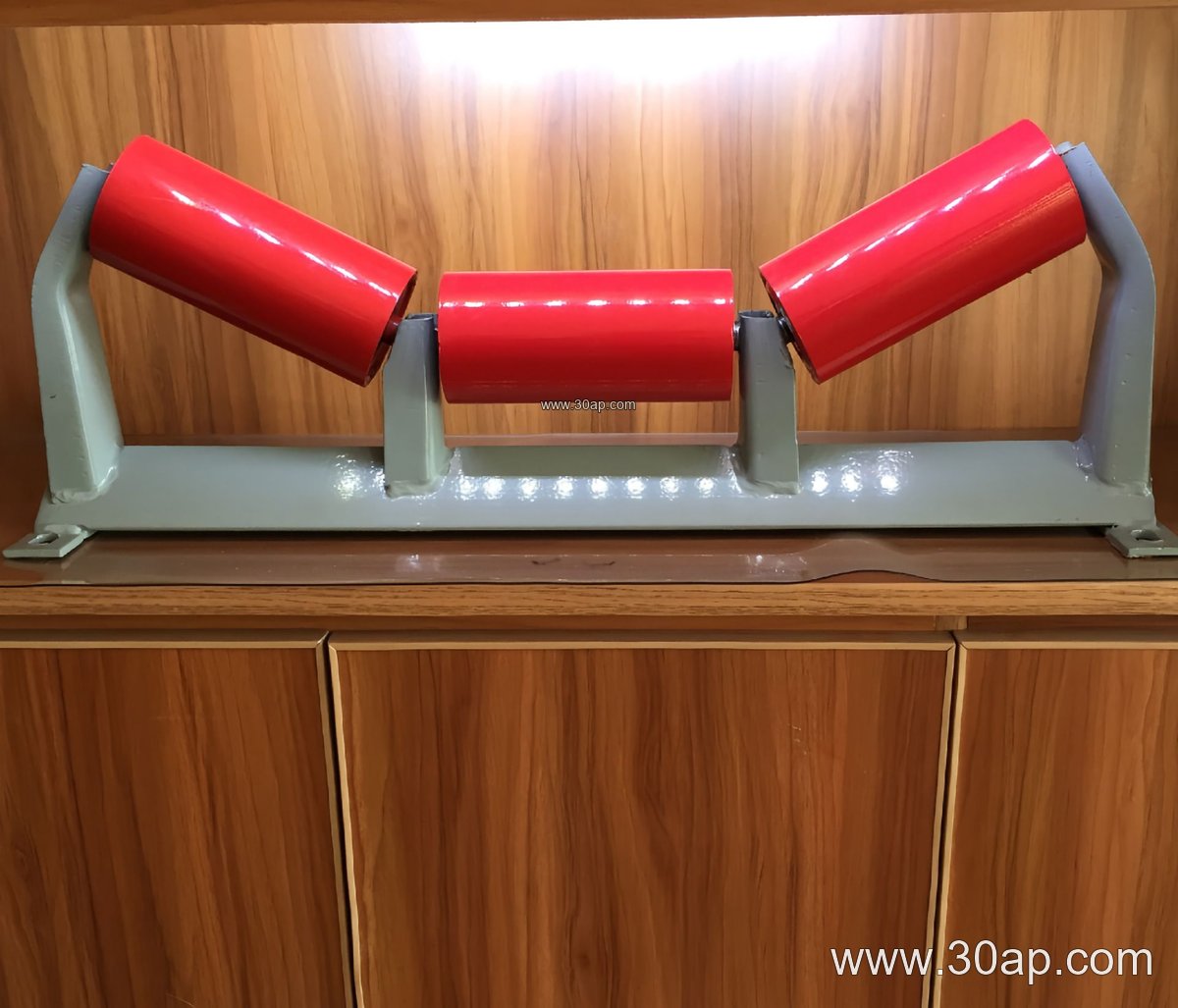
How These Frames Are Built
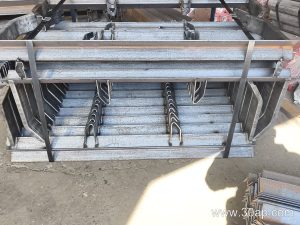
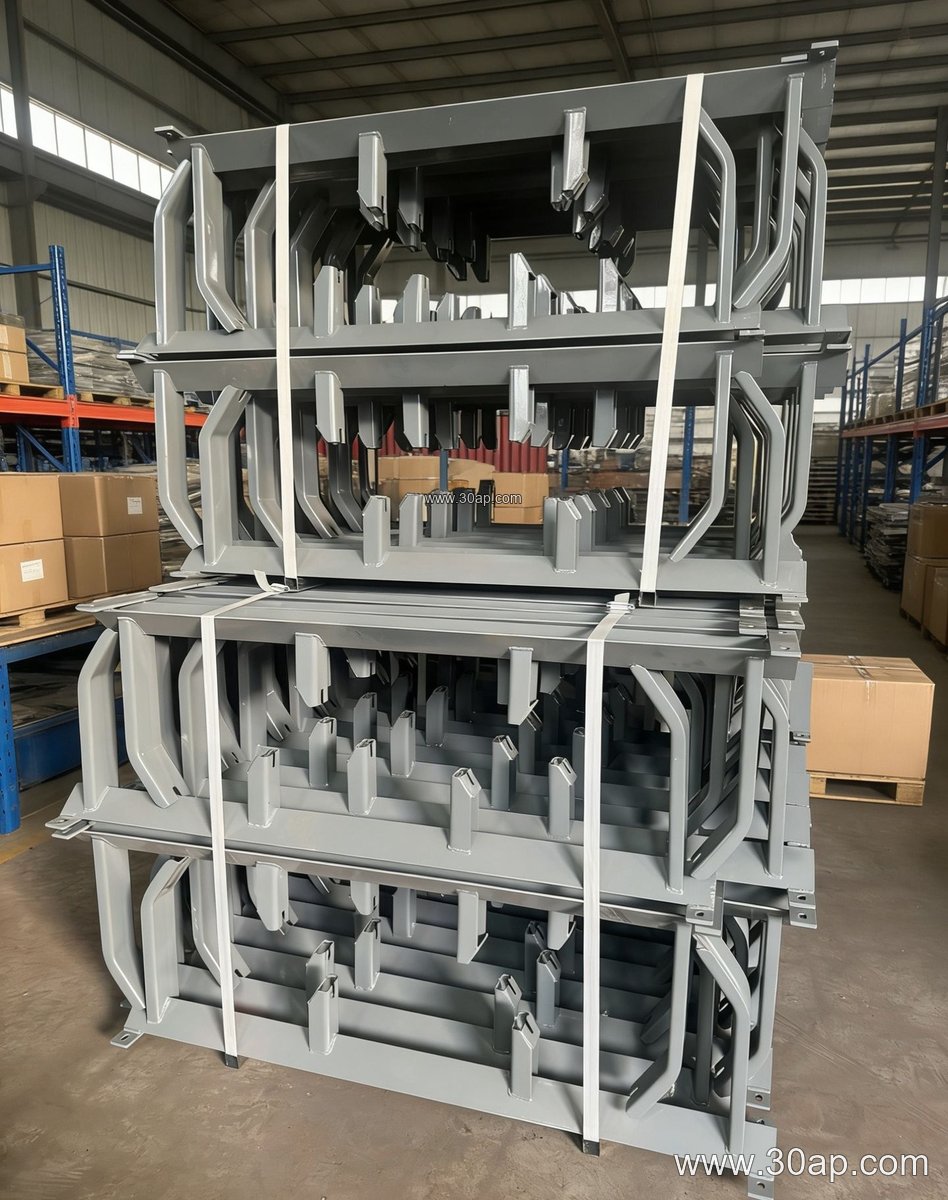
Most conveyor brackets are fabricated from angle steel, channel steel or folded steel plate. The choice affects stiffness and weight rather than appearance. A troughing bracket is normally formed as a set of inclined arms that hold three rollers at a fixed angle, while an adjustable version allows the same frame to be set at different angles during installation.
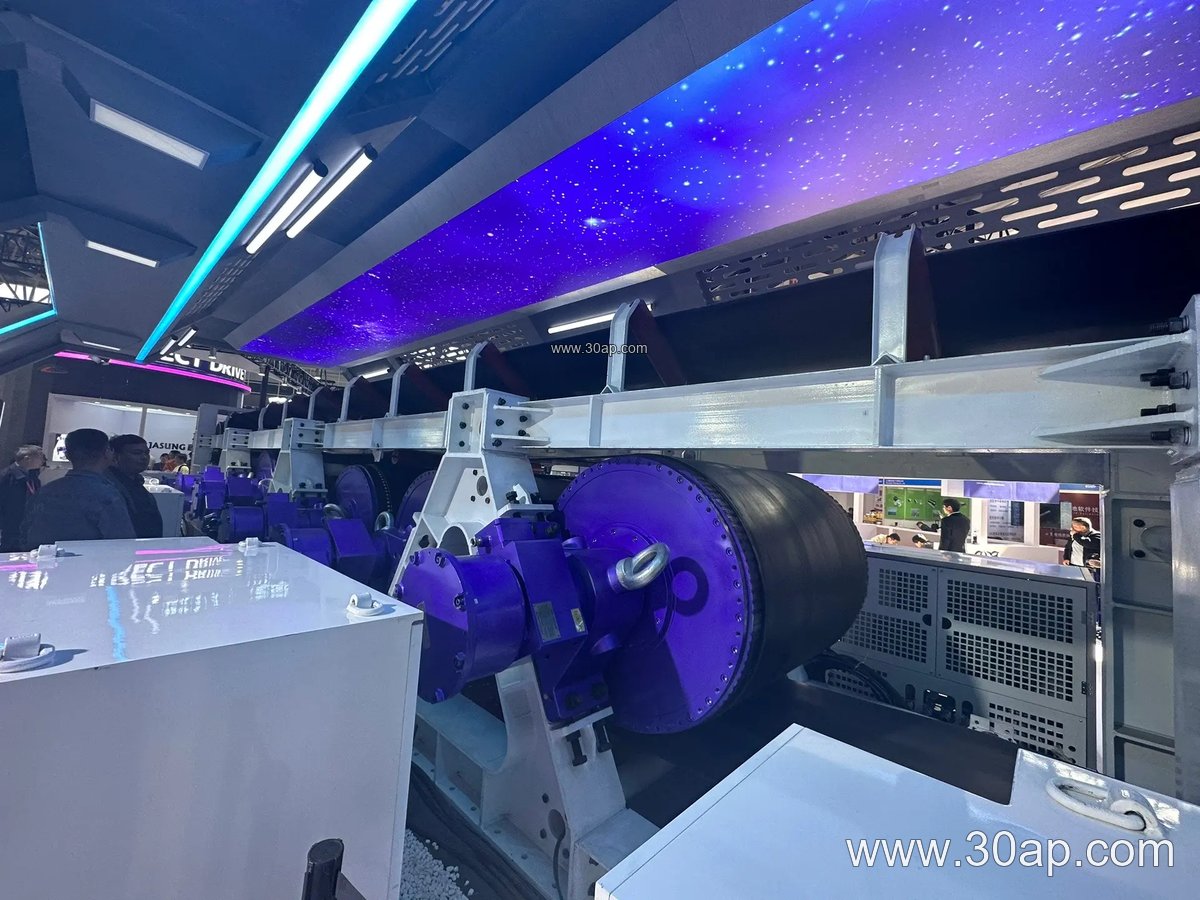
Mounting hole spacing and crossbeam length are not universal. They change with belt width, trough angle and the roller diameter selected for the duty. This is why a quotation should list the belt width and roller diameter together with the bracket type, rather than assuming that one frame fits every conveyor of a given width. A B800 frame at 35 degrees with Ø108 rollers is a common combination, but it is not the only valid one, and a B1200 line at 45 degrees with Ø133 rollers may need a completely different crossbeam.
Common Bracket Types and Reference Dimensions
The table below shows typical reference values used when preparing a quotation. These are indicative ranges, not fixed supply promises, and final dimensions are confirmed by design.
| Bracket Type | Typical Belt Width | Trough Angle | Roller Diameter | Typical Material |
|---|---|---|---|---|
| Troughing bracket (upper) | B500 to B2000 | 20, 30, 35, 45 degrees | Ø89, Ø108, Ø133, Ø159 | Angle or channel steel |
| Transition bracket | B650 to B1800 | 20 to 45 degrees | Ø89 to Ø159 | Folded steel plate |
| Return bracket (flat) | B500 to B2000 | Not applicable | Ø89 to Ø159 | Angle or channel steel |
| V-return bracket | B800 to B2200 | V form | Ø108 to Ø194 | Channel steel |
| Impact bracket | B650 to B1800 | 20 to 45 degrees | Ø108 to Ø194 | Heavy folded plate |
| Self-aligning bracket | B650 to B2000 | 20 to 45 degrees | Ø89 to Ø159 | Angle steel with pivot |
| Adjustable bracket | B500 to B1600 | 20 to 45 degrees | Ø89 to Ø133 | Folded steel plate |
| Suspended bracket | B650 to B1800 | 20 to 45 degrees | Ø89 to Ø159 | Channel steel |
Forward-leaning brackets, sometimes called forward-tilt frames, are usually set at about 1.5 to 2 degrees to help the belt track. Spiral roller brackets and self-aligning frames serve different tracking duties and should not be quoted as if they were the same part.
Where These Brackets Are Used
A cement plant typically uses troughing and return brackets along clinker and limestone conveyors, with impact frames under the crusher discharge. A coal-fired power plant handling fuel through a coal mining conveyor belt system may specify flame retardant covers on the belt and heavy brackets at transfer points. In a limestone quarry or aggregate line, adjustable brackets are helpful during commissioning because the trough angle can be trimmed to suit the material.
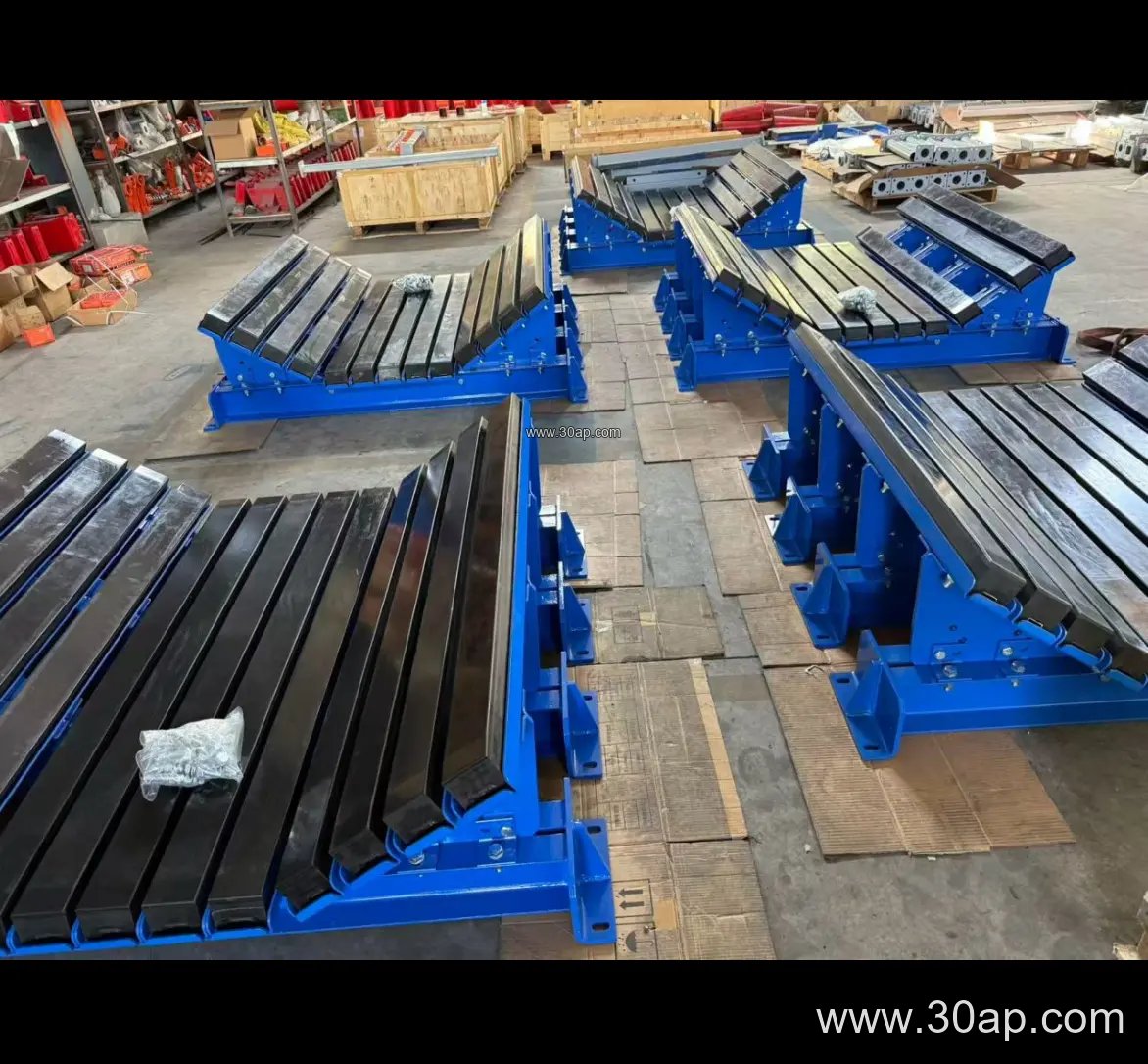
The bracket must match the belt and roller it carries. A wide, heavy-duty belt such as a 1200mm or 1500mm rubber conveyor belt needs a stiffer frame than a narrow package line, and the roller diameter influences the bracket height. Buyers working with EP1000 or EP1250 fabric core belts should state the belt width and tension rating so the supplier can recommend an appropriate frame.
What to Check Before Approving a Quotation
- Bracket type and mounting position are listed for every line item, not just a general description.
- Belt width, trough angle and roller diameter appear together, so compatibility is clear.
- Material and finish are stated, since galvanized and painted frames behave differently in wet or dusty service.
- Hole spacing and crossbeam length are confirmed against the conveyor drawing rather than assumed.
- Quantities include spares for transition and impact zones, where wear is usually faster.
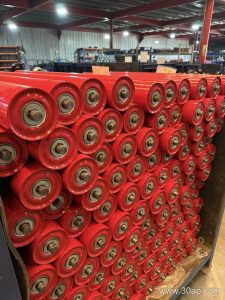
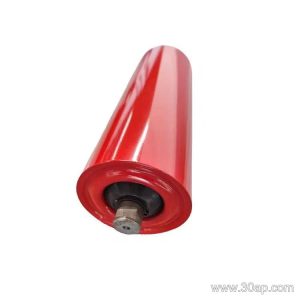
A complete quotation also states packing, delivery terms and the drawing revision it is based on. For a mine or port project, the buyer should confirm that the bracket suits the same roller series used across the conveyor, including any idler roller supplied separately. Getting these details right at quotation stage is cheaper than correcting them during shutdown.