What an Ore Conveyor Pulley Does on a Bulk Handling Line
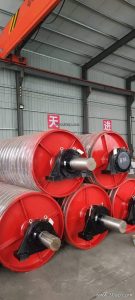
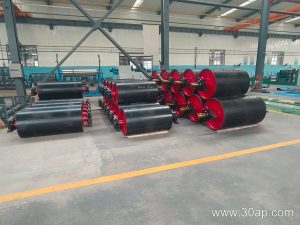
An ore conveyor pulley is the rotating drum that turns a belt loop, carries the belt tension, and transfers drive torque at the head of a conveyor. In hard rock mining, a quarry, or a copper concentrator, the pulley is often the component that sets the belt tracking and the service life of the whole line. The same drum is frequently called an ore conveyor drum pulley or a head drum, depending on which plant standard is in use, but the core function stays the same: grip the belt, keep it centered, and survive a dusty, abrasive environment.
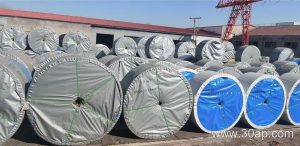
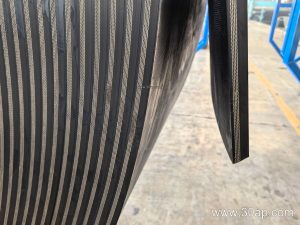
Because ore is heavy and often sharp, the pulley has to work together with an Ore Conveyor Belt that can take impact and abrasion. A poor match between drum and belt surface is one of the most common reasons for slippage and edge wear in crushing and screening plants.
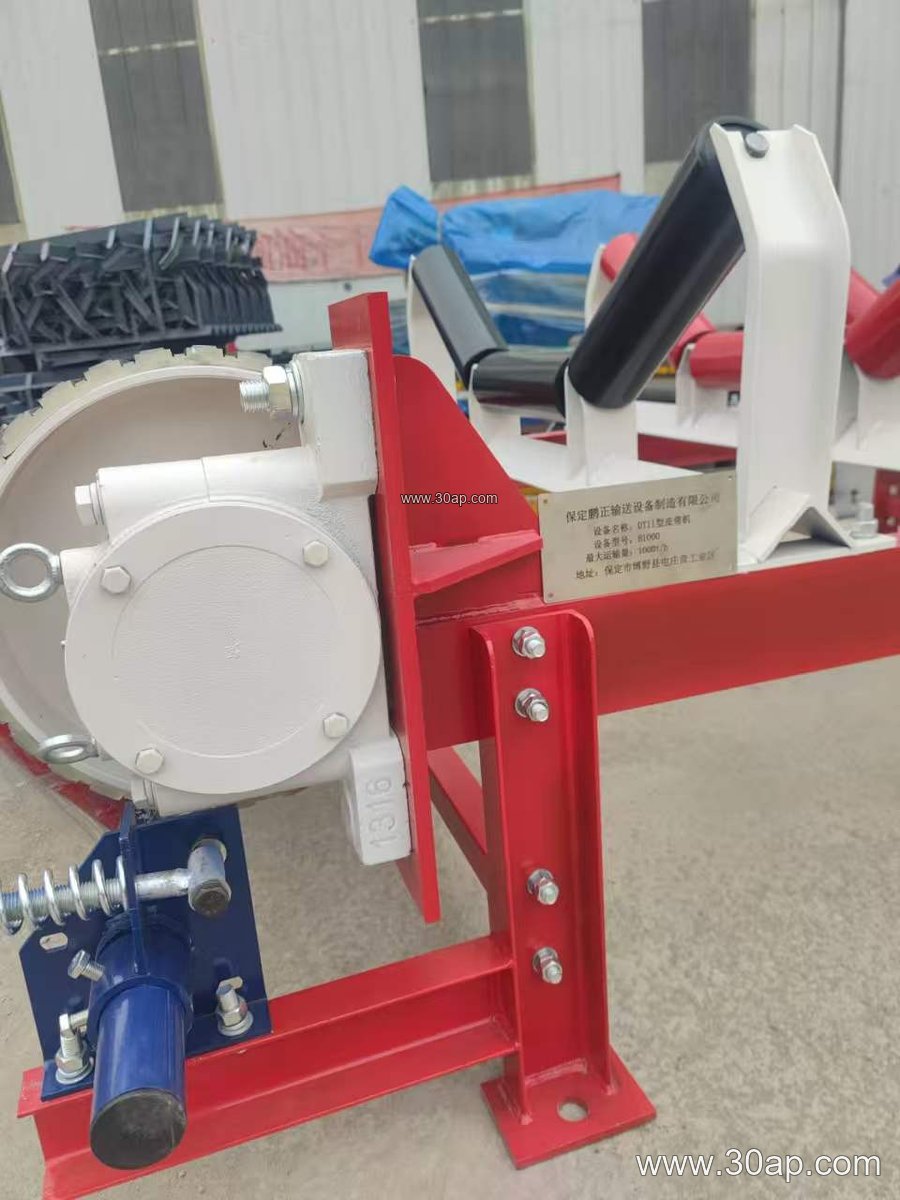
How the Pulley Is Built
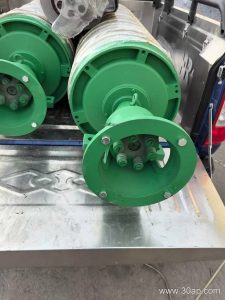
Most industrial ore conveyor pulleys use a welded steel shell, a shaft sized by torque and radial load, and end discs that tie the shell to the hub. The shell is machined so the belt runs true, and the surface is then finished in one of several ways. The shaft diameter is never chosen from belt width alone; it follows the drive torque, the belt tension, and the bearing span. Common shaft sizes include Ø50, Ø80, Ø120, Ø160, and Ø200 mm, but the final value is always a design decision.
- Plain shell for non-drive positions where friction is not critical.
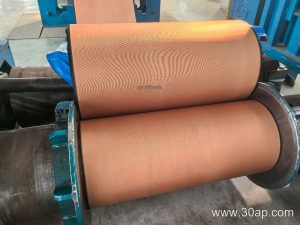
- Rubber lagging applied by hot vulcanizing or cold bonding to raise friction and protect the shell.
- Diamond or herringbone lagging to improve grip and help shed water and fines.
- Ceramic lagging for high-torque drives on abrasive ore.
Lagging thickness is commonly 8, 10, 12, 15, or 20 mm. The drum face width is usually a little wider than the belt, for example about 1150 mm for B1000 or about 1400 mm for B1200, so the belt is supported across its full width.
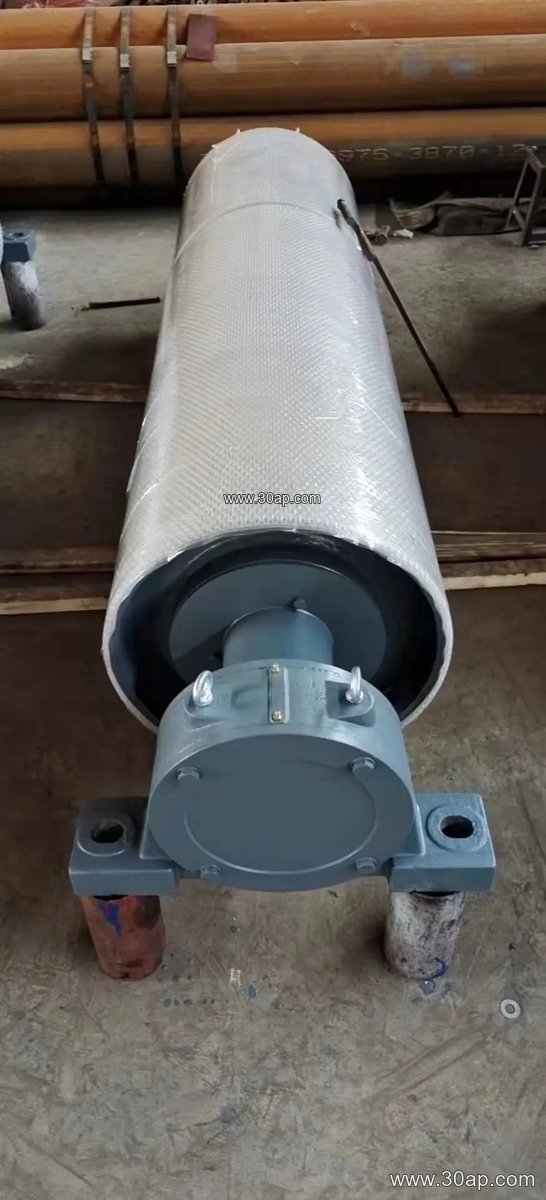
Where It Fits in the Conveyor Layout
Position matters as much as construction. At the head, a drive pulley transmits power and must have enough lagging friction to avoid slip under starting torque. At the tail, a tail pulley guides the return belt and often works with a conveyor pulley take-up to hold tension. A bend pulley changes belt direction without driving, and a snub or pressure pulley increases wrap angle on the drive drum.
In a coal preparation plant or a power plant coal yard, a flame retardant conveyor belt is typical, and the pulley lagging must be selected for the same fire and static requirements. In a limestone quarry or an aggregate line, an abrasion resistant conveyor belt paired with ceramic or diamond lagging usually gives a longer service interval. A steel cord conveyor belt on a long overland run needs a large diameter drum to limit bending stress in the cords, while a fabric core conveyor belt can often run on a smaller drum.
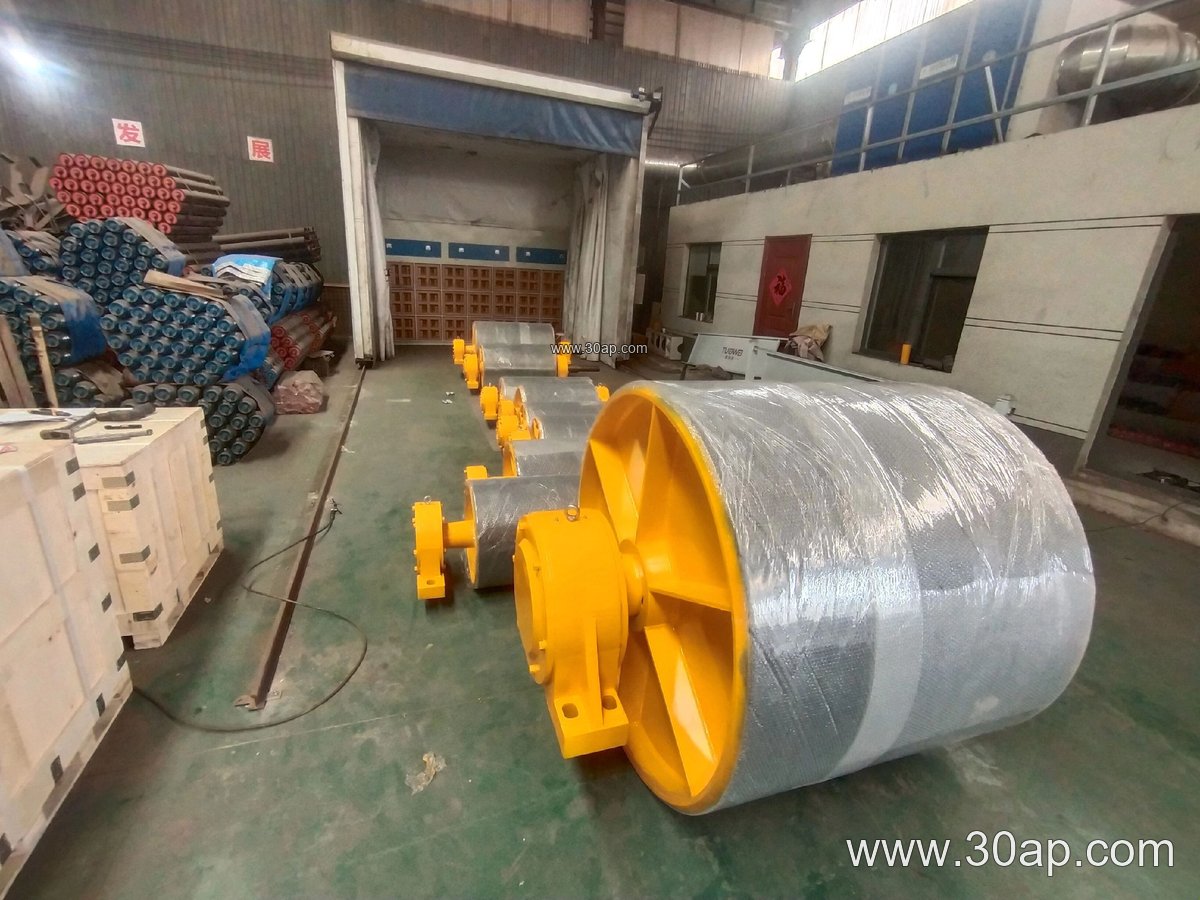
Common Reference Dimensions
The table below shows typical combinations used in specification discussions. These are reference values, not a fixed rule, and the final geometry is confirmed by the conveyor designer.
| Belt width | Typical pulley face width | Reference diameter examples |
|---|---|---|
| B400 | about 500 mm | Ø200, Ø250 |
| B500 | about 600 mm | Ø250, Ø315 |
| B650 | about 750 mm | Ø315, Ø400 |
| B800 | about 950 mm | Ø400, Ø500 |
| B1000 | about 1150 mm | Ø500, Ø630, Ø800 |
| B1200 | about 1400 mm | Ø630, Ø800, Ø1000 |
| B1400 | about 1600 mm | Ø800, Ø1000, Ø1250 |
| B1600 | about 1800 mm | Ø1000, Ø1250, Ø1400 |
| B1800 | about 2000 mm | Ø1250, Ø1400, Ø1600 |
Note that one belt width can match several diameters. A B1200 line may use a Ø800 tail pulley and a Ø1000 drive pulley in the same conveyor, and that is normal.
Buyer Checklist Before Ordering
- Confirm the duty: drive, tail, bend, take-up, or snub. These are not interchangeable, and each has different load and surface requirements.
- State the belt type and tension so the shaft and bearing can be sized correctly.
- Choose lagging for the material: ceramic for sharp iron ore, diamond rubber for wet coal, plain for light duty.
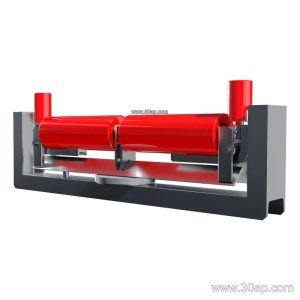
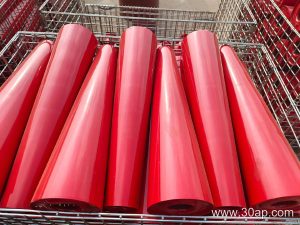
- Check the interface with the conveyor bracket and the idler roller frame so the drum aligns with the belt line.
- Ask for the balancing grade and the runout tolerance, since a poorly balanced drum shortens bearing life.
For more on matching drums with EP Conveyor Belt and Steel Cord Conveyor Belt systems, review the full conveyor layout rather than the pulley alone. A correctly specified ore conveyor pulley, protected by suitable lagging and paired with the right belt, keeps a crushing circuit, a cement plant, or a port bulk terminal running with fewer stoppages.