What a Heavy-Load Idler Is
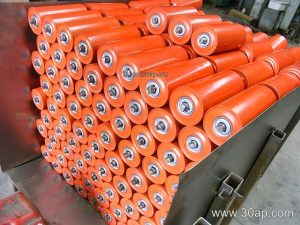
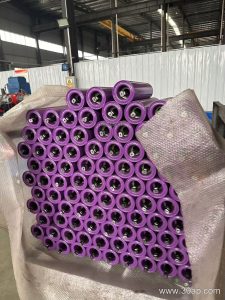
A heavy-load idler is a conveyor idler roller engineered to carry high belt tension and heavy material loads without premature wear. Unlike standard idlers, it uses thicker shells, larger shaft diameters, and reinforced bearing housings to handle the stress of continuous operation in mines, quarries, and bulk terminals. This idler roller is often specified for the loading zone and main carrying run where impact and weight are greatest. While a conveyor pulley drives or redirects the belt, the heavy-load idler supports it along the route, and the two perform distinct functions that should not be confused.
Construction and Key Components
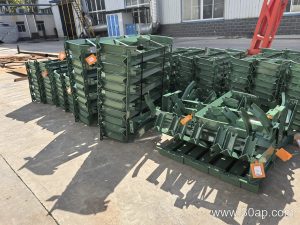
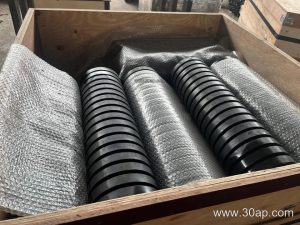
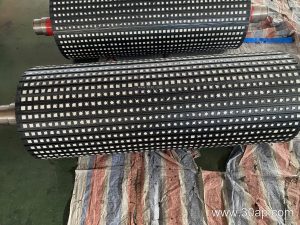
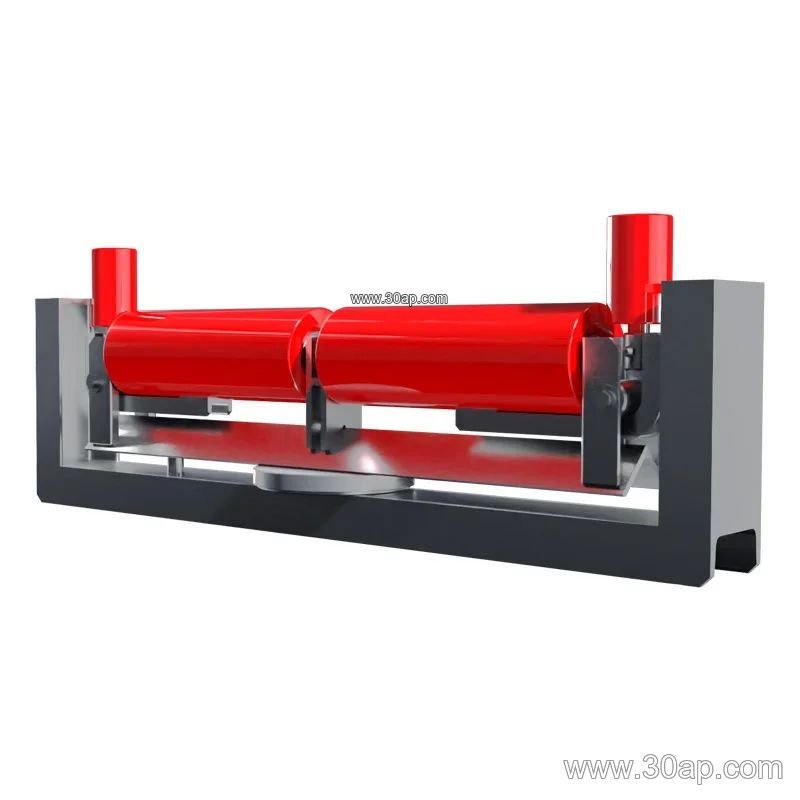
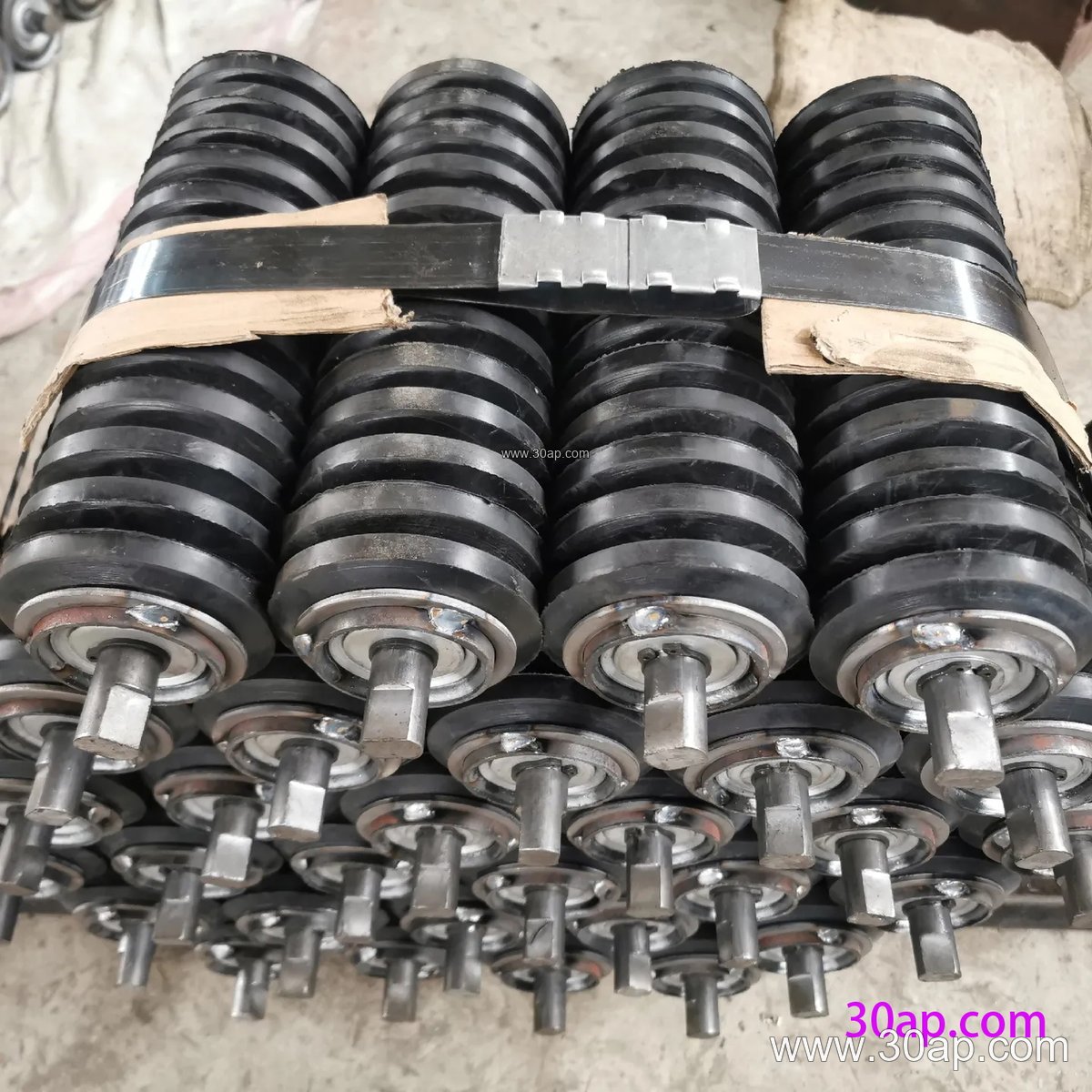
Heavy-load idlers typically feature a seamless steel tube shell with wall thickness greater than general-purpose rollers. The shaft is machined from round bar and may be stepped to accept larger bearings. Bearing housings are welded or press-fitted with multiple seals to keep out dust and water. Common roller diameters for heavy-duty service include Ø127, Ø133, Ø159, Ø178, and Ø219 mm, with shaft and bearing combinations selected according to load calculations. Bearing sizes such as 6305, 6306, 6308, and 6310 are frequently used, but no single bearing is tied to one roller diameter. Surface options include plain steel, rubber discs for impact absorption, and ceramic lagging for abrasive environments.
Where Heavy-Load Idlers Are Used
These idlers are common in coal mining conveyor systems, iron ore handling, cement plant raw material lines, and power plant coal yards. In a typical underground mining conveyor, heavy-load idlers support the belt at the transfer point and along the main haul. In a quarry conveyor line, they carry crushed rock after the primary crusher. The heavy-load idler also appears in ship loading conveyors and stockyard systems where large tonnages move continuously. For abrasive bulk material, pairing these idlers with an abrasion resistant conveyor belt helps extend the service life of the entire conveyor system. In high-temperature zones such as cement kiln feed lines, a heat resistant conveyor belt may be used alongside heat-tolerant idler bearings.
Matching Idler to Belt and Conveyor Design
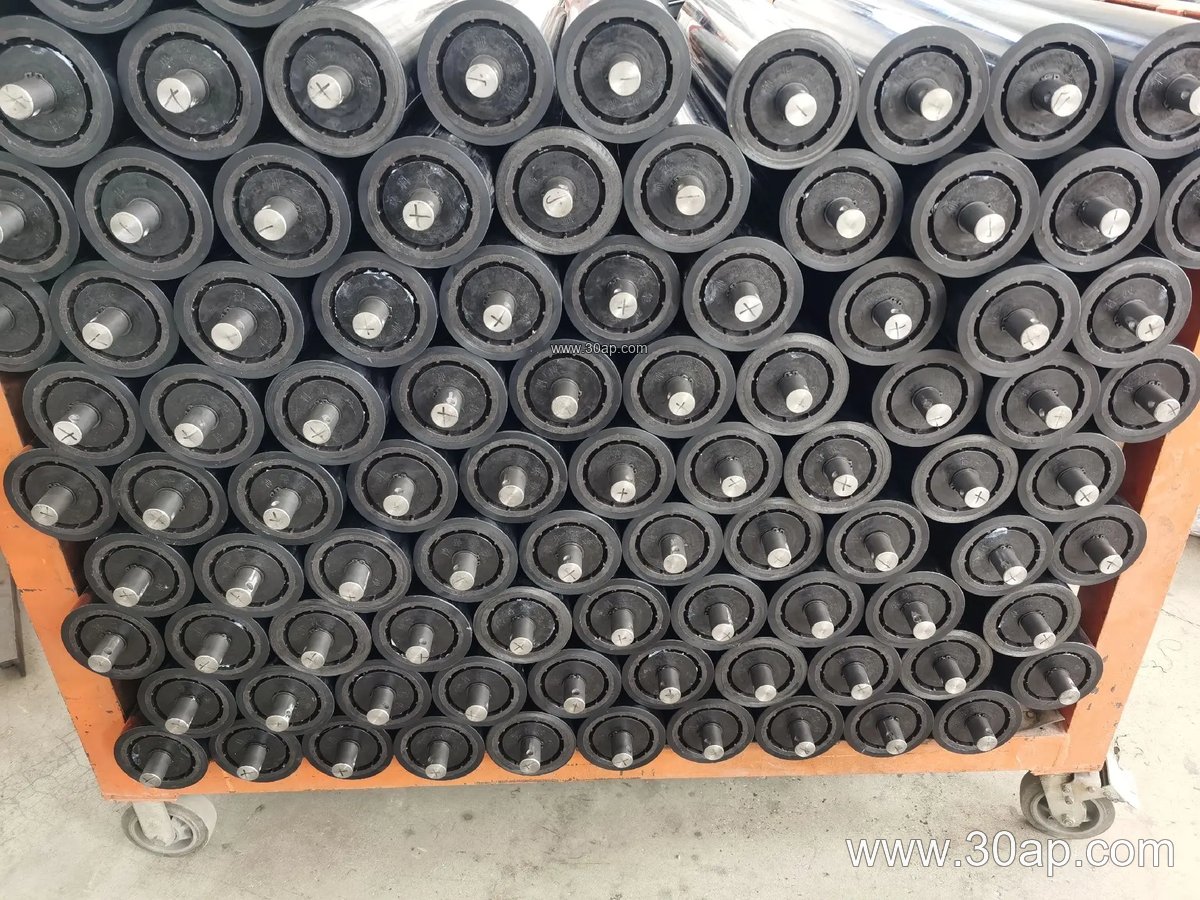
Selecting a heavy-load idler requires more than choosing a roller diameter. The belt width, trough angle, and idler arrangement determine the roller length and mounting dimensions. Common belt widths range from B650 to B2000, and trough angles of 30, 35, and 45 degrees are typical. For a three-roll troughing set, roller length changes with belt width; for example, B800 often uses about 315 mm rollers, B1200 about 465 mm, and B1600 about 600 mm. These are common examples, not fixed rules, and side rollers may differ from center rollers. The conveyor bracket and frame must match the idler drop-in dimensions. A heavy-load idler is not a substitute for a drive pulley, tail pulley, or bend pulley, which serve different roles in belt traction and direction change.
Buyer Checklist
- Confirm the actual load per idler station, including material weight and belt tension.
- Specify roller diameter, shell thickness, and bearing size based on engineering calculations, not guesswork.
- Choose the seal type for the environment: dusty, wet, or washdown.
- Check that the idler matches the conveyor bracket and frame mounting.
- For abrasive or high-impact service, consider rubber-disc or ceramic-covered rollers.
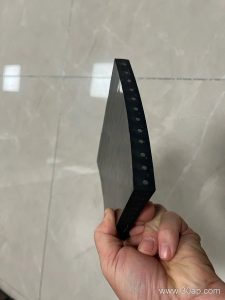
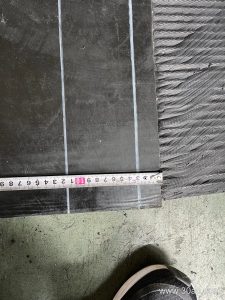
- Review the conveyor belt specification, such as EP conveyor belt or steel cord conveyor belt, to ensure compatible load support.
Maintenance and Long-Term Reliability
Heavy-load idlers last longer when aligned properly and inspected for seized bearings or worn shells. In coal mining conveyor belt systems, a flame retardant conveyor belt is often required, and idler selection should consider the same fire-safety context. Regular checks of roller rotation and seal condition prevent belt damage and reduce downtime. Because heavy-load idlers carry the highest stresses in the conveyor, they deserve a specification review whenever throughput or material changes. At www.xinrui.com, heavy-load idler and conveyor belt inquiries can be matched to the actual duty.