What a Ceramic Lagged Pulley Does
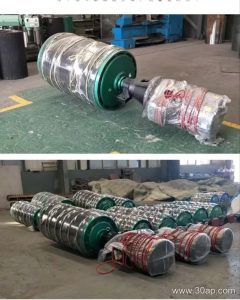
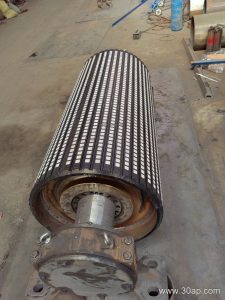
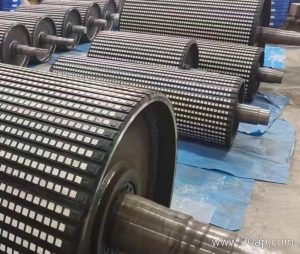
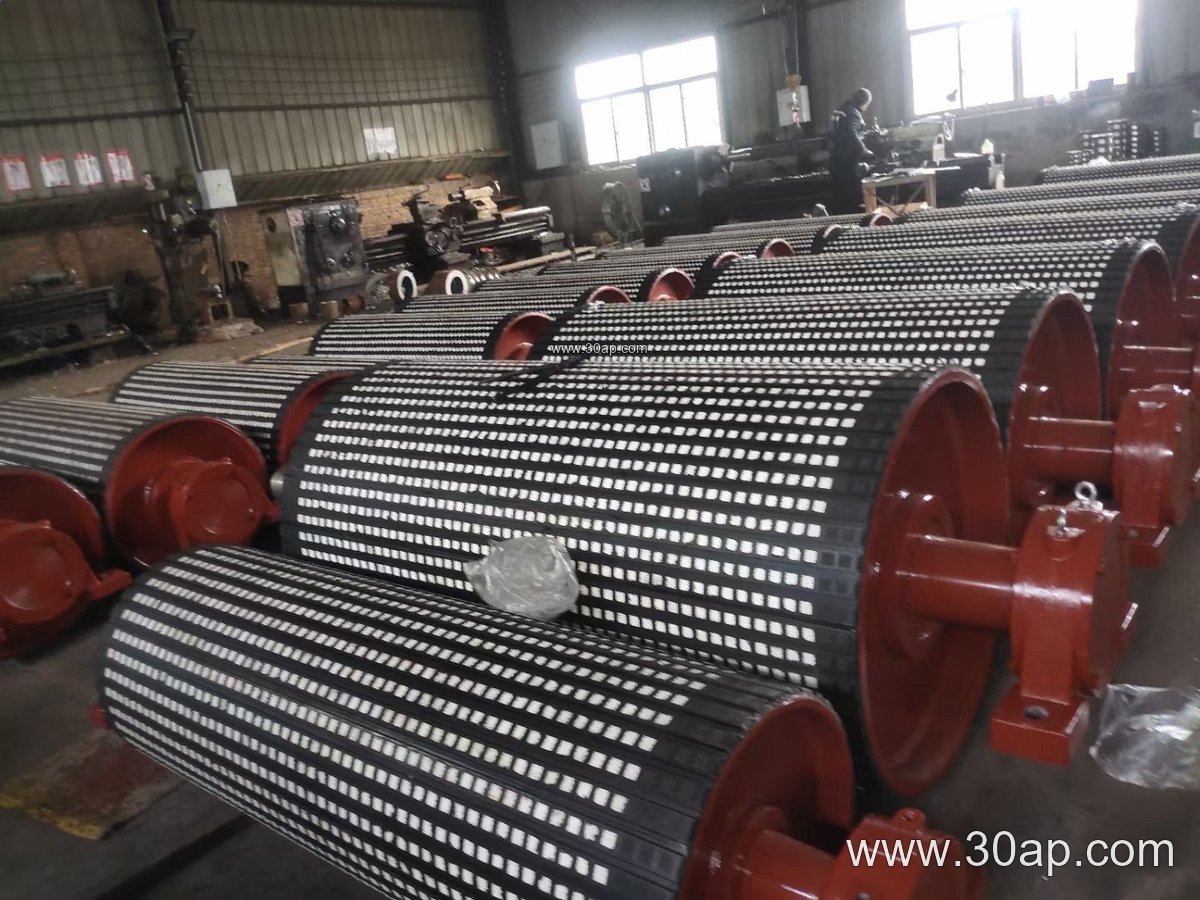
A ceramic lagged pulley is a conveyor pulley whose outer surface is covered with ceramic tiles set into a rubber or polymer backing. This ceramic lagging is designed to raise the coefficient of friction between the pulley and the conveyor belt, which helps maintain traction in demanding bulk handling operations. Unlike a plain steel drum, the ceramic surface resists wear and polishing, so grip stays more consistent over time. You will find this type of pulley in mines, cement plants, power stations, quarries and aggregate lines where belts carry heavy or abrasive loads.
The product is also called a ceramic rubber lagged pulley, and both names refer to the same item. It is not a drive pulley, tail pulley or bend pulley by definition—it can serve in any of those positions depending on the conveyor design. For example, a drive pulley with ceramic lagging is common on high-torque head drives, while a tail pulley may use ceramic lagging to reduce slip and build-up. The ceramic tiles are the distinguishing feature, not the pulley’s location.
Construction and Surface Options
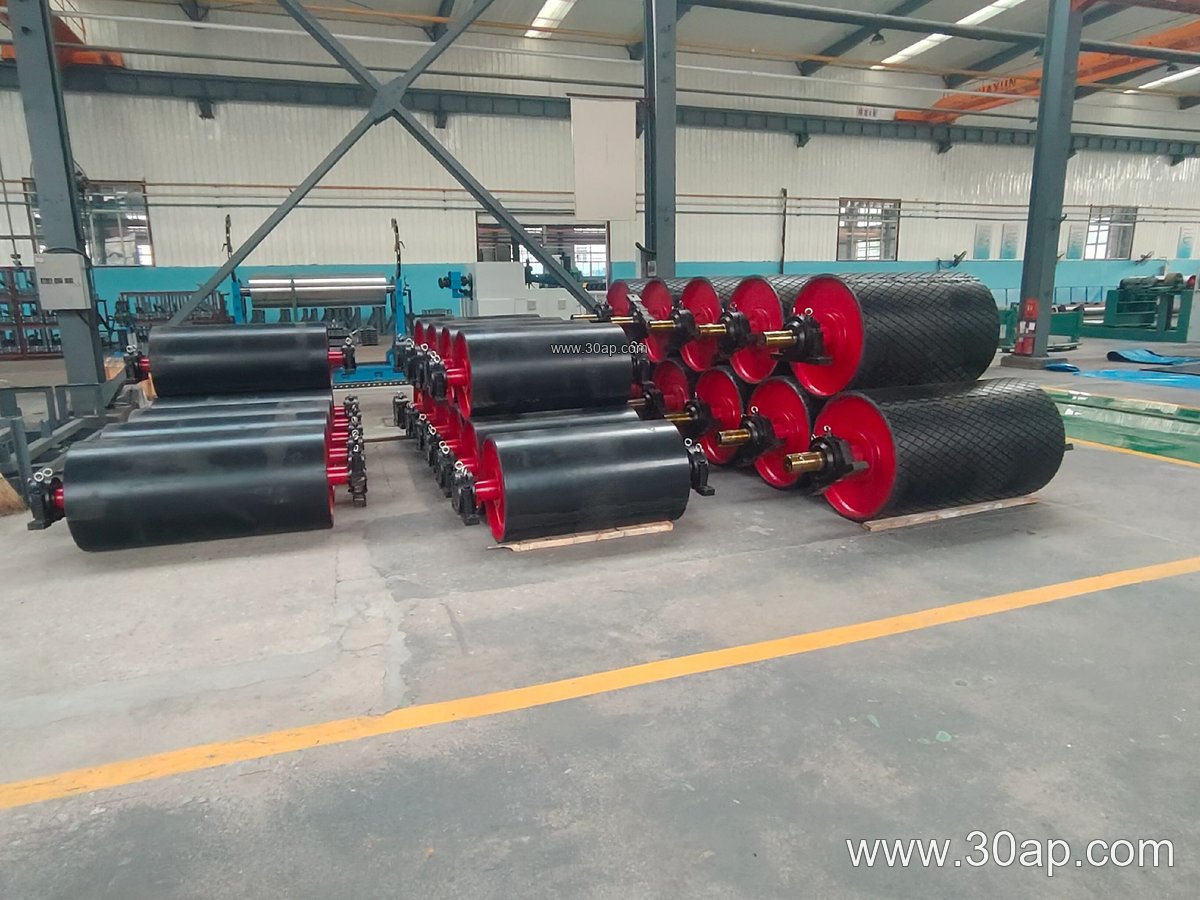
Ceramic lagging is typically bonded to the pulley shell in one of two ways: tiles embedded in a rubber sheet that is then vulcanized or cold-bonded to the drum, or tiles set into a cast polymer layer. The tiles are usually small, with a raised pattern that helps channel water and fines away from the contact zone. Common lagging thicknesses are 8, 10, 12, 15 and 20 mm, and the ceramic pattern may be flat, diamond or herringbone. The pulley shell itself is welded steel, machined for balance and fitted with shafts and bearing housings.
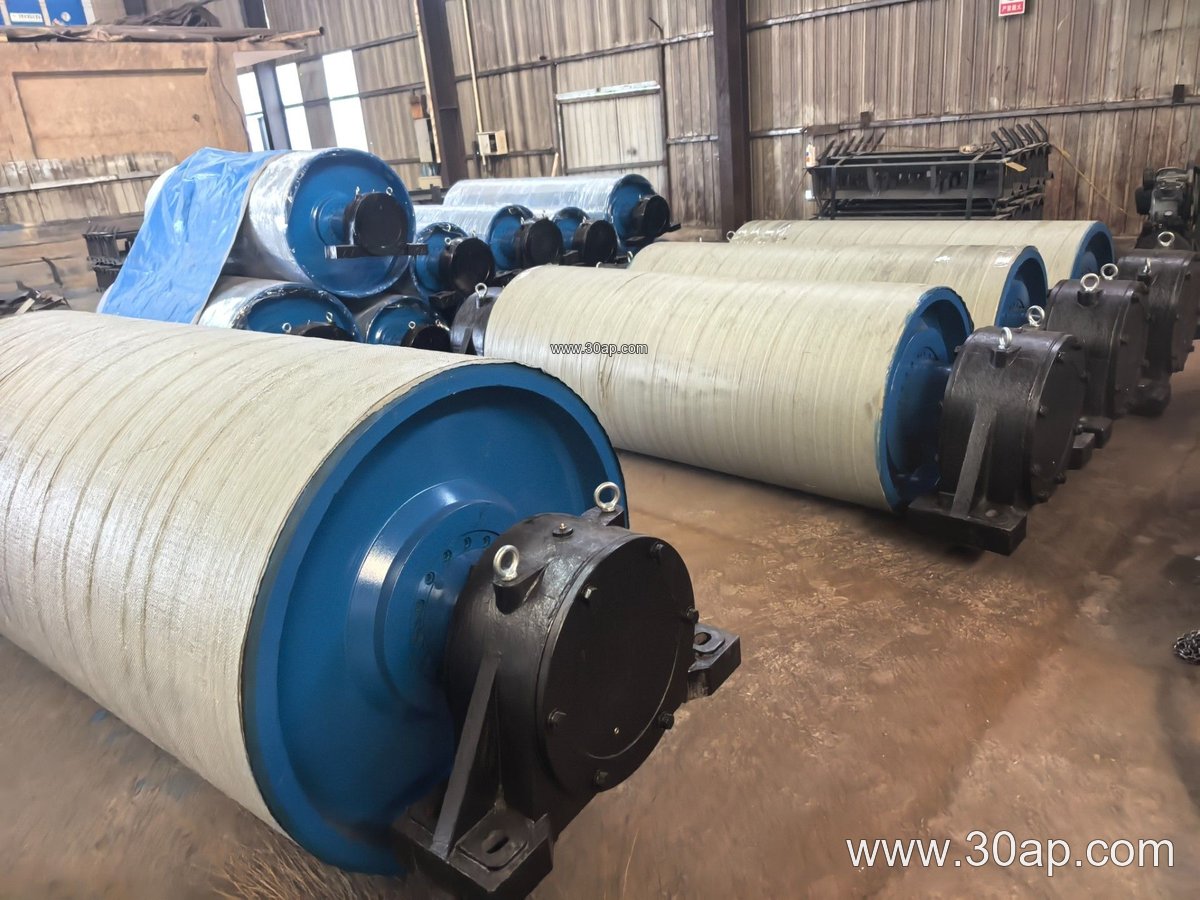
When selecting a ceramic lagged pulley, buyers should consider belt width, pulley diameter, shaft size and the duty cycle. The table below shows typical reference combinations, but these are examples only—final dimensions are set by the conveyor designer based on torque and load. Note that a belt width does not dictate a single pulley diameter, and shaft diameter should never be guessed from belt width alone.
| Belt Width (mm) | Pulley Face Width (approx. mm) | Common Diameter Range (mm) | Lagging Thickness (mm) |
|---|---|---|---|
| B500 | 600 | Ø250–Ø400 | 8–12 |
| B650 | 750 | Ø315–Ø500 | 10–15 |
| B800 | 950 | Ø400–Ø630 | 10–15 |
| B1000 | 1150 | Ø500–Ø800 | 12–20 |
| B1200 | 1400 | Ø630–Ø1000 | 15–20 |
| B1400 | 1600 | Ø800–Ø1250 | 15–20 |
These figures are for general guidance. A heavy-duty mining conveyor belt may require a larger shaft and bearing assembly than a light-duty aggregate line with the same belt width.
Where Ceramic Lagging Pays Off
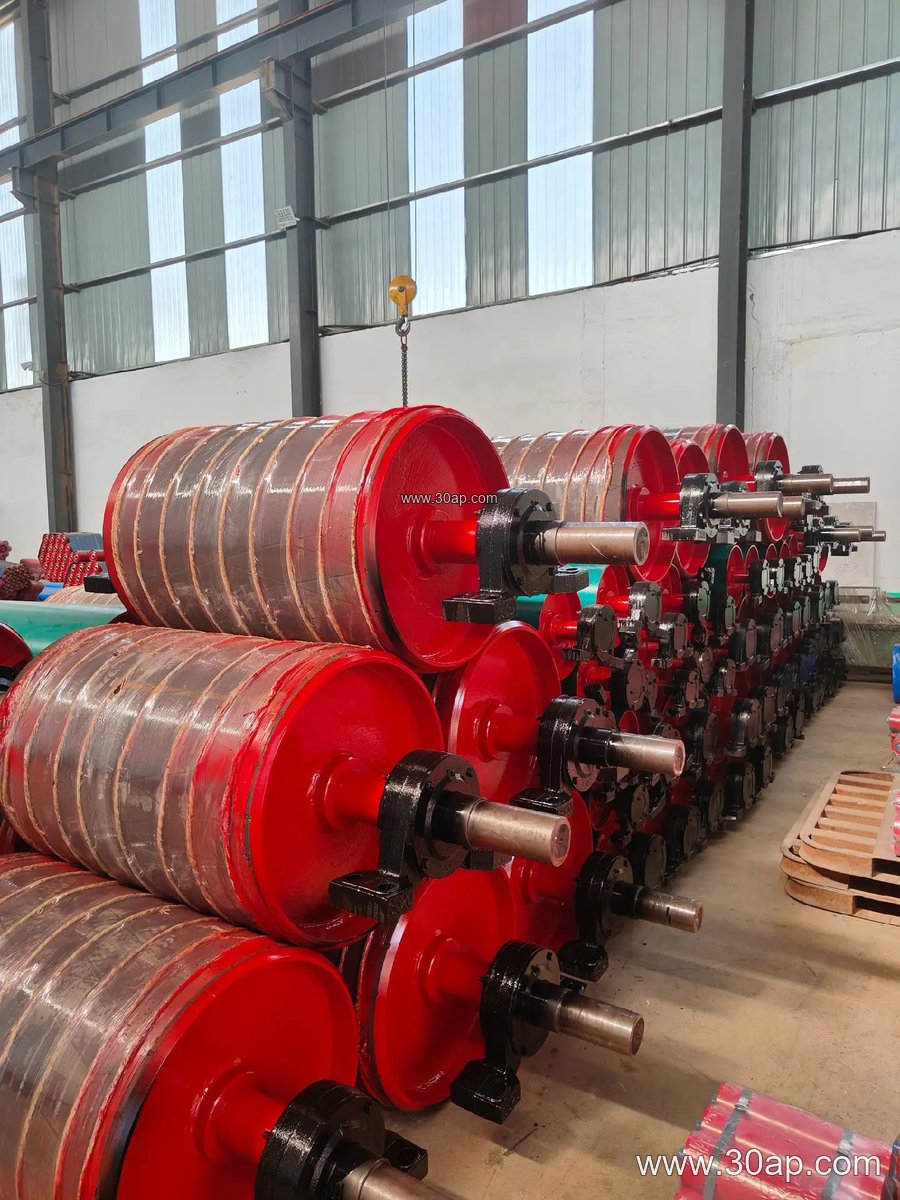
Ceramic lagged pulleys are often chosen for head drives and tension positions in wet, muddy or dusty conditions. In a coal washing plant or a limestone quarry, fines and moisture can reduce friction on a standard rubber lagged pulley; the ceramic surface helps maintain grip and sheds material. In power plant coal handling and cement clinker transport, the pulley must resist abrasion from the belt and from carryback. A ceramic lagged pulley is also useful on inclined conveyors where slip would cause belt damage or production stops.
The pulley works with the conveyor belt, idler roller and conveyor bracket as part of the whole system. If the belt is a steel cord conveyor belt or a heavy-duty fabric core type, the drive pulley must transmit high torque without slipping. Ceramic lagging supports that requirement, but it should be matched to the belt cover grade and the environment. For example, an abrasion resistant conveyor belt paired with ceramic lagging can extend service life in a crusher discharge application.
Buyer Checklist
- Confirm the pulley position: drive, tail, bend or take-up. A ceramic lagged pulley can be supplied for any of these, but the design loads differ.
- Check belt width and pulley face width: the face is usually wider than the belt—for instance, B800 often uses a 950 mm face.
- Review lagging thickness and pattern: 10–15 mm is common for medium duty; 20 mm may be specified for high-wear drives.
- Verify shaft and bearing size: shaft diameter is determined by torque and load, not by belt width.
- Consider the conveyor environment: wet, oily or dusty conditions may favor ceramic lagging over plain rubber or diamond rubber.
For a reliable quotation, provide the belt width, pulley diameter, shaft size, lagging thickness and the conveyor’s operating conditions. A ceramic lagged pulley is an investment in traction and uptime, especially where standard lagging wears too quickly.