What an Underground Conveyor Belt Is
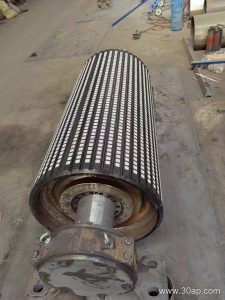
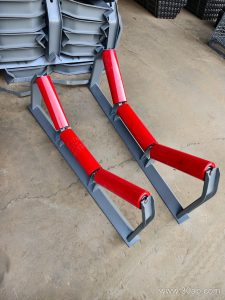
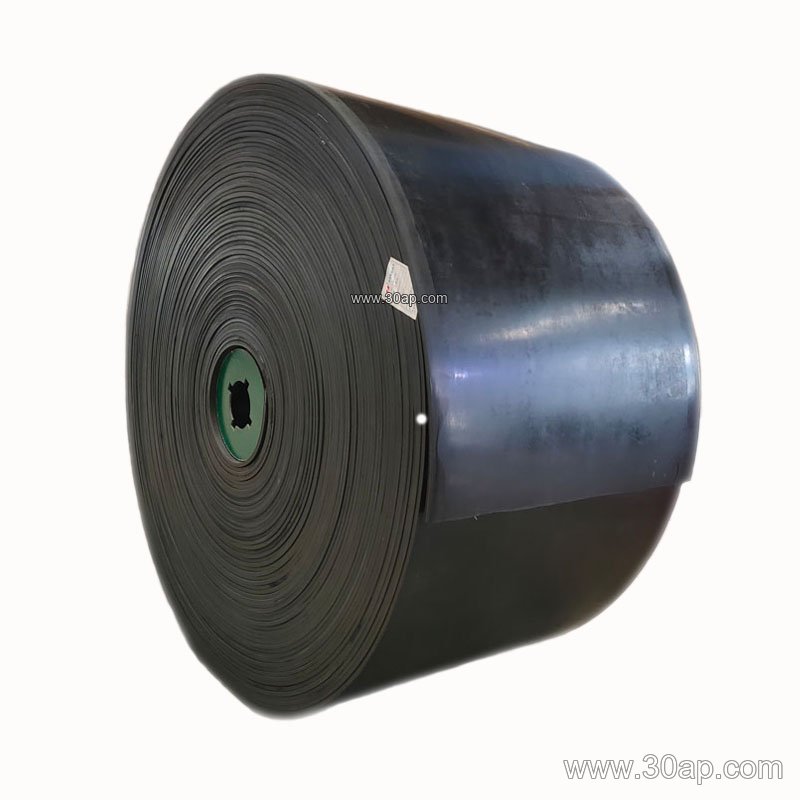
An underground conveyor belt is the continuous load-carrying element of a conveyor system installed in mines, tunnels and other below-grade operations. It runs over a frame that supports idler rollers, a drive pulley, a tail pulley and bend pulleys, and it moves coal, ore, rock, aggregate or spoil from the working face to the surface or to a transfer point. Because the belt operates in confined, often wet and dusty spaces, its construction and cover compounds are chosen for safety and durability rather than for general light-duty conveying.
Construction and Common Constructions
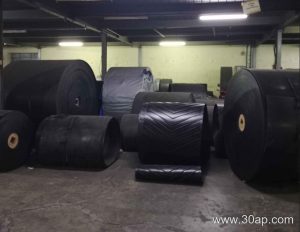
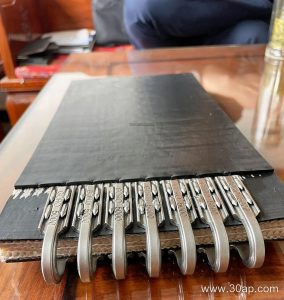
The belt is a composite: a tension-bearing carcass, top and bottom cover rubber, and edge protection. The carcass may be fabric core, such as EP conveyor belt or NN conveyor belt, or steel cord. Multi-ply fabric core designs are common where flexibility around small pulleys matters, while steel cord conveyor belt is chosen for long runs and high tension. Cover rubber grades address abrasion, heat, oil, flame and static, and the compound is usually matched to the material being carried.
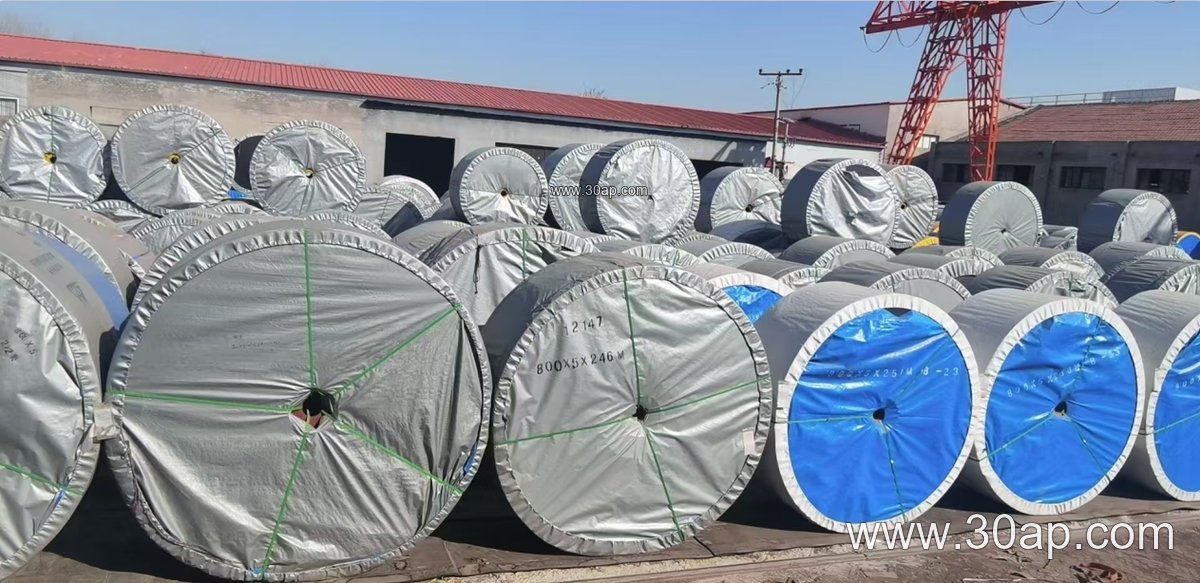
Reference data for specification discussions
The values below are typical reference ranges, not fixed supply promises. Final dimensions follow the conveyor design.
| Parameter | Common reference values |
|---|---|
| Belt type | EP, NN, steel cord, PVC, PVG, chevron, corrugated sidewall, pipe |
| Fabric strength grades | EP200, EP315, EP400, EP500, EP630, EP800, EP1000, EP1250, EP1600, EP2000 |
| Steel cord grades | ST1000, ST1250, ST1600, ST2000, ST2500, ST3150 |
| Belt width | B500, B650, B800, B1000, B1200, B1400, B1600, B1800, B2000 |
| Cover thickness (top + bottom) | 3+1.5, 4+2, 5+2, 6+2, 8+3 mm |
| Carcass plies | Usually 2 to 6 fabric plies |
Where It Is Used
Underground coal mining conveyor belt and underground mining conveyor belt systems are found in coal mines, metal mines, limestone and gypsum operations, and tunnel excavation projects. Related belting serves cement plants, power plants, steel plants, quarries and sand and gravel yards, but the underground variant must often meet flame retardant and anti-static requirements in addition to abrasion resistance. A flame retardant conveyor belt and fire resistant conveyor belt are common in coal handling, while heat resistant conveyor belt may be needed near drying or transfer points with warm material.
For abrasive rock and ore, an abrasion resistant conveyor belt or high abrasion resistant conveyor belt reduces cover wear. In cold climates, cold resistant conveyor belt grades help maintain flexibility. Where material is oily or chemically active, oil resistant conveyor belt, acid resistant conveyor belt or chemical resistant conveyor belt compounds are considered.
Design Details That Affect Performance
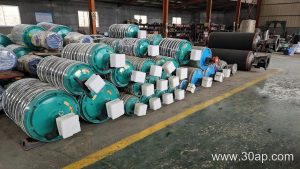
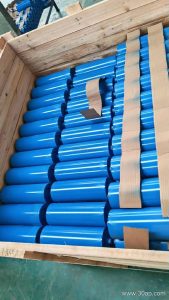
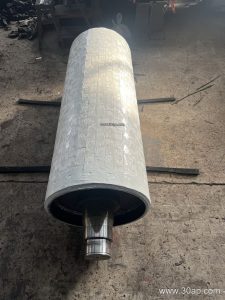
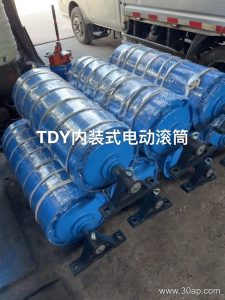
Belt width is matched to the tonnage and lump size, and to the conveyor structure. A 1000mm or 1200mm belt is common in main haulage, while wider belts may be used where the frame and pulleys allow. Pulley diameters, shaft sizes and idler roller spacing are set by the conveyor designer; belt width alone does not fix them. The belt should track correctly over the drive pulley, tail pulley and bend pulleys, and the conveyor bracket and frame must hold the idlers in alignment.
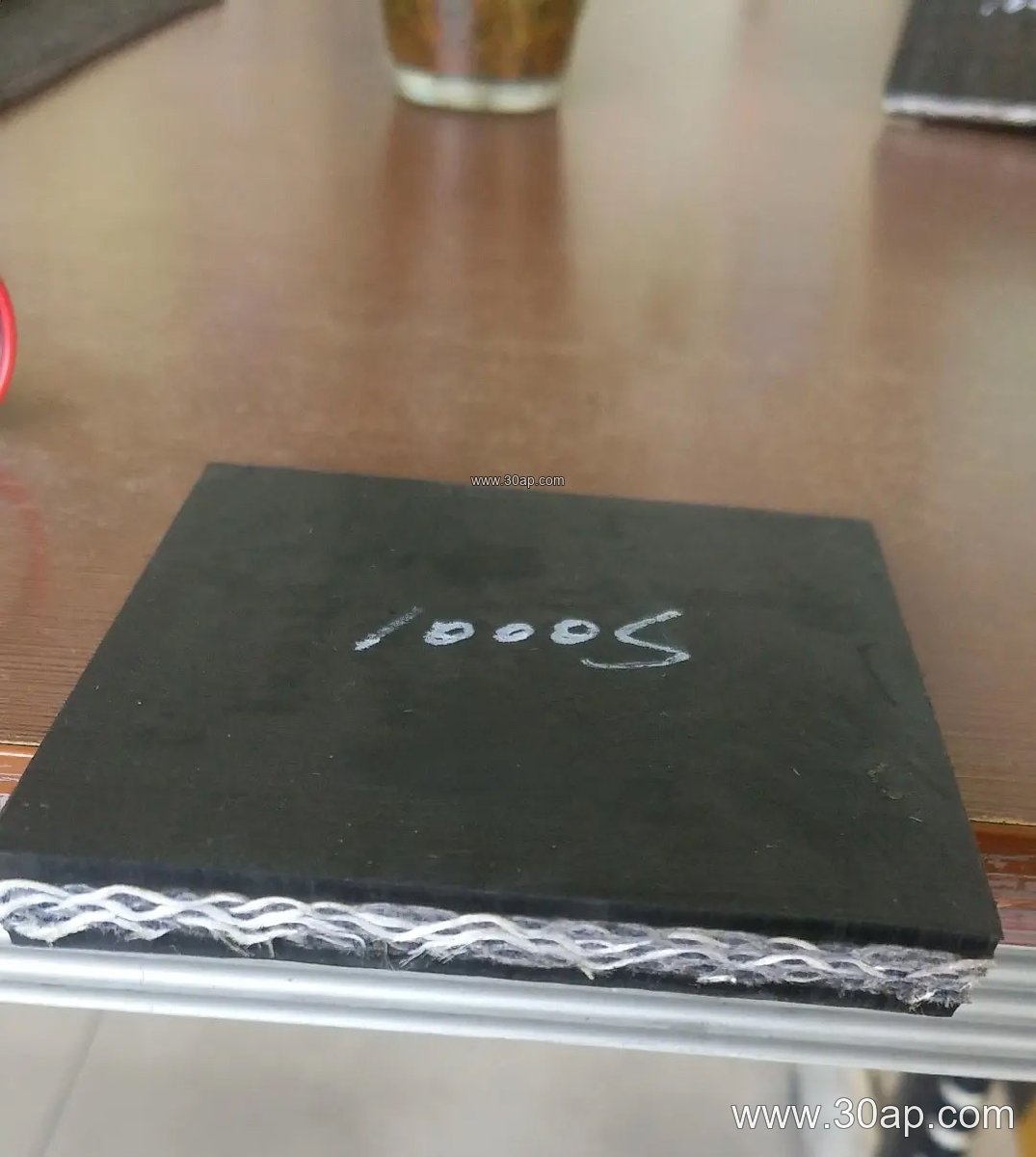
Surface form matters too. Chevron conveyor belt and corrugated sidewall belt help on inclines or where material must be contained. A pipe conveyor belt encloses the load, which can suit curves and dusty routes, but it is a different belt design, not a replacement for a flat underground conveyor belt.
Buyer Checklist
- Confirm the material, lump size, moisture and temperature, and whether flame retardant or anti-static properties are required.
- State the required belt width, strength grade and cover thickness, and ask for the carcass construction in writing.
- Check that pulley diameters and idler spacing are compatible with the belt’s flexibility and rated tension.
- Review splice type, edge condition and cover grade for the actual duty, not only the headline price.
- Ask for dimensional tolerance and test data, and keep spare belt, idler roller and pulley parts in the maintenance plan.
For more information on matching an underground conveyor belt to a specific mine or tunnel layout, see the belt selection notes at underground conveyor belt and related conveyor pulley guidance.