What a Fire Resistant Conveyor Belt Is
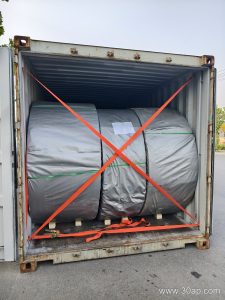
A fire resistant conveyor belt is a rubber conveyor belt engineered to resist ignition and limit flame spread, making it a critical component in industries where sparks, hot material, or combustible dust are present. Often referred to as a flame retardant conveyor belt, this product is designed to reduce the risk of fire propagation along the conveyor line. It is not simply a standard belt with a different color; the rubber compound and construction are specifically formulated to meet fire safety requirements.
Such belts are widely used in coal mining, power plants, cement kilns, and other bulk material handling operations where fire hazards are a concern. The keyword “Fire Resistant Conveyor Belt” is recognized across the industry, and buyers should look for belts that clearly state their fire-resistant properties.
Construction and Materials
The fire resistant conveyor belt typically uses a fabric core or steel cord carcass, covered with rubber layers that incorporate flame-retardant additives. Common carcass types include EP (polyester-nylon) and NN (nylon-nylon) fabrics, as well as steel cord for high-tension applications. The cover rubber is usually based on chloroprene or other polymers that resist burning. The belt may also include anti-static properties to prevent spark generation.
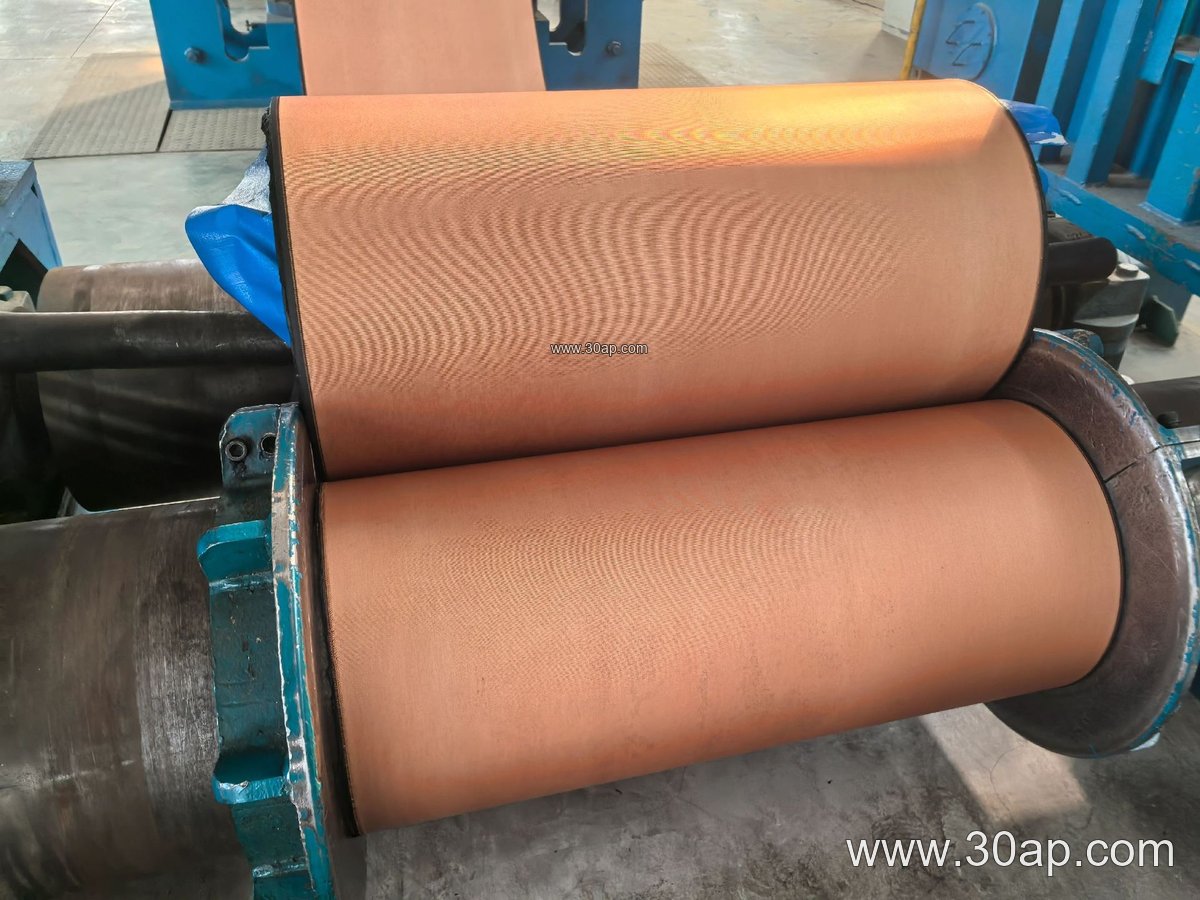
Construction details vary by manufacturer. For instance, a multi-ply fabric core may have 2 to 6 plies, and cover thickness might be 4+2 mm or 6+2 mm, but these are typical examples and not universal specifications. Buyers should consult the manufacturer’s data sheet for exact construction.
Key Specifications and Types
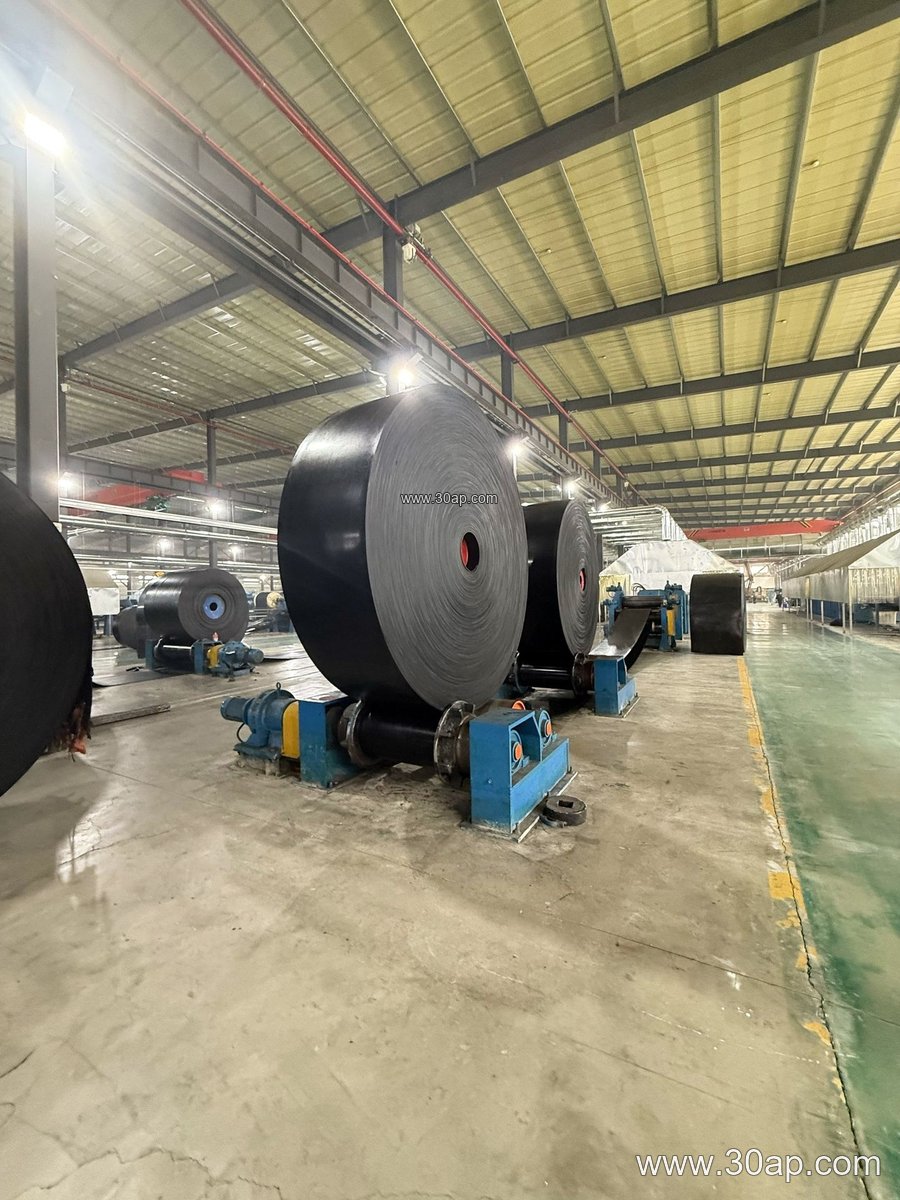
Fire resistant belts are available in various strength grades and widths to suit different conveyor systems. The table below lists some common reference values; actual supply depends on the specific design and application.
| Parameter | Common Reference Values |
|---|---|
| Belt width (B) | B500, B650, B800, B1000, B1200, B1400, B1600, B1800, B2000 |
| Strength grade (EP) | EP200, EP315, EP400, EP500, EP630, EP800, EP1000, EP1250, EP1600, EP2000 |
| Cover thickness | 3+1.5 mm, 4+2 mm, 5+2 mm, 6+2 mm, 8+3 mm |
| Carcass plies | 2 to 6 plies (fabric core) |
These values are for reference; not every combination is available from every supplier, and belt width does not dictate a fixed pulley diameter. Drive, tail, and bend pulleys are selected based on conveyor design, not solely on belt width.
Where Fire Resistant Belts Are Used
Fire resistant conveyor belts are essential in underground coal mining, where methane and coal dust create explosive atmospheres. They are also found in power plants handling coal, in cement plants transporting hot clinker, and in steel mills where sparks are common. Other applications include port facilities, sand and gravel plants, and recycling facilities where combustible materials may be present.
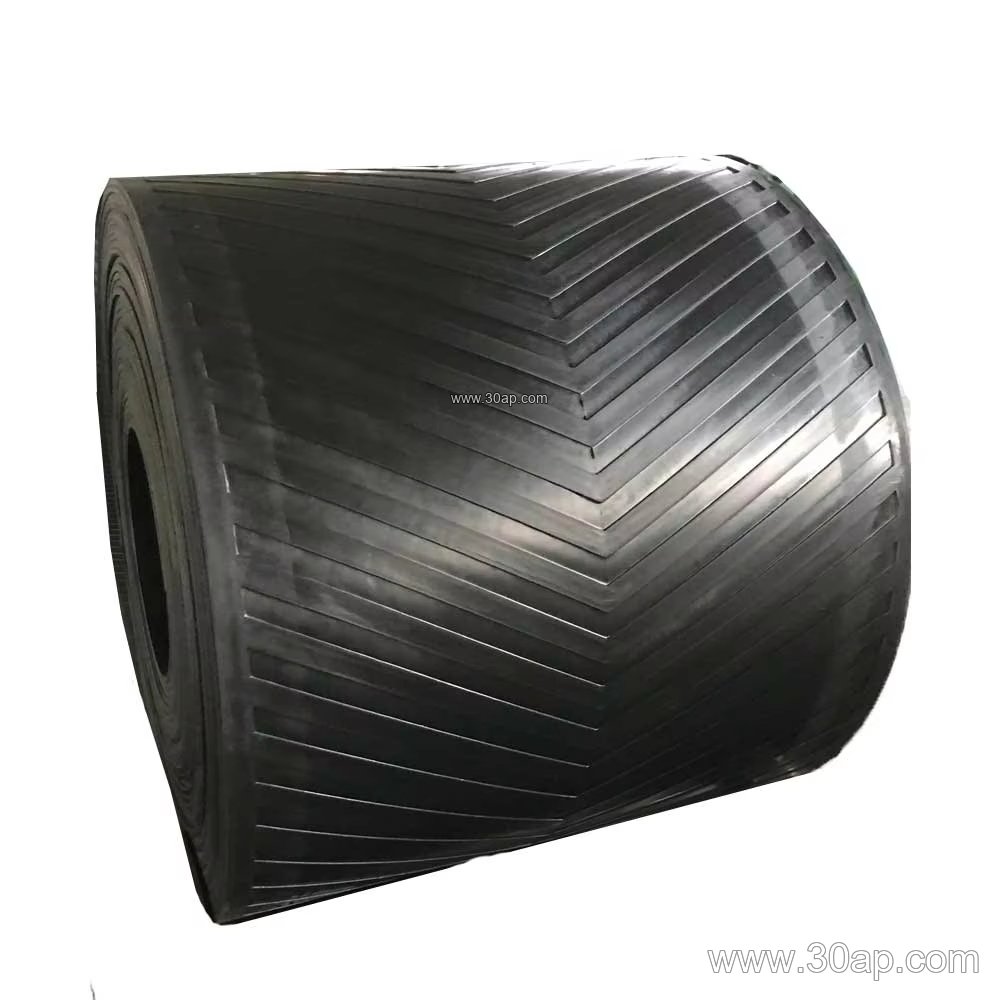
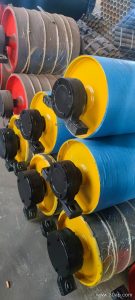
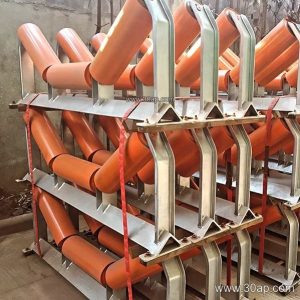
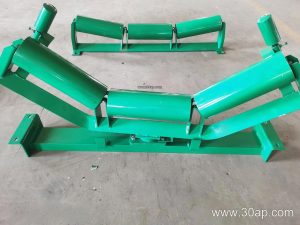
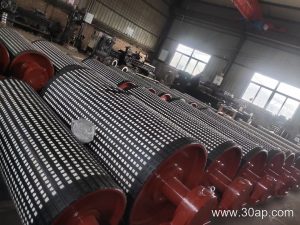
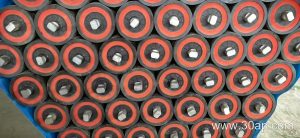
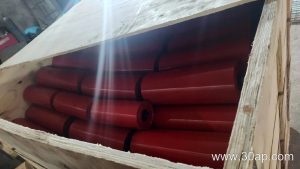
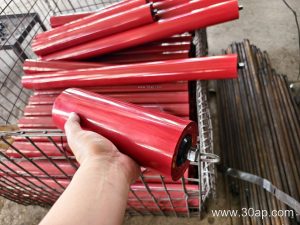
In these environments, the belt works alongside conveyor pulleys, idler rollers, and conveyor brackets to ensure smooth operation. The fire resistance of the belt is a key safety feature, but it must be integrated with proper conveyor design and maintenance.
Selection and Maintenance Tips
When choosing a fire resistant conveyor belt, consider the maximum operating temperature, material being conveyed, and the fire safety regulations applicable to your site. The belt should be matched to the conveyor’s tension requirements and pulley diameters. Regular inspection for wear, cuts, and cover damage is important to maintain fire resistance. Also, ensure that the belt is properly tensioned and aligned to avoid friction heating.
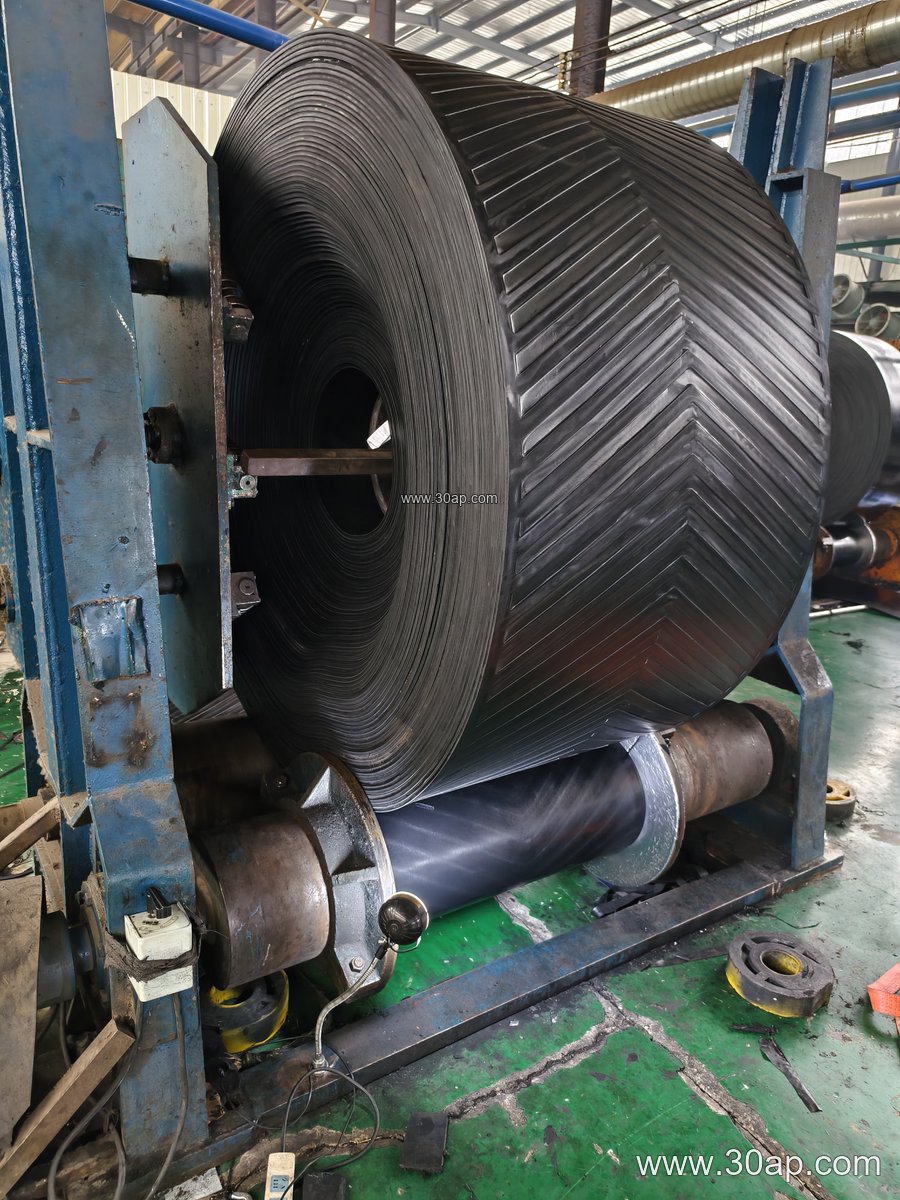
For high-abrasion applications, an abrasion resistant conveyor belt may be combined with fire resistance, but the primary focus should remain on fire safety. Always request test reports and certifications from the supplier to verify fire performance.
Related Equipment and Considerations
A fire resistant conveyor belt does not operate in isolation. It relies on idler rollers to support the load, conveyor pulleys to drive and redirect the belt, and conveyor brackets to hold the structure. In mining and quarry operations, these components must also be selected for durability and safety.
Buyers should be aware that fire resistance is not a substitute for good housekeeping and fire prevention measures. Regular cleaning of spillage and dust, proper electrical maintenance, and adequate fire suppression systems are equally important.
In summary, a fire resistant conveyor belt is a specialized product that combines rubber technology with safety engineering. By understanding its construction, typical specifications, and application requirements, buyers can make informed decisions for their material handling needs.