What a Heavy-Duty Trough Idler Does
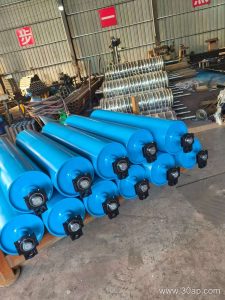
A heavy-duty trough idler is the workhorse component that supports the conveyor belt and shapes it into a trough. The three-roll arrangement—typically a center roll and two side rolls—cradles the belt so bulk material stays centered during transport. In mining, quarrying, cement plants, and port terminals, this conveyor idler must handle constant impact, abrasive dust, and heavy loads without frequent replacement.
Rather than a single generic part, a troughing idler is a complete assembly. Each idler roller spins on its own bearings, held in a frame that sets the trough angle. The heavy-duty version uses thicker shells, larger shafts, and stronger bearing housings than a standard duty unit. That extra material matters when the belt carries coarse rock or wet aggregate hour after hour.
How the Assembly Is Built
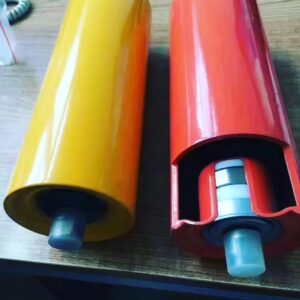
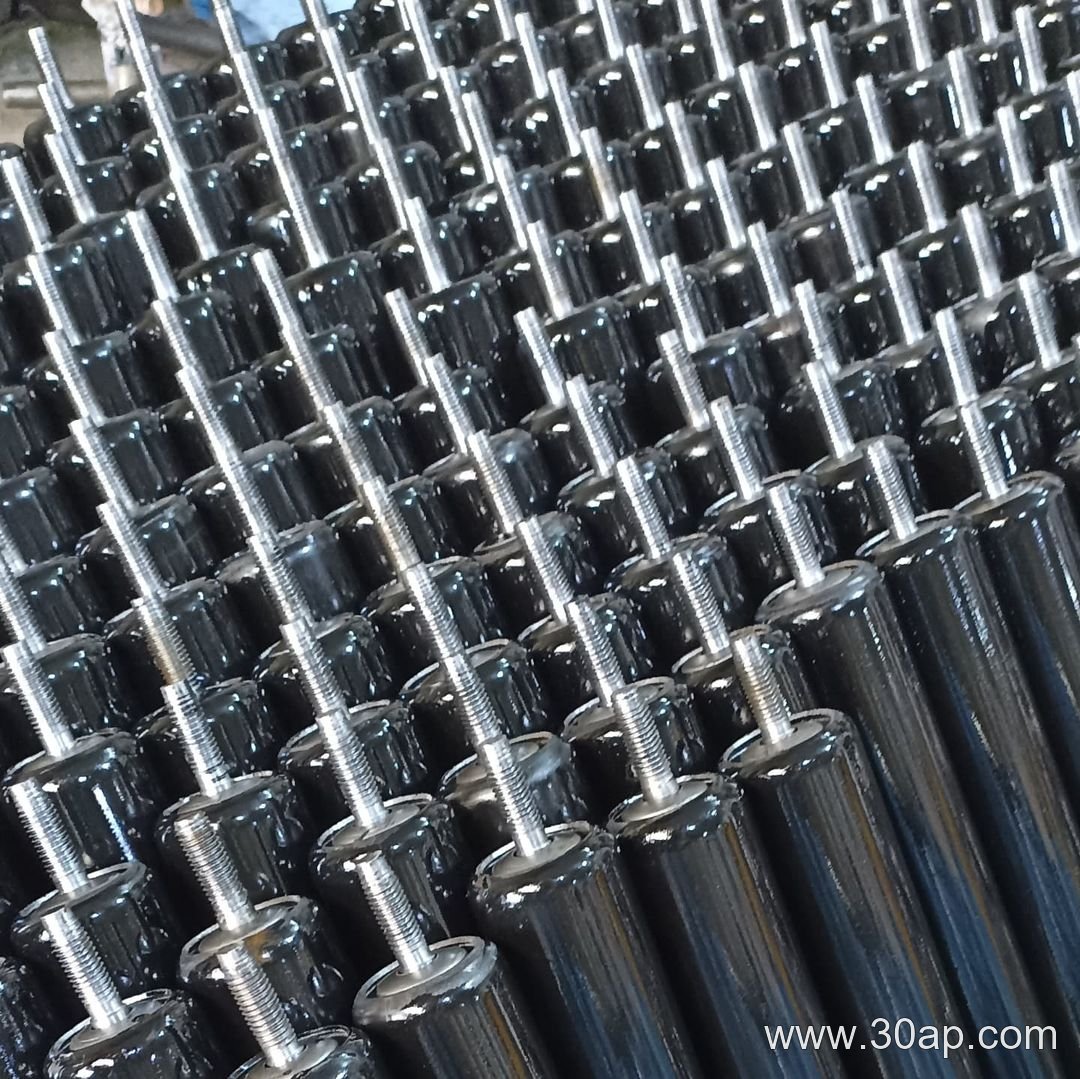
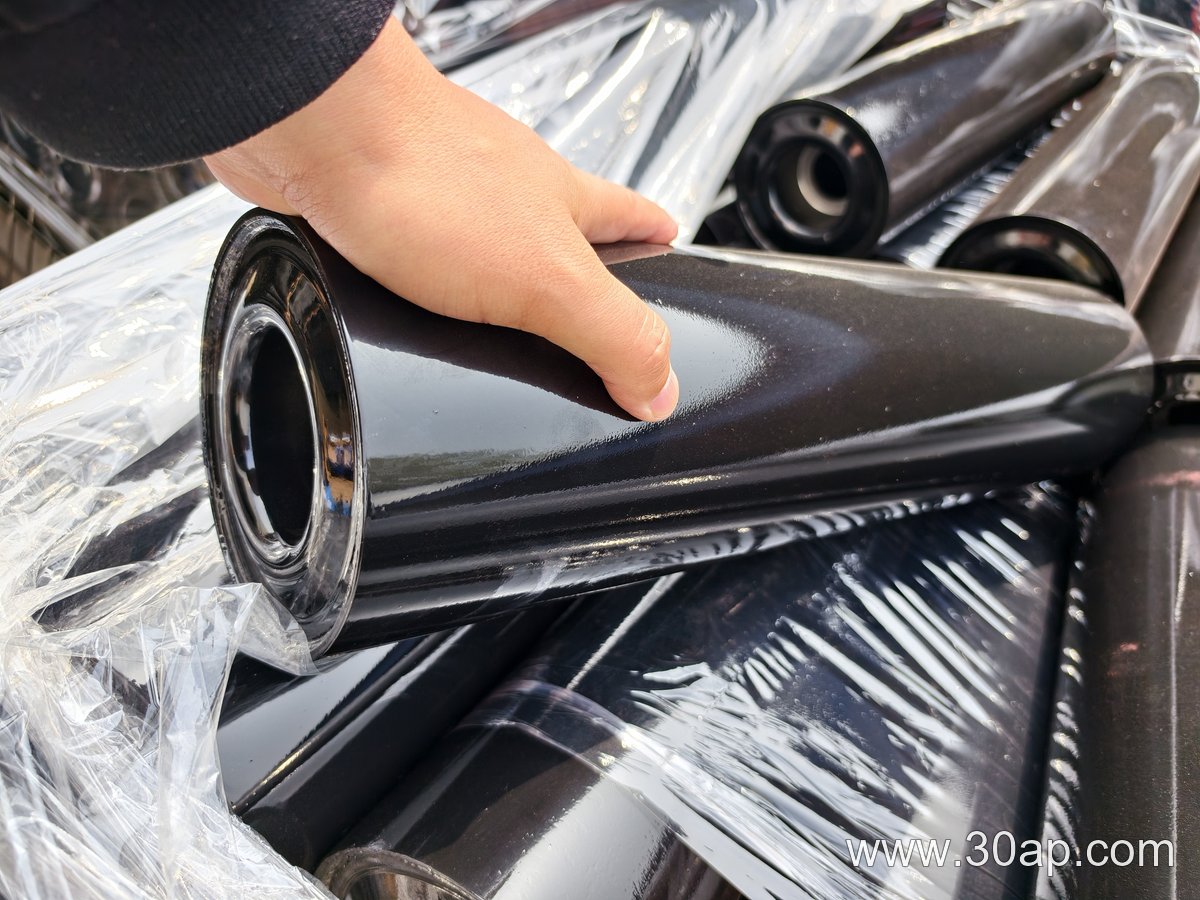
The typical construction starts with a seamless steel tube that becomes the roller shell. Ends are machined to accept bearing housings, and a shaft runs through the center. Deep-groove ball bearings or tapered roller bearings sit in the housing, packed with grease. Labyrinth seals and sometimes a contact seal keep fine particles out—this is where the dust-proof idler design earns its keep.
For harsh conditions, manufacturers may add a protective cap, a multi-stage labyrinth, or a felt seal. The goal is simple: prevent grit from reaching the bearing race. Once abrasive dust enters, the idler roller will seize, flat-spot, or drag on the belt. A seized roller can wear through the belt cover or damage a conveyor pulley downstream.
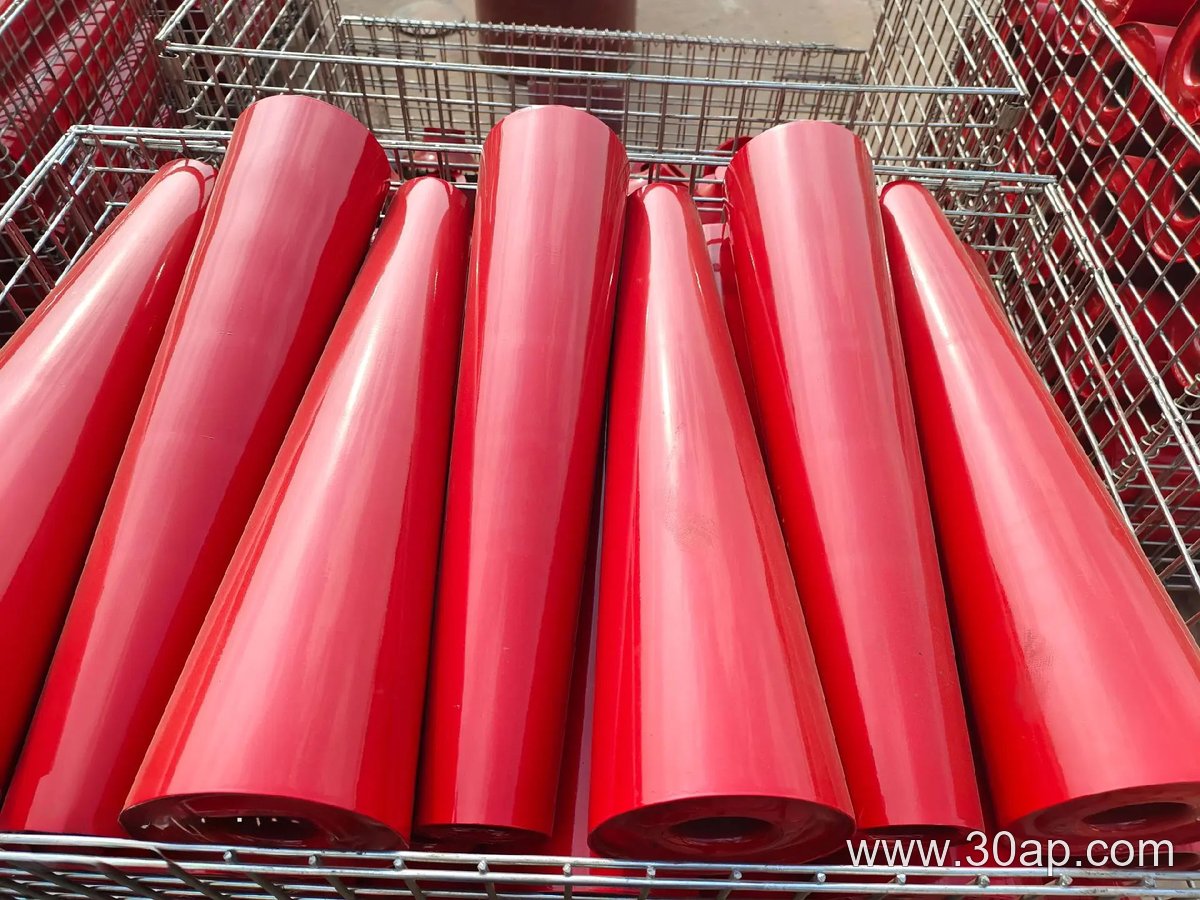
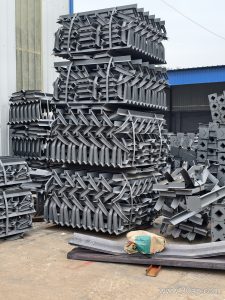
The frame or bracket that holds the rolls is equally important. A heavy-duty trough idler frame is often made from stamped steel or fabricated sections, with slots that allow adjustment. The conveyor bracket must align with the conveyor structure so the rolls sit at the correct angle. If the frame flexes under load, the belt will pinch and tracking problems follow.
Where These Idlers Are Used
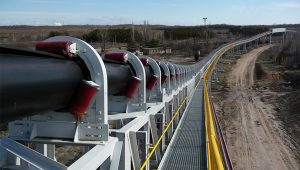
You will find heavy troughing idlers on the carrying side of a conveyor belt, spaced at regular intervals along the length. They appear at the load point, along the intermediate section, and sometimes just before the head pulley. In long overland conveyors, hundreds of these assemblies may be installed. Each one contributes rolling resistance, so bearing quality and seal design affect the entire system’s energy use.
Common industries include:
- Open-pit and underground mining
- Aggregate and sand processing
- Cement and clinker handling
- Coal-fired power stations
- Bulk ports and ship loaders
- Steel mills and foundries
In these settings, a guide roller may also be used to steer the belt at transfer points or around curves. While a guide roller is not the same as a troughing idler, both belong to the same family of conveyor components. A heavy-duty trough idler is specifically designed for the carrying run, where material weight presses down on the belt.
Materials and Sizes to Consider
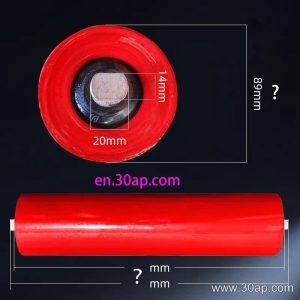
Roller diameter is a key selection factor. A larger diameter, such as a Ø180 conveyor idler, runs at lower rotational speed for the same belt speed. That can extend bearing life and reduce noise. Smaller diameters are lighter and cheaper, but they may not suit high-tonnage conveyors. The trough angle—usually 20, 35, or 45 degrees—also affects capacity and material containment.
Shell thickness, shaft diameter, and bearing type should match the load. Heavier belts and higher tensions demand stronger rolls and frames. Environmental factors matter too: wet, corrosive, or extremely dusty conditions call for better sealing and sometimes stainless or coated hardware. A dust-proof idler with a proven labyrinth seal is often the better choice in crushing and screening plants.
What Buyers Should Check Before Ordering
When requesting a conveyor idler quotation, provide the belt width, trough angle, roll diameter, and the load per idler. Also state the belt speed and ambient conditions. If the conveyor runs outdoors or in a wash-down area, mention that. A supplier can then recommend the right bearing, seal, and frame type. Avoid comparing only on price; a cheap idler that fails early can cost far more in downtime and belt damage.
Ask about the bearing brand or specification, the seal design, and the shaft material. Confirm that the frame fits your existing conveyor bracket spacing. If you are replacing a mixed set of idlers, check whether the new rolls match the old ones in diameter and length. Even a small mismatch can cause the belt to mistrack or wear unevenly.
Finally, consider the total cost of ownership. A heavy-duty trough idler with robust seals and quality bearings may cost more upfront, but it can last longer and reduce maintenance calls. Keep a few spares on site, especially for the load zone where impact is highest. Proper installation and periodic inspection of every idler roller will keep the conveyor running smoothly for years.
Installation and Maintenance Basics
Mount the troughing idlers square to the belt centerline. Misalignment causes the belt to rub against the rolls and can damage the idler roller. Grease bearings according to the manufacturer’s schedule, but do not over-grease—excess pressure can blow seals. Inspect for seized rolls, worn shells, and loose brackets. Replace any idler that no longer turns freely. A small repair now prevents a major belt failure later.
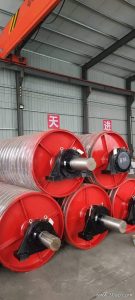
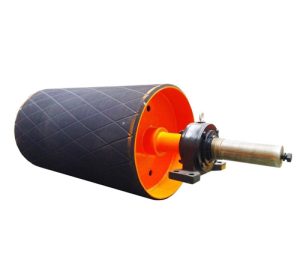
Remember that the conveyor pulley and the trough idlers work as a team. If the pulley is crowned or lagged correctly, the belt will track better and the idlers will wear more evenly. Check the pulley lagging during the same maintenance walk. A complete inspection of the belt line, from tail to head, gives the best picture of overall health.