What a Heavy-Duty Conveyor Bracket Does on a Belt Line
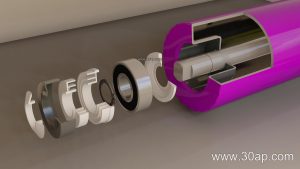
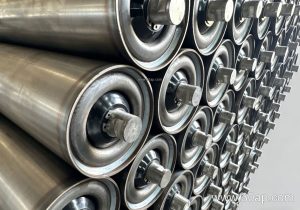
A heavy-duty conveyor bracket is the structural support that holds the idler rollers in the correct position under a moving conveyor belt. It carries the weight of the belt, the material, and the roller itself, and it keeps the trough shape consistent along the whole run. In a quarry, a coal preparation plant, or a cement kiln line, this bracket is often the quiet component that decides whether the belt tracks well or wanders. The same product is also called a heavy-duty conveyor frame or heavy-duty roller support, and those names refer to the same item.
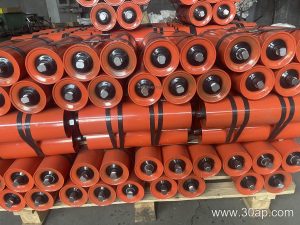
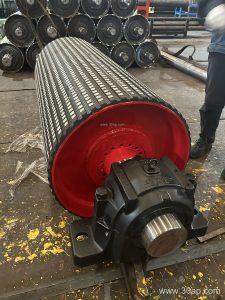
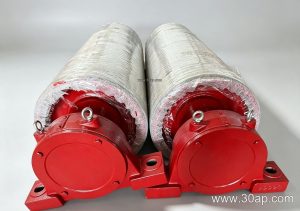
The bracket is not the pulley. A drive pulley, a tail pulley, and a bend pulley each do a different job at the ends or corners of the system, and none of them should be confused with the bracket that supports idlers in mid-run. A conveyor bracket works together with its idler roller and the belt above it, and the three parts must match in width, angle, and load rating.
How the Bracket Is Built
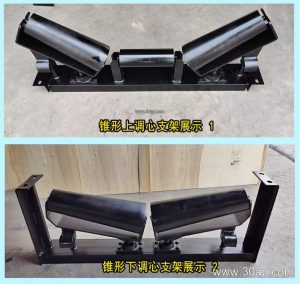
Most heavy-duty brackets are fabricated from angle steel, channel steel, or folded steel plate, then drilled and welded into a rigid frame. The trough angle is set during fabrication or made adjustable with slotted holes. Common trough angles are 20, 30, 35, and 45 degrees, and an adjustable bracket can move between these positions when material flow changes. Forward tilt of about 1.5 to 2 degrees is sometimes built in to help the belt center itself.
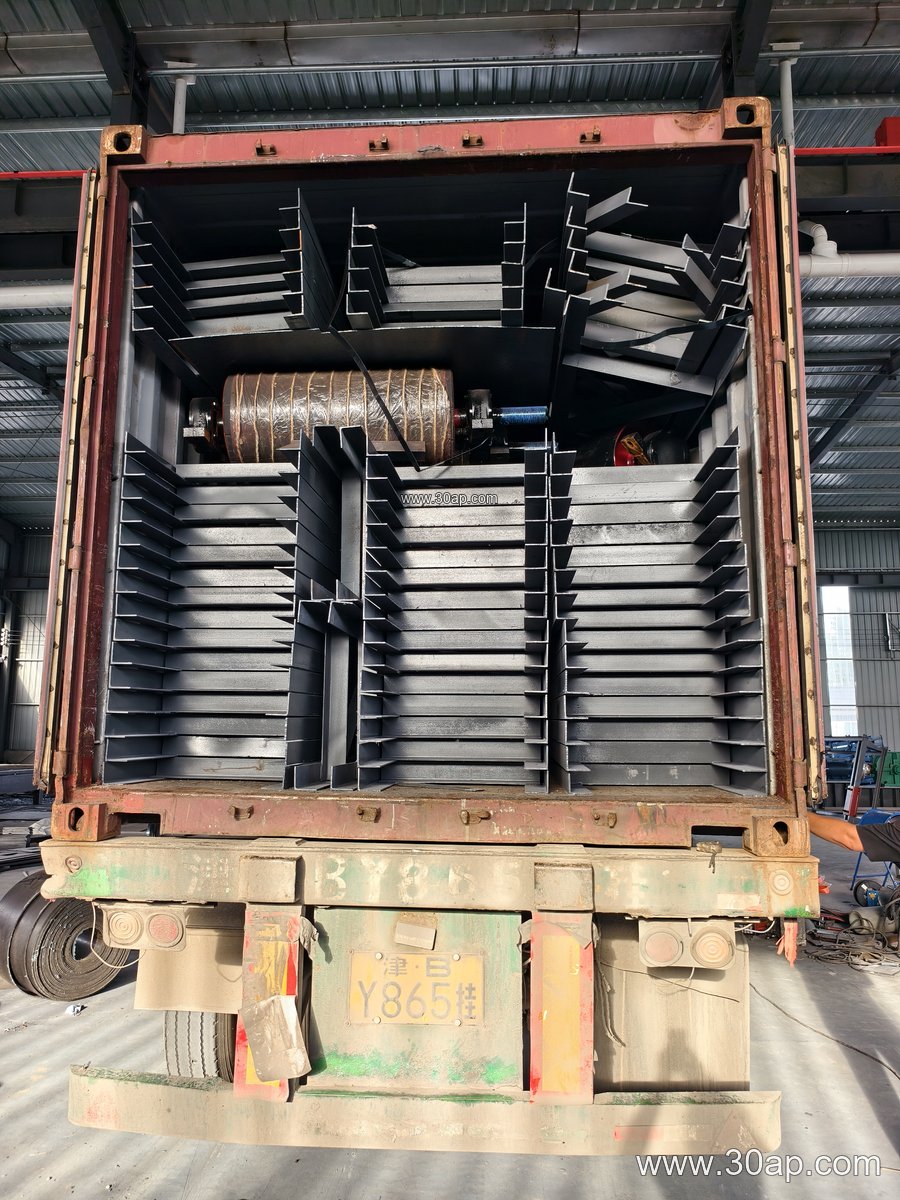
Bracket length and hole spacing follow the belt width and trough angle, so they are set by design rather than by a single fixed number. Typical belt widths in heavy service include B500, B650, B800, B1000, B1200, B1400, B1600, B1800, B2000, and B2200. Roller diameters such as Ø89, Ø108, Ø133, Ø159, and Ø194 are common, but any belt width can pair with more than one roller size depending on load and speed. A combination like B800, 35 degrees, Ø108 or B1200, 45 degrees, Ø133 is a normal starting point for discussion, not a rule.
Common Bracket Types and Where They Sit
- Troughing bracket (carrying side): supports three or more idlers in a trough, usually on the loaded strand.
- Transition bracket: placed near pulleys to ease the belt from flat to troughed.
- Return bracket and V-return bracket: support the belt on its clean return run.
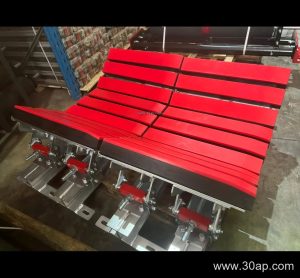
- Impact bracket: sits under loading points and carries cushion rollers.
- Self-aligning bracket: corrects minor belt drift on long runs.
- Suspended bracket: hangs from the structure where floor space is tight.
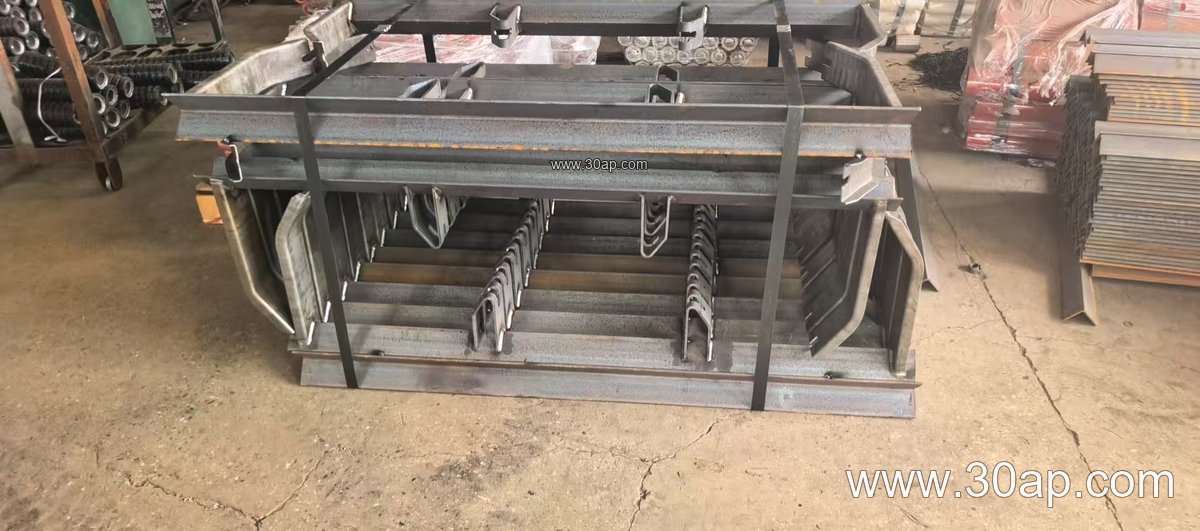
A fixed bracket is simple and stiff, while an adjustable bracket trades a little rigidity for flexibility during installation and belt changes. Neither is universally better; the choice depends on the conveyor layout and how often the duty changes.
Where Heavy-Duty Brackets Are Used
These brackets appear wherever tonnage is high and downtime is expensive. In an iron ore or limestone mine, they sit under a heavy-duty mining conveyor belt that carries lumpy rock. In a coal preparation plant, they support a flame retardant conveyor belt on the raw coal line. In a cement plant, they hold idlers beneath a heat resistant conveyor belt moving clinker. Power plant coal yards, port ship loaders, and crushing and screening circuits all rely on the same basic frame.
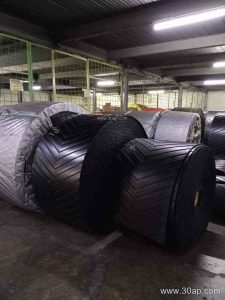
Belt selection and bracket selection go together. A steel cord conveyor belt or a multi-ply fabric core conveyor belt is heavier than a light EP conveyor belt, so the bracket and its idler roller must be rated for that load. Abrasion resistant conveyor belts and impact resistant conveyor belts are common in primary crushing, where the bracket also has to survive shock loading.
What Buyers Should Check Before Ordering
Start with the belt width and the required trough angle, then confirm the roller diameter and the mounting hole spacing. Ask how the frame is finished, since dusty sites such as a bauxite yard or a fertilizer shed punish poorly coated steel. Check whether the design is fixed or adjustable, and confirm that the bracket matches the existing conveyor pulley centers so the transition is smooth. For a quotation, provide the belt width, angle, roller diameter, and the load per bracket so the supplier can size the steel properly. A well-chosen heavy-duty conveyor bracket, paired with the right idler roller and conveyor belt, keeps a bulk handling line running straight for years.