What an Automatic Belt Tracking Idler Does
A conveyor that keeps wandering to one side is a costly problem. An automatic belt tracking idler is a self-correcting carrying or return roller assembly that senses a drifting belt and steers it back toward the center line without operator input. Instead of fixing the belt path by adjusting a drive pulley or tail pulley, the tracking idler works locally, tilting or swiveling its rollers so the belt is gently guided back into alignment. This makes it a practical add-on for long overland lines, stockyard conveyors and transfer points where misalignment appears gradually.
The same product is also described as a self-aligning idler or self-tracking roller. These are accurate equivalents for the same item, not different hardware categories.
How the Assembly Is Built
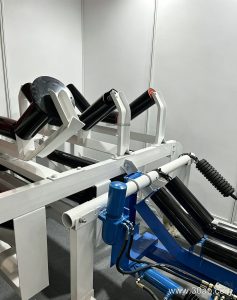
A typical unit combines a sturdy frame, two or three rollers and a pivot or linkage that responds to belt contact. When the belt edge presses against a guide roller or the roller axis shifts slightly, the assembly rotates a few degrees. Because the roller surface then runs at a small angle to the belt travel, friction produces a sideways force that nudges the belt back. A return spring or a counterweight restores the neutral position once the belt is centered.
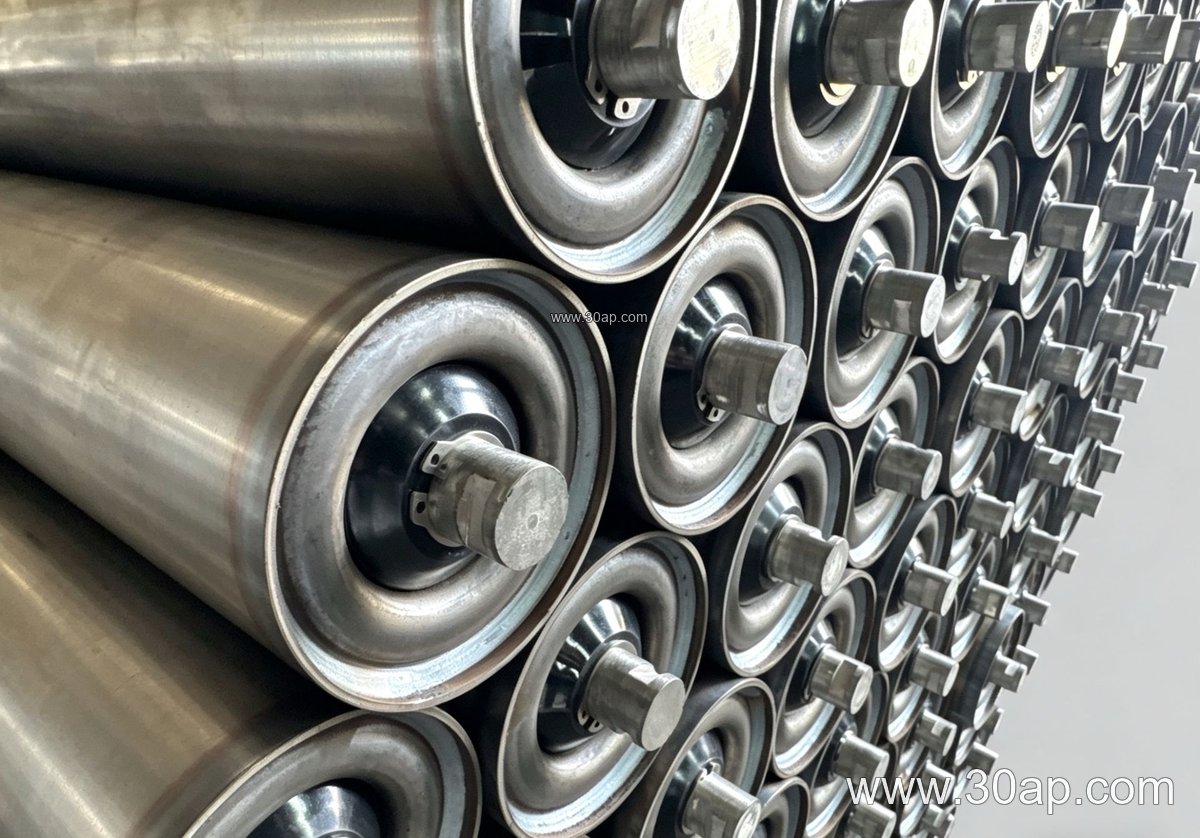
Build details often include:
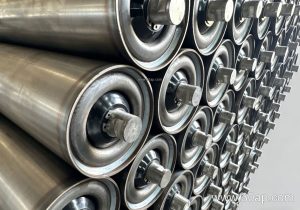
- Roller shells in steel tube, nylon or rubber-covered form, depending on the material handled
- Sealed bearing housings, commonly 6204, 6205, 6305, 6306, 6308 or 6310, chosen to match load and shaft design
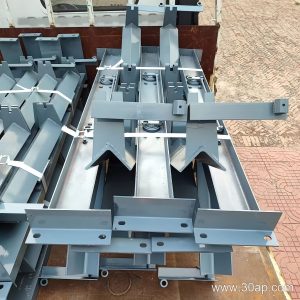
- A pivot bracket that mounts on the conveyor stringer, with adjustment slots for fine tuning
- Guide rollers or edge-sensing arms on friction and conical tracking versions
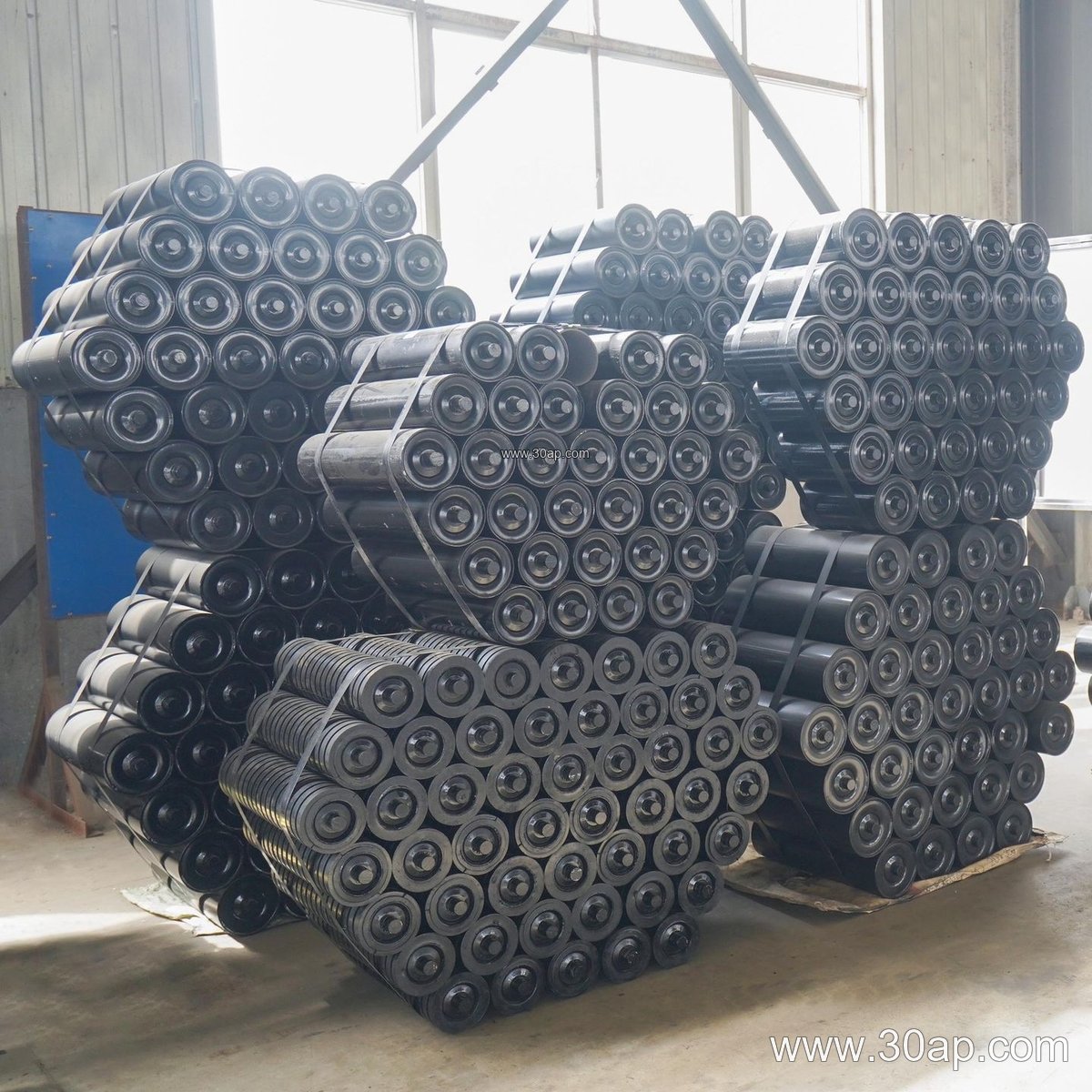
Roller diameter may range from about Ø63 up to Ø219, and roller length follows belt width and trough form. For three-roll troughing sets, a B800 belt often uses roller lengths near 315 mm and a B1200 near 465 mm, but side rollers and center rollers can differ, so these figures are examples only and should be confirmed against the actual frame design.
Where It Fits on the Conveyor
Tracking idlers are usually installed on the carrying side ahead of a transfer point, or on the return strand where the belt has the most freedom to move. In a quarry or aggregate line they help keep a rubber conveyor belt centered after a crusher discharge. In a coal handling plant they reduce edge wear on a flame retardant conveyor belt running through long galleries. Cement plants and power plant coal yards also use them on inclined sections, where gravity and off-center loading tend to push the belt sideways.
They are not a substitute for a drive pulley, tail pulley or bend pulley. Those pulleys set tension and direction, while the tracking idler only corrects minor lateral drift. If a pulley is misaligned or a conveyor bracket is loose, fix that first; a tracking roller cannot compensate for a structural fault.
Common Variations
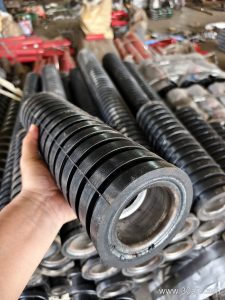
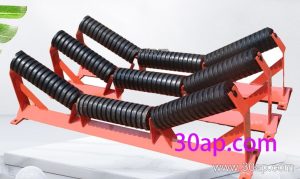
Friction tracking idlers rely on contact between the belt edge and a small guide roller. Conical or tapered tracking rollers use a crowned profile to generate a centering force. Some designs combine tracking rollers with V-return or flat return rollers, and a few use rubber rings for impact absorption at load zones. For comparison, a standard troughing idler carries material but does not correct alignment, while a buffer idler protects the belt at the loading point. Each has its own job, and the automatic tracking unit is chosen specifically for lateral control.
Selection Points for Buyers
Before ordering, confirm belt width, trough angle (20, 30, 35 or 45 degrees are common), roller diameter and the mounting height of the existing frame. Check whether the line carries an EP conveyor belt, an NN conveyor belt or a steel cord conveyor belt, because belt stiffness affects how quickly tracking responds. Heavier belts on a mining conveyor belt duty may need a larger roller and a stronger pivot. Also confirm the bearing size and sealing arrangement for dusty or wet conditions, and ask how the neutral position is adjusted after installation.
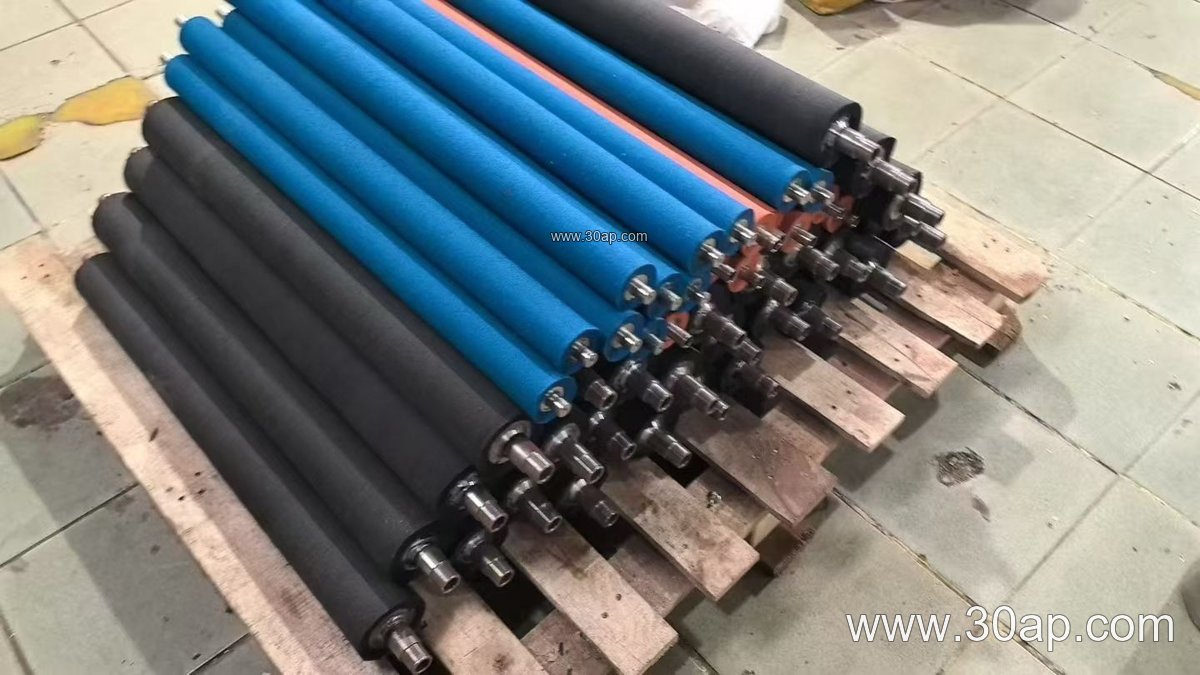
For abrasive ore or high-tonnage duties, a wear-resistant roller shell and well-protected bearings matter more than a complex linkage. For food or clean applications, choose a smooth, easily cleaned surface. Keep spare guide rollers and pivot pins on hand, since these are the parts that wear first.
Installation and Maintenance Notes
Mount the tracking idler square to the belt center line and allow the pivot to move freely. After the first run, check belt tracking at low speed before loading. Recheck guide roller clearance and lubricate or replace bearings as recommended. A tracking idler that is over-tightened or mounted on a bent bracket will fight the belt instead of helping it.
Used correctly, an automatic belt tracking idler extends belt edge life, reduces spillage and cuts downtime on conveyors in mines, quarries, cement works and port terminals.