What a Belt Conveyor Bracket Does on the Line
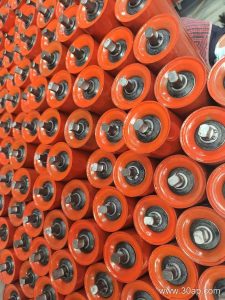
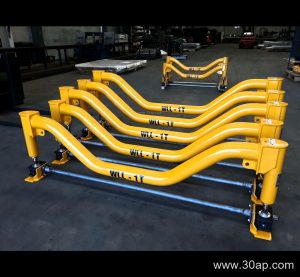
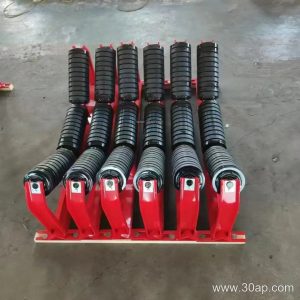
A belt conveyor bracket is the steel support that holds the idler rollers in the correct position under and along the conveyor belt. It carries the weight of the belt, the material and the rollers, and it sets the trough angle that keeps bulk material centered during travel. In a quarry, a coal preparation plant or a cement plant, these brackets are the quiet workhorses that keep the whole conveyor frame aligned.
Also called a conveyor bracket or idler support bracket, this part is usually made from angle steel, channel steel or folded steel plate. The choice of material and thickness follows the load, the belt width and the environment. For more background on matching frame parts with belting, see www.example.com/conveyor-belt.
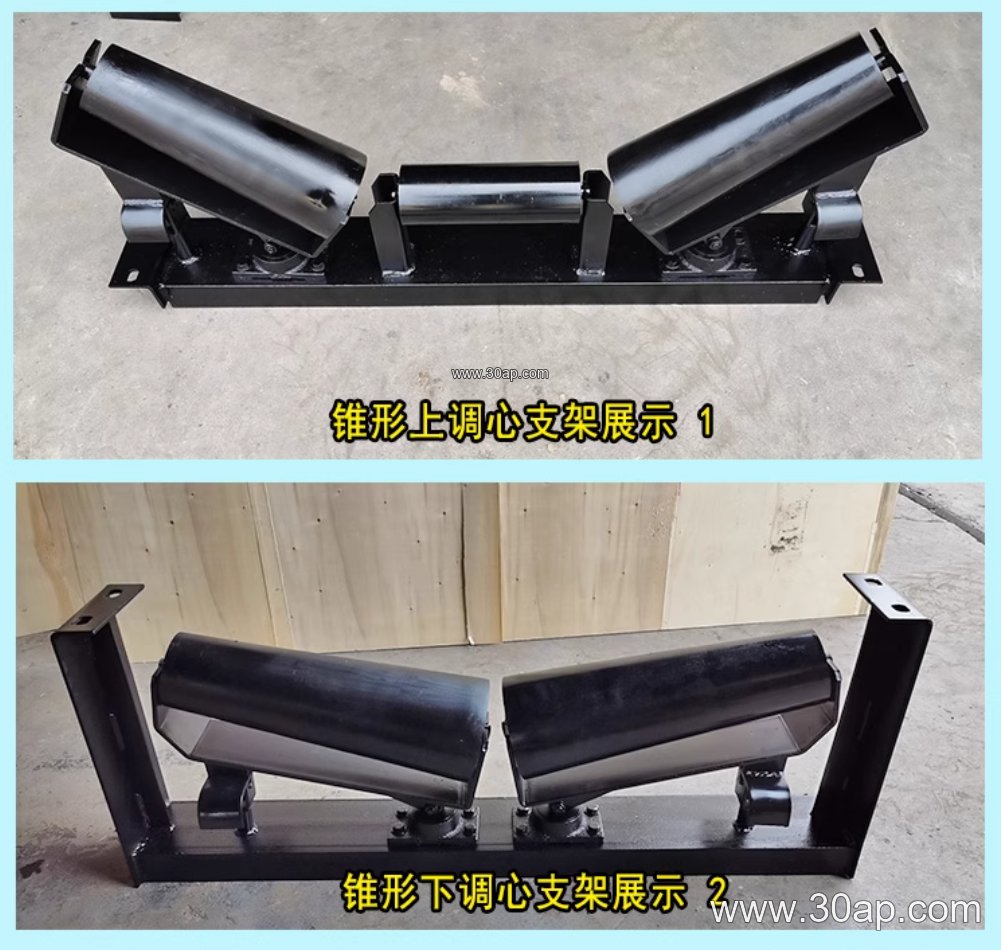
Common Bracket Types and Where They Sit
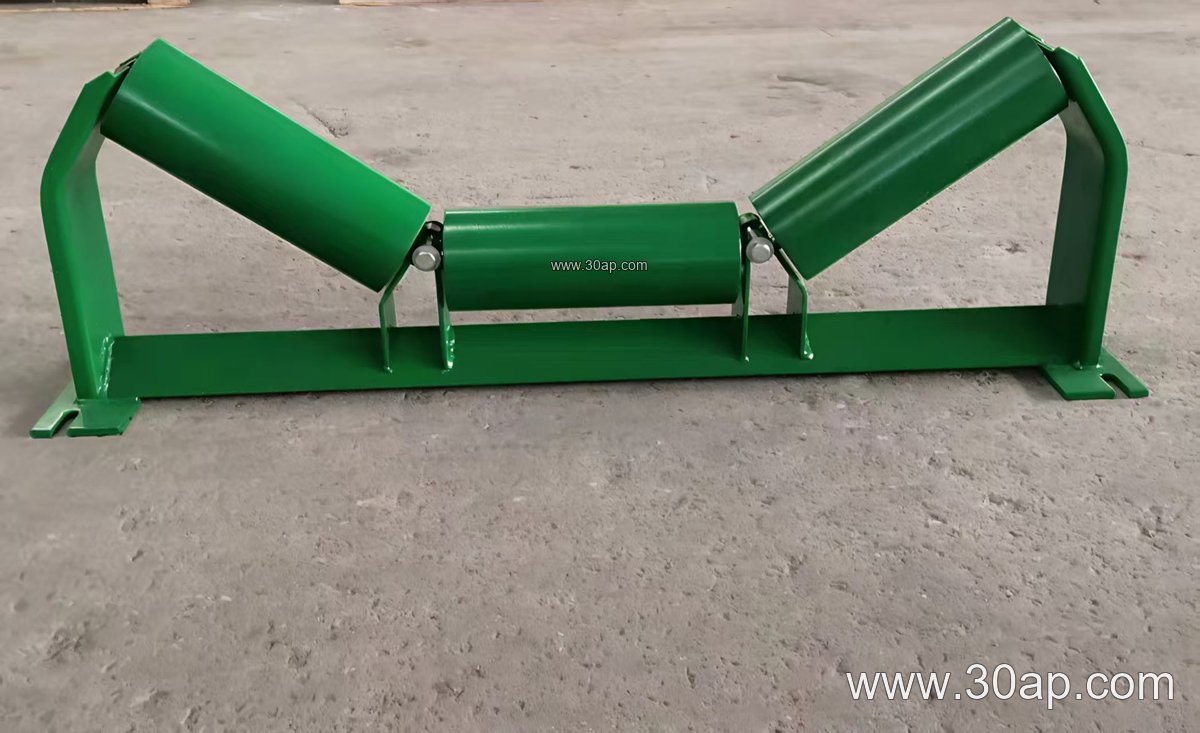
The bracket family covers several positions along the conveyor. Troughing brackets carry the three-roller set on the carrying side. Return brackets support the belt on its way back, often with a flat or V-shaped roller arrangement. Transition brackets sit near the pulleys to guide the belt from flat to troughed. Impact brackets are placed at loading points to absorb shock. Self-aligning and forward-tilted brackets help correct belt tracking.
- Troughing bracket, upper and lower types, for the carrying run
- Return bracket and V-return bracket for the return run
- Transition bracket near the head and tail sections
- Impact bracket under the loading chute
- Self-aligning bracket for belt tracking control
- Hanging bracket for suspended idler sets
- Adjustable bracket for changing trough angles
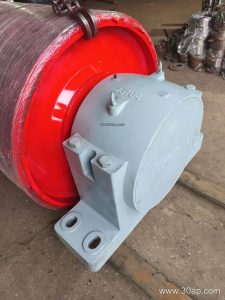
Each type must match its roller set. A return bracket is not a substitute for a troughing bracket, just as a bend pulley is not a drive pulley or a tail pulley.
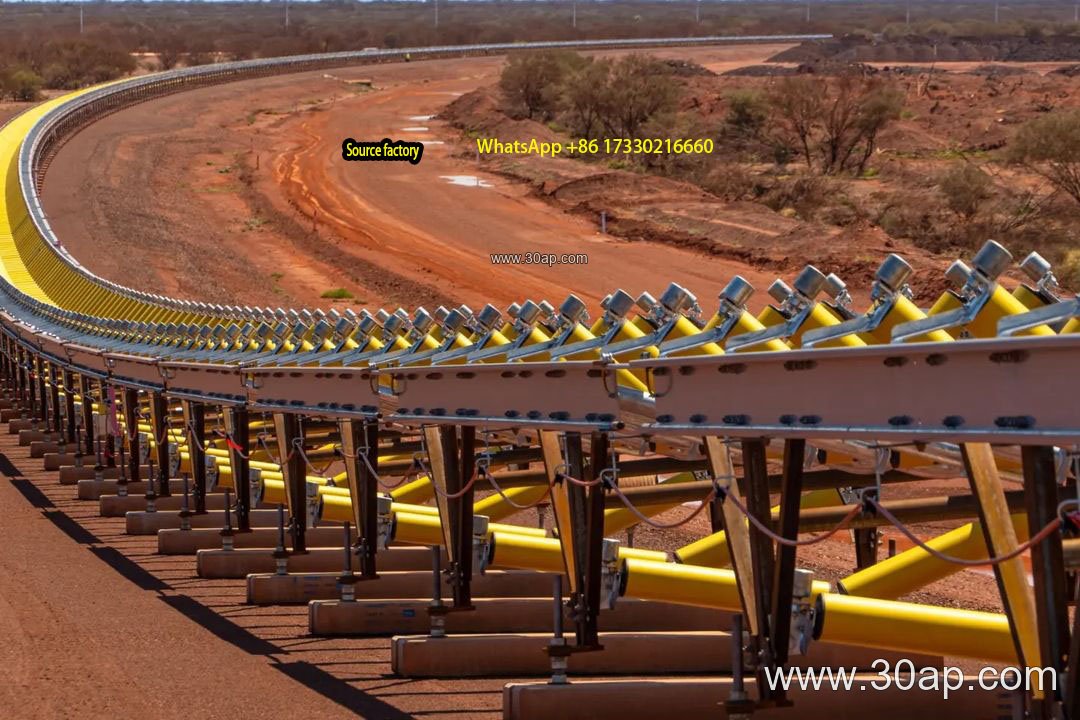
How Size and Trough Angle Are Chosen
Bracket dimensions follow belt width, roller diameter and the required trough angle. Common belt widths run from B500 to B2200, roller diameters from Ø89 to Ø194, and trough angles of 20, 30, 35 or 45 degrees. An adjustable bracket can move between these angles, while fixed brackets are welded or bolted in one setting. Forward-tilted designs usually lean about 1.5 to 2 degrees to help center the belt.
Installation hole spacing and crossbeam length change with belt width and trough angle, so they are set by design rather than fixed numbers. The table below shows reference combinations only, not universal rules.
| Belt Width | Trough Angle | Roller Diameter | Typical Use |
|---|---|---|---|
| B650 | 30 degrees | Ø89 | Small aggregate lines |
| B800 | 35 degrees | Ø108 | Sand and gravel plants |
| B1000 | 35 degrees | Ø133 | Cement and power plant conveyors |
| B1200 | 45 degrees | Ø133 | Coal handling and port terminals |
| B1400 | 35 degrees | Ø159 | Iron ore and heavy bulk duty |
| B1600 | 45 degrees | Ø159 | Large mining and stockyard lines |
| B1800 | 35 degrees | Ø194 | High-capacity ore transport |
Installation Points and Practical Checks
The bracket is bolted to the conveyor frame stringers, and the roller set drops into its slots or seats. Alignment matters more than most people expect. A bracket that sits a few millimeters out of line can push the belt sideways and wear the edges. During installation, check that all brackets on one section share the same height and that the trough angle is consistent along the run.
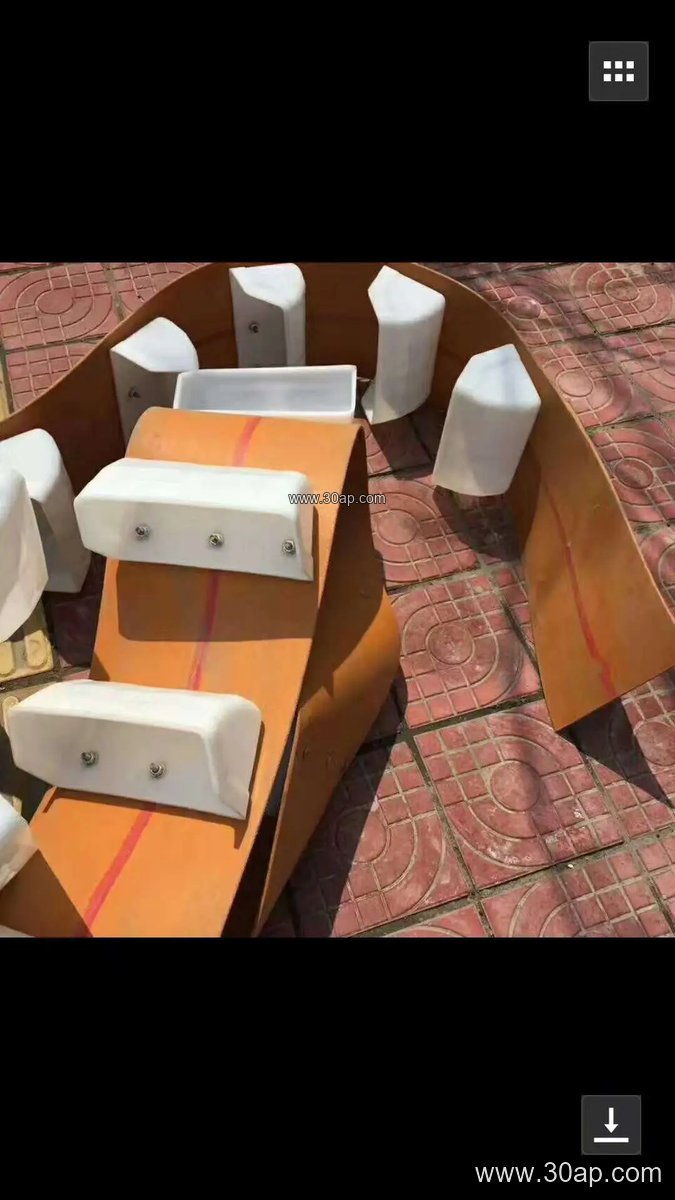
Brackets near the loading zone should be strong enough to resist impact from lump material. Brackets on long overland runs need regular inspection for loose bolts and corrosion. In dusty plants such as a limestone quarry or a fertilizer warehouse, buildup around the bracket seats can tilt the rollers, so cleaning is part of routine maintenance.
Matching Brackets with Belting and Rollers
A bracket only works as well as the belt and rollers around it. A heavy-duty mining conveyor belt carrying abrasive rock needs sturdy brackets and well-sealed idler rollers. A heat resistant conveyor belt in a cement kiln area may call for brackets that tolerate temperature swings. A flame retardant conveyor belt in an underground coal mine is paired with frames and brackets built for the same safety expectations.
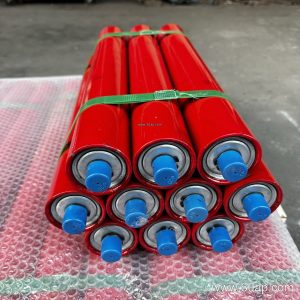
When specifying a belt conveyor bracket, know the belt width, the roller diameter, the trough angle, the mounting hole spacing and the material of the frame. Share these details with the supplier so the bracket fits the existing conveyor pulley and idler layout. For roller and pulley references, visit www.example.com/idler-roller and www.example.com/conveyor-pulley.
Buyer Checklist
- Confirm the bracket type: troughing, return, transition, impact or self-aligning
- State belt width and roller diameter together
- Decide between fixed and adjustable trough angles
- Check frame material and surface treatment for the site environment
- Verify hole spacing and crossbeam length against the existing frame
- Ask about spare parts availability for long-term maintenance
Good brackets are simple parts, but they decide how smoothly the belt runs. Choosing the right type and size for the duty keeps the conveyor productive in mines, quarries, power stations and processing plants alike.