What the Ø108 Self-Aligning Idler Does
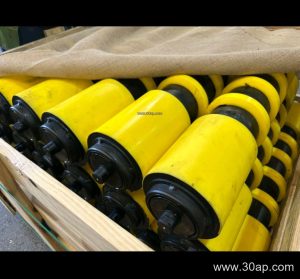
A Ø108 self-aligning idler is a belt-training roller built around a 108 mm outside diameter shell, mounted in a frame that pivots or skews slightly so the roller steers the conveyor belt back toward the center line. In plants handling bulk material, sideways drift is a quiet problem that grows into edge damage, spillage and shortened belt life. This idler corrects drift mechanically rather than through constant manual adjustment.
The same product is also called a 108 mm self-aligning return roller or self-training idler, depending on the mounting position and the supplier’s naming habit. Those names describe the same tracking function at the same nominal diameter.
Construction and Working Principle
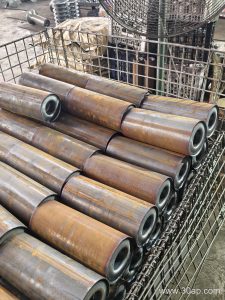
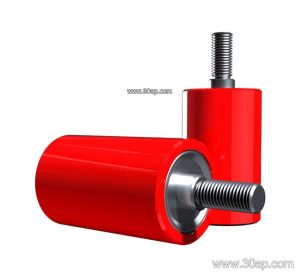
The roller body is usually a steel tube with machined end caps, sealed bearings and a shaft that sits in a pivoting bracket. When the belt touches the angled guide rollers or the skewed roller face, friction pulls the frame slightly around its pivot. The roller then pushes the belt sideways, and once the belt recenters, the frame returns to its neutral position.
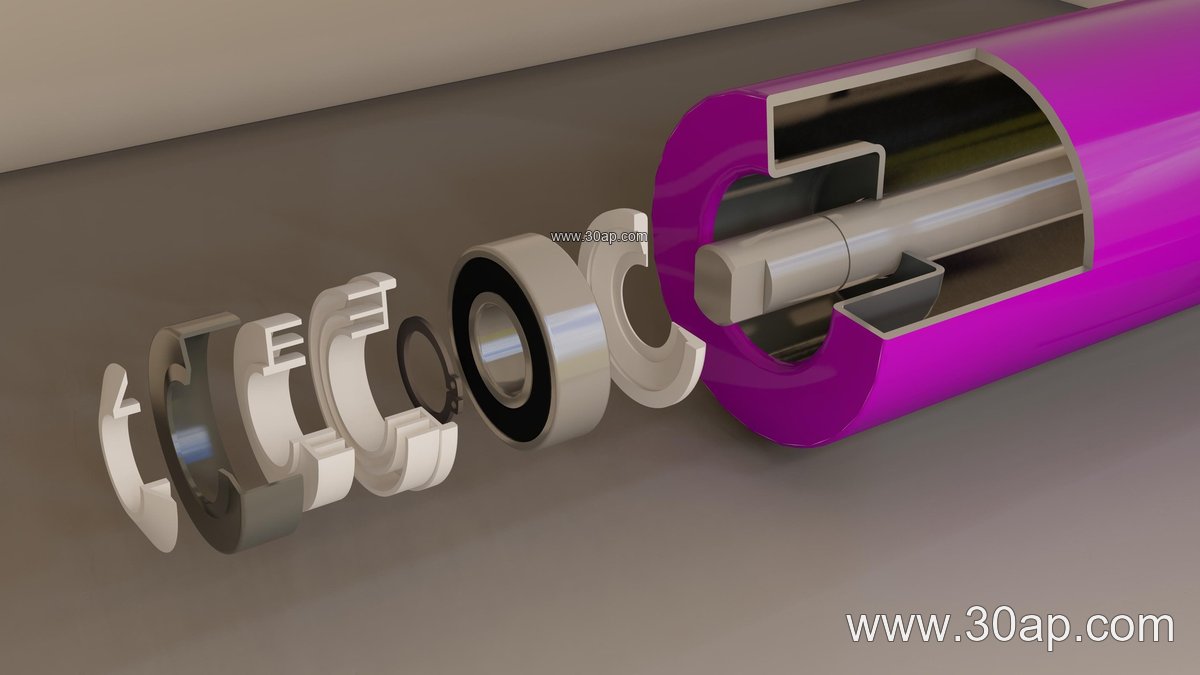
Typical build details include:
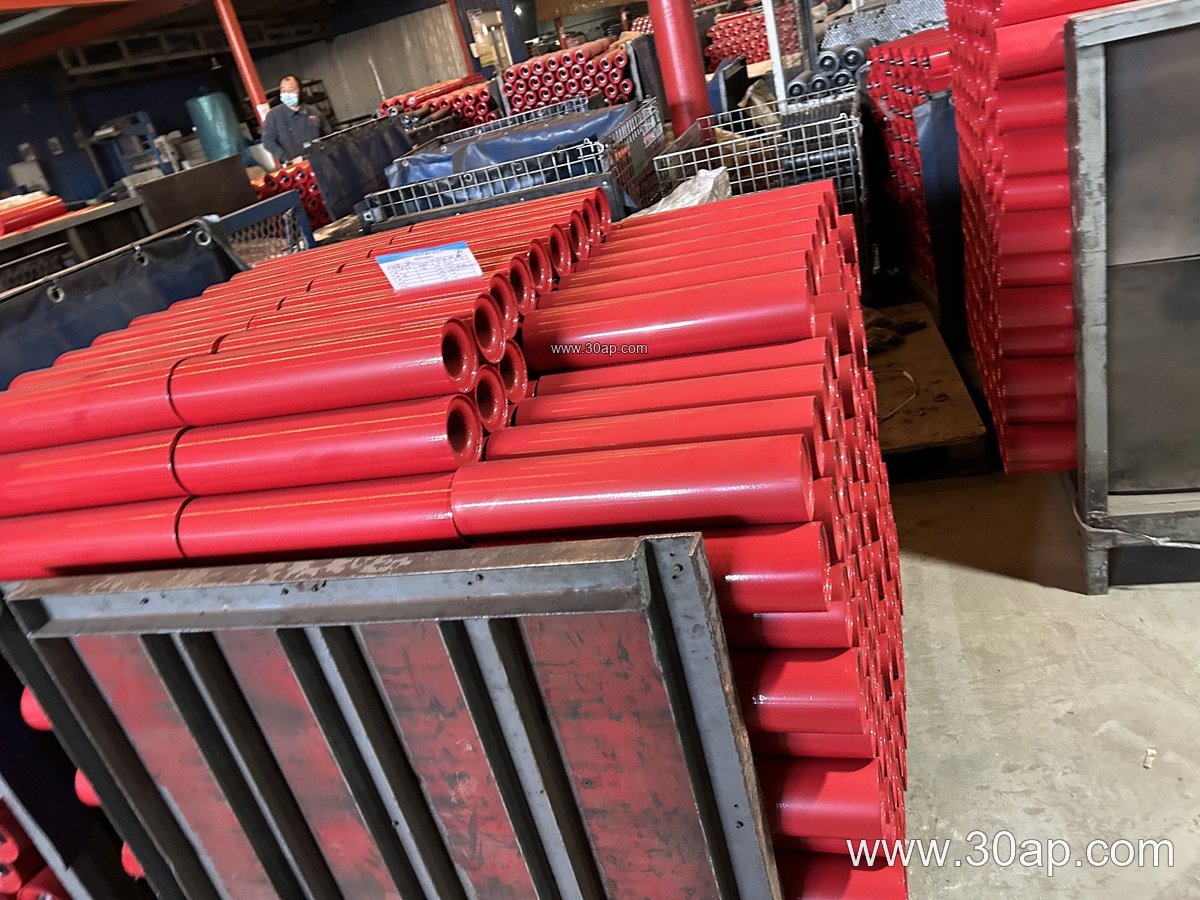
- Shell diameter: 108 mm nominal
- Bearing options: 6205, 6305 or 6306, selected by load and shaft design
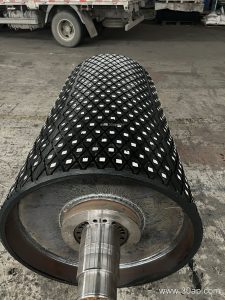
- Surface options: plain steel, rubber-covered or ceramic-faced, depending on grip and wear needs
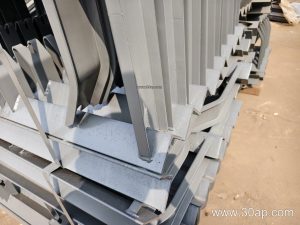
- Frame: pivoting bracket with adjustable clearance, often paired with a standard conveyor bracket
Sealing matters as much as the tracking geometry. In dusty service, a labyrinth seal and good grease retention keep grit out of the bearing, which is what allows the roller to keep turning freely and respond to belt drift.
Where It Fits on the Conveyor
Self-aligning rollers are commonly placed on the carrying side near the tail, before the head pulley, and at intervals along long runs. On the return side, a V-type or flat self-aligning roller set is often used to keep the belt centered before it enters the tail pulley. They are not a substitute for a drive pulley, tail pulley or bend pulley; those components transmit power and change belt direction, while the idler only supports and guides.
Common duty points include:
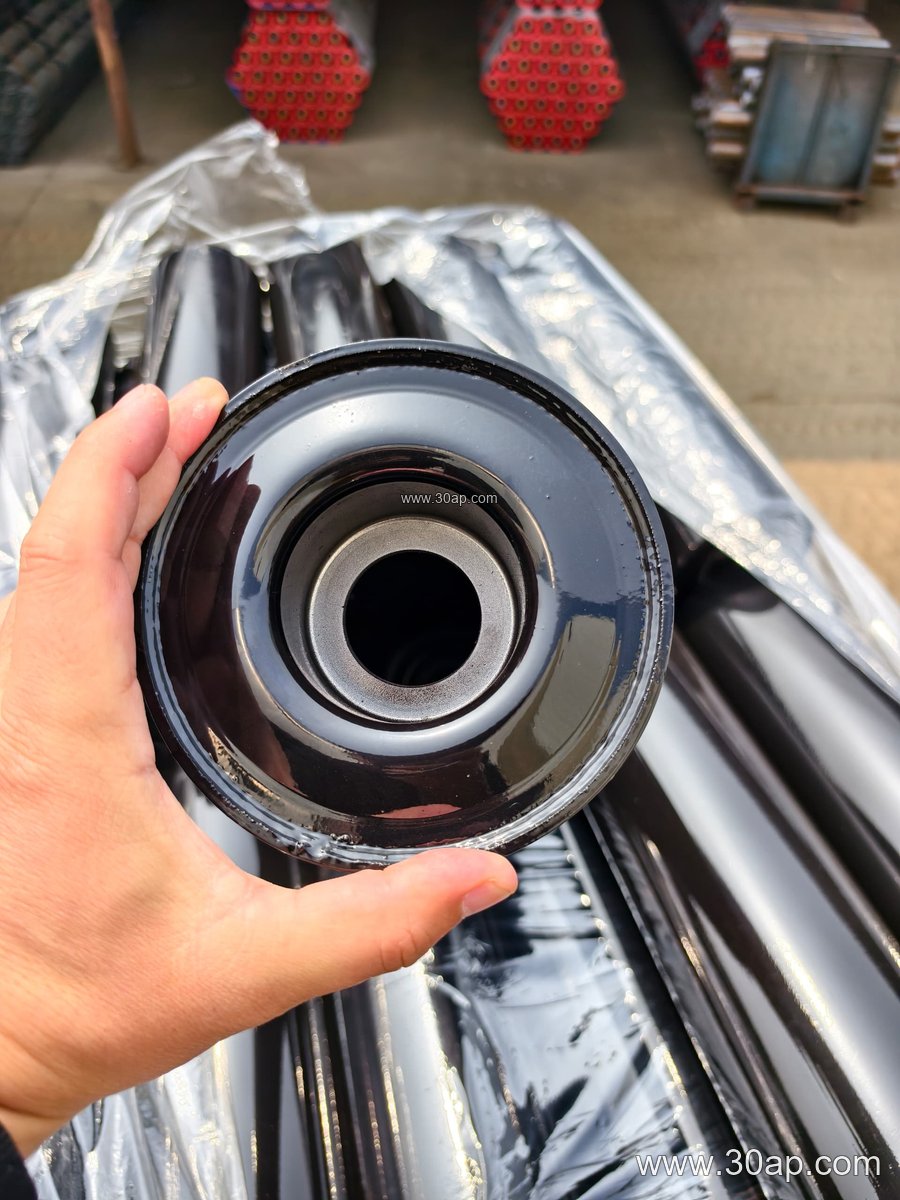
- Quarry and aggregate lines where belt wander follows uneven loading
- Coal handling and power plant coal yards with dust and moisture
- Cement plants and clinker conveyors with abrasive fines
- Iron ore and copper ore transfer points with heavy, sharp material
Because misalignment often starts where material lands off-center, a self-aligning idler near the loading zone is often more effective than several units far downstream.
Matching Diameter, Belt Width and Roll Length
The 108 mm shell is a mid-range size that suits many medium-duty conveyors. Roll length is not fixed by diameter alone; it follows belt width, trough angle and the roller set configuration. The following values are common examples, not universal pairings:
| Belt width | Typical roll length, three-roll trough set |
|---|---|
| B500 | about 200 mm |
| B650 | about 250 mm |
| B800 | about 315 mm |
| B1000 | about 380 mm |
| B1200 | about 465 mm |
| B1400 | about 530 mm |
| B1600 | about 600 mm |
Side rollers and center rollers can differ in length, and a self-aligning frame may use its own geometry. Buyers should confirm the shaft diameter, bearing seat and bracket hole spacing against the existing conveyor bracket rather than assuming a match from belt width alone.
Buyer Checklist
Before ordering, confirm the nominal diameter, roll length, shaft ends, bearing number and mounting pattern. Ask whether the frame is designed for the carrying side or the return side, and whether the surface should be plain steel or rubber-covered for grip. On abrasive duties such as a crusher conveyor or a heavy-duty mining conveyor, a wear-resistant shell and good sealing usually matter more than a small price difference.
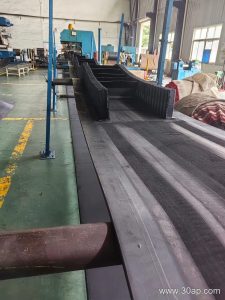
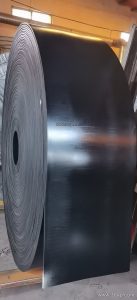
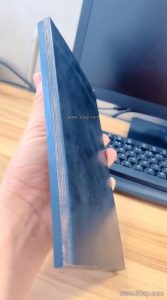
Also check compatibility with the belt itself. A very stiff or heavily loaded belt may need a larger roller or a different training arrangement, and a chevron conveyor belt or corrugated sidewall belt can behave differently at the guide rollers than a flat belt. For steep or high-tension routes, the choice of EP conveyor belt or steel cord conveyor belt affects how much tracking correction the idler can reasonably provide.
Finally, plan a simple inspection routine: check for seized rollers, worn seals, loose brackets and material buildup on the frame. A freely turning Ø108 self-aligning idler corrects drift with little effort; a sticking one can make belt misalignment worse.