What a Drive Lagged Pulley Does
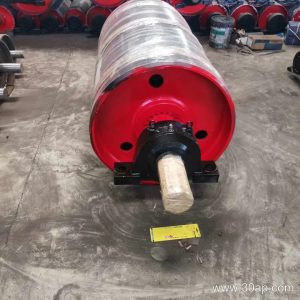
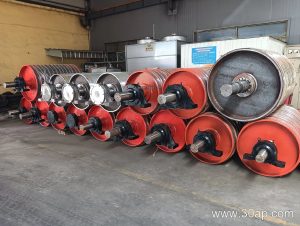
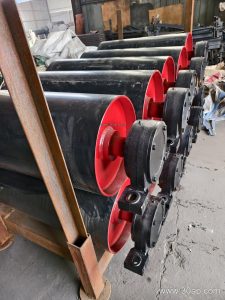
A drive lagged pulley, also called a lagged head pulley, is the powered pulley at the discharge end of a belt conveyor. Its rubber or ceramic lagging grips the conveyor belt so the motor’s torque turns into forward motion instead of slip. In a quarry, cement plant, or power station coal yard, that grip is what keeps a fully loaded belt moving at a steady speed.
The lagging also protects the pulley shell from wear and helps shed water and fines. Without it, a smooth steel face would lose traction quickly on wet or dusty belts, especially when the conveyor starts under load.
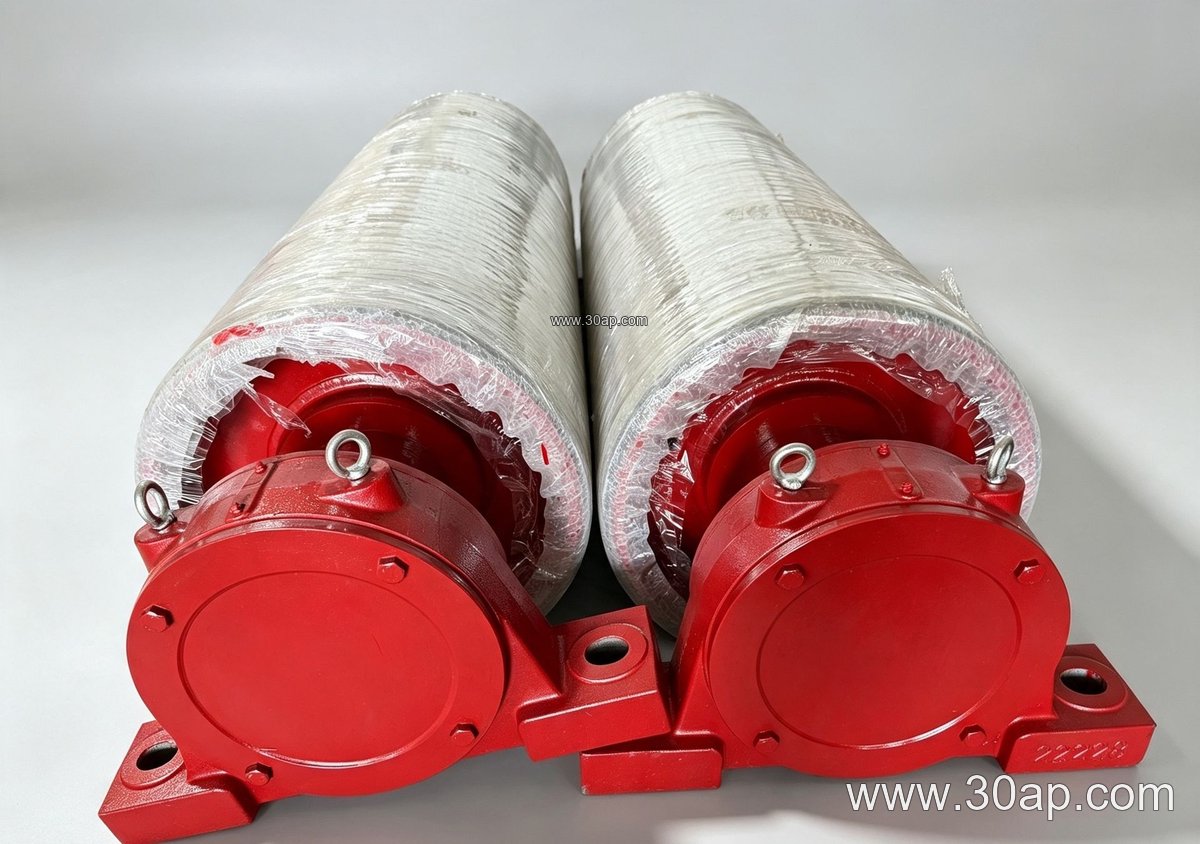
Construction and Lagging Options
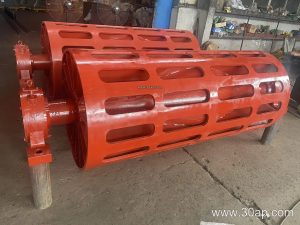
The pulley body is usually a welded steel drum with a shaft, hubs, and end discs. The lagging is applied in one of several ways:
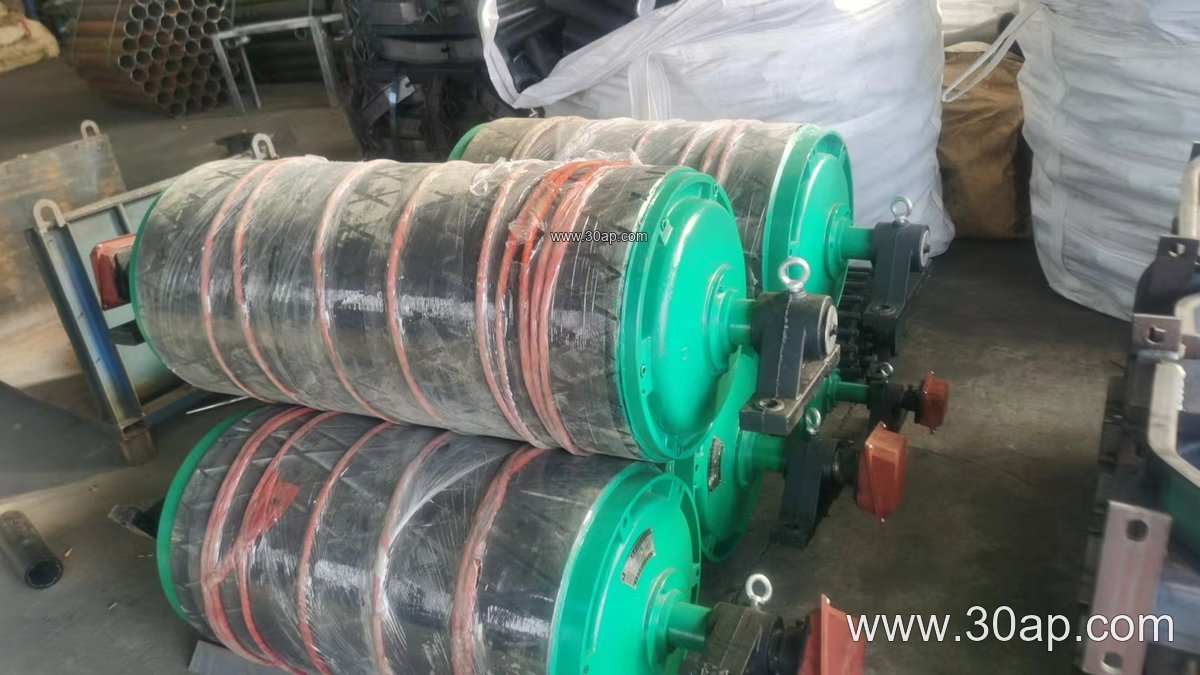
- Hot-vulcanized rubber lagging, bonded under heat and pressure for heavy-duty grip.
- Cold-bonded rubber lagging, often chosen for field replacement.
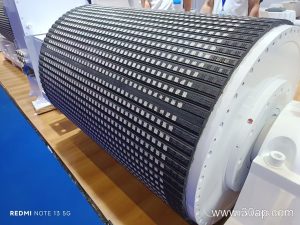
- Diamond or herringbone grooved rubber, which improves water evacuation on wet belts.
- Ceramic lagging, used where abrasive dust and high slip risk are present.
Common lagging thicknesses are 8, 10, 12, 15, and 20 mm. The right choice depends on belt speed, load, and environment rather than on one fixed rule.
Sizing the Pulley to the Belt
A drive lagged pulley is normally wider than the belt it carries. For example, a B800 belt often runs on a pulley with a face width around 950 mm, and a B1200 belt may use a face width near 1400 mm. Diameter is selected from torque and belt tension, not from belt width alone. Typical combinations include B800 × Ø500 and B1200 × Ø1000, but these are design examples, not fixed pairs.
Shaft diameter is determined by the calculated torque and radial load. Common shaft sizes range from Ø50 to Ø200, and a larger belt width does not automatically mean a specific shaft size.
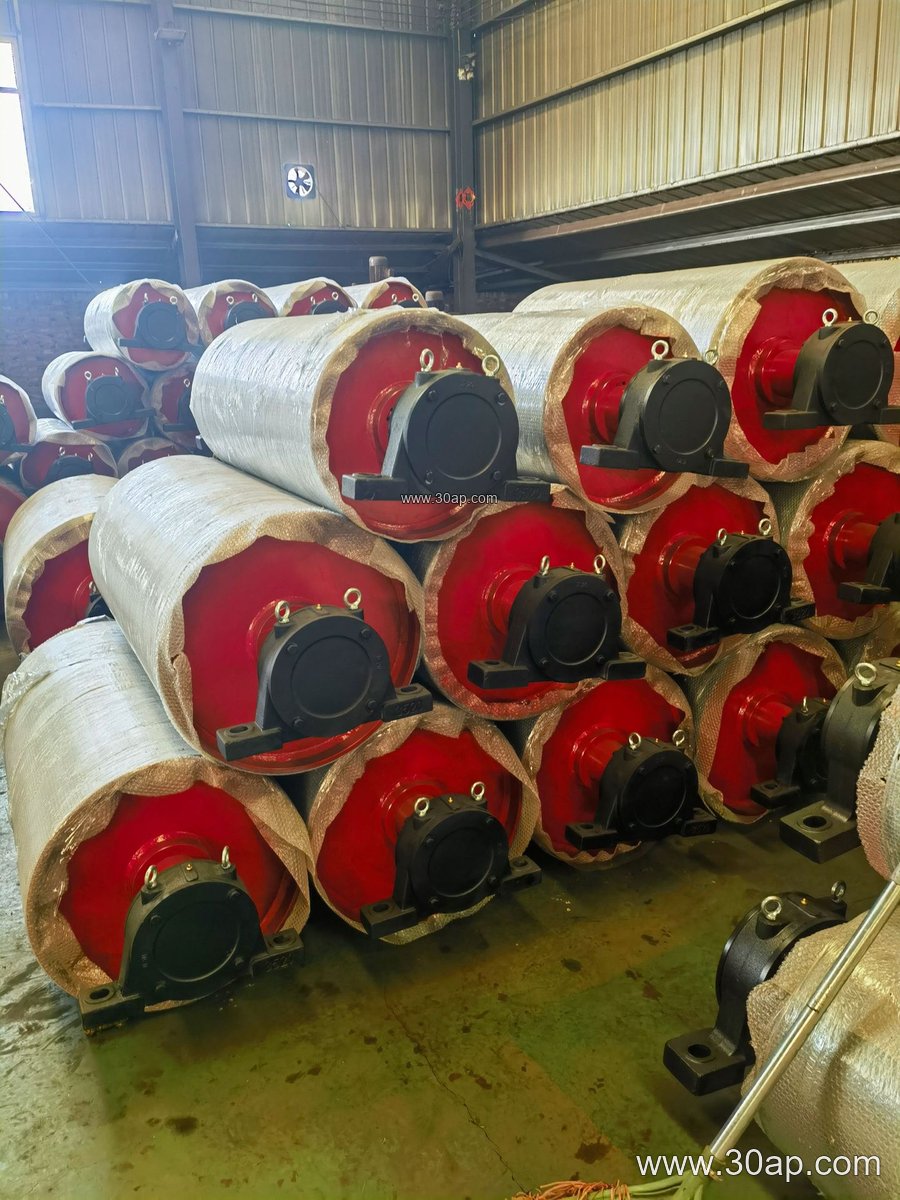
Where It Fits in the Conveyor
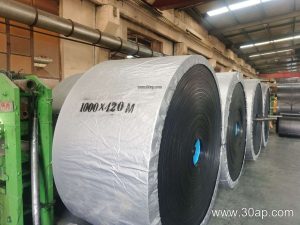
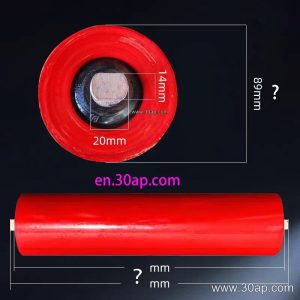
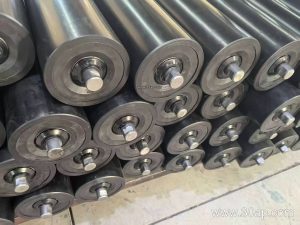
The drive pulley sits at the head of the conveyor, where material is discharged. It works with the conveyor belt, idler rollers, and conveyor brackets to form the complete drive station. In a coal mining conveyor or a limestone quarry line, the drive lagged pulley is often the largest pulley on the machine.
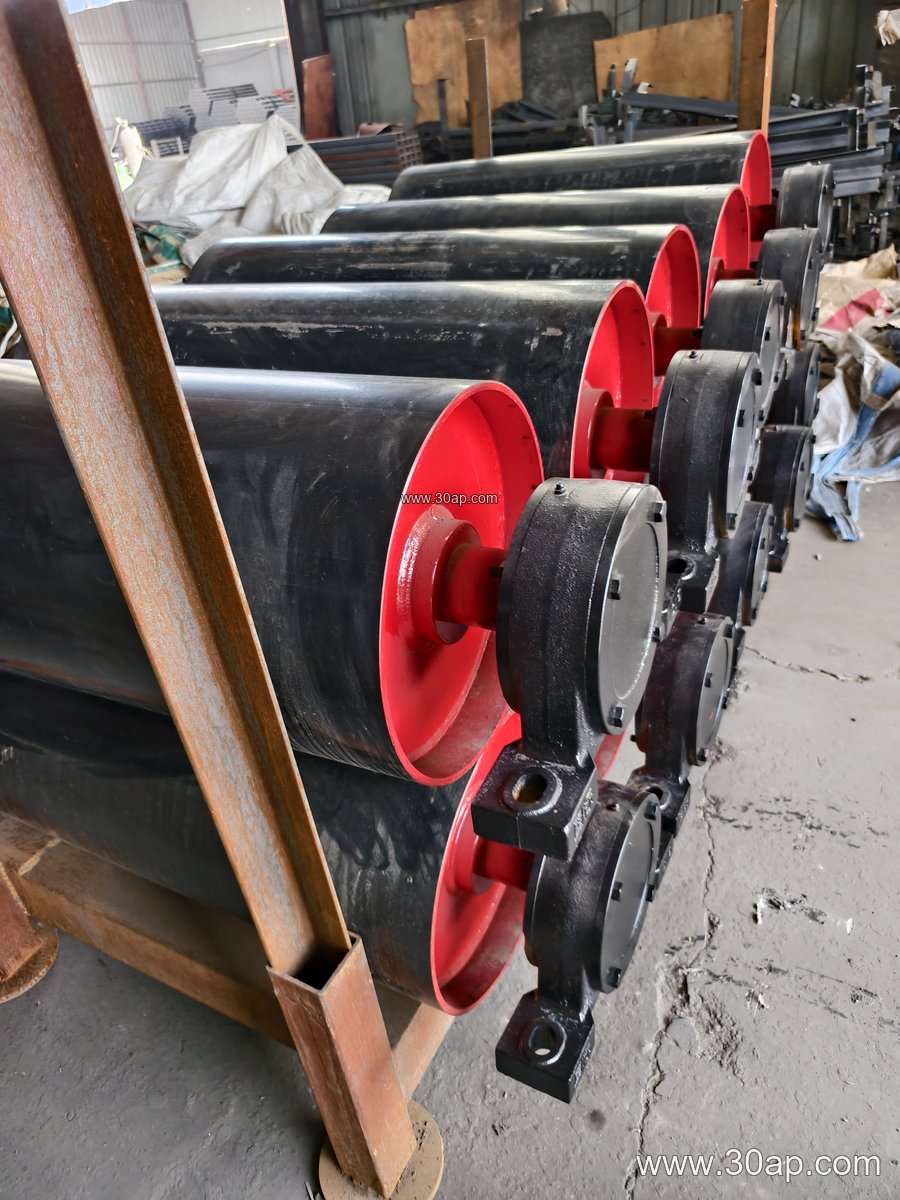
Other pulley types serve different roles: a tail pulley returns the belt at the loading end, and a bend pulley changes belt direction. They are not interchangeable with the drive pulley, although they may share similar lagging materials.
Buyer Checklist
When specifying a drive lagged pulley, gather the belt width, belt type, motor power, and expected load. For a heavy-duty mining conveyor belt or an abrasion resistant conveyor belt carrying sharp rock, ceramic or thick rubber lagging may be preferred. In a cement plant or power plant, dust and heat resistance matter as well. Ask for the lagging thickness, groove pattern, shaft size, and bearing arrangement in writing. Confirm that the pulley face width matches the belt and that the lagging is suitable for the local environment.
For more conveyor components, visit our site for conveyor pulley, idler roller, and conveyor bracket options.