What a Sealed Idler Does on a Conveyor
A sealed idler is a conveyor idler roller with a protected bearing arrangement, designed to keep fine dust, grit and moisture away from the bearings while the belt is running. In a quarry, limestone mine, iron ore plant or sand and gravel line, the idler roller sits under the loaded belt on the carrying side or beneath the return strand, and its seals are often the difference between a roller that turns freely for years and one that locks up in a few months. The sealed idler is not a separate conveyor pulley type; it is a roller family defined by its bearing protection, and it appears in troughing, return, impact and training positions.
Because the seal is the defining feature, buyers should read the specification as a bearing-and-seal package rather than as a simple tube. A sealed idler with a good bearing but a poor seal will still fail early in a cement plant or coal handling circuit.
How the Sealed Construction Is Built
A typical sealed idler roller combines a steel tube shell, a shaft, bearing housings and a multi-stage seal. The seal may be a labyrinth design, a contact lip seal, or a combination that throws off dust before it reaches the bearing. Bearing sizes commonly seen in this family include 6204, 6205, 6305, 6306, 6308 and 6310, and the correct bearing is matched to the roller diameter and load, not chosen by belt width alone. Surface options range from plain steel to nylon, ceramic or rubber rings, depending on whether the application needs abrasion resistance, material build-up control or impact cushioning.
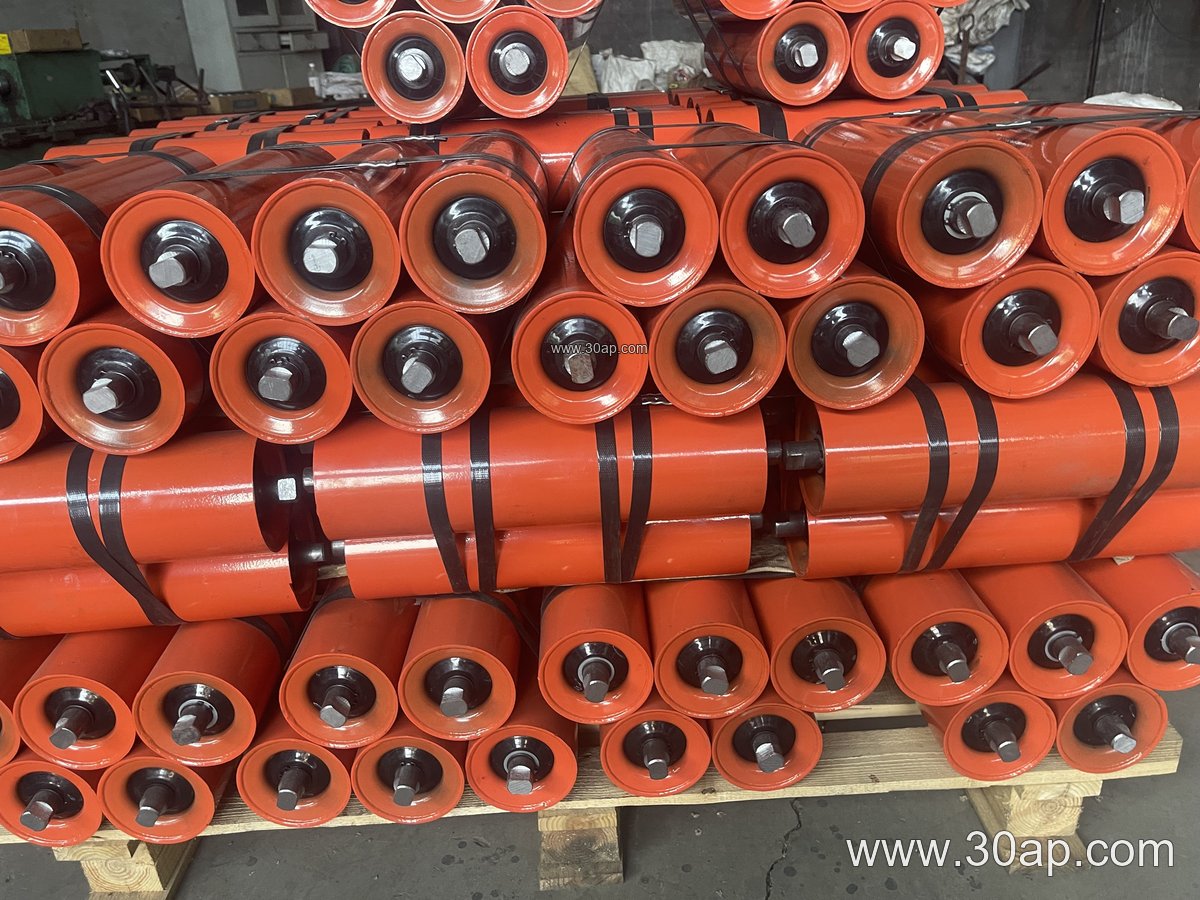
The roller diameter and length follow the conveyor design. Common diameters include Ø63, Ø76, Ø89, Ø102, Ø108, Ø127, Ø133, Ø159, Ø178, Ø194 and Ø219 mm, and belt widths run from B400 up to B2400. For a three-roll troughing set, typical roller lengths are around 200 mm for B500, 250 mm for B650, 315 mm for B800, 380 mm for B1000, 465 mm for B1200, 530 mm for B1400, 600 mm for B1600, 670 mm for B1800 and 750 mm for B2000. These are common examples only; side rollers and centre rollers can differ, and the final length is set by the trough angle and the frame design.
Where Sealed Idlers Are Used
Sealed idlers are common in dusty and wet environments where open bearings would suffer. In a limestone quarry or aggregate conveyor line, the return idler and the troughing idler are exposed to stone dust and wash-down water. In a coal mining conveyor or a power plant coal handling system, fine coal dust and moisture make seal quality important. In a cement plant, the idler roller under a clinker or raw meal belt faces abrasive dust that can penetrate ordinary seals. The same sealed construction is used on a conveyor belt carrying bulk material in a port, a steel plant or a crushing and screening circuit.
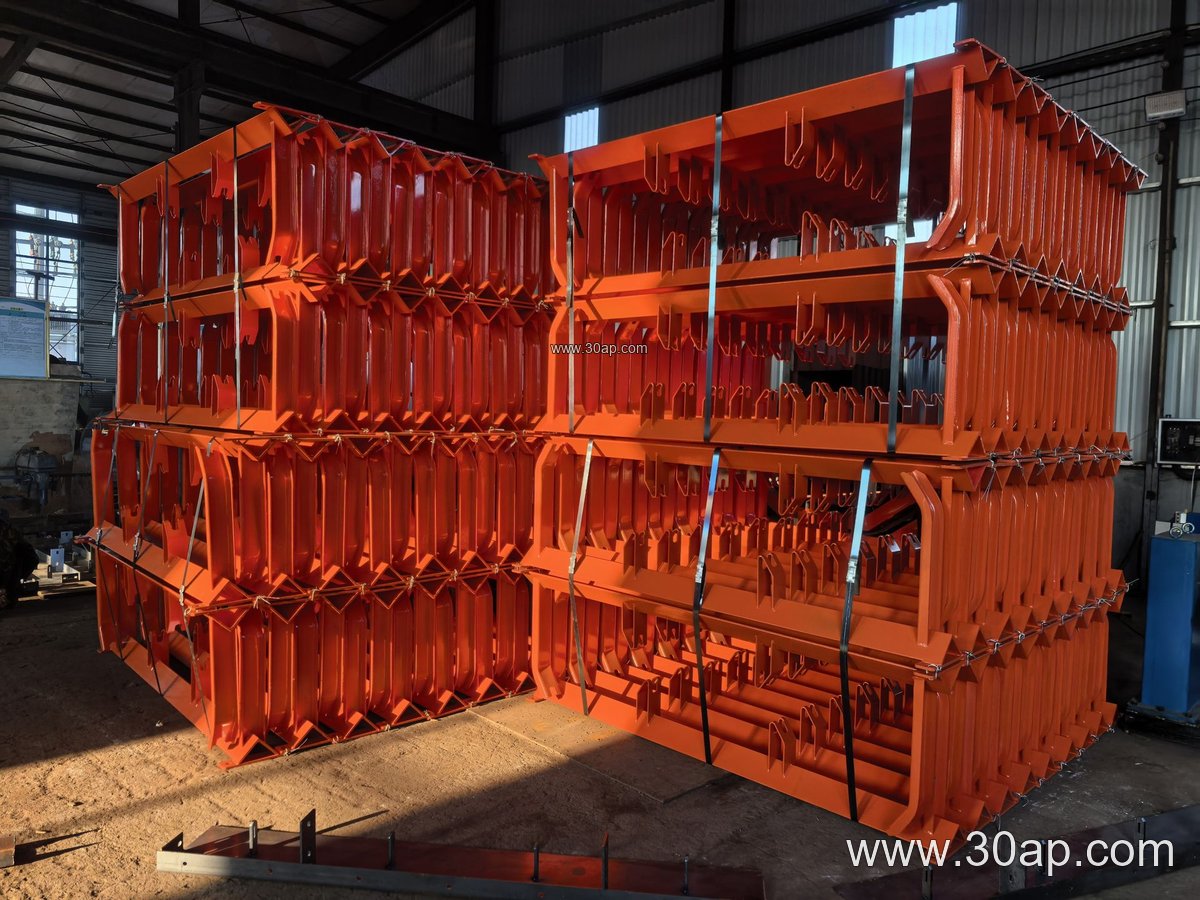
The idler works together with the conveyor belt, the conveyor pulley at the drive and tail, and the conveyor bracket that holds the roller in place. A sealed idler does not replace a drive pulley or a bend pulley, and it should not be selected as if it were one. It is a rotating support element, and its job is to keep the belt supported with low friction.
Choosing the Right Sealed Idler
Selection starts with the belt width, the trough angle and the load. Common trough angles are 20, 30, 35 and 45 degrees, and the angle affects the roller length and the way the belt is supported. The belt itself may be a rubber conveyor belt, an EP conveyor belt, an NN conveyor belt, a fabric core conveyor belt or a steel cord conveyor belt, and the idler should suit the belt speed and the material being carried. In a mine or a cement plant, a flame retardant conveyor belt or a heat resistant conveyor belt may be used, and the idler seal should tolerate the local dust and temperature.
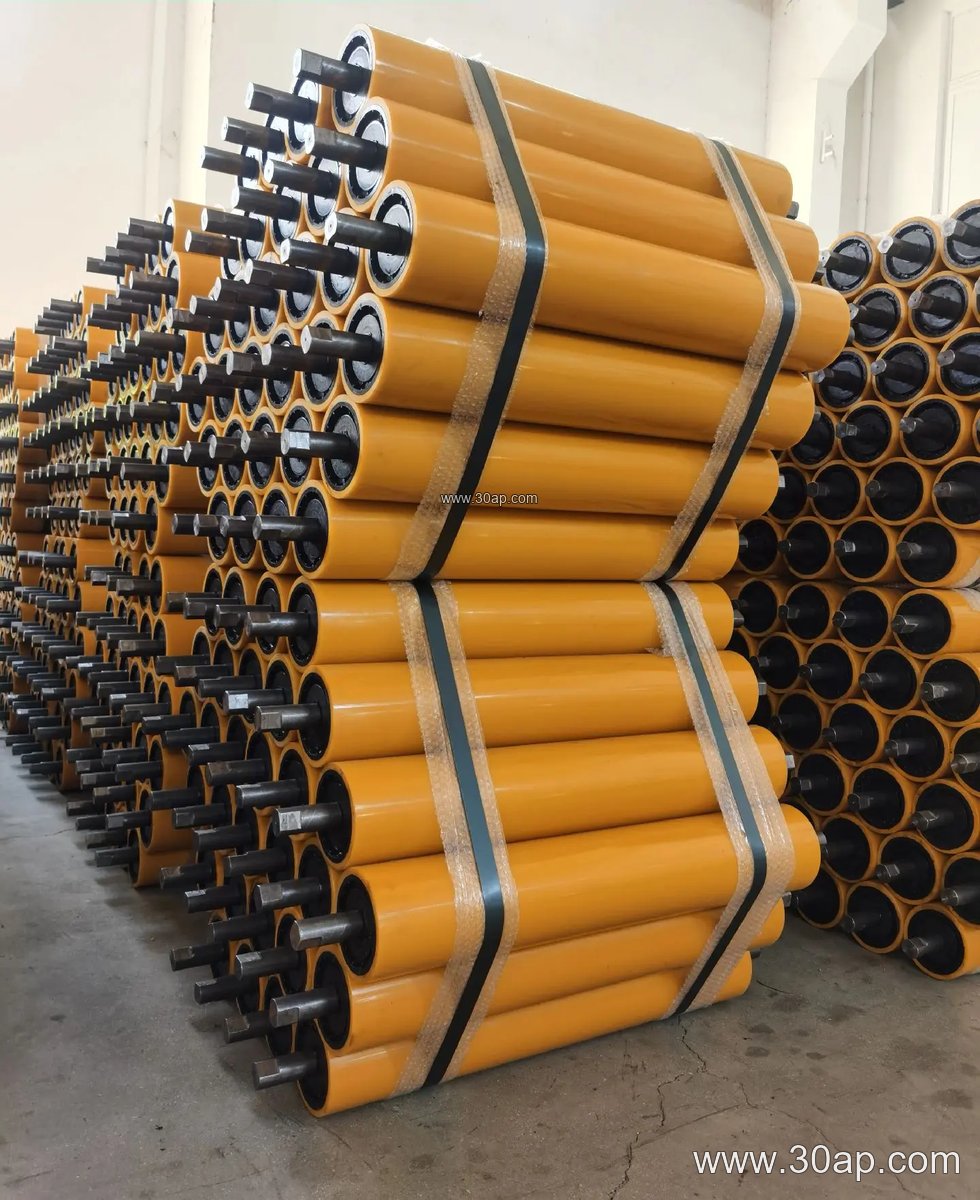
Buyers should ask for the bearing number, the seal type, the roller diameter, the wall thickness and the shaft diameter as a set. It is not accurate to assume that one belt width can only match one pulley diameter, or to invent a shaft size from the belt width alone. The conveyor bracket spacing and the frame dimensions also matter, because a sealed idler that does not fit the bracket will not run true.
- Check the seal design for the dust level at the transfer point.
- Match the roller diameter to the belt load and speed.
- Confirm the roller length against the trough angle and frame.
- Use impact or rubber-ring idlers where lump size is large.
- Keep spare sealed idlers for critical return positions.
Maintenance Notes for Sealed Idlers
A sealed idler needs less greasing than an open bearing roller, but it still needs inspection. Listen for squealing, check for a seized roller, and look for material build-up on the shell. In a quarry or a coal yard, a failed return idler can wear the belt quickly, so replacing a sealed idler before the seal is destroyed is cheaper than replacing the belt. Keep the conveyor bracket clean and aligned, and do not mix sealed and unsealed idlers in the same critical run without checking the load balance.
For most bulk material conveyors, the sealed idler is a practical choice where dust and moisture are present. The key is to specify the seal, bearing and dimensions together, and to treat the roller as part of the whole conveyor system rather than as a standalone part.