What an Automatic Belt Tracking Idler Does
An automatic belt tracking idler is a self-correcting roller assembly that keeps a conveyor belt centered along the carrying run. When a belt begins to drift toward one side, the angled rollers of the tracking idler steer it back without any operator input. In a quarry or a coal handling plant, where a misaligned belt can spill material and rub against the frame, this kind of idler reduces downtime and protects the belt edge.
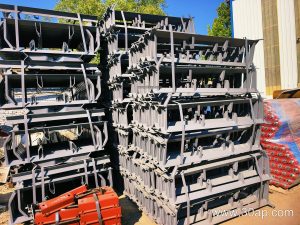
Unlike a fixed trougher, the self-aligning idler is mounted so that it can pivot slightly. As the belt contacts the rollers off-center, the resulting force rotates the assembly, and the angled roller surfaces guide the belt back to the centerline. This is the same product often described as a self-aligning idler or automatic training idler, and the terms refer to the same belt-centering roller set.
How the Assembly Is Built
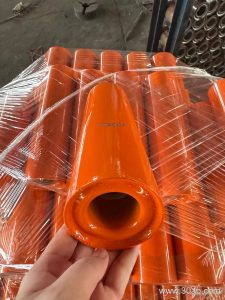
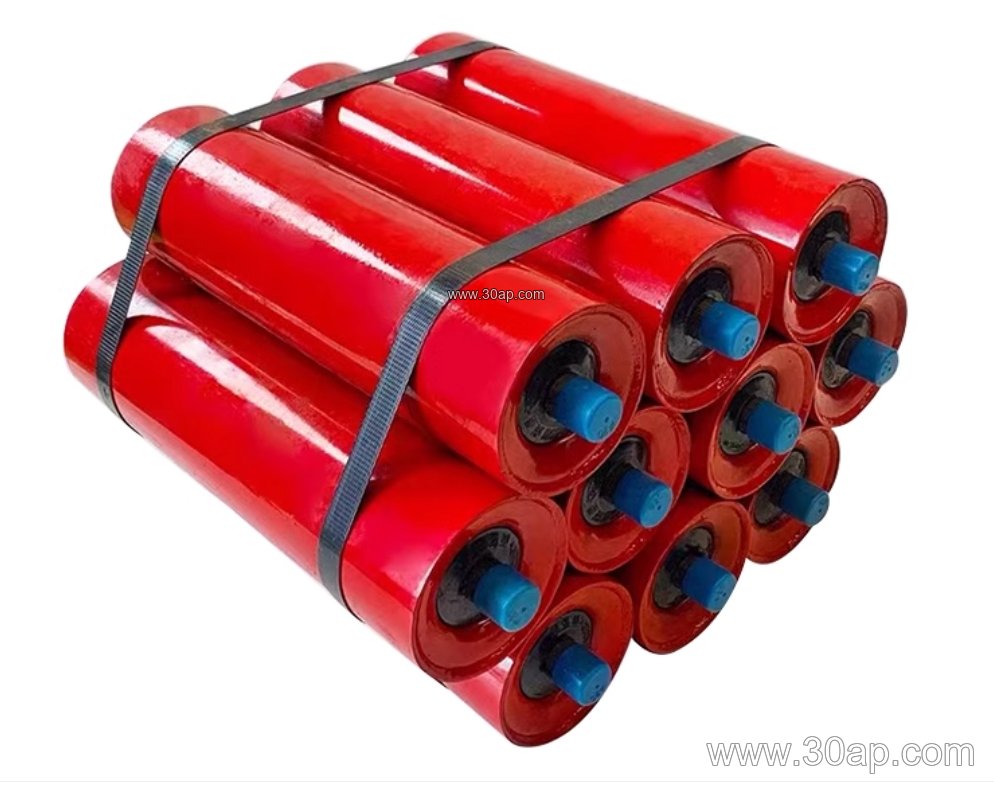
A typical unit combines a sturdy frame, two or three rollers, and a pivot mechanism. The rollers usually carry a steel tube shell, though nylon or rubber-covered versions are available where grip or noise reduction matters. Bearings such as 6205, 6305, or 6308 are common, matched to the roller diameter and load rather than to belt width alone.
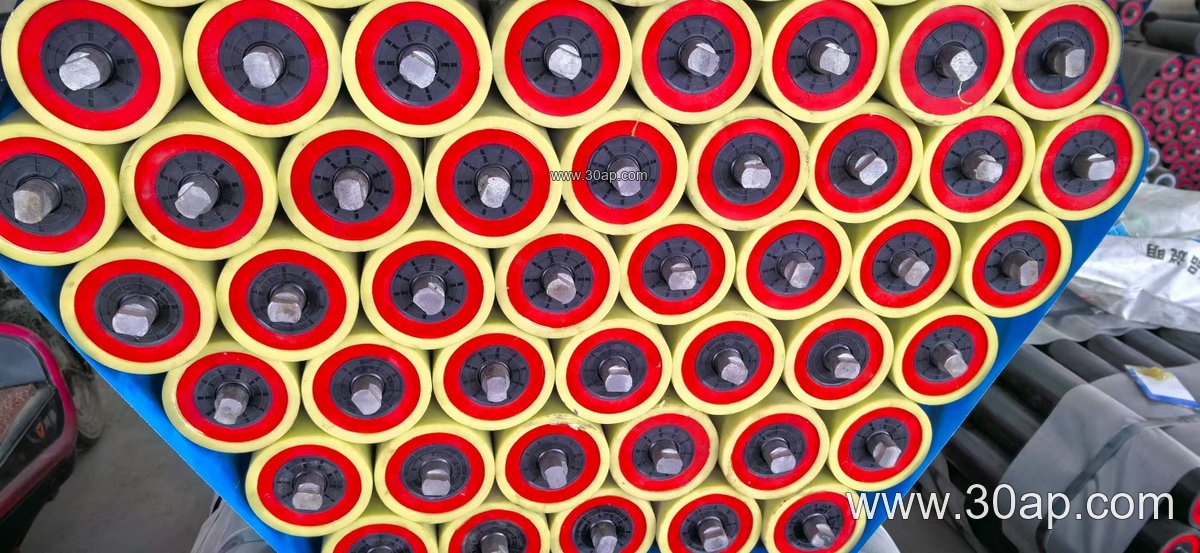
Common roller diameters include Ø89, Ø108, Ø127, and Ø159 mm, while the trough angle is often 20, 30, or 35 degrees, with 45 degrees used on some high-capacity lines. A slight forward tilt of about 1.5 to 2 degrees is sometimes built into the tracking rollers to improve self-centering. Roller length varies with belt width and trough form; for example, a three-roll trough set may use roughly 315 mm rollers around B800 and about 465 mm around B1200, but these are reference examples rather than fixed pairings.
Where It Fits on the Conveyor
Tracking idlers are normally installed on the carrying side, spaced along the run where belt wander is most likely, such as after a loading point or on a long incline. They are not a substitute for a drive pulley, tail pulley, or bend pulley, which serve different functions in the conveyor layout. A conveyor pulley at the head or tail turns the belt, while the tracking idler only corrects lateral position.
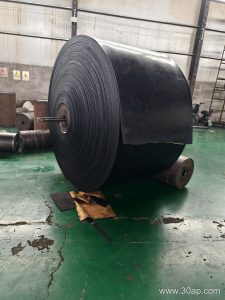
In a limestone quarry feeding a crusher, or in a coal yard transferring fuel to a power plant, the tracking idler often works alongside a heavy-duty mining conveyor belt carrying abrasive rock. On lines handling wet or sticky material, a rubber-covered roller surface can help maintain contact. Where the belt is a flame retardant conveyor belt in an underground coal mining conveyor, the idler frame and roller finish should match the site’s fire-safety requirements.
Common Sizes and Configurations
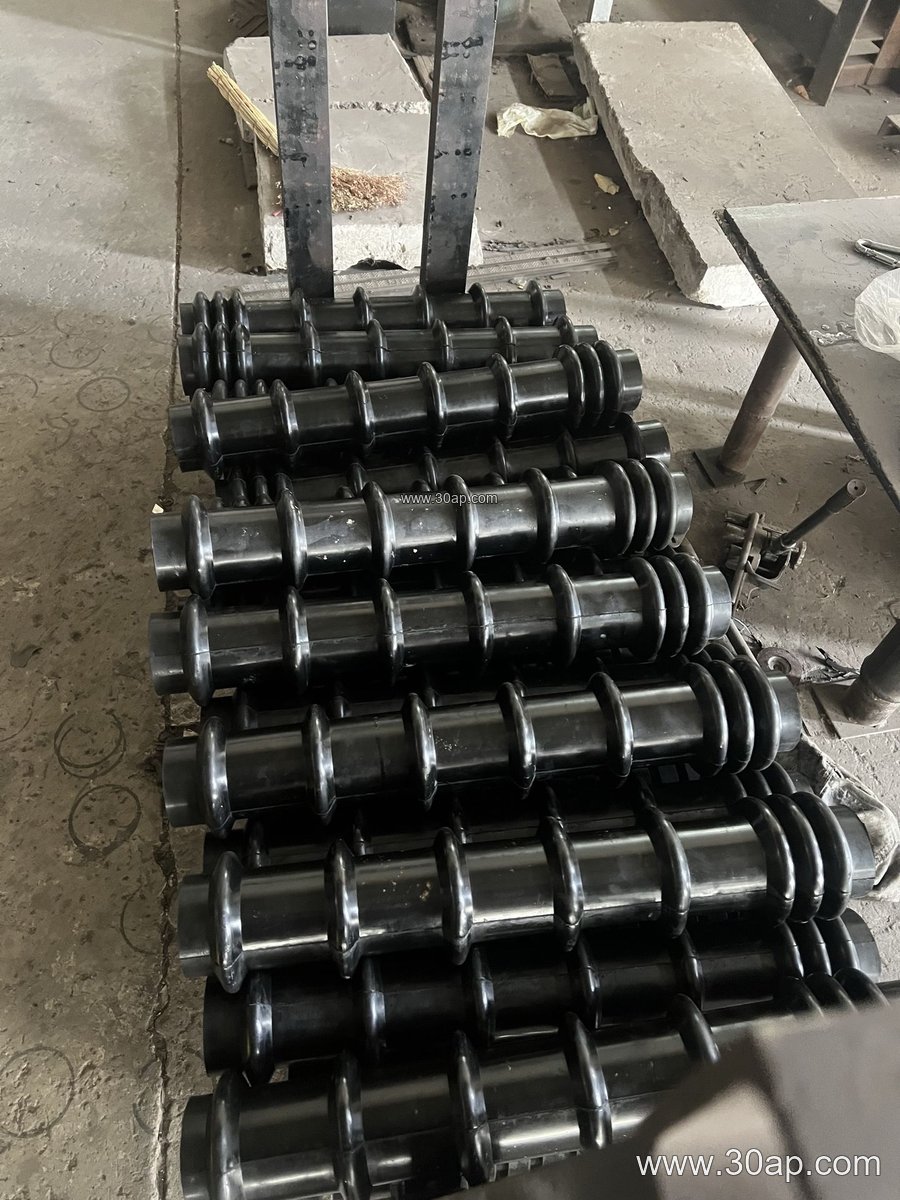
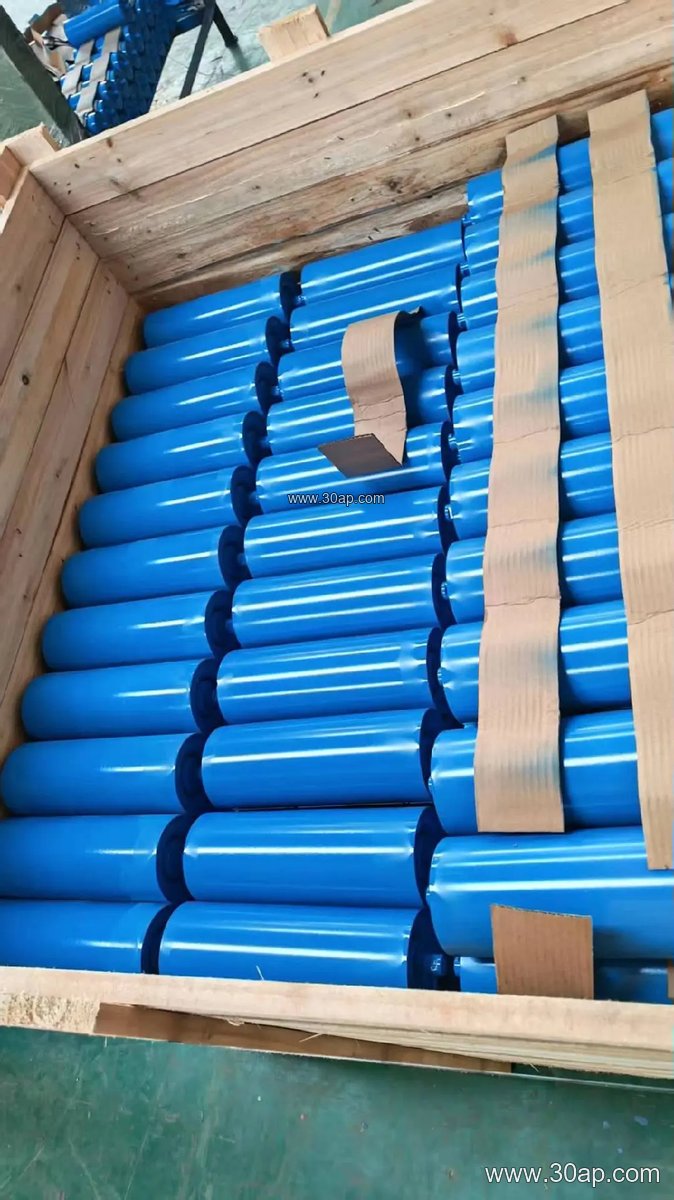
Buyers usually specify the belt width, roller diameter, trough angle, and mounting bracket. The table below gives common reference values; final dimensions are confirmed by design.
| Parameter | Common options |
|---|---|
| Belt width | B500, B650, B800, B1000, B1200, B1400, B1600 |
| Roller diameter | Ø76, Ø89, Ø108, Ø127, Ø133, Ø159 |
| Trough angle | 20°, 30°, 35°, 45° |
| Roller surface | Steel tube, nylon, rubber ring |
| Bearing | 6204, 6205, 6305, 6306, 6308 |
| Mounting | Conveyor bracket, pivoting frame |
Matching a 500mm conveyor belt to a Ø89 roller is common, but a 1200mm wide conveyor belt may use Ø127 or Ø159 rollers depending on load. There is no rule that one belt width must pair with one pulley diameter.
Selection and Maintenance Notes
Choose the tracking idler to suit the belt type and the material being carried. A steel cord conveyor belt on a long overland run behaves differently from a multi-ply fabric core belt on a short transfer. In a cement plant or aggregate conveyor line, a abrasion resistant conveyor belt paired with well-sealed idlers lasts longer in dusty conditions. For hot clinker or sinter, a heat resistant conveyor belt may be used, and the idler bearings should be protected from heat where possible.
- Check that the pivot moves freely and is not seized by dust.
- Inspect roller shells for wear and build-up of sticky material.
- Confirm the bracket is square to the belt centerline during installation.
- Replace damaged rollers before they damage the belt edge.
Used correctly, an automatic belt tracking idler is a simple, low-maintenance way to keep a conveyor belt running true in quarries, coal preparation plants, and bulk material handling systems.