What a Conveyor Vertical Roller Does
A conveyor vertical roller is a guide roller mounted vertically at the edges of a conveyor belt, typically on the carrying side, to keep the belt centered and prevent it from drifting sideways. In many plants it is simply called a vertical guide roller or edge control roller. It is not a drive pulley, tail pulley, or bend pulley—those serve completely different functions in the conveyor drive and return system. The vertical roller works alongside the belt and idler roller set to maintain alignment, especially on long or curved routes where side forces tend to push the belt off track.
Because it spins on a vertical axis, this roller contacts the belt edge rather than the belt surface. That makes it useful in applications where the belt is prone to misalignment due to uneven loading, crosswinds, or structure settlement. You will see it in quarry conveyor lines, coal mining conveyor systems, and cement plant material handling—anywhere an EP conveyor belt or steel cord conveyor belt needs steady edge guidance.
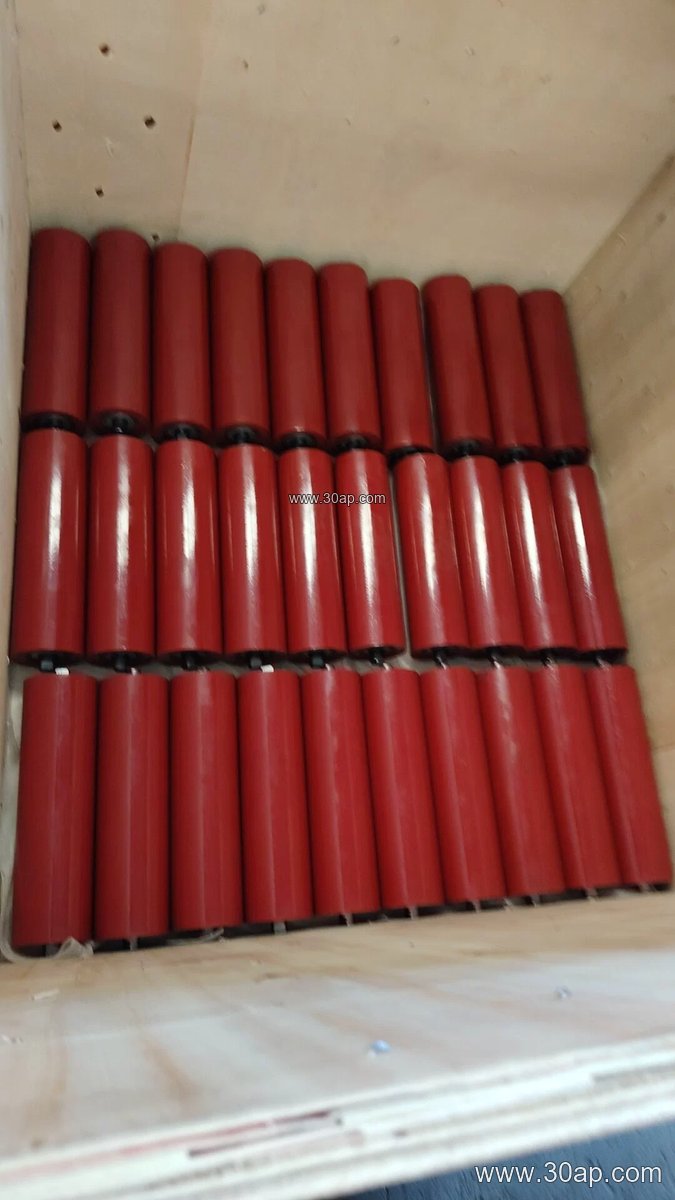
Construction and Mounting
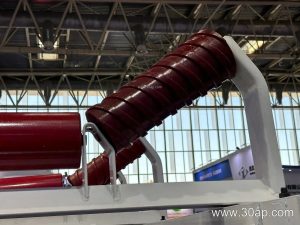
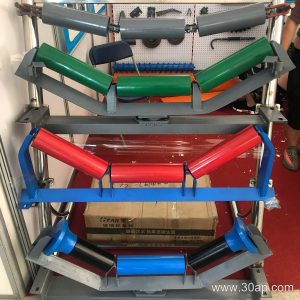
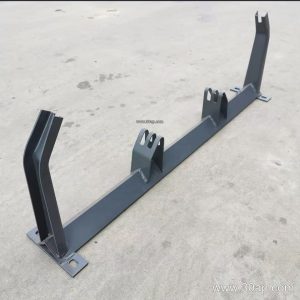
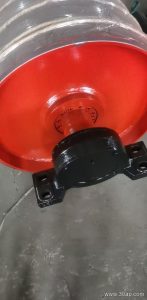
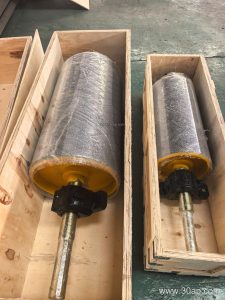
A typical conveyor vertical roller consists of a steel or nylon roller body, a shaft, sealed bearings, and a mounting bracket. The roller body may be plain steel, coated, or fitted with a rubber sleeve for gentler contact with the belt edge. Common bearing sizes include 6204, 6205, and 6305, though the exact bearing depends on the roller diameter and load. The unit is fixed to the conveyor bracket or frame with bolts, and its height is adjusted so the roller touches the belt edge without excessive pressure.
Vertical rollers are often used in pairs—one on each side of the belt—to create a guiding channel. They can be mounted on the carrying side or the return side, but the most common arrangement is at the transition zone before the belt enters a pulley or at curves. Unlike a troughing idler roller that supports the belt from below, the vertical roller only provides lateral restraint.
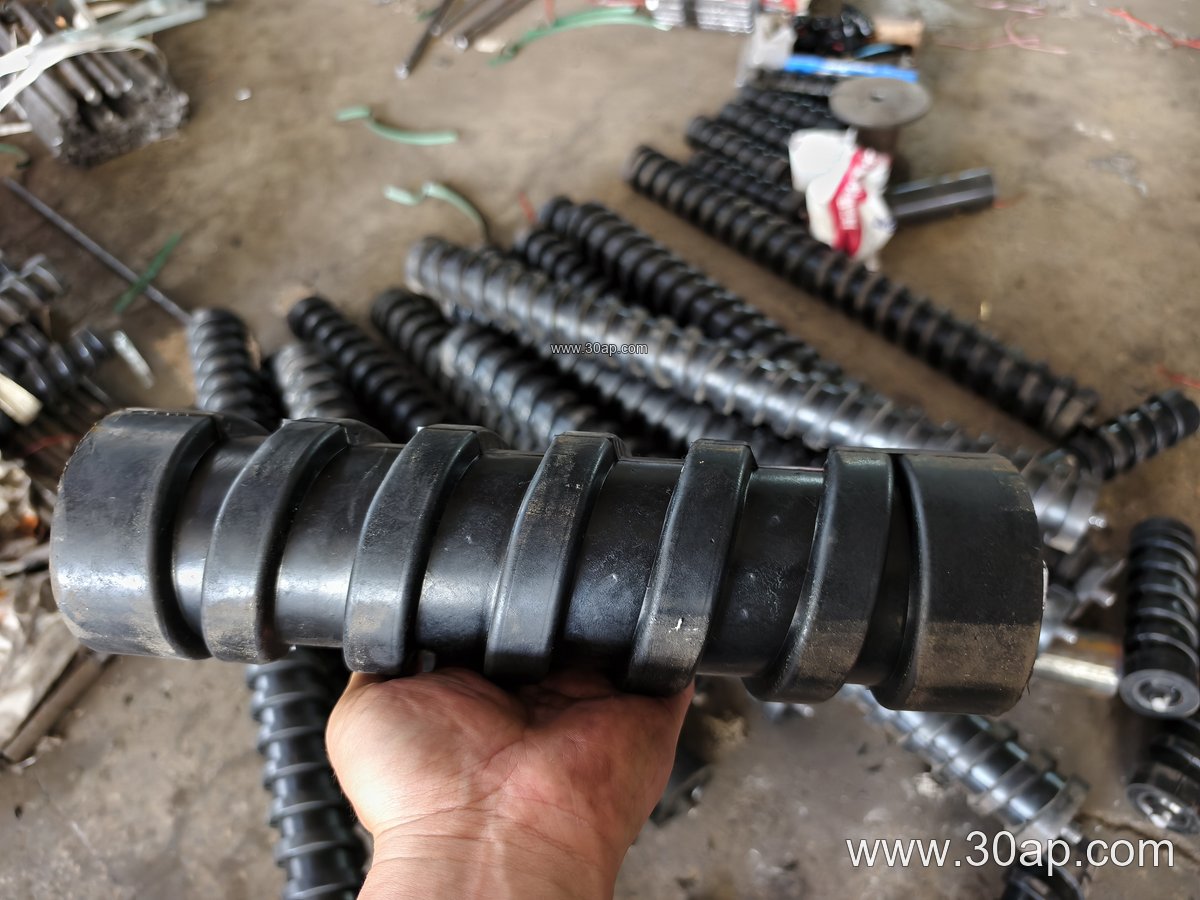
Where It Fits in the Conveyor Layout
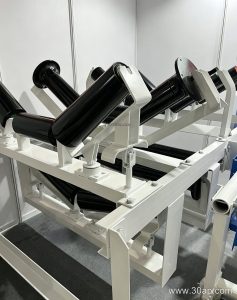
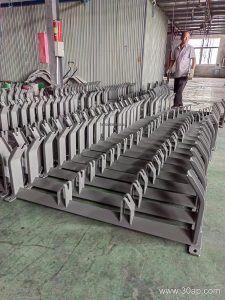
In a typical bulk material conveyor, the belt runs over troughing idlers on the carrying side and return rollers underneath. The vertical roller is an accessory that complements this setup, not a replacement for any primary component. It is frequently seen in:
- Aggregate and sand making plants where belt training is critical
- Coal mining conveyor belts that experience side loading
- Port ship loading conveyors with long horizontal runs
- Power plant coal handling systems using flame retardant conveyor belt
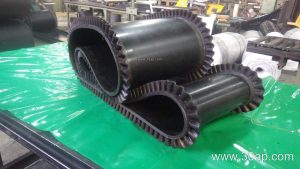
On a pipe conveyor belt, vertical rollers may appear at the transition from flat to pipe shape, but their role is still edge guidance. They are also used on chevron conveyor belt and corrugated sidewall conveyor belt installations where the belt profile can affect tracking. In these cases, the vertical roller must be positioned to avoid interference with cleats or sidewalls.
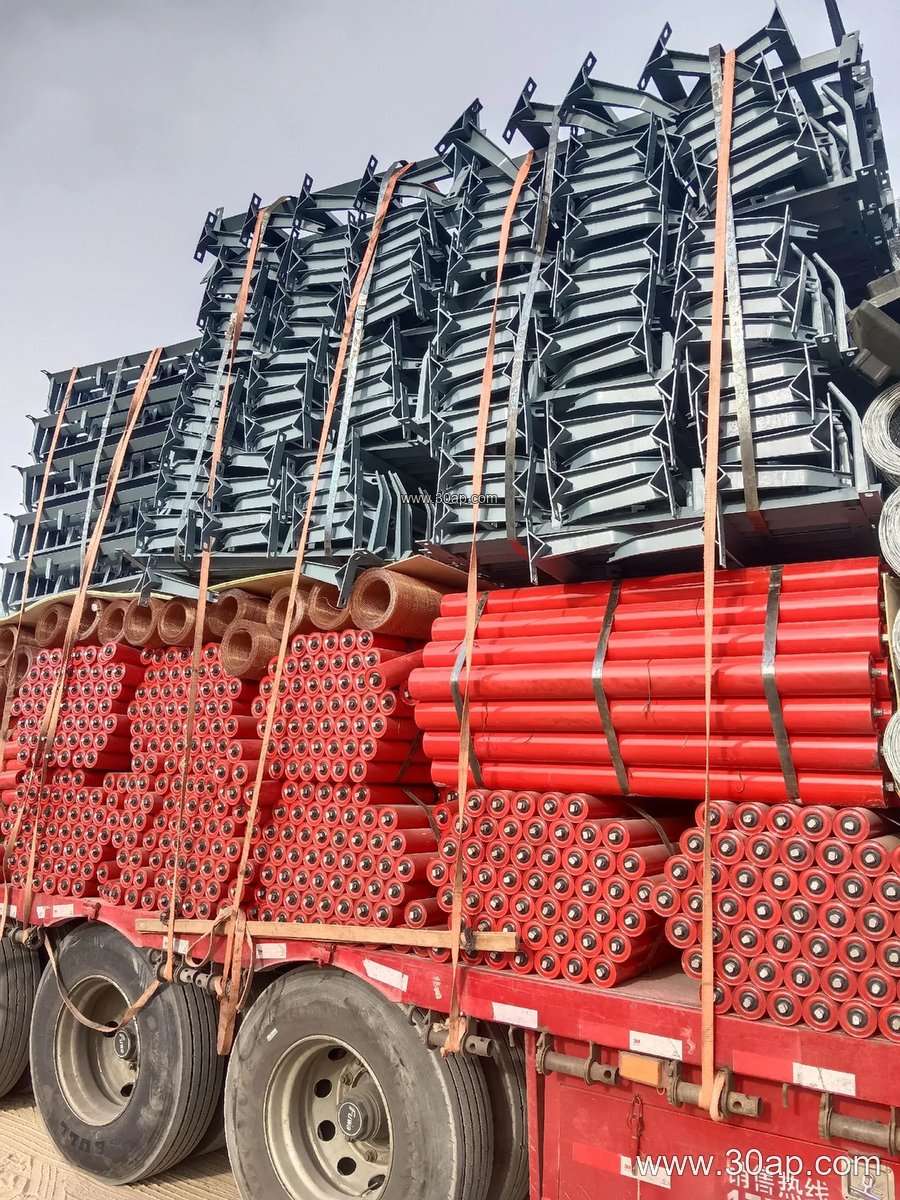
Selection Points for Buyers
When specifying a conveyor vertical roller, consider the belt width, the available mounting space, and the expected side load. Standard roller diameters such as Ø63, Ø76, Ø89, and Ø102 mm cover many light to medium applications. For wider belts like 1200mm conveyor belt or 1400mm conveyor belt, a larger roller diameter may be needed to handle the edge forces. The roller length should match the belt edge contact area, but it is not directly tied to belt width in a fixed ratio.
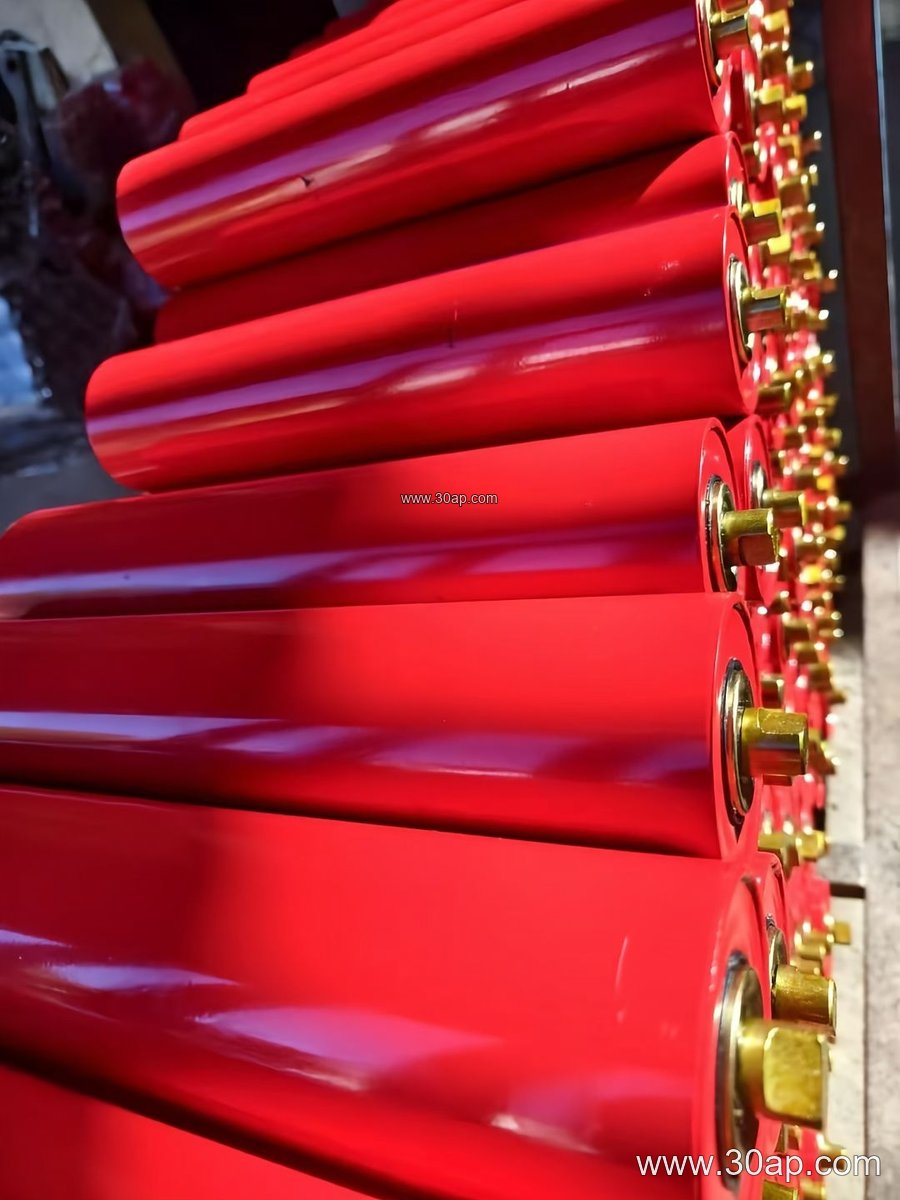
Surface options matter too. A nylon roller reduces wear on the belt edge, while a rubber-covered roller offers better grip and noise reduction. In dusty or wet conditions, sealed bearings are essential. If the conveyor uses a heat resistant conveyor belt or oil resistant conveyor belt, check that the roller materials are compatible with the environment. The mounting bracket should be sturdy enough to resist vibration and allow fine adjustment.
Maintenance and Common Mistakes
Vertical rollers are low-maintenance items, but they should be inspected for free rotation and bearing play. A seized roller can rub against the belt edge and cause rapid wear. Keep the roller surface clean and avoid over-tightening the mounting bracket, which can distort the roller body. Do not use a vertical roller as a substitute for a training idler or a self-aligning idler—those have different designs and functions. Also, never confuse a vertical roller with a bend pulley or tail pulley; they are not interchangeable.
For plants running abrasive materials like iron ore or copper ore, consider a roller with a hardened surface. In cold climates, check that the bearing grease remains flexible. And when replacing a roller, match the shaft diameter and bracket hole pattern to the existing conveyor bracket to avoid rework.
Summary
The conveyor vertical roller is a small but important component for belt tracking in mining, quarrying, cement, and power applications. By understanding its mounting position, construction, and selection criteria, buyers can improve belt life and reduce downtime. Whether the conveyor carries EP conveyor belt, NN conveyor belt, or a heavy-duty steel cord conveyor belt, a well-chosen vertical roller helps keep the belt on course.