What the ST1600 Conveyor Belt Is
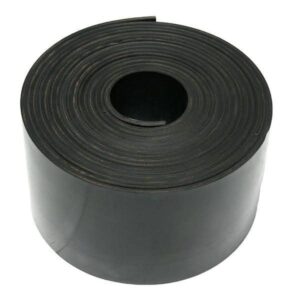
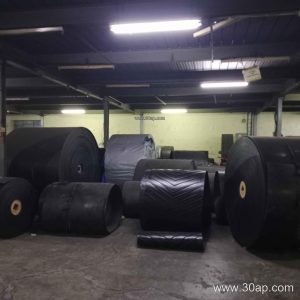
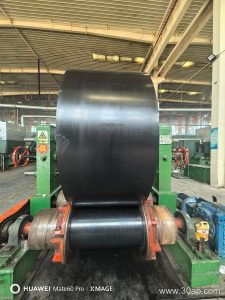
The ST1600 Conveyor Belt is a steel cord conveyor belt with a nominal tensile strength of 1600 N/mm. It belongs to the ST series, where the number indicates the breaking strength of the steel cord carcass. This belt is built for long-distance, high-capacity haulage in demanding industries such as mining, cement, power generation, and port logistics. Unlike fabric core belts, the ST1600 uses parallel steel cords embedded in rubber to carry heavy loads with minimal stretch. When you need a robust solution for bulk material transport, a steel cord conveyor belt like the ST1600 is often specified.
For operations requiring high strength and reliability, the ST1600 provides a balance between load capacity and belt weight. It is frequently chosen for main haulage lines where a single flight must cover considerable distance without transfer points.
Construction and Key Components
At the heart of the ST1600 is a layer of high-carbon steel cords arranged longitudinally. These cords are sandwiched between top and bottom cover rubber compounds, with a core rubber that bonds the cords together. The cover rubber protects the carcass from abrasion, impact, and environmental factors. Common cover thicknesses for heavy-duty belts include 6+2 mm, 8+3 mm, and others depending on the application. The belt edges are usually protected by a rubber edge or reinforced fabric to prevent cord exposure.
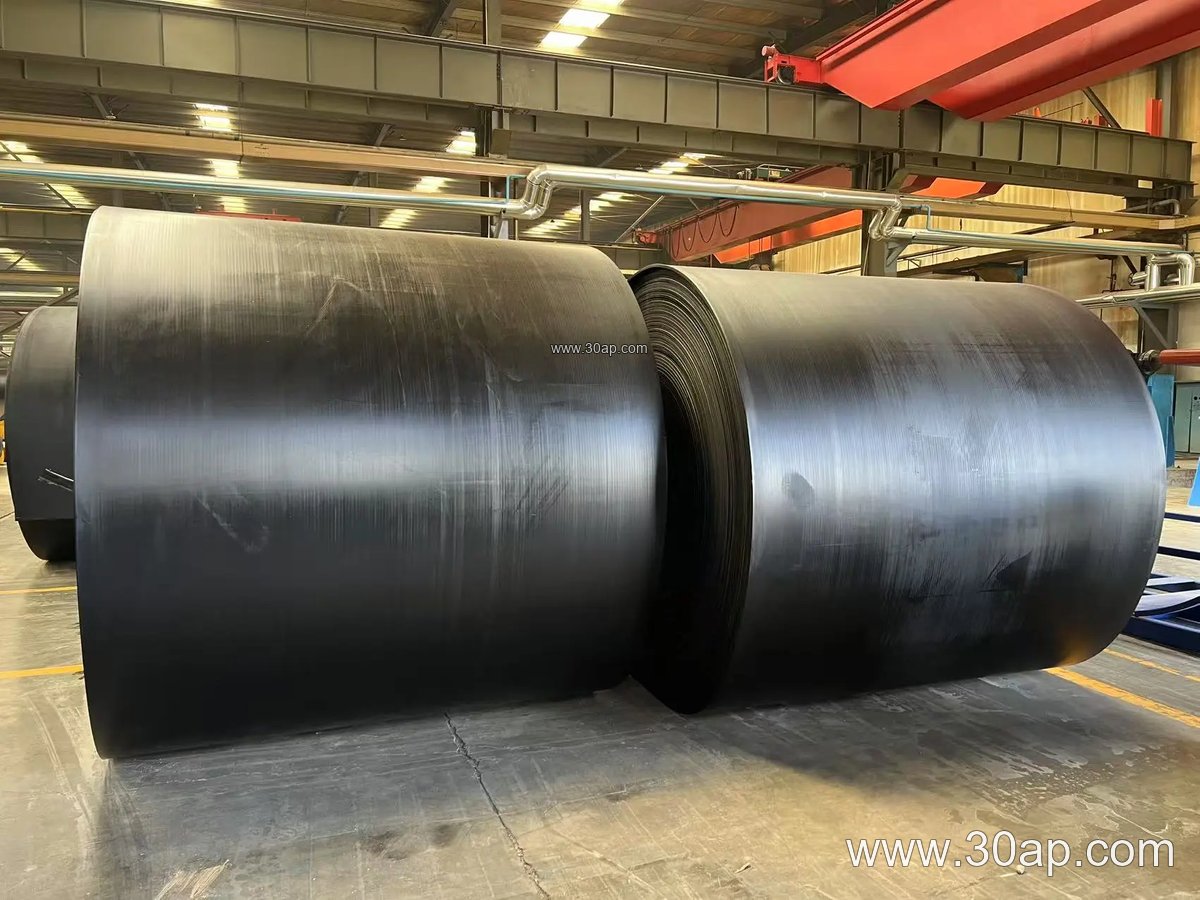
The steel cord construction gives the ST1600 excellent resistance to elongation, making it suitable for applications where take-up travel is limited. The belt also exhibits good troughability, allowing it to form a stable trough on idler rollers.
Where the ST1600 Is Used
The ST1600 conveyor belt is widely employed in industries that handle large volumes of abrasive or heavy materials. Typical applications include:
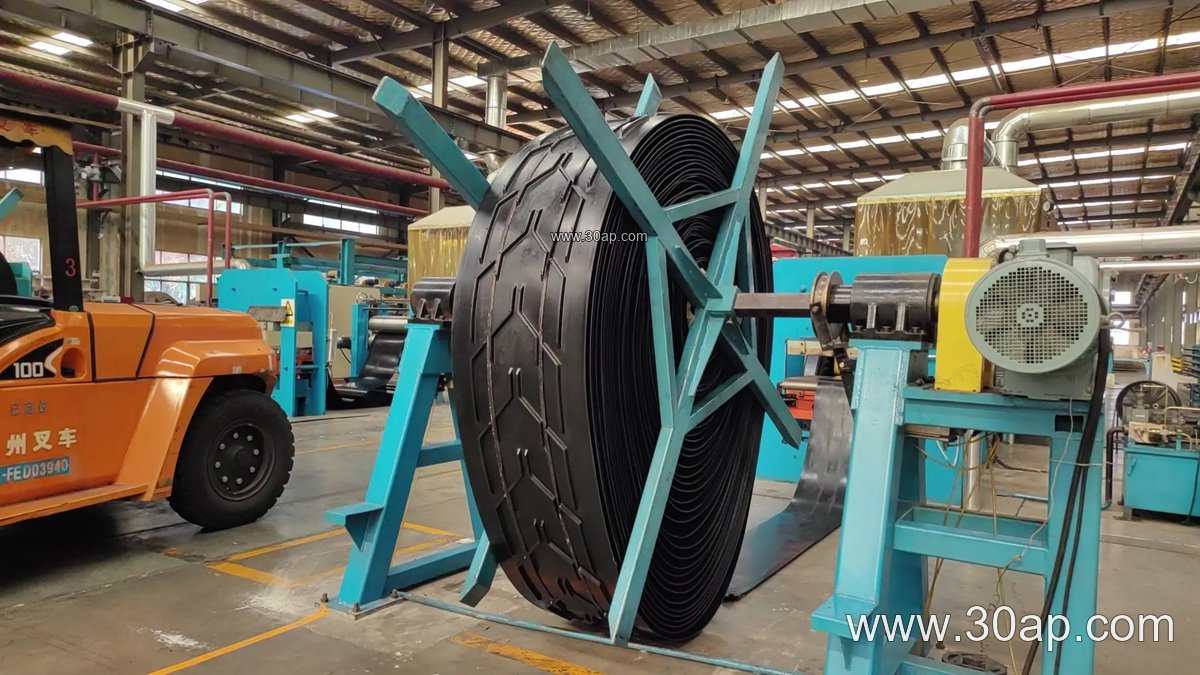
- Mining and mineral processing: transporting ore, coal, and overburden in surface and underground operations.
- Cement plants: moving clinker, limestone, and raw meal across long distances.
- Power stations: feeding coal from stockpile to boiler or handling ash.
- Ports and ship loading: high-capacity loading and unloading of bulk cargo.
- Quarries and aggregate plants: conveying crushed stone and sand.
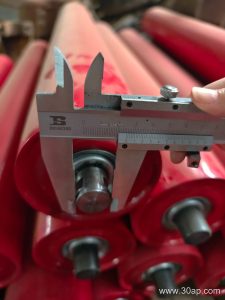
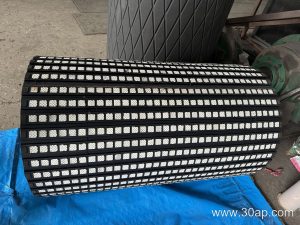
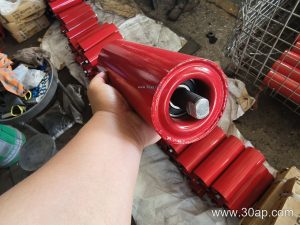
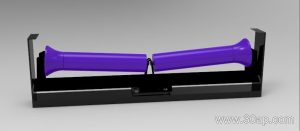
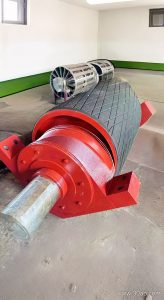
In these environments, the belt works in conjunction with conveyor pulleys, idler rollers, and conveyor brackets to form a complete system. The ST1600 is often specified for main haulage conveyors where reliability and low maintenance are critical.
Specifications and Considerations
While the ST1600 refers to the strength class, actual belt specifications vary by manufacturer and application. Below are typical parameters to consider:
| Parameter | Common Range / Options |
|---|---|
| Tensile strength | 1600 N/mm |
| Belt width | B800, B1000, B1200, B1400, B1600, B1800, B2000 (common) |
| Cover thickness | 6+2 mm, 8+3 mm, or as required |
| Steel cord diameter | Varies with design |
| Number of cords | Depends on belt width and strength |
When selecting an ST1600 belt, engineers consider the maximum tension, load weight, troughing angle, pulley diameters, and environmental conditions. The belt width must be matched to the conveyor system capacity; it is not determined by pulley size alone. Proper selection ensures the belt operates efficiently and achieves its expected service life.
Buyer’s Checklist
Before purchasing an ST1600 conveyor belt, clarify the following with your supplier:
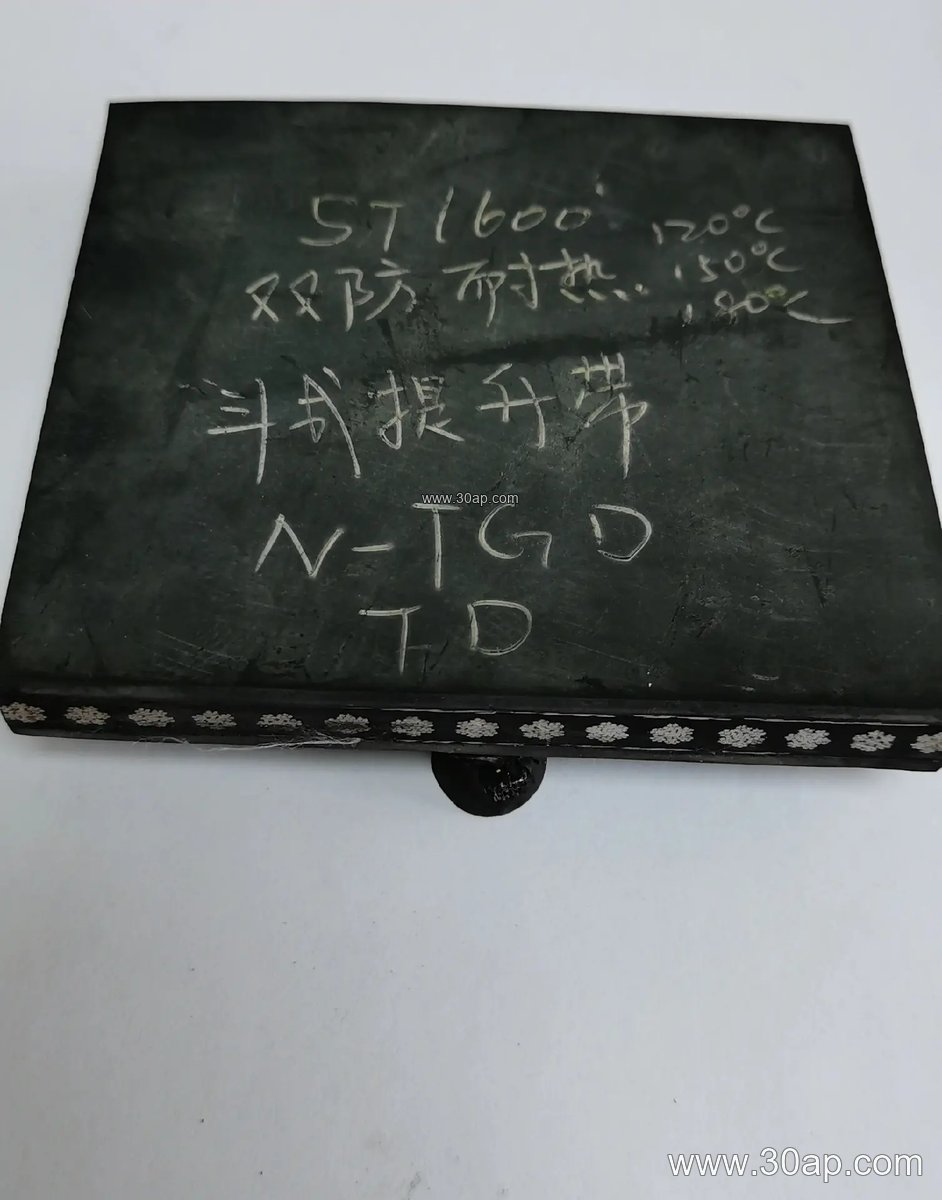
- Required cover rubber grade: abrasion resistant, heat resistant, flame retardant, or oil resistant, depending on the material handled.
- Belt width and cover thickness that suit your conveyor design and load.
- Steel cord construction details, such as cord diameter and pitch, which affect flexibility and splice method.
- Edge construction and splice kit availability.
- Compatibility with existing conveyor pulleys, idler rollers, and brackets.
Also consider the operating environment: in coal mining, a flame retardant and anti-static belt may be necessary; in cement plants, heat resistance could be important. The ST1600 can be supplied with various cover compounds to meet these needs. For extreme conditions, alternatives like a heat resistant conveyor belt or a flame retardant conveyor belt might be required, but the ST1600 remains the core strength class.
Maintenance and Splicing
Steel cord belts require careful splicing to maintain full strength. Vulcanized splices are standard, and the splice length depends on the cord pitch and belt tension. Regular inspection of the belt surface, edges, and splice area helps detect wear or damage early. Keeping idler rollers and pulleys aligned reduces edge wear and extends belt life. Proper tensioning is also crucial to prevent slippage and excessive stretch.
In summary, the ST1600 conveyor belt is a high-strength steel cord belt suited for heavy-duty bulk material handling across mining, cement, power, and port industries. Its construction and specifications should be matched to the specific conveyor system and operating conditions for optimal performance.