What a 1800mm Conveyor Belt Is
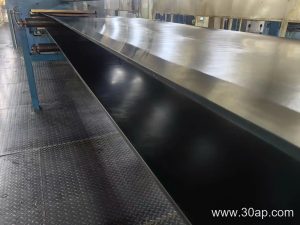
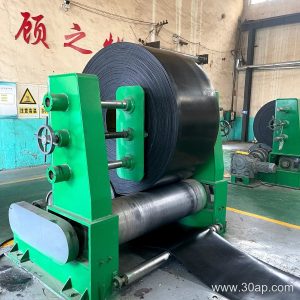
A 1800mm conveyor belt is a wide-width rubber belt designed for belt conveyors that move large volumes of bulk material. With a nominal width of 1800 millimeters, it sits in the heavy-duty range of standard belt widths, alongside B1600 and B2000 sizes. This width is common in primary crushing circuits, stockyard feeding, and long overland conveyors where high tonnage and wide material spread are expected.
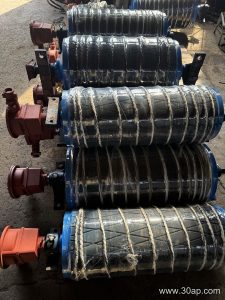
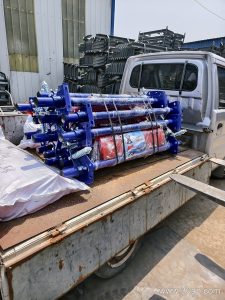
The same product is also described as an 1800 mm wide conveyor belt or a B1800 conveyor belt. These are equivalent names for the same belt width, not different products. The belt itself is only one part of the conveyor; it works together with idler rollers, conveyor pulleys, and conveyor brackets to form a complete conveying line.
Construction and Common Specifications
An 1800mm conveyor belt is built from a carcass and rubber covers. The carcass carries the tension, while the top and bottom covers protect it from abrasion, impact, and moisture. Fabric belts usually use EP or NN plies, while steel cord belts use brass-plated wire ropes for very long runs and high tension.
Typical reference values are listed below. These are common ranges, not fixed supply promises; actual values depend on the manufacturer and the conveyor design.
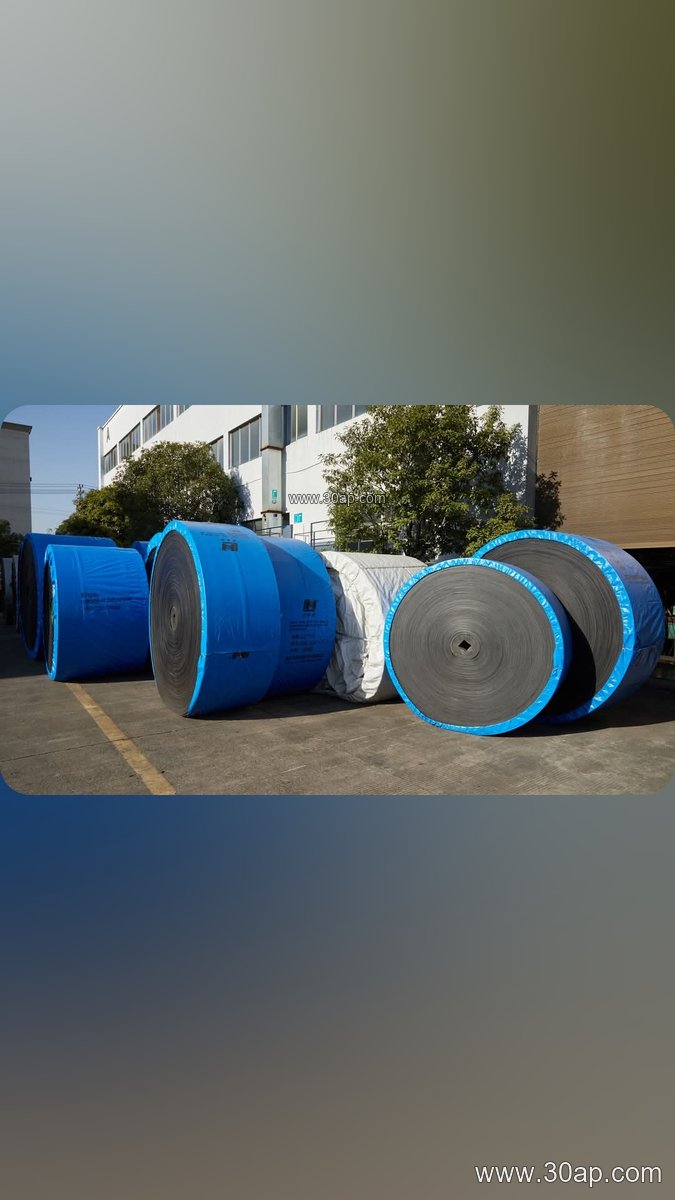
| Item | Common reference values |
|---|---|
| Belt width | B1800 (1800 mm) |
| Fabric types | EP, NN nylon |
| Strength grades | EP200, EP315, EP400, EP500, EP630, EP800, EP1000, EP1250, EP1600, EP2000 |
| Carcass plies | Usually 2 to 6 layers |
| Cover thickness | 3+1.5, 4+2, 5+2, 6+2, 8+3 mm |
| Special grades | Wear-resistant, heat-resistant, oil-resistant, flame-retardant, antistatic, cold-resistant, acid and alkali resistant |
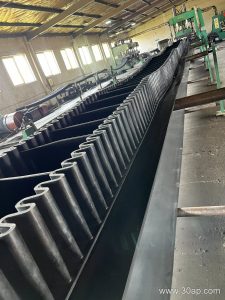
| Surface forms | Plain, patterned, chevron, corrugated sidewall |
For a wide belt like this, cover thickness and carcass strength are usually chosen together. A 5+2 mm or 6+2 mm cover is often used in abrasive duty, while a 3+1.5 mm cover may suit lighter, cleaner service.
Where It Is Used
Mines, coal preparation plants, cement works, power stations, and sand and gravel yards are typical users of 1800mm conveyor belts. In a mine, the belt may carry run-of-mine ore from a primary crusher to a stockpile. In a cement plant, it can feed limestone or clinker. In a power plant, it may handle coal on a main receiving line. Sand and gravel operations use wide belts where large tonnages and lump sizes are normal.
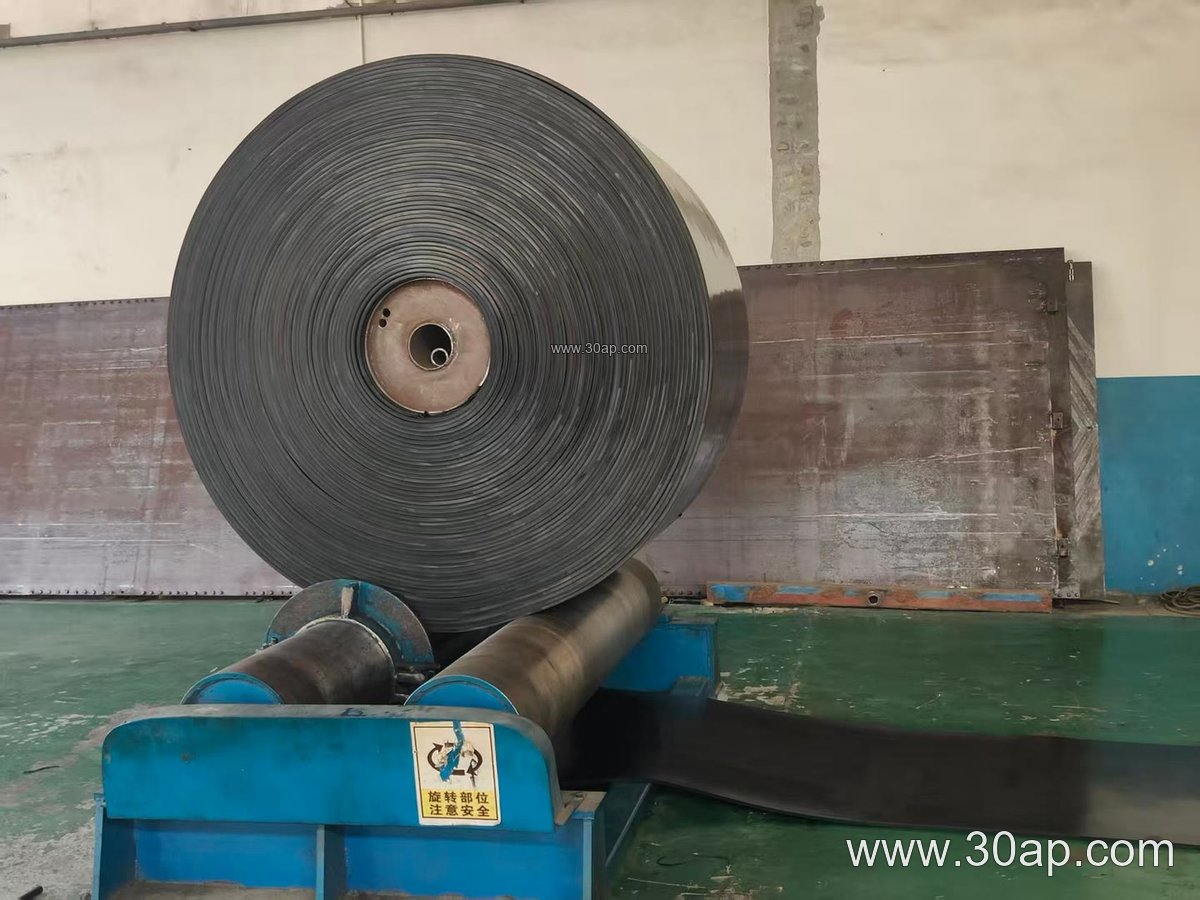
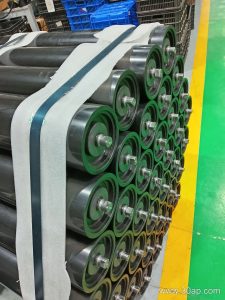
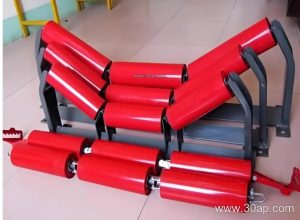
In these settings, the belt runs over idler rollers that support the load and through conveyor pulleys that drive and redirect it. The drive pulley, tail pulley, and bend pulley each have a distinct role and are not interchangeable. Conveyor brackets hold the idlers and pulleys in alignment, so the belt tracks correctly.
Selection Points for Buyers
Buyers should confirm the material being carried, lump size, temperature, moisture, and whether the belt will run in a flame-risk area. The required tensile strength depends on the conveyor length, incline, and tonnage, not on the belt width alone. An 1800mm belt can be paired with different pulley diameters and shaft sizes depending on the conveyor design; no single shaft diameter follows from the width.
Also check the trough angle, transition distance, and impact zone. A wide belt is more sensitive to off-center loading and misalignment, so idler alignment and pulley condition matter. For hot or oily materials, choose a suitable cover grade rather than a standard one.
Installation and Maintenance Notes
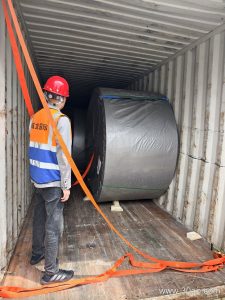
- Store the roll on a flat surface and avoid sharp bends during handling.
- Check pulley alignment and idler rollers before splicing the belt.
- Keep the belt centered during start-up; adjust the conveyor brackets if it drifts.
- Inspect cover wear at loading points and repair small cuts early.
- Match splice strength to the belt grade and operating tension.
An 1800mm conveyor belt is a practical choice for high-capacity bulk handling when the conveyor is designed for the duty. Buyers get the best result by matching belt grade, cover, and splice to the actual site conditions rather than by width alone.