What Is an Adjustable Conveyor Bracket?
An adjustable conveyor bracket is a mounting component that supports idler rollers and allows the trough angle or roller position to be changed without replacing the entire frame. In a typical conveyor structure, this bracket sits between the main stringer and the idler, giving maintenance crews a practical way to fine-tune belt support as conditions change. Unlike a fixed bracket welded at a single angle, the adjustable version uses slotted holes, pivoting arms, or bolted segments to alter the roller orientation.
The bracket is often confused with a conveyor bracket in general, but the key distinction is adjustability. Fixed brackets are common in standard transfer points, while adjustable units are chosen where belt training, material loading, or wear patterns require periodic correction.
Construction and Common Materials
Most adjustable brackets are fabricated from angle steel, channel steel, or bent steel plate. The choice depends on the load and the environment. In a limestone quarry or a cement plant, dust and moisture are constant concerns, so galvanized or painted finishes are typical. In a coal mining conveyor system, flame-retardant properties may be relevant for nearby components, though the bracket itself is structural.
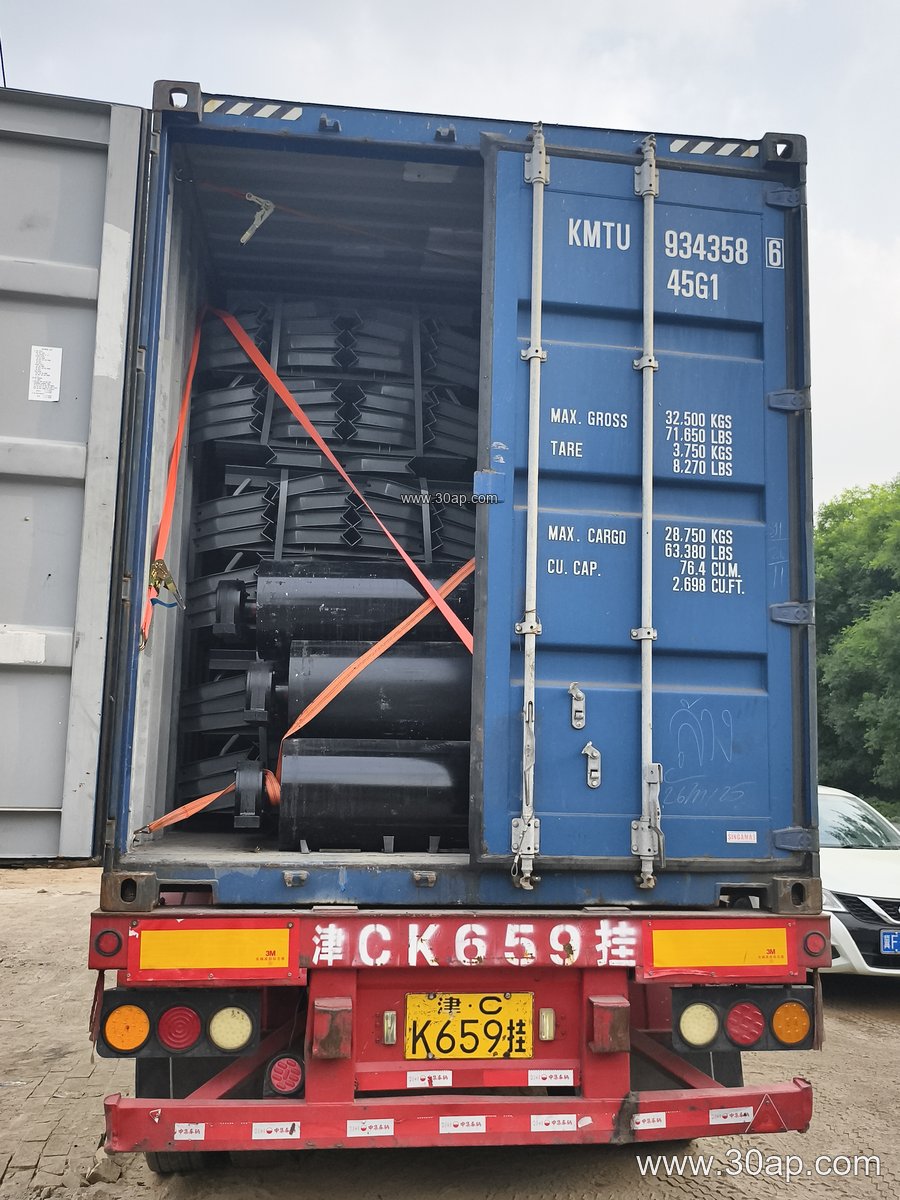
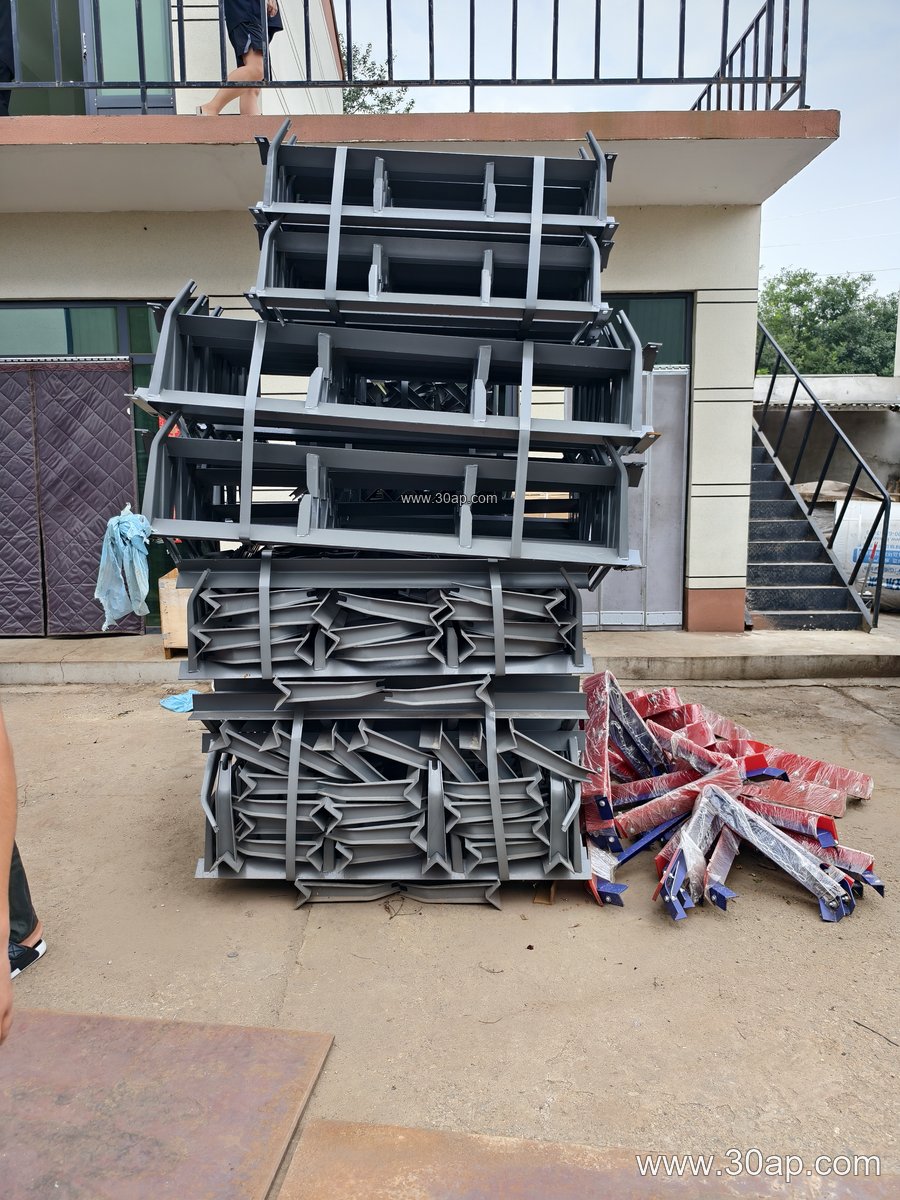
Typical features include slotted mounting holes for angle changes, reinforced pivot points, and bolt-on roller seats. The bracket must resist vibration from the conveyor belt and the weight of material, so weld quality and plate thickness matter more than cosmetic details.
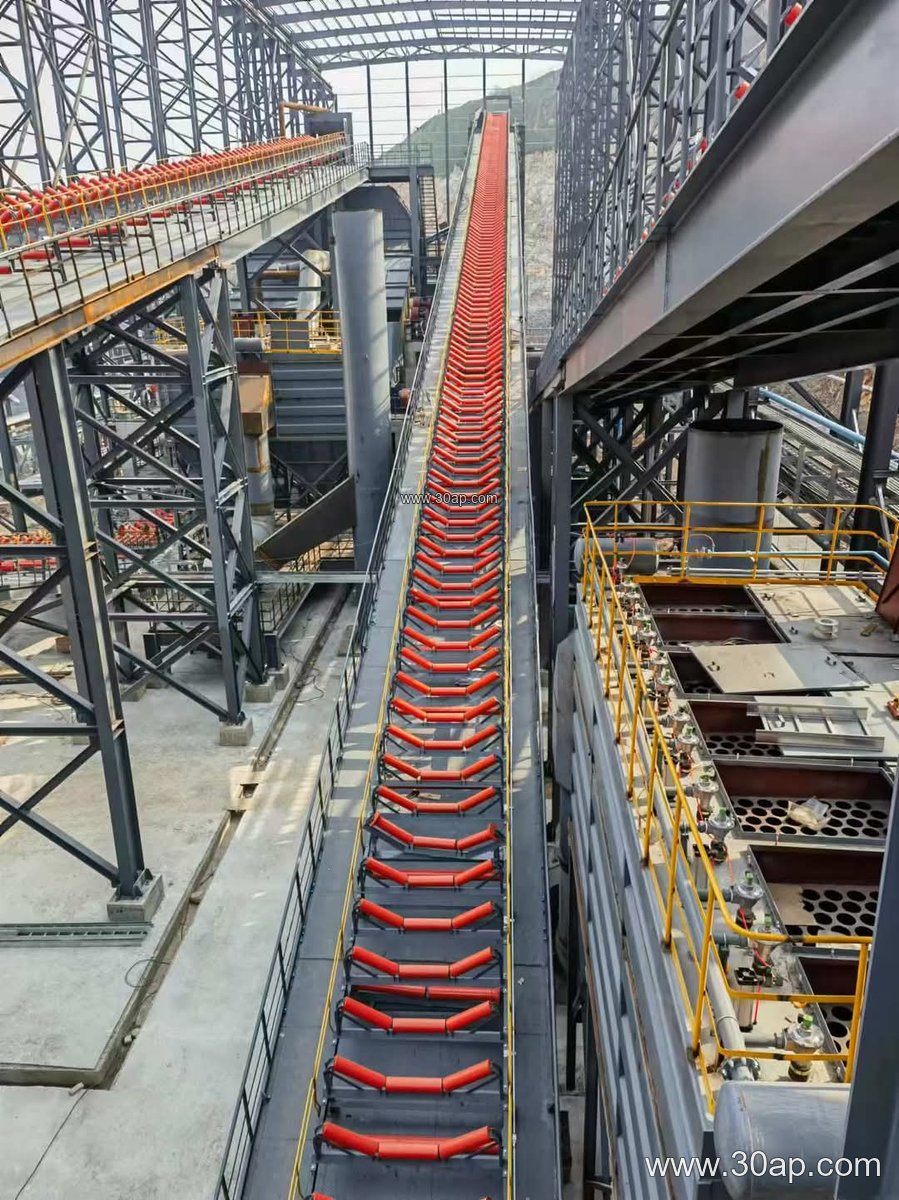
Where Adjustable Brackets Are Used
These brackets appear in bulk material handling across many industries. Two common settings are:
- Aggregate and quarry operations: In a sand and gravel line or a crusher discharge, the belt often shifts as load changes. An adjustable bracket lets the maintenance team correct trough angle to keep material centered.
- Power plant coal handling: Coal flow can be uneven, and belt mistracking leads to spillage. Adjustable brackets on the carrying side help align the belt without shutting down the entire system for frame modification.
They are also found in cement plants, steel mills, and port loading facilities where conveyor routes are long and adjustment access is limited.
How Adjustment Works in Practice
Most designs allow the trough angle to be set at common values such as 20, 30, 35, or 45 degrees. A transition bracket near the tail pulley may use a different setting than a standard carrying bracket. The bracket does not change the belt width or the roller diameter; those are separate design choices. For example, a B800 belt with 35-degree trough and Ø108 rollers uses the same bracket family as a B800 system with 30-degree trough, but the slot position differs.
Forward lean of about 1.5 to 2 degrees is sometimes built into the bracket to help belt training, though this is a design detail rather than a universal rule. Installation hole spacing and beam length vary with belt width and trough angle, so buyers should confirm dimensions against the conveyor frame rather than assume a fixed fit.
Selection Notes for Buyers
When specifying an adjustable conveyor bracket, consider the belt width, the intended trough angle range, and the roller diameter. Common belt widths include B500, B650, B800, B1000, B1200, B1400, B1600, B1800, B2000, B2200, but not every width is stocked in every bracket style. Roller diameters such as Ø89, Ø108, Ø133, Ø159, and Ø194 are typical, and the bracket seat must match the roller shaft.
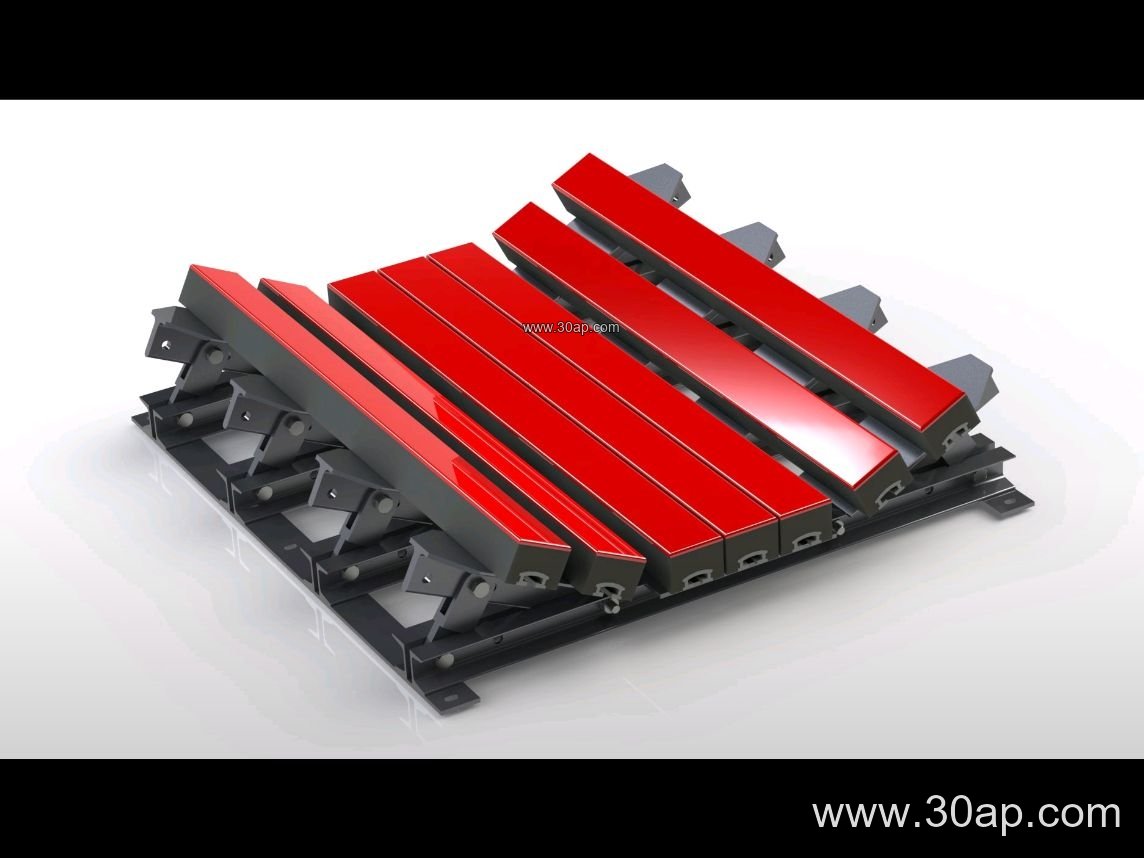
Also check the mounting interface with the conveyor stringer, the adjustment range needed for future belt training, and the material finish for the site environment. A bracket that is easy to adjust is only useful if the bolts remain accessible after the conveyor belt is installed.
Maintenance and Compatibility
Adjustable brackets should be inspected for loose bolts, elongated slots, and corrosion. In a wash plant or a fertilizer handling line, stainless or coated hardware may extend service life. The bracket works together with the idler roller, the conveyor pulley, and the belt itself; it does not replace any of them. For heavy-duty mining conveyor belts or abrasive ore applications, the bracket must be sturdy enough to hold roller alignment under continuous load.
Buyers should request dimensional drawings and confirm that the adjustable range covers the required trough angles. No single bracket size fits every conveyor, and the correct choice depends on the frame design, belt width, and roller specification.