What the EP200 Conveyor Belt Is
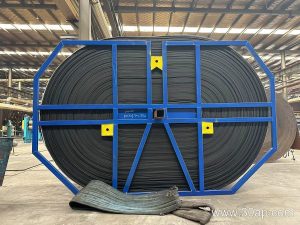
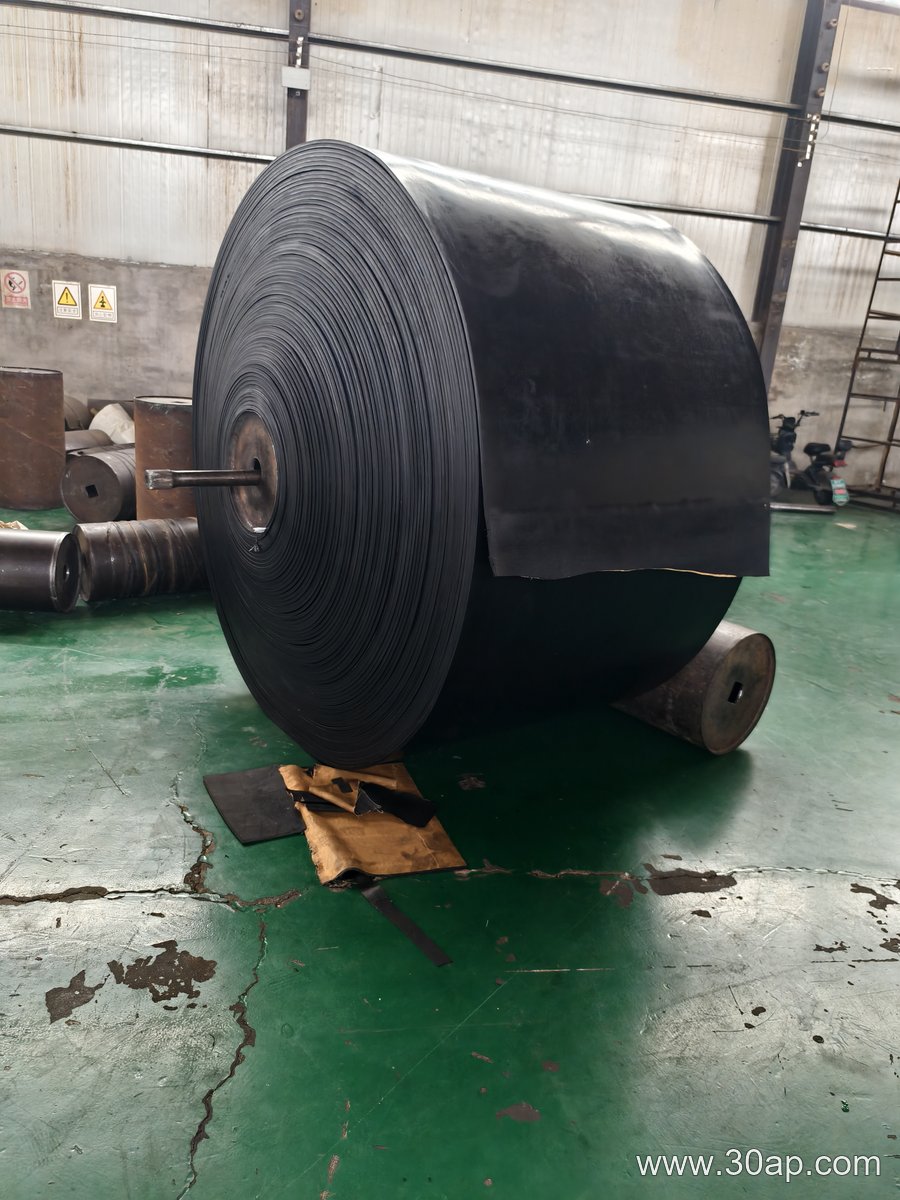
An EP200 conveyor belt is a multi-ply rubber belt built on a polyester warp and polyamide weft carcass. The EP prefix stands for the fabric type, while 200 refers to the nominal tensile strength of the carcass, commonly expressed as 200 N/mm per ply. This strength class sits in the light-to-medium range of the EP series, above lighter grades such as EP160 and below heavier options like EP315 and EP400. The same product is often called a polyester nylon conveyor belt or an EP fabric conveyor belt, and those names refer to the same construction.
Because the polyester warp stretches very little and the polyamide weft absorbs impact well, the belt holds its length under load and resists tearing at the loading point. That balance is why EP200 is frequently chosen for continuous conveying duty in mines, coal preparation plants, cement works, power stations, and sand and gravel yards, where material arrives at a steady pace but not at extreme tonnage.
Construction and Typical Specifications
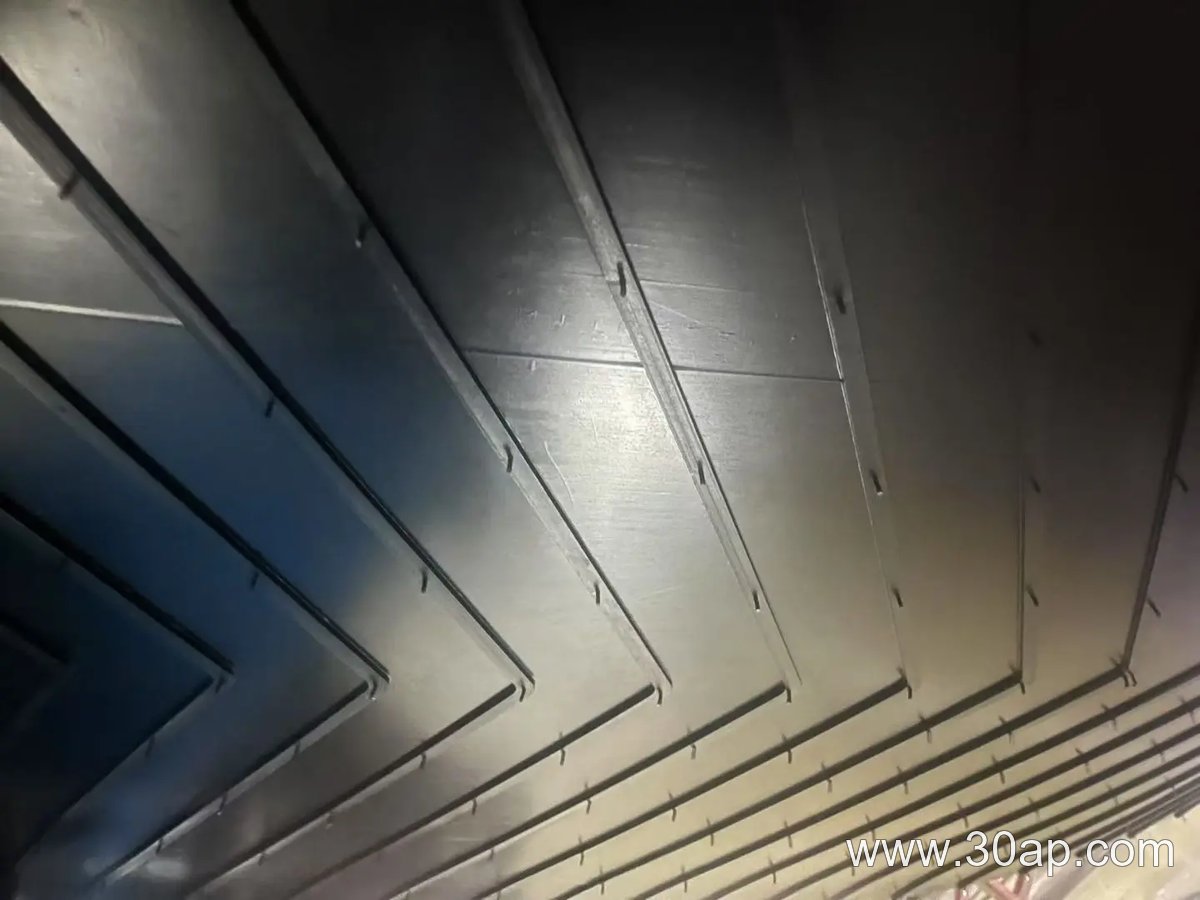
The carcass is made from two to six fabric plies bonded with rubber skim, then covered on both faces with abrasion-resistant rubber. Edge construction, cover thickness, and ply count are matched to the application rather than fixed for every order. A buyer should treat the following figures as common reference values, not as guaranteed universal specifications.
| Item | Common Range |
|---|---|
| Strength class | EP200 |
| Belt width | B500, B650, B800, B1000, B1200 |
| Number of plies | 2 to 6 |
| Top cover thickness | 3 mm, 4 mm, 5 mm, 6 mm, 8 mm |
| Bottom cover thickness | 1.5 mm, 2 mm, 3 mm |
| Cover combinations | 3+1.5, 4+2, 5+2, 6+2, 8+3 mm |
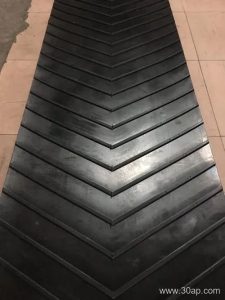
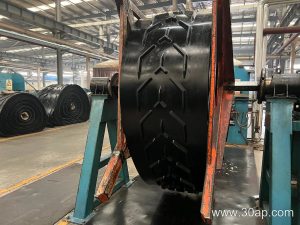
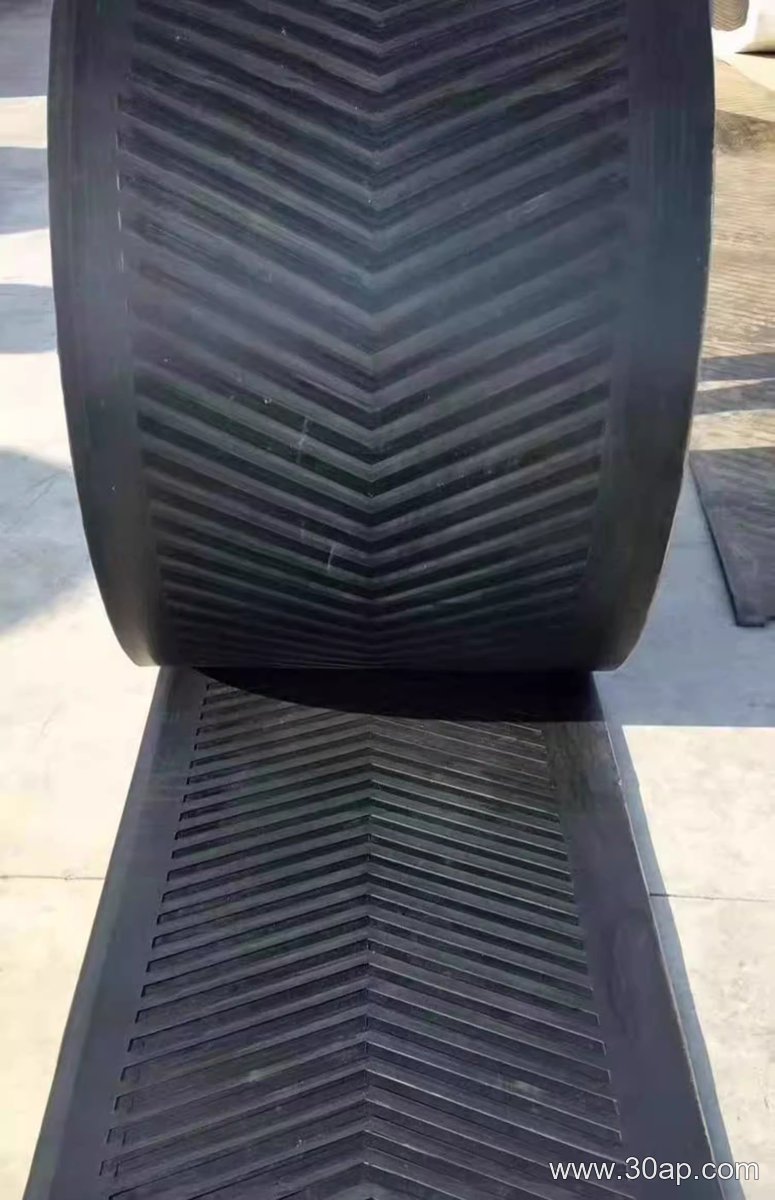
Cover compound selection matters as much as strength. Standard abrasion-resistant rubber suits sand, gravel, and crushed stone. Heat-resistant grades are used where clinker, sinter, or hot cement is carried. Oil-resistant and acid-alkali-resistant covers appear in processing plants. Flame-retardant and antistatic versions are common in coal mines and other dusty, enclosed environments. Cold-resistant compounds serve outdoor installations in freezing conditions. Patterned surfaces such as herringbone or chevron, and sidewall belts with corrugated flanges, are separate subtypes chosen for inclined or steep-angle conveying.
Where It Fits in a Conveying System
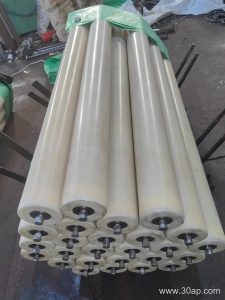
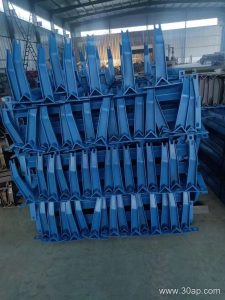
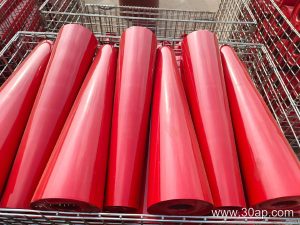
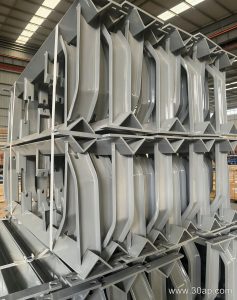
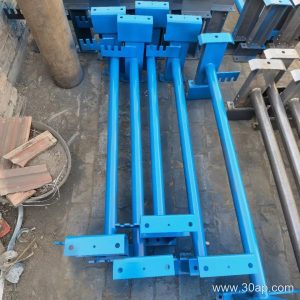
The belt runs over a head pulley that drives the circuit, a tail pulley that returns it, and bend pulleys that redirect its path. These three are not interchangeable; each has a distinct role in tracking and tension. Between them, idler rollers support the loaded strand and the return strand. The belt also relies on a conveyor bracket and frame to keep alignment, and on a take-up device to hold the correct tension as the belt settles.
A typical arrangement for an EP200 belt might use a B800 or B1000 width on a medium-length overland conveyor feeding a stockpile, or a B650 unit inside a cement plant handling clinker. Heavier classes such as EP315 and EP400 are usually reserved for longer flights or higher tension. Selecting EP200 does not mean a specific pulley diameter; pulley size follows the belt thickness, ply count, and system tension, so it should be calculated for each conveyor rather than assumed from width alone. The same applies to shaft diameter, which depends on the pulley design and load, not on the belt width by itself.
What Buyers Should Check Before Ordering
- Belt width and ply count: confirm the existing conveyor frame, idler roller spacing, and pulley face width.
- Cover grade: match the compound to the material and the working temperature.
- Tension and splice method: decide between mechanical fasteners and vulcanized splicing based on duty and belt construction.
- Environment: for coal or dusty areas, ask for flame-retardant and antistatic properties; for cold sites, discuss cold-resistant covers.
- Tracking and maintenance: check pulley alignment, idler roller condition, and skirt rubber to prevent edge damage and premature wear.
Proper storage also matters. Keep the belt rolled, out of direct sunlight, and away from oils and ozone sources before installation. During operation, watch for edge fraying, cover gouges, and splice wear, and correct misalignment early. With the right cover grade and a well-aligned conveyor, an EP200 belt can serve reliably in quarry, cement, power, and coal handling duty for a long service life. Final dimensions and construction should always be confirmed with the belt manufacturer or supplier for the specific conveyor.