What a Conveyor Belt Support Frame Does
A conveyor belt support frame is the structural element that holds the carrying and return idlers in the correct position under the conveyor belt. It is also called a conveyor idler frame or idler support bracket, and it is a distinct part of the conveyor structure from the pulleys that drive and tension the belt. The drive pulley, tail pulley and bend pulley each have their own duties and are not interchangeable with a support frame. The frame keeps the belt profile steady, spreads the load of bulk material, and helps the belt track straight along the line.
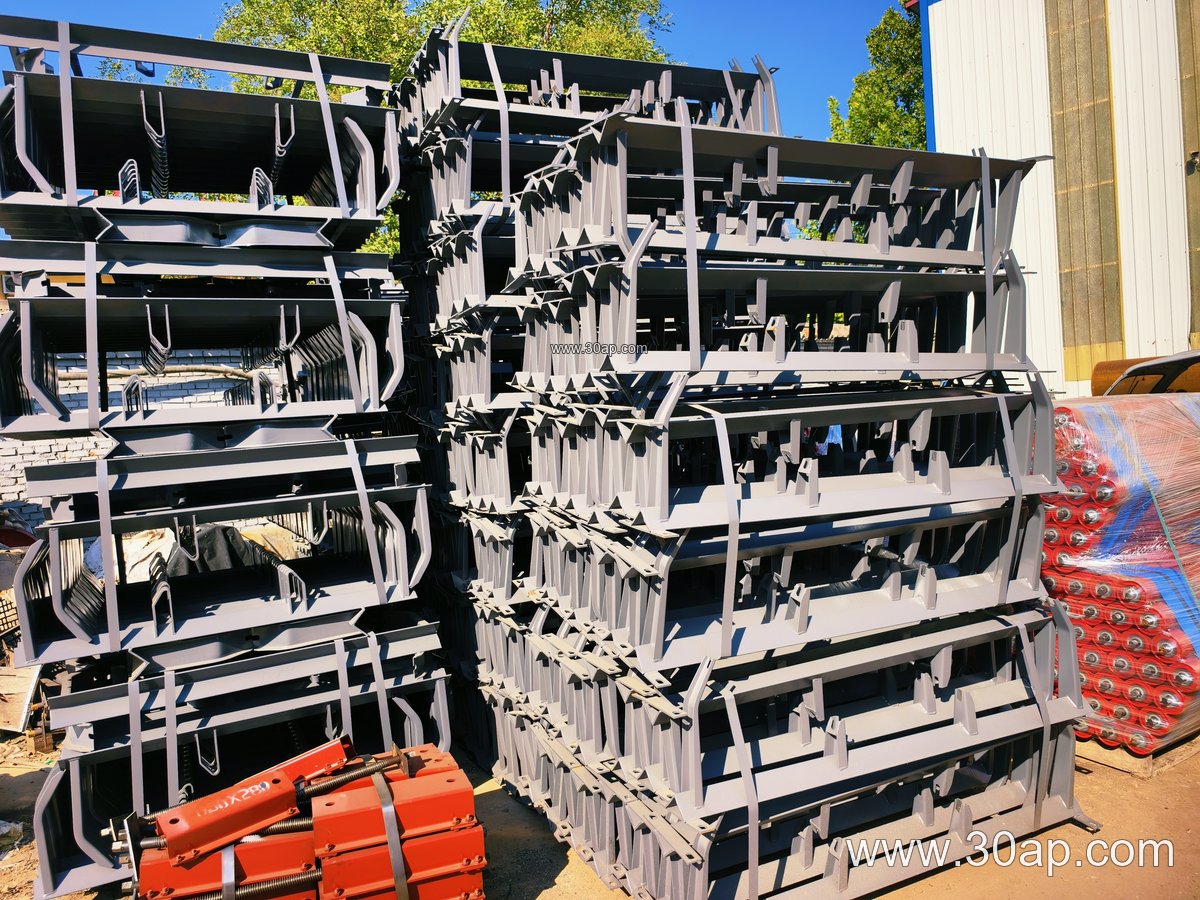
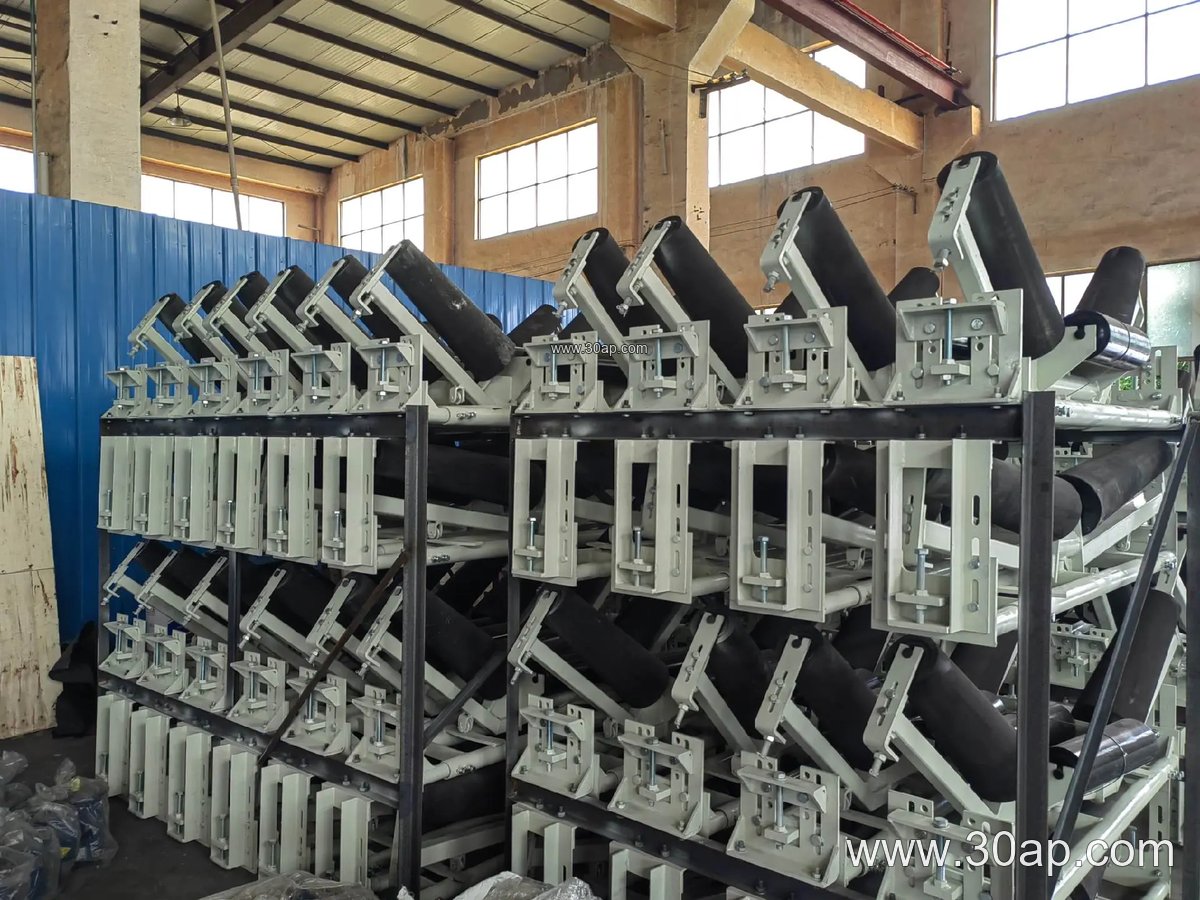
The frame is usually built from angle steel, channel steel or folded steel plate. It is bolted to the conveyor stringers and carries one or more idler rollers. Depending on its position, it may be a trough frame on the carrying side, a return frame underneath, or a transition frame near a pulley where the belt changes shape.
Common Frame Types and Where They Sit
- Trough frames support three or more idlers set at a trough angle, forming the belt into a channel that holds material.
- Transition frames sit close to a pulley and guide the belt gradually from flat to troughed.
- Return frames carry the empty belt; V-type return frames help center it.
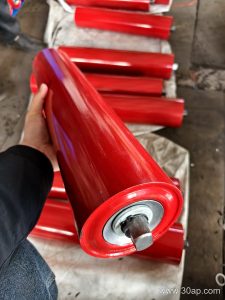
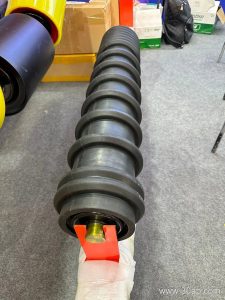
- Impact frames sit under loading points and hold impact rollers that absorb falling material.
- Self-aligning frames allow slight movement to correct belt drift.
- Adjustable frames let the trough angle be changed within a range.
- Suspended frames hang from the structure and suit certain layouts.
These subtypes serve different positions on the same conveyor, so one cannot simply replace another. A return frame is not a substitute for a trough frame, just as a bend pulley is not a substitute for a drive pulley.
Trough Angle, Belt Width and Roller Diameter
The trough angle and roller diameter are chosen together with belt width and material load. Common angles are 20, 30, 35 and 45 degrees. Adjustable frames can be set between these values. Forward-leaning idlers often use about 1.5 to 2 degrees of tilt to assist tracking. The examples below are for reference and are not fixed combinations.
| Belt width | Common trough angle | Typical roller diameter |
|---|---|---|
| B500 | 20 to 30 degrees | Ø89 |
| B650 | 30 degrees | Ø89 |
| B800 | 35 degrees | Ø108 |
| B1000 | 35 to 45 degrees | Ø108 to Ø133 |
| B1200 | 35 to 45 degrees | Ø133 |
| B1400 | 35 to 45 degrees | Ø133 to Ø159 |
| B1600 | 35 to 45 degrees | Ø159 |
| B1800 to B2200 | 35 to 45 degrees | Ø159 to Ø194 |
Installation hole spacing and crossbeam length vary with belt width and trough angle, so they should be confirmed against the conveyor drawing rather than assumed. No single belt width requires only one roller diameter or one trough angle.
Where Support Frames Are Used
Support frames appear wherever a belt carries bulk material. In a coal preparation plant, flame retardant and anti-static belts run over trough and return frames along long galleries. In a cement plant, heat resistant and abrasion resistant belts move clinker and limestone on heavy frames with impact rollers at transfer points. Quarries and crushing lines use rugged frames under crusher discharge belts, while port and ship loading systems rely on wide, stable frames for smooth tracking. Power plant coal handling and iron ore yards have similar demands.
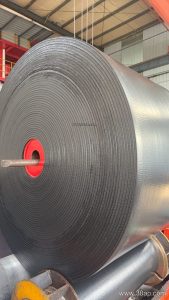
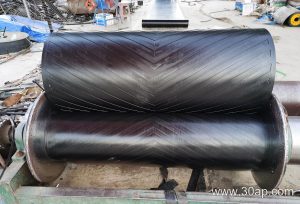
The frame should suit the belt it carries. A steel cord conveyor belt or high strength EP conveyor belt for a long overland line needs frames that hold alignment precisely, while a chevron conveyor belt or corrugated sidewall belt may call for special roller arrangements at loading zones.
What Buyers Should Check
- Confirm the frame type for each position: carrying, return, transition or impact.
- Match the frame to belt width, trough angle and roller diameter, and verify mounting hole spacing with the conveyor drawing.
- Check material and finish for the site, especially in wet or dusty conditions.
- Ask how the frame aligns with the idler roller and whether adjustment is provided.
- Consider whether a self-aligning or adjustable frame would reduce tracking problems on long lines.
A well-chosen support frame keeps the belt centered, protects the belt edges and extends roller life. Combined with correctly selected conveyor pulleys and belts for the duty, it forms a reliable conveying system. Buyers can review frame options together with related equipment such as conveyor belt and idler roller selections at www.sdtxhb.com to plan a complete, consistent conveyor line.