What a Terminal Conveyor Pulley Does
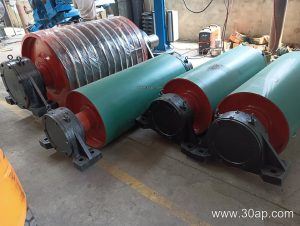
A terminal conveyor pulley is the pulley positioned at the extreme ends of a belt conveyor system, typically at the head (discharge) or tail (loading) section. Its primary role is to redirect the conveyor belt, maintain proper tension, and support the belt as it transitions between the carrying and return strands. In many bulk material handling operations, the terminal pulley at the head end also serves as the drive pulley, transferring power from the motor to the belt. Unlike intermediate idler rollers that support the belt along its run, the terminal pulley bears higher loads and must be engineered for durability and precise alignment.
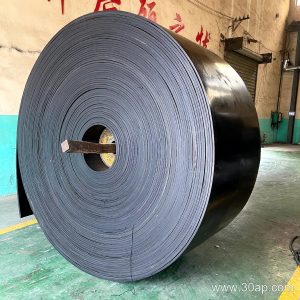
At sites such as a limestone quarry or a coal washing plant, the terminal conveyor pulley works in tandem with a heavy-duty conveyor belt to move abrasive materials. Its construction and surface treatment directly affect belt tracking, wear life, and overall conveyor uptime.
Construction and Key Components
A typical terminal conveyor pulley consists of a cylindrical shell, end discs, a shaft, and bearing housings. The shell is often made from seamless steel tube or rolled steel plate, machined for balance and concentricity. The shaft is sized according to torque and radial loads, not simply by belt width. Common shaft diameters include Ø80, Ø100, Ø120, Ø140, and Ø160 mm, but final selection depends on the conveyor design and load profile.
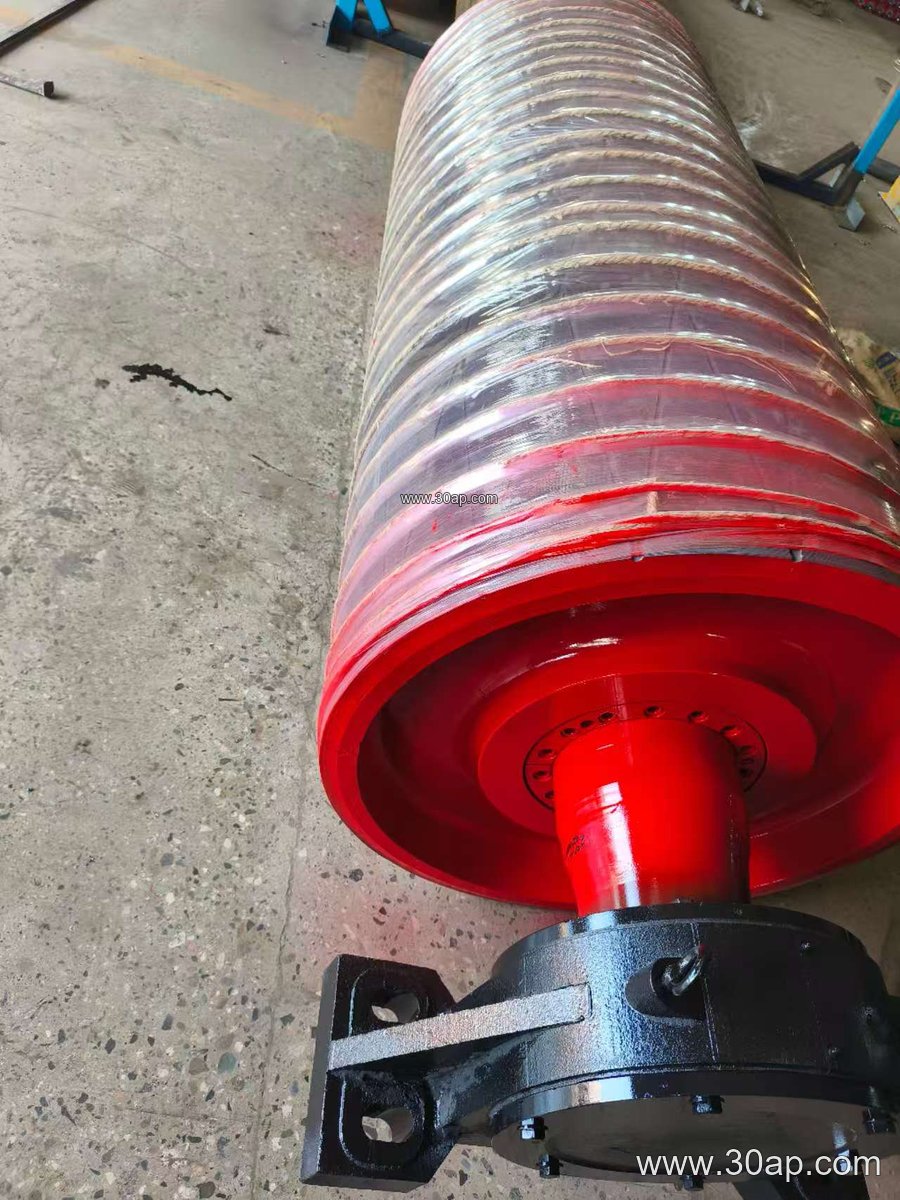
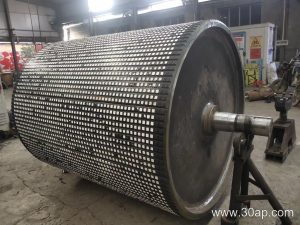
Surface options are critical for grip and wear protection. Plain (smooth) surfaces are used where minimal friction is needed, while rubber lagging—applied by cold bonding or hot vulcanization—improves traction and reduces belt slip. Diamond or chevron grooving can enhance water drainage and material shedding. Ceramic lagging offers exceptional abrasion resistance for high-wear applications.
- Shell: steel tube or plate, dynamically balanced
- Lagging: plain, rubber (cold-bonded or hot-vulcanized), diamond, chevron, or ceramic
- Bearing type: spherical roller bearings in sealed housings
- Shaft: alloy steel, sized by torque and bending moment
Where Terminal Pulleys Are Used
Terminal conveyor pulleys are found in a wide range of industries. In the aggregate and quarry sector, they handle crushed stone and sand on primary and secondary conveyors. In coal mining—both surface and underground—flame retardant and anti-static conveyor belts are often paired with robust terminal pulleys to meet safety requirements. Cement plants use them at clinker cooler discharge and raw mill feed points, where heat resistant conveyor belts may be required. Power plants rely on terminal pulleys for coal handling systems, while port bulk terminals use large-diameter pulleys to manage high belt tensions.
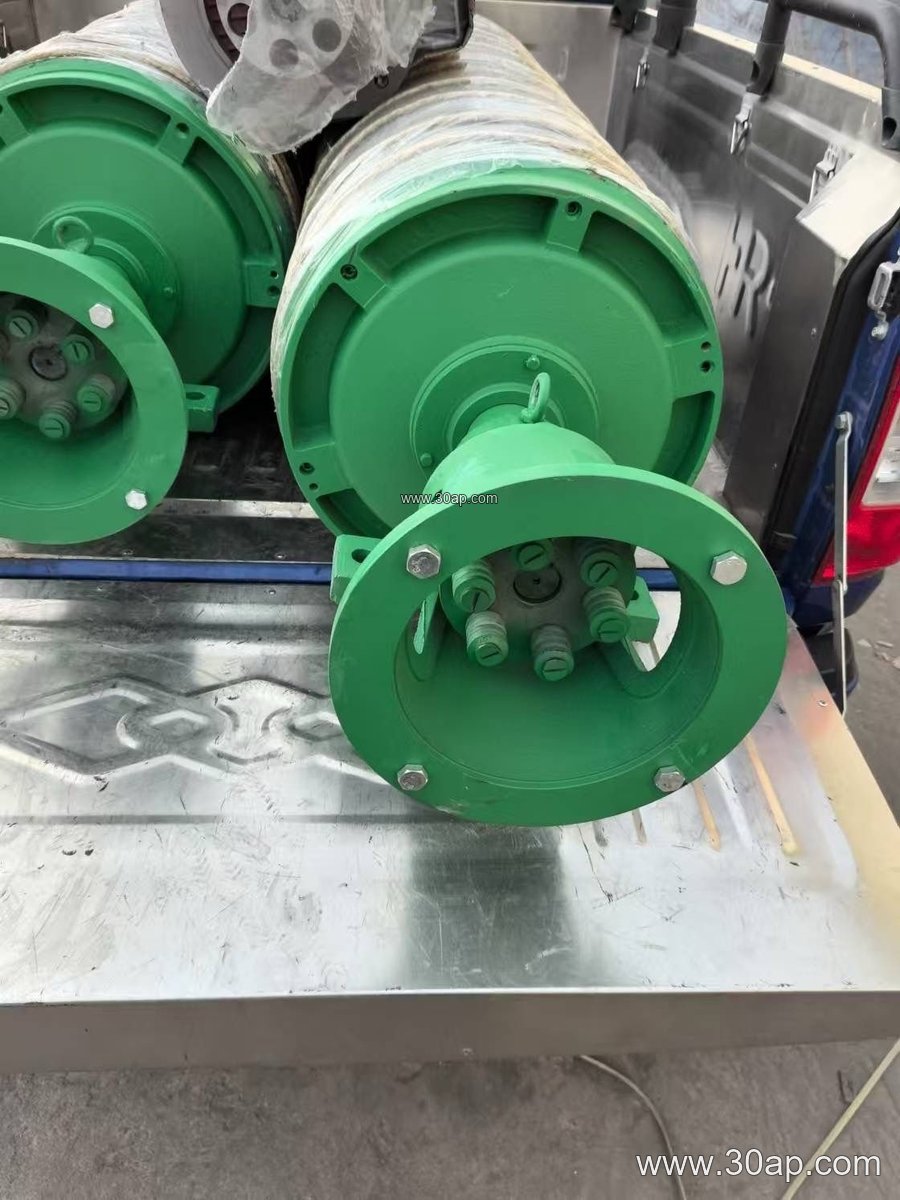
Other applications include iron ore and copper ore concentrators, fertilizer granulation lines, and grain silos. In each case, the terminal pulley must be matched to the conveyor belt type—whether an EP conveyor belt, NN conveyor belt, or steel cord conveyor belt—to ensure compatible bending radii and tension ratings.
Matching Terminal Pulley to Belt and System
Selecting a terminal conveyor pulley involves more than picking a diameter. The pulley diameter must be large enough to limit belt bending stress, especially for thick or stiff belts such as steel cord or high-tension EP constructions. As a general guide, pulley diameters often range from Ø200 mm for small conveyors up to Ø1600 mm or more for heavy-duty applications. The face width of the pulley usually exceeds the belt width by 100–200 mm to allow for belt misalignment; for example, a B800 belt might use a pulley face of about 950 mm, while a B1200 belt could use roughly 1400 mm.
Belt width and pulley diameter are not locked in a one-to-one relationship. A B1000 conveyor could use a Ø500 mm terminal pulley in a light-duty application or a Ø800 mm pulley where belt stiffness and tension demand it. Similarly, shaft diameter is determined by torque and load calculations, not by belt width alone. Buyers should provide the conveyor’s maximum tension, belt type (e.g., EP1000, ST1600, PVG800S), and operating environment to ensure the pulley is properly specified.
| Belt Width (mm) | Typical Pulley Face Width (mm) | Common Pulley Diameters (mm) |
|---|---|---|
| B500 | 600 | Ø250, Ø315, Ø400 |
| B650 | 750 | Ø315, Ø400, Ø500 |
| B800 | 950 | Ø400, Ø500, Ø630 |
| B1000 | 1150 | Ø500, Ø630, Ø800 |
| B1200 | 1400 | Ø630, Ø800, Ø1000 |
| B1400 | 1600 | Ø800, Ø1000, Ø1250 |
Note that these are reference ranges, not fixed rules. Always confirm with the conveyor designer.
Buying Considerations and Maintenance
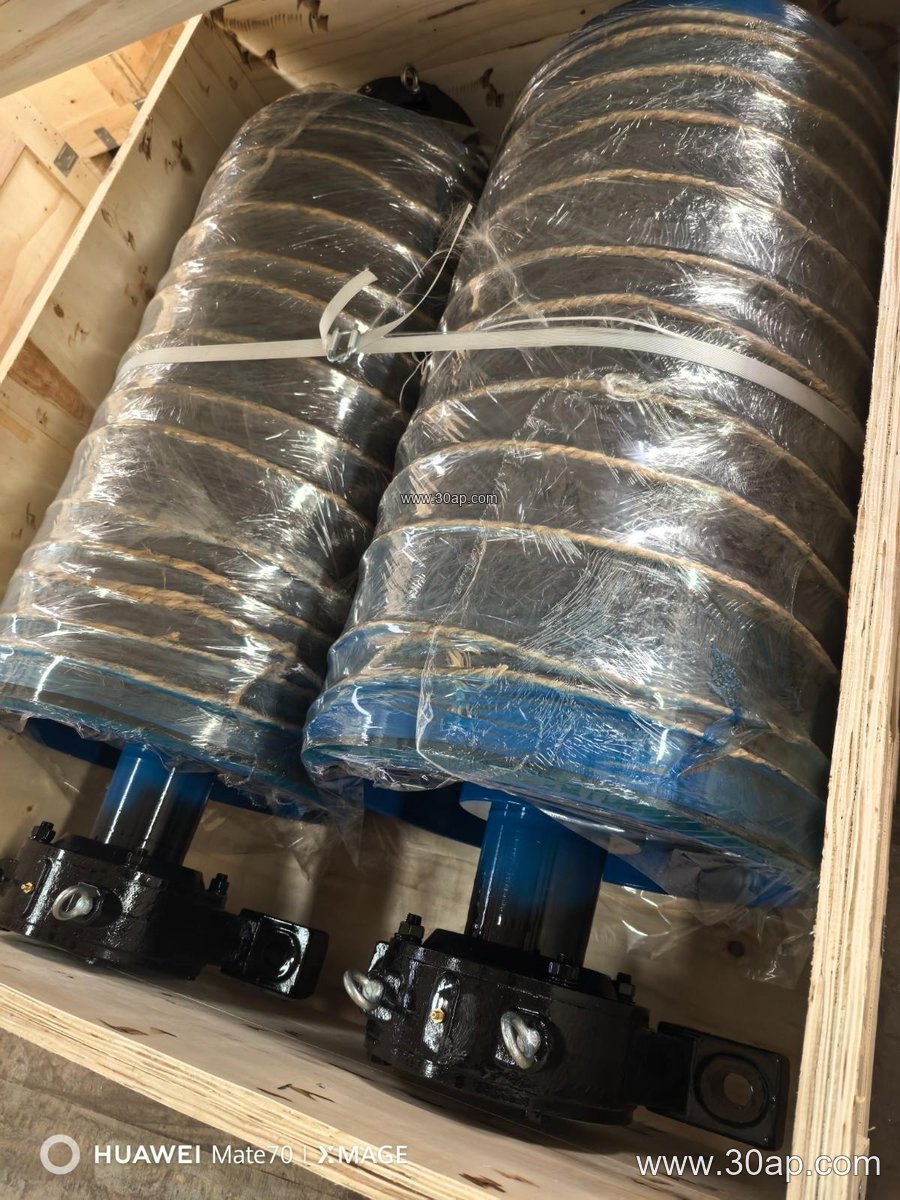
When purchasing a terminal conveyor pulley, ask about the lagging material and thickness (common thicknesses are 8, 10, 12, 15, and 20 mm), bearing brand and sealing arrangement, and shaft material certification. For abrasive environments like a copper ore conveyor or a rock conveyor, ceramic lagging may extend service life. In coal mining, flame retardant and anti-static properties of both belt and lagging are important.
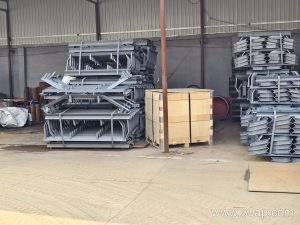
Regular maintenance includes checking lagging wear, bearing temperature and lubrication, and pulley alignment. Misalignment can cause belt tracking issues and premature wear on the conveyor belt and idler roller components. Keeping the terminal pulley clean and correctly tensioned helps avoid slip and extends the life of the entire conveyor system, including conveyor brackets and frames.
For more information on conveyor pulleys and related components, visit our site at www.example.com/conveyor-pulley or www.example.com/terminal-pulley. Our team can help you specify the right terminal conveyor pulley for your mining, quarry, or bulk handling application.