What a Galvanized Conveyor Bracket Does
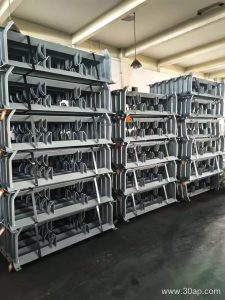
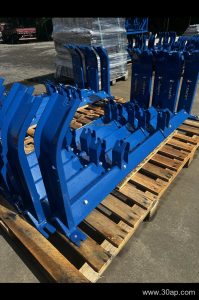
A galvanized conveyor bracket is the steel support that holds idler rollers in position along a conveyor frame. It carries the roller shaft, sets the trough angle of the belt, and keeps spacing consistent from the tail pulley to the drive pulley. In a quarry, a coal washing plant, or a cement plant, these brackets take constant vibration and dust, which is why hot-dip galvanized versions are common where moisture and corrosion are concerns. The zinc coating protects the steel frame, so the bracket lasts longer between inspections.
The bracket is not a wearable part in the same way as a roller, but it determines how well the roller and the conveyor belt work together. A poorly aligned bracket shortens roller life and causes belt edge damage.
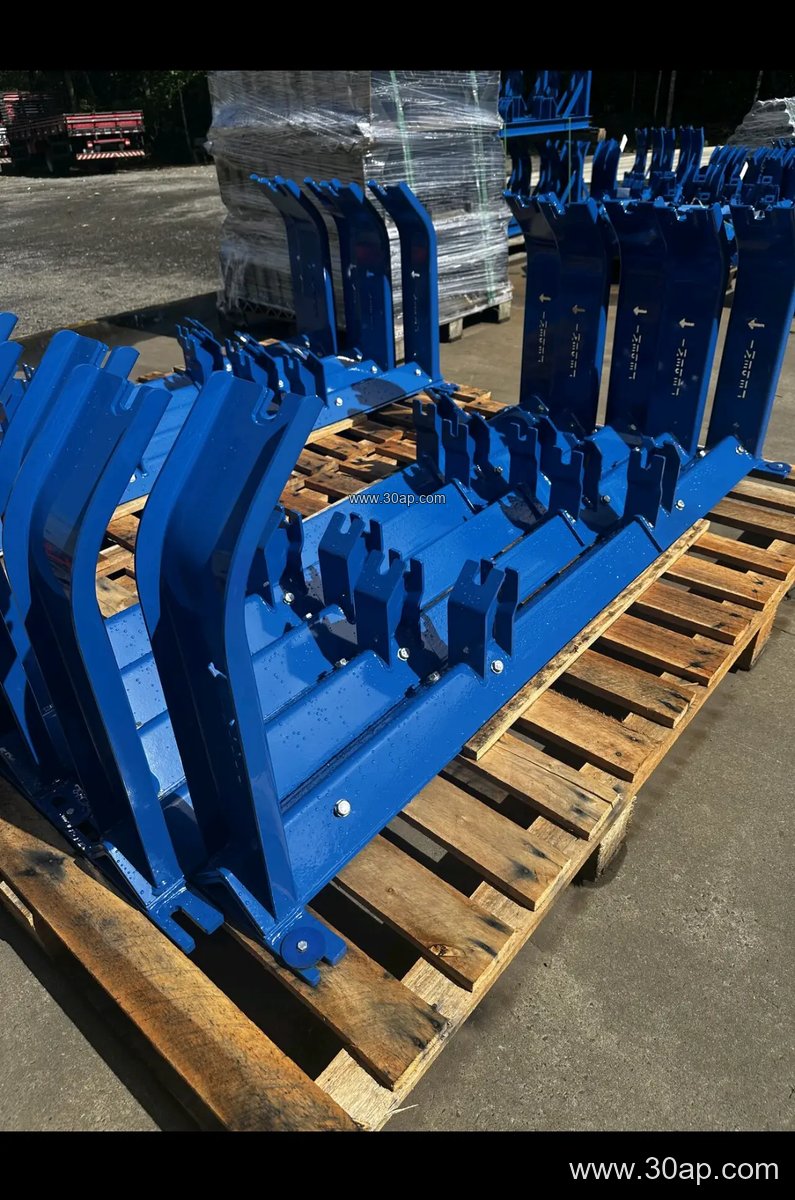
Construction and Common Forms
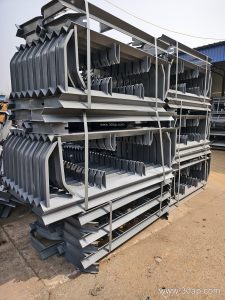
Most brackets are fabricated from angle steel, channel steel, or folded steel plate. The material choice affects stiffness and how easily the bracket bolts to the stringer. Galvanizing is applied after fabrication, so holes, welds, and edges all receive coverage.
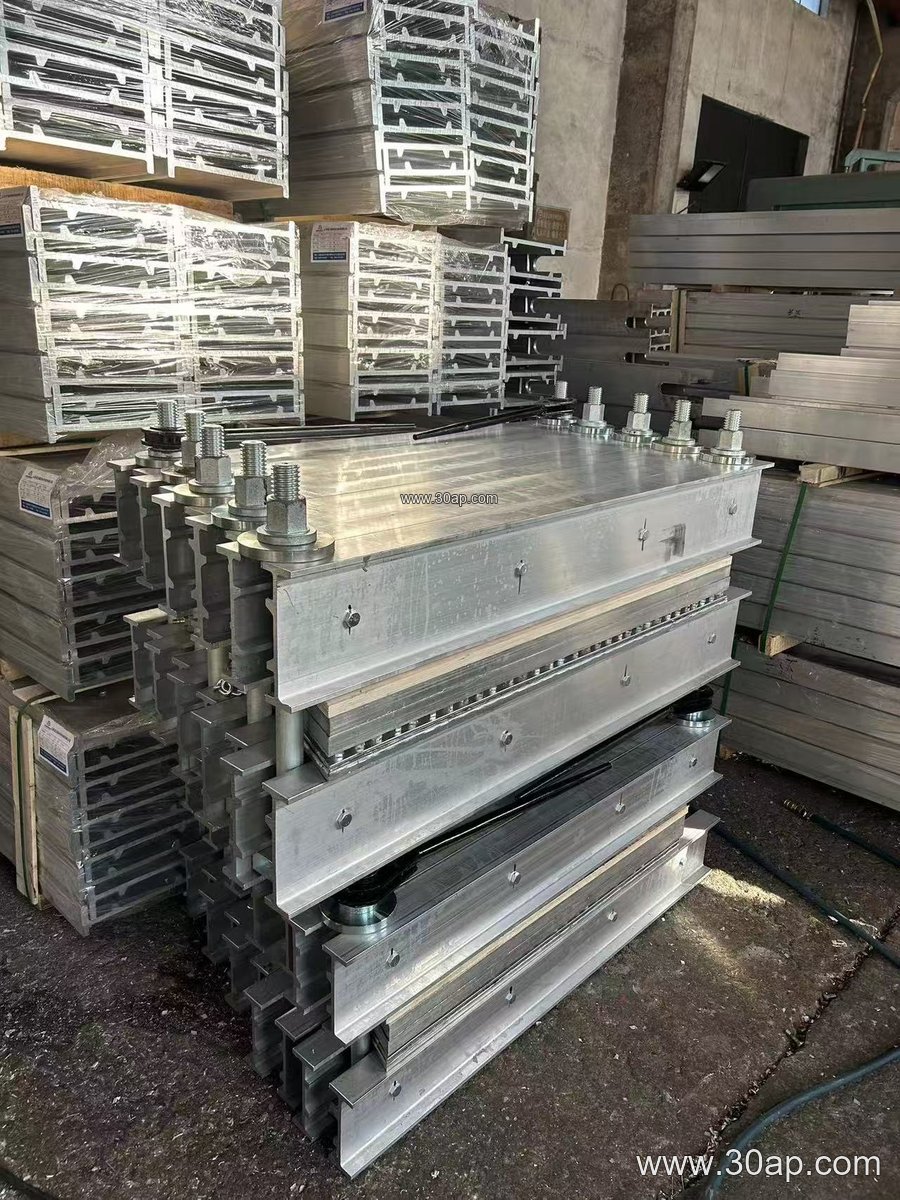
Typical forms include trough brackets, transition brackets, return brackets, V-return brackets, impact brackets, self-aligning brackets, and adjustable brackets. Each has a different job. A self-aligning bracket is not a substitute for a return bracket, and a transition bracket is not a replacement for a trough bracket. They work at different points along the same conveyor.
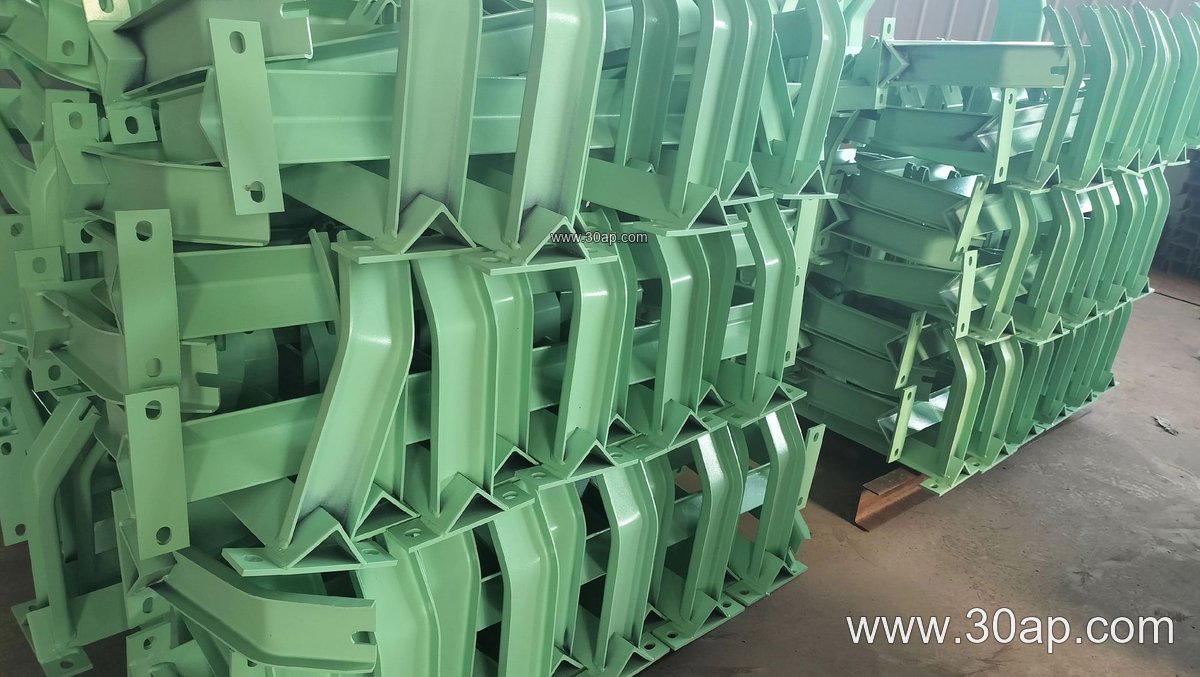
Reference dimensions that often appear in design
- Belt width: B500, B650, B800, B1000, B1200, B1400, B1600, B1800, B2000
- Trough angle: 20, 30, 35, 45 degrees
- Roller diameter: Ø89, Ø108, Ø133, Ø159, Ø194
These values are reference data, not fixed rules. A B800 frame may use a 35 degree trough with Ø108 rollers, while a B1200 line may run 45 degrees with Ø133. Hole spacing and crossbeam length change with belt width and trough angle, so they should be confirmed from the drawing rather than assumed.
Where Galvanized Brackets Fit in a Conveying System
In a sand and gravel line, trough brackets hold the carrying rollers that shape the belt into a trough so aggregate stays centered. Return brackets support the belt on its way back. In a power plant coal yard, galvanized brackets resist washdown and humid air. In a crushing and screening circuit, impact brackets sit under the loading point to absorb shock from large rock.
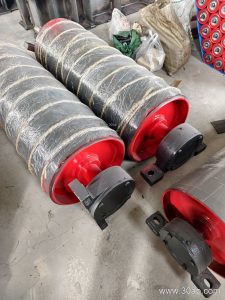
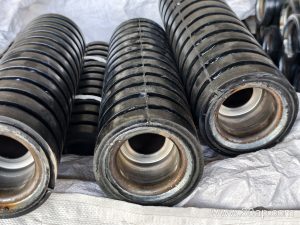
The bracket must match the roller it carries. A conveyor pulley at the head or tail sets belt tension and direction, but the brackets in between control belt profile. Matching a heavy-duty mining conveyor belt with undersized brackets leads to flexing and loose rollers. The same applies when a steel cord conveyor belt runs at high tension: the frame and brackets need enough rigidity to keep the rollers square to the belt.
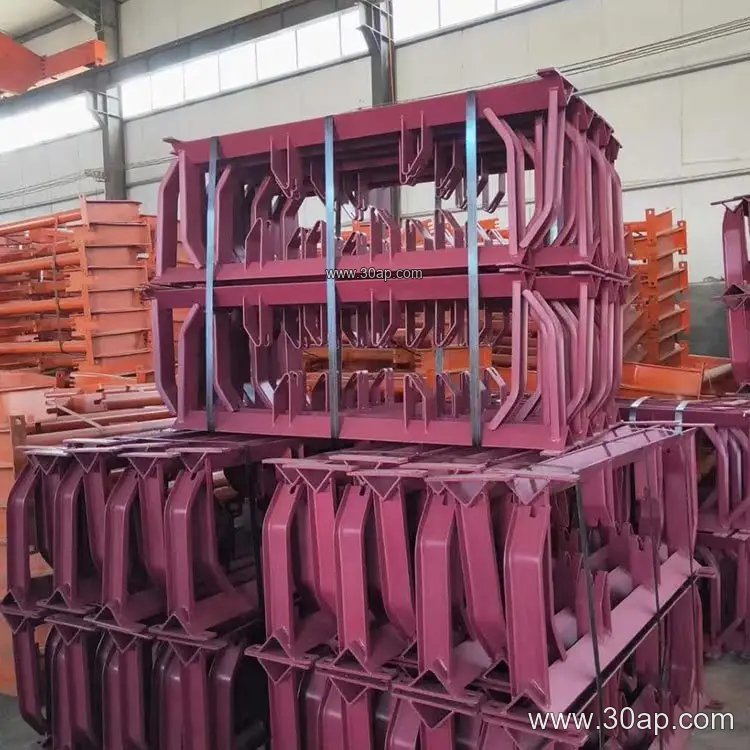
Adjustable Versus Fixed Brackets
Fixed brackets are welded or bolted at one trough angle. Adjustable brackets let maintenance staff change the trough angle between common settings such as 20, 30, 35, and 45 degrees, or fine-tune roller contact. Adjustable designs are useful on lines where the material or belt changes, or where field conditions differ from the original design. Forward-leaning brackets, often set around 1.5 to 2 degrees, help with belt training on some installations but should not be confused with self-aligning brackets.
Buyer Checklist
- Confirm belt width and trough angle before ordering; do not derive one from the other.
- Match roller diameter to the bracket saddle and shaft slot.
- Check galvanizing thickness and coating coverage on welds and cut edges.
- Ask for installation hole spacing and crossbeam length per drawing.
- Confirm whether the bracket is fixed or adjustable, and which angles are available.
- Consider the environment: wet, dusty, or corrosive sites benefit from galvanized finishes.
On a fertilizer or grain silo conveyor, a clean galvanized bracket also reduces buildup and makes inspection easier. For any project, combine the bracket schedule with the roller and belt specification so the whole conveyor frame works as one system.