What a Belt Conveyor Take-Up Pulley Does
A belt conveyor take-up pulley is the rotating drum that maintains tension in a conveyor belt. It usually sits at the tail end or in a dedicated take-up section, mounted on slides, a trolley or a pivoting arm so it can move as the belt stretches with use. Without a reliable take-up point, the belt on a quarry conveyor or a power plant coal line will slip on the drive pulley, sag between idlers and mistrack. In short, this pulley is the component that keeps the whole conveyor system stable under changing loads.
The take-up pulley is a specific subtype of conveyor pulley. It is not a drive pulley, not a tail pulley and not a bend pulley, although it is often installed near the tail. The tail pulley redirects the belt, while the take-up pulley moves to absorb slack. A bend pulley changes belt direction at a fixed position. These roles cannot be swapped without changing the conveyor’s tension control strategy.
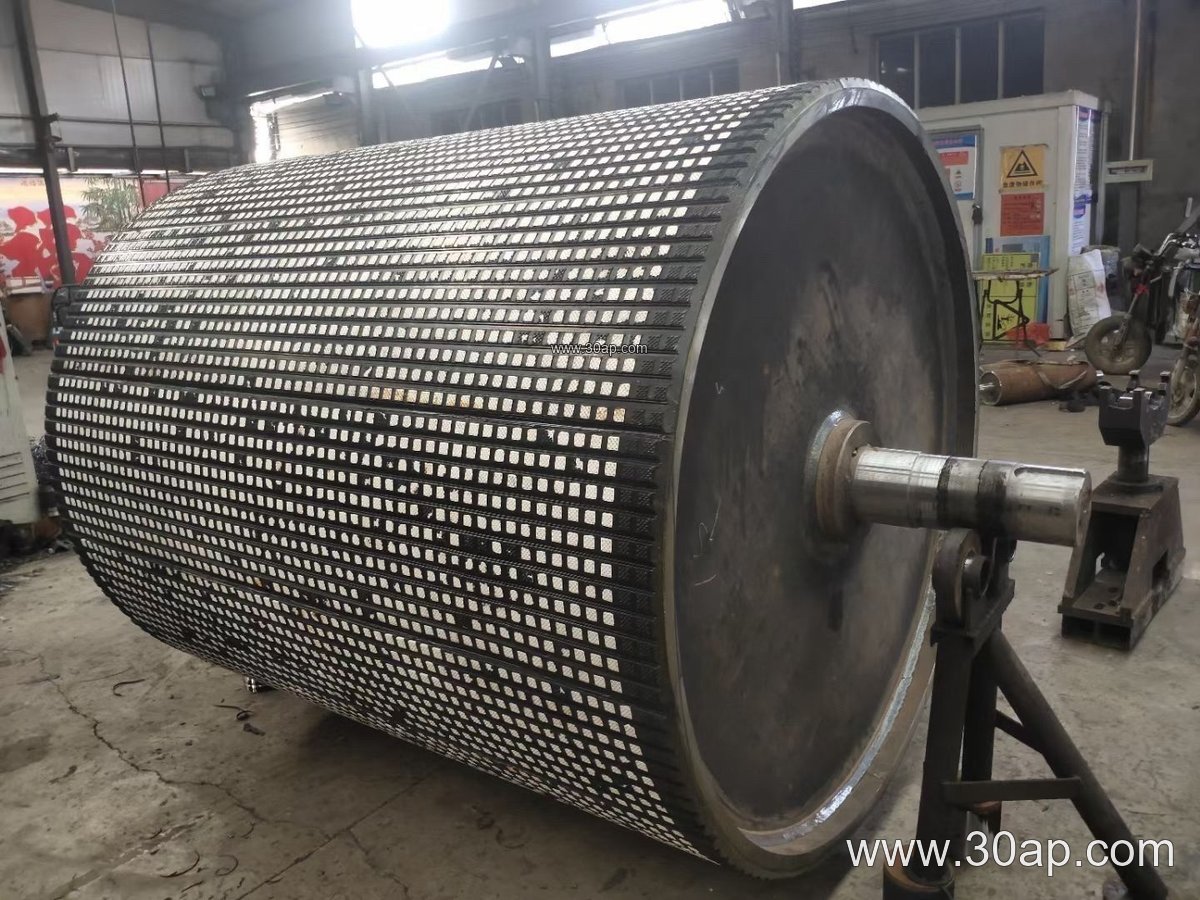
Construction and Surface Options
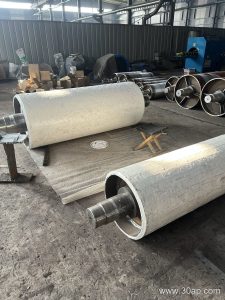
The drum is typically fabricated from rolled steel plate with welded end discs, then machined and balanced. Shafts are sized by torque and bearing load, not by belt width alone. Common shaft diameters include Ø80, Ø100, Ø120, Ø140 and Ø160, and larger sizes are used on heavy-duty mining conveyors. The pulley face width is normally slightly wider than the belt; for example, a B800 belt often runs on a pulley with roughly 950 mm face width, and a B1200 belt on about 1400 mm.
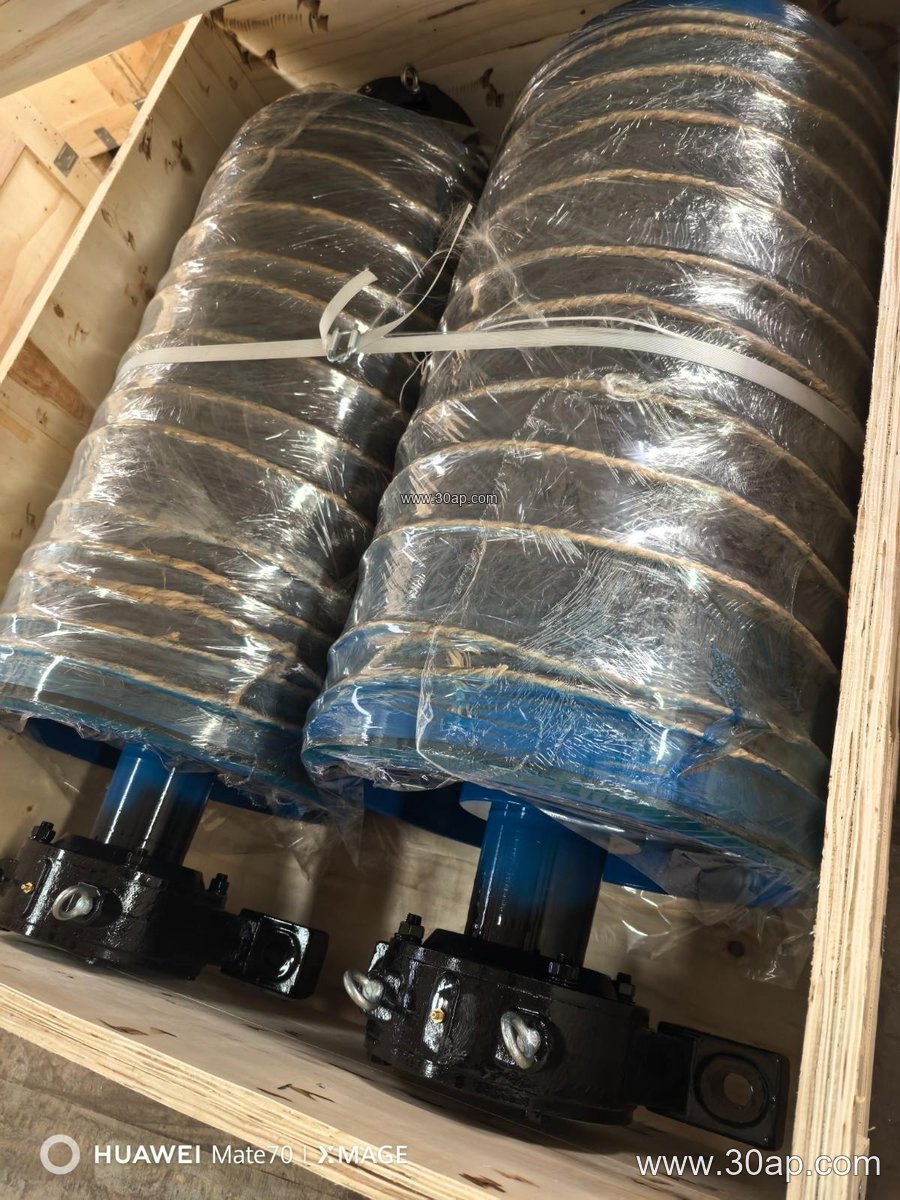
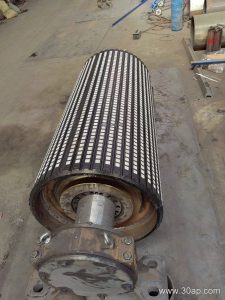
Surface treatment depends on the application. Plain finish works where the belt back is clean and dry. Rubber lagging, either cold-bonded or hot-vulcanized, improves grip and protects the shell. Diamond or herringbone grooving helps shed water and fines in wet conditions, while ceramic lagging is chosen for high-wear service. Lagging thickness commonly ranges from 8 mm to 20 mm. In dusty cement plants or aggregate lines, a smooth rubber cover is often preferred to avoid material build-up.
Where It Fits in the Conveyor Layout
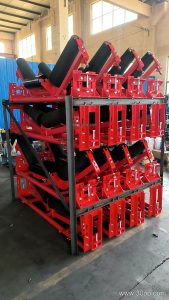
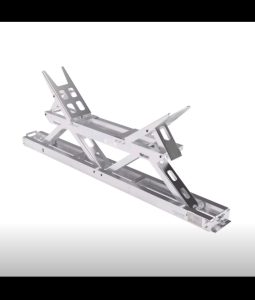
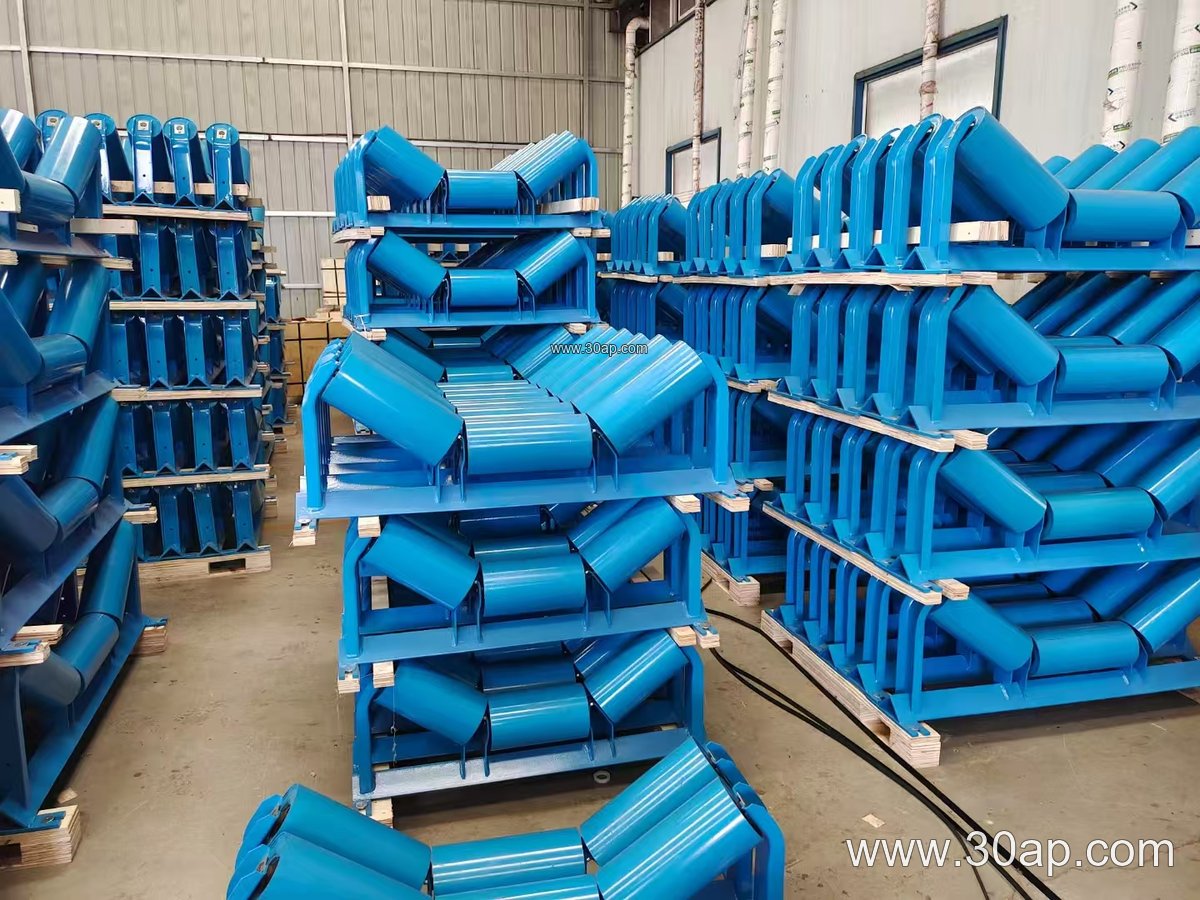
Take-up pulleys appear in many industries. In a limestone quarry or gravel plant, they are usually part of a screw-type or gravity take-up at the tail. In underground coal mining, the take-up may be integrated into the tail section with a short sliding frame. Port bulk terminals handling iron ore or copper ore often use a heavy take-up trolley with a counterweight. The pulley works together with the conveyor belt, idler rollers and conveyor brackets, and its alignment must match the belt path.
Belt type affects the take-up design. A steel cord conveyor belt needs a longer take-up stroke because elongation is lower but tension is high. Fabric core belts such as EP conveyor belt or NN conveyor belt grades need enough travel to compensate for initial stretch. A heat resistant conveyor belt on a cement kiln feed line, or a flame retardant conveyor belt in a coal mine, may require extra clearance around the take-up frame for inspection.
Matching the Pulley to Belt Width and Duty
Buyers often ask which diameter goes with which belt width. There is no single answer. A B650 belt may run with a Ø400 or Ø500 take-up pulley, while a B1400 belt may use Ø800 or Ø1000. The diameter should be checked against belt thickness, minimum bend radius and bearing capacity. Typical combinations include B800 × Ø500 and B1200 × Ø1000, but these are reference points, not fixed rules.
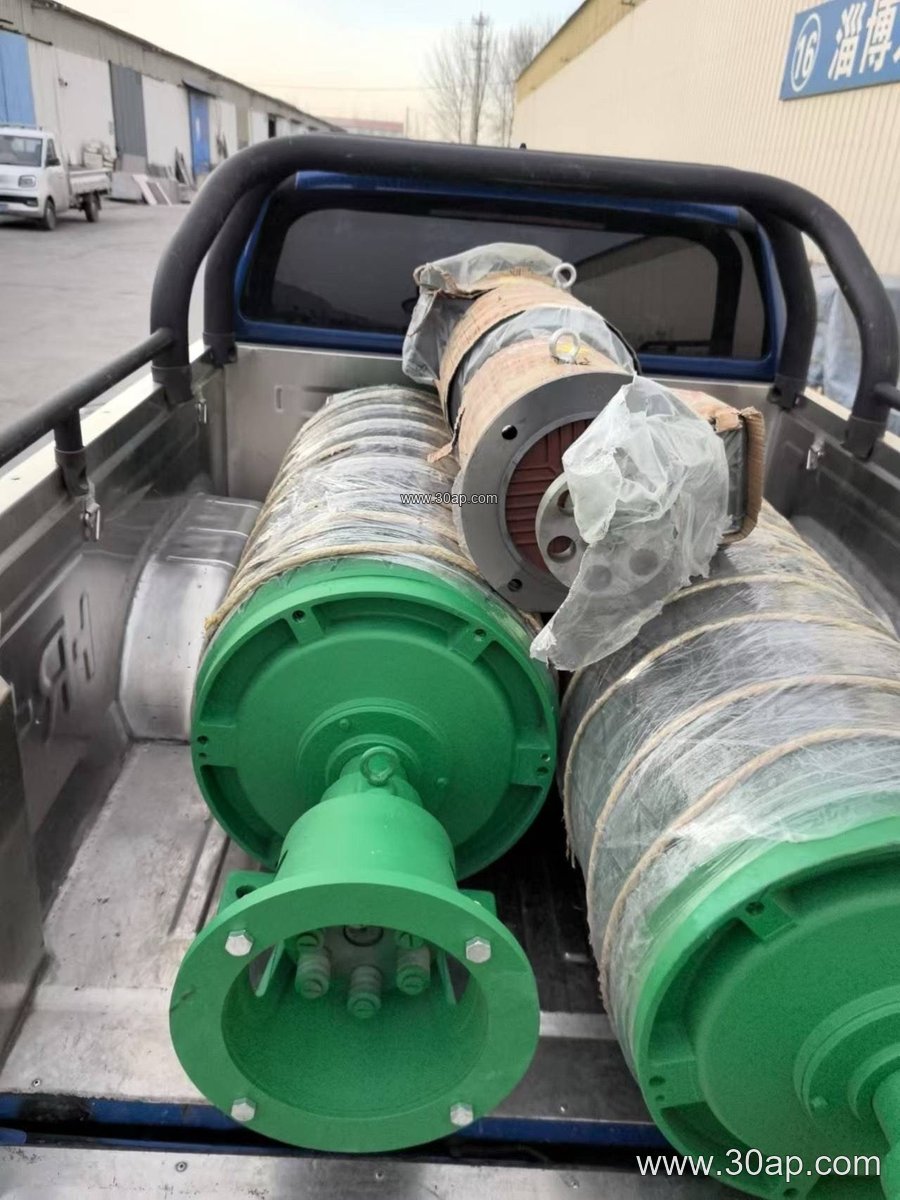
- Face width: usually 100 to 200 mm wider than the belt
- Common diameters: Ø315, Ø400, Ø500, Ø630, Ø800, Ø1000
- Common shaft sizes: Ø80 to Ø200 depending on load
- Lagging: plain, rubber, diamond, ceramic, 8 to 20 mm thick
Buyer Checklist
Before ordering, confirm the belt width, the take-up travel needed, the shaft and bearing size, and the lagging type. Ask whether the pulley will be supplied with a sliding frame, bearing housings and conveyor bracket. Check that the face width and diameter suit the belt, and that the lagging will not trap material in a dusty or wet environment. For a mine or coal handling plant, verify flame retardant and anti-static properties of the belt and the pulley’s compatibility with the take-up stroke.
Routine checks matter. Inspect lagging wear, bearing temperature and frame alignment during scheduled shutdowns. A properly sized belt conveyor take-up pulley keeps tension steady, reduces belt slip and extends the service life of the whole conveyor line.