What the NN200 Conveyor Belt Is
The NN200 Conveyor Belt is a multi-ply fabric core belt built on nylon (NN) canvas. Both warp and weft yarns are nylon, which gives the carcass high strength, good fatigue resistance and strong adhesion between plies. The number 200 refers to the nominal tensile strength of the carcass, commonly expressed in N/mm, so the belt sits in the middle of the nylon range, above NN100 and below NN300 and NN400. Buyers often describe it simply as an NN Conveyor Belt or a nylon Fabric Core Conveyor Belt, and it competes directly with EP Conveyor Belt constructions where nylon’s elasticity and impact tolerance are preferred.
How the Belt Is Constructed
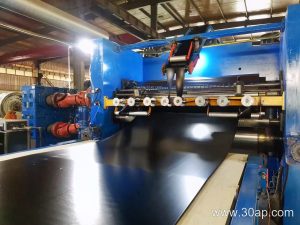
An NN200 belt is normally made from two to six plies of nylon fabric, bonded with rubber skim compound and protected by top and bottom cover rubber. Typical cover combinations include 3+1.5 mm, 4+2 mm, 5+2 mm, 6+2 mm and 8+3 mm, with heavier covers used where abrasion or impact is severe. The carcass may be protected by edge rubber and, when required, by a breaker layer under the top cover. A Rubber Conveyor Belt of this class can also be supplied with covers formulated for heat, oil, flame or cold service, which changes the surface compound but not the nylon carcass.
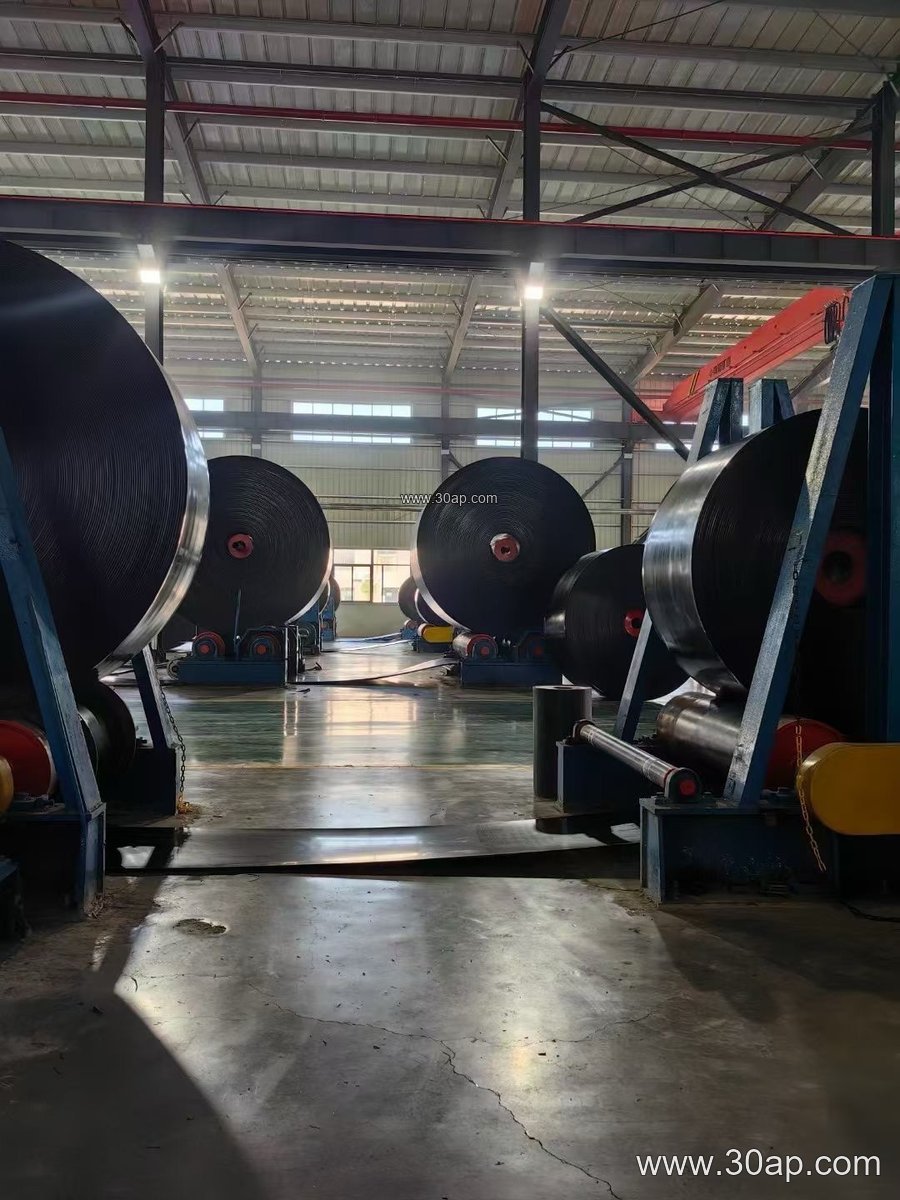
Where It Fits in the Plant
Nylon belts are widely seen in mines, coal preparation plants, cement works, power stations, quarries and sand and gravel yards. A typical duty might be a crusher conveyor belt carrying run-of-mine rock, an aggregate conveyor belt in a stone crushing line, or a bulk material conveyor belt moving ore and clinker. Because the carcass absorbs shock and flexes well over small pulleys, the belt is often chosen for feeder and transfer positions. In dusty or underground settings, a flame retardant or anti-static version may be required, and that requirement should be written into the specification rather than assumed.
Sizes and Reference Data
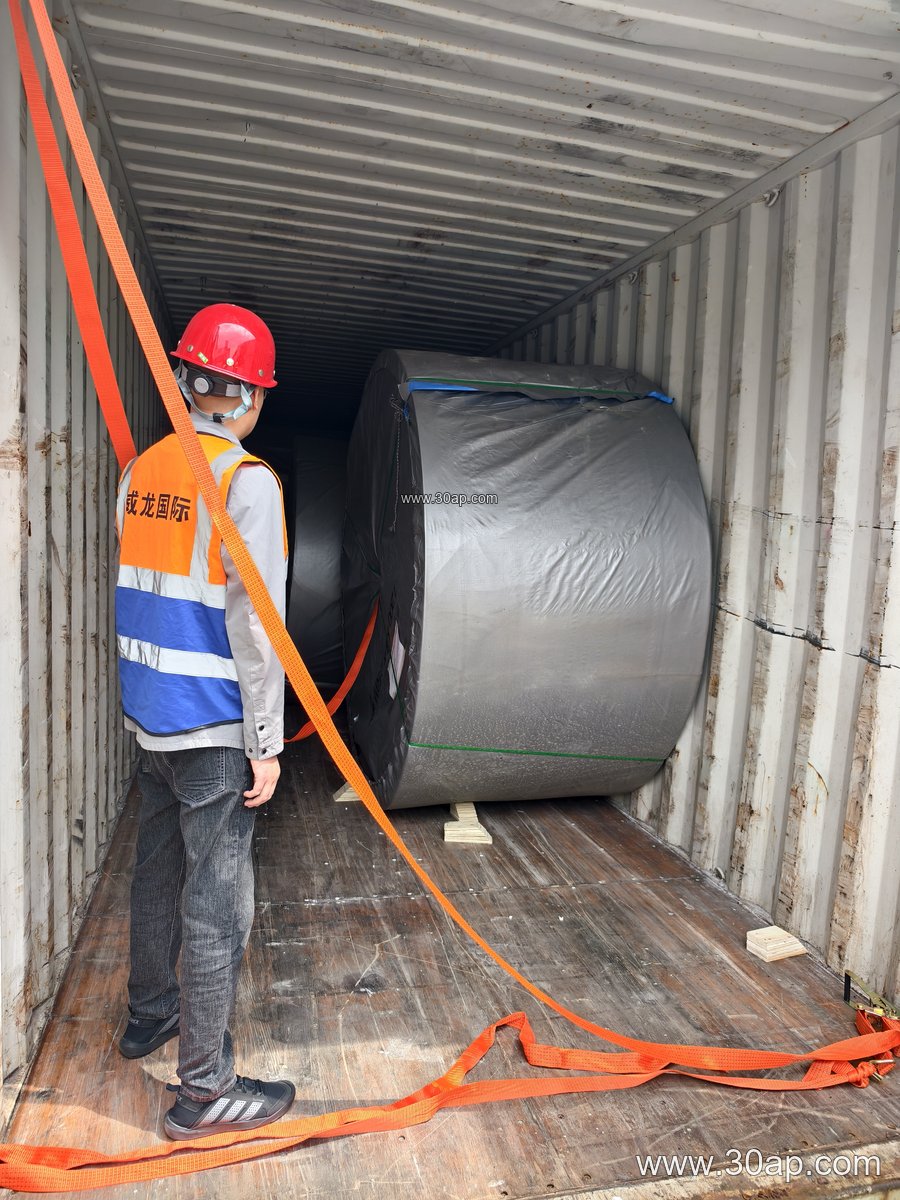
Common belt widths run from B500 and B650 up through B800, B1000, B1200, B1400, B1600, B1800 and B2000, and wider belts are produced for large ports and bulk terminals. The table below collects typical reference values; actual supply is confirmed by the manufacturer’s design.
- Belt type: NN200 nylon fabric core
- Common widths: B500, B650, B800, B1000, B1200, B1400, B1600, B1800, B2000
- Carcass plies: usually 2 to 6
- Cover thickness examples: 3+1.5, 4+2, 5+2, 6+2, 8+3 mm
- Related grades: NN100, NN300, NN400
- Comparable family: EP200, EP315, EP400, EP500
Pulleys, Idlers and the Rest of the Line
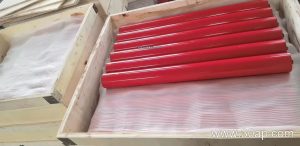
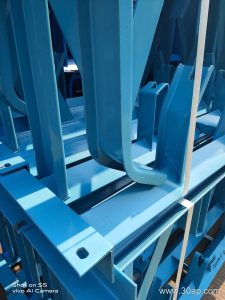
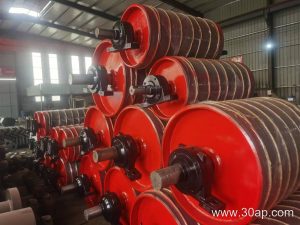
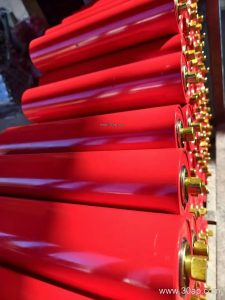
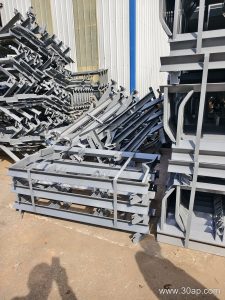
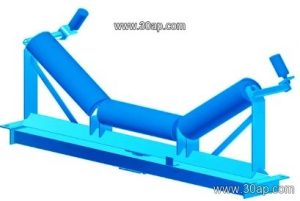
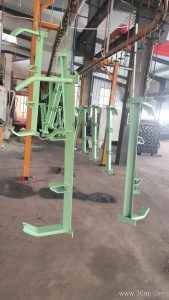
The belt is only one component of the conveyor. Drive pulleys, tail pulleys and bend pulleys each do a different job and are not interchangeable; a bend pulley cannot take over the duty of a drive pulley. Idler rollers support the loaded strand, while the conveyor bracket and frame keep everything aligned. When specifying an NN200 belt, give the pulley diameters, trough angle, load per meter and belt speed so the belt can be matched to the conveyor pulley and idler roller arrangement. At www.beltconveyorsystem.com we often see belts fail early because the pulley diameter was too small for the carcass, not because the belt itself was weak.
Buying and Maintenance Notes
For abrasive rock, a high abrasion resistant cover is usually worth the extra cost. For hot clinker or cement, choose a heat resistant grade, and for oily scrap or recycled material an oil resistant cover helps. Where fine material must be contained, a skirted conveyor belt or a corrugated sidewall belt may be more suitable than a standard flat belt. Check splice quality, storage conditions and pulley alignment during installation. An endless conveyor belt made at the factory reduces splice risk on critical lines, but field splicing is still common. Keep records of belt width, ply count and cover thickness so replacement belts match the original design instead of drifting to a different specification.