What a Rubber-Lined Pulley Does on a Conveyor
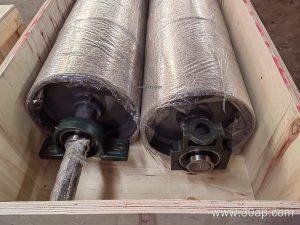
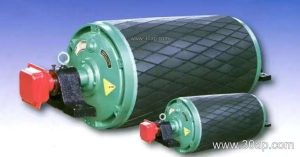
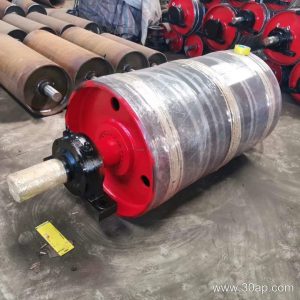
A rubber-lined pulley is a conveyor pulley whose shell is covered with a rubber layer to improve grip and protect the belt. In a typical bulk handling line, it works together with the conveyor belt, idler roller, conveyor bracket, and other conveyor pulley units. The rubber lining is not a cosmetic addition; it changes how torque is transmitted and how the belt behaves at the drive, tail, or bend position.
This pulley is often specified as a rubber lagged pulley or rubber-coated pulley. Those names refer to the same product. Drive pulleys, tail pulleys, and bend pulleys are different positions and should not be used interchangeably. A rubber-lined drive pulley pulls the belt under load, while a rubber-lined tail pulley supports the return side and helps keep the belt centered.
How the Rubber Lining Is Built
The lining is usually applied to a steel drum by hot vulcanization, cold bonding, or cast rubber. Common surface forms include plain rubber, diamond groove, herringbone, and ceramic-backed rubber. Thickness values such as 8 mm, 10 mm, 12 mm, 15 mm, and 20 mm are often quoted, depending on the duty. Plain rubber suits general grip, while diamond or herringbone patterns help shed water and fines. Ceramic tiles embedded in rubber may be chosen where slip risk is high.
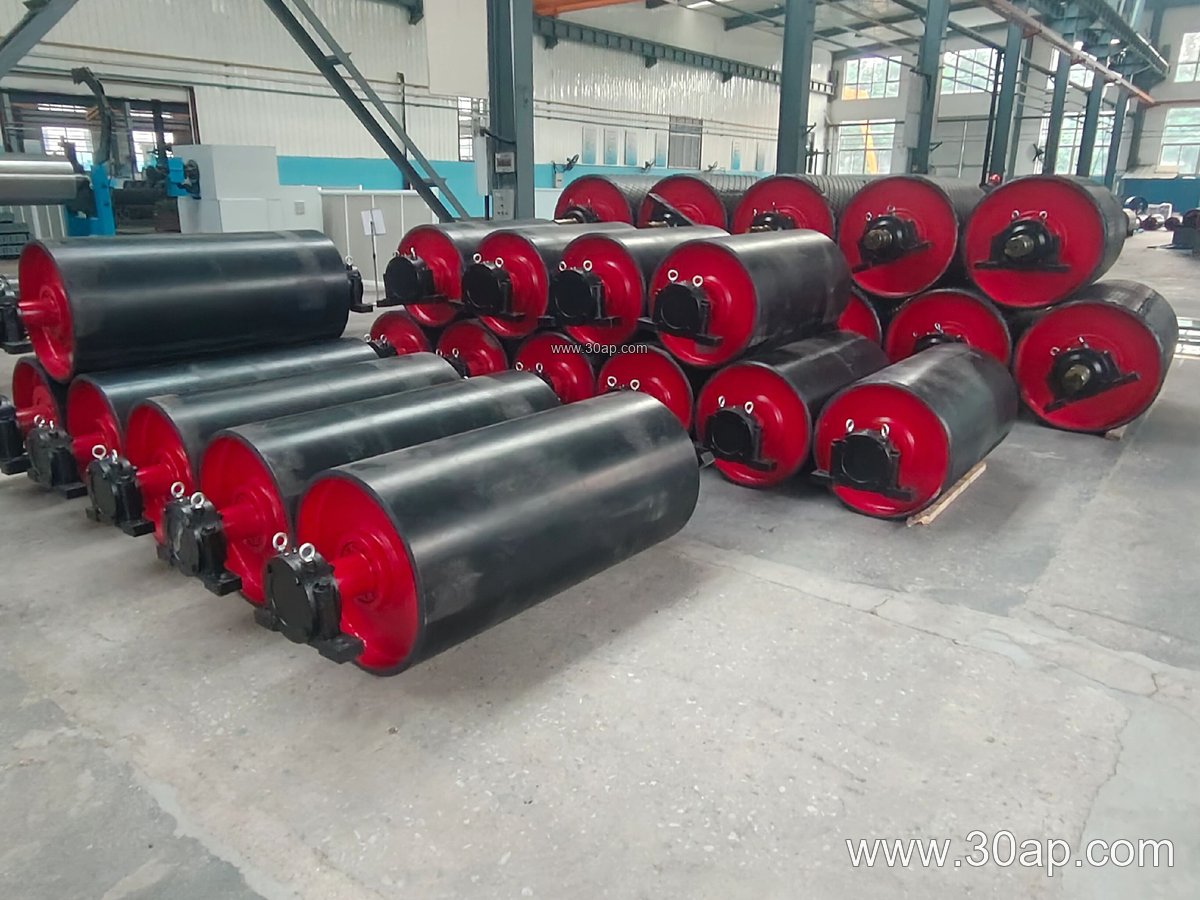
In a cement plant or power plant coal yard, a rubber-lined pulley can reduce belt slippage when dust and moisture are present. The rubber also absorbs some impact and protects the shell from wear. However, the lining does not replace proper belt tension or correct pulley alignment.
Where It Fits in a Bulk Handling Line
Rubber-lined pulleys are used in quarry conveyors, limestone mines, iron ore lines, copper ore plants, sand and aggregate lines, crushing and screening circuits, and port bulk terminals. In these settings, the pulley works with abrasive materials carried on a heavy-duty mining conveyor belt or an abrasion resistant conveyor belt. A rubber-lined drive pulley is common where the belt must transmit high torque without polishing the shell.
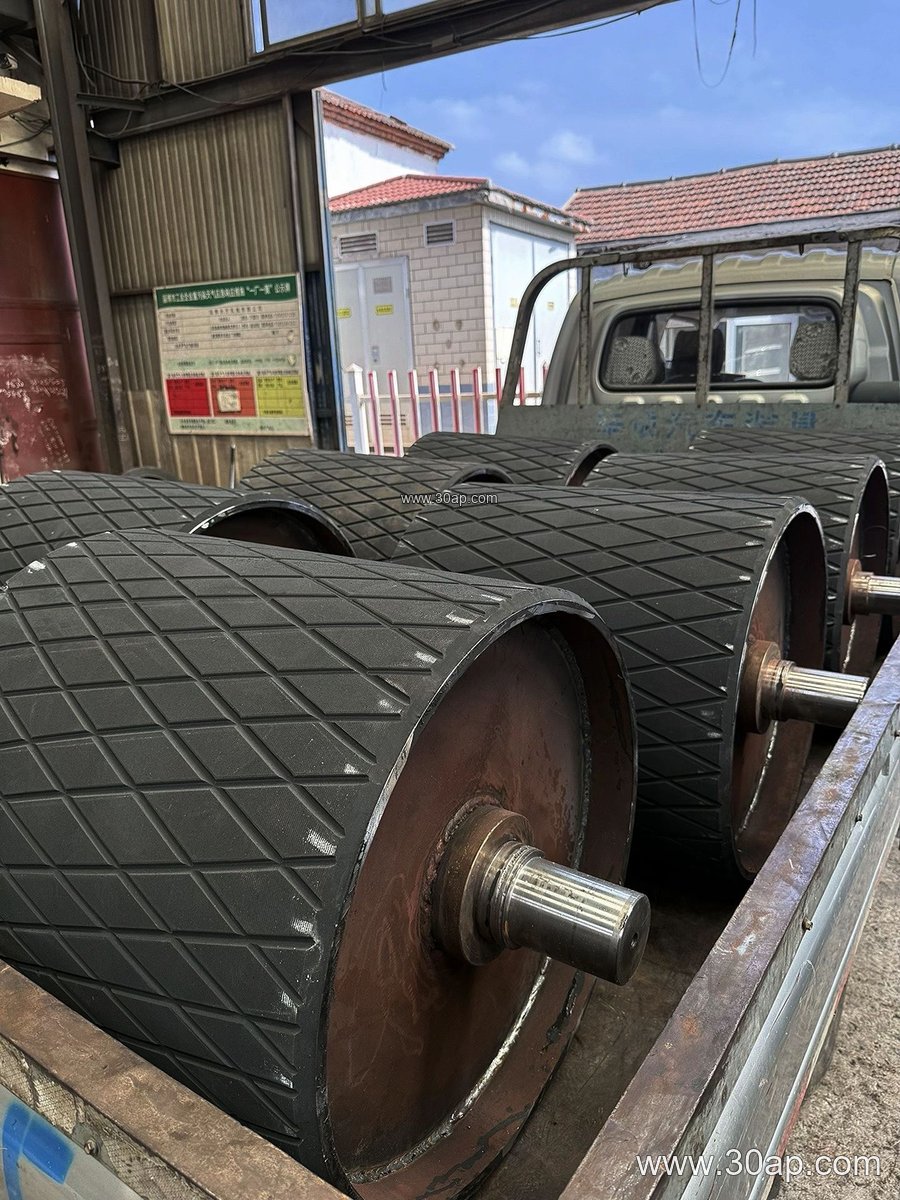
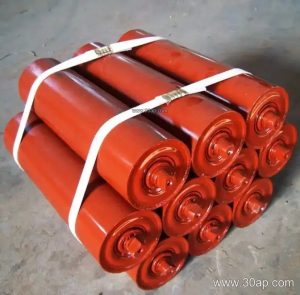
At the tail end, a rubber-lined tail pulley helps guide the belt and can reduce material buildup. A bend pulley with rubber lagging may be used to change belt direction while keeping traction. These are different positions and should not be treated as interchangeable names. The same applies to an idler roller, which supports the belt but does not drive it.
Matching the Pulley to Belt Width and Duty
Belt width and pulley diameter are selected together, but there is no fixed rule that one belt width matches only one diameter. Common combinations include B800 x Ø500, B1200 x Ø1000, and B1400 x Ø800. The shell width is usually greater than the belt width; for example, a B800 belt may run on a pulley with a shell around 950 mm. Shaft diameter is determined by torque and load, not by belt width alone. Common shaft sizes include Ø80, Ø100, Ø120, and Ø160, but the final value must come from the conveyor design.
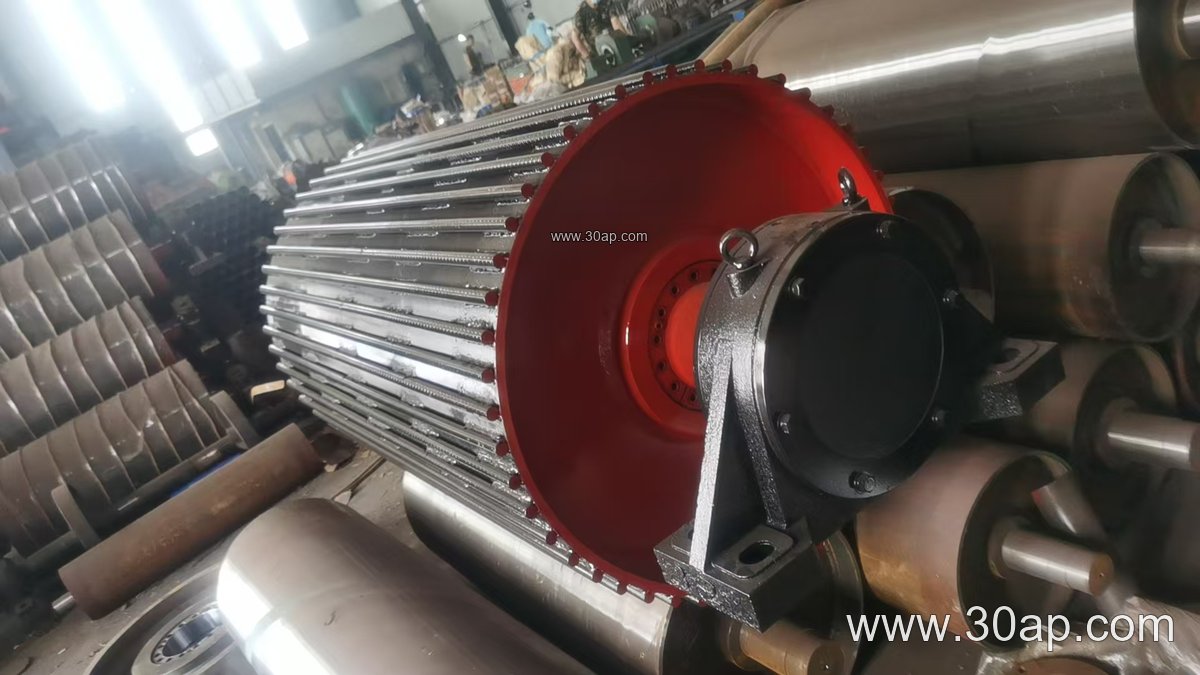
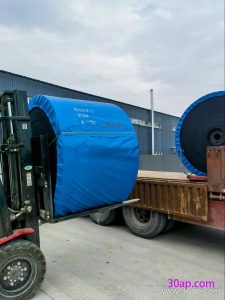
When selecting a rubber-lined pulley, buyers should confirm the belt width, pulley position, lining thickness, surface pattern, shaft size, bearing type, and the conveyor bracket interface. It is also useful to review the belt type, such as an EP conveyor belt or steel cord conveyor belt, because the belt’s tensile strength and cover compound influence the required traction.
Buyer Checklist and Maintenance Notes
Check that the rubber lining is bonded evenly and that the surface pattern suits the material. In a coal mining conveyor belt system, a flame retardant conveyor belt may be used together with a rubber-lined pulley, and the rubber compound should be compatible with the site’s fire safety requirements. For oily materials, an oil resistant conveyor belt may be paired with a suitable pulley lining.
During operation, inspect the lining for wear, cuts, and separation from the shell. Keep the pulley clean and aligned, and maintain correct belt tension. A worn rubber lining can cause slip, belt tracking problems, and extra load on the drive. Re-lagging or replacing the pulley may be more economical than running a worn unit.
For more information on conveyor pulleys and related components, visit example.com/conveyor-pulley and example.com/rubber-lined-pulley. Related equipment includes the conveyor belt, idler roller, and conveyor bracket, all of which should be reviewed as part of the same conveyor system.