What a Wear-Resistant Mining Idler Does on the Line
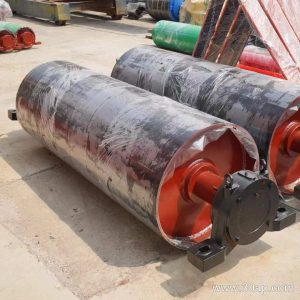
A wear-resistant mining idler is a load-bearing roller built to survive the constant abrasion, impact and dust found in bulk material handling. In a typical quarry, limestone mine or coal preparation plant, the conveyor belt may carry sharp rock, wet ore or hot sinter for thousands of hours. The idler roller is the part that supports the belt and keeps it tracking, so its outer surface and internal bearings have to resist wear far longer than a standard duty roller. When specifying this component, buyers often ask for a wear-resistant mining idler by name, but the same product is also known as a heavy-duty conveyor roller or abrasion-resistant idler. These are accurate equivalent names for the same item, not different products.
Construction and Common Materials
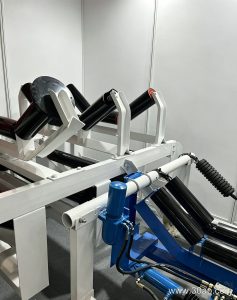
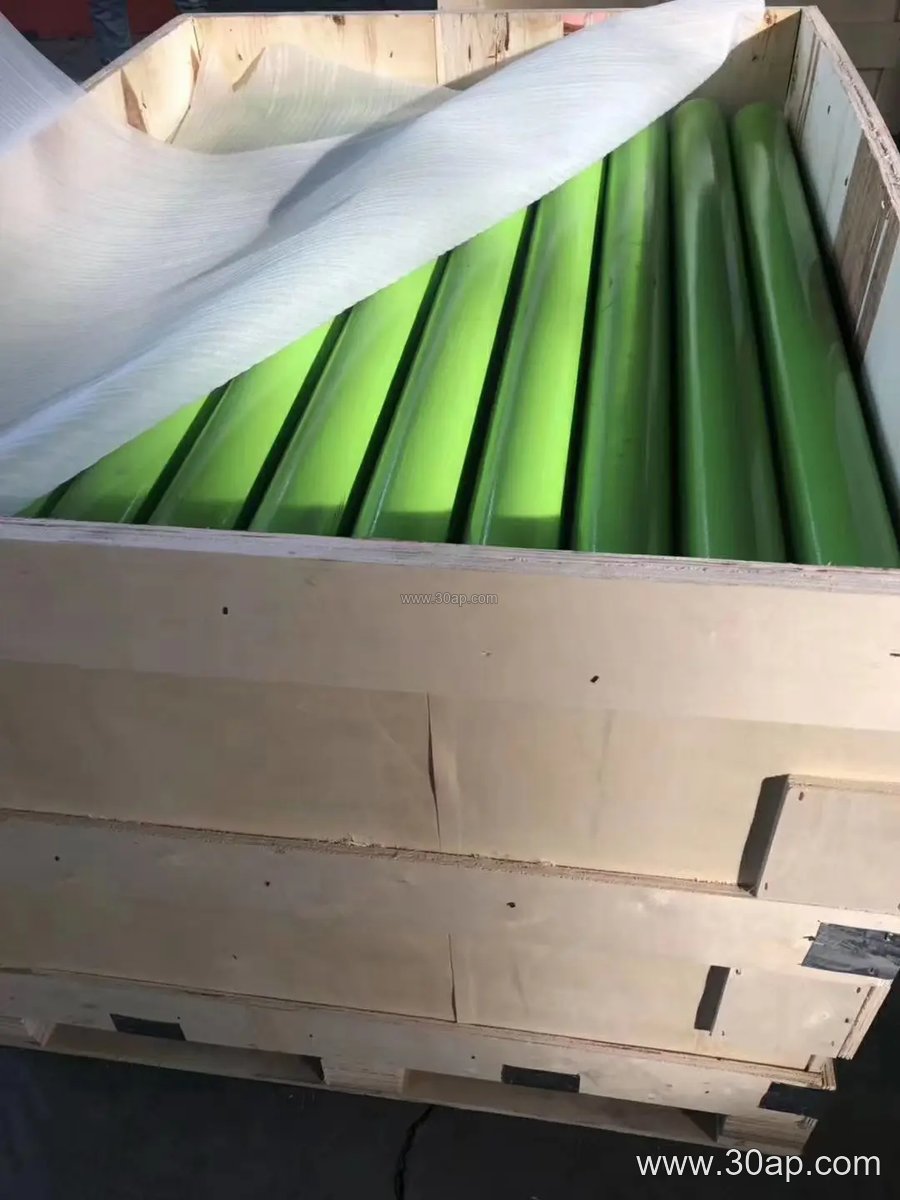
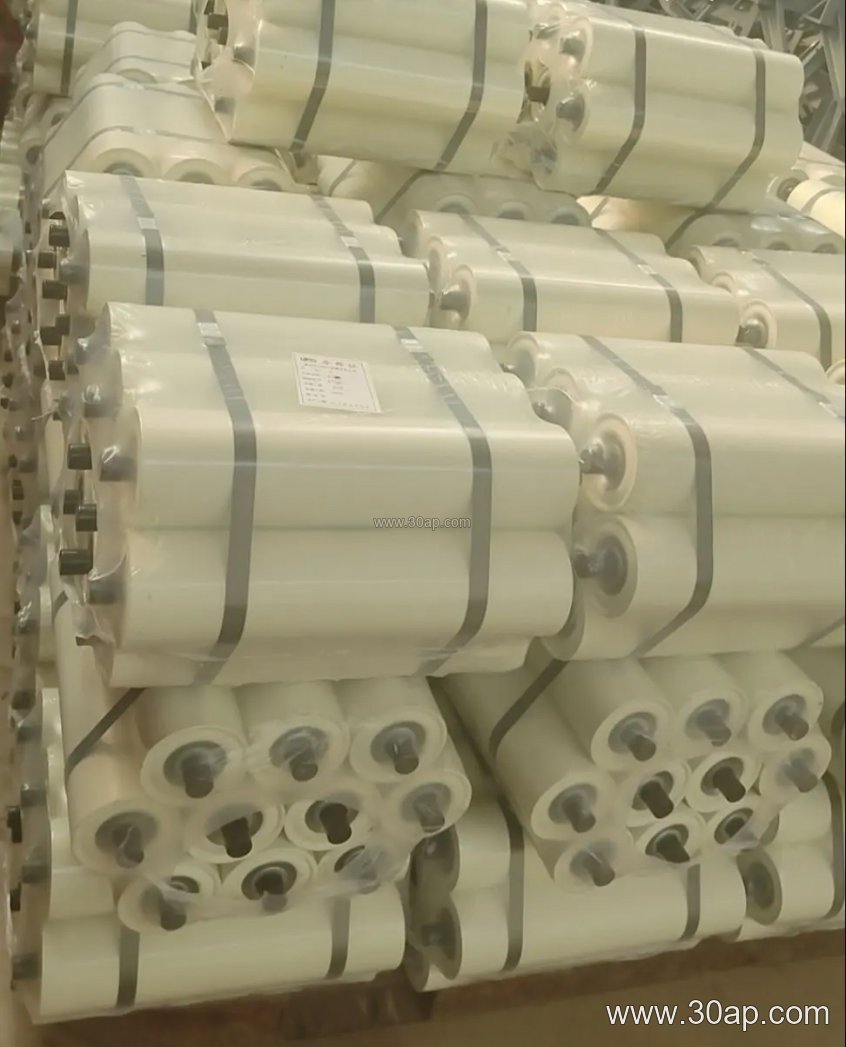
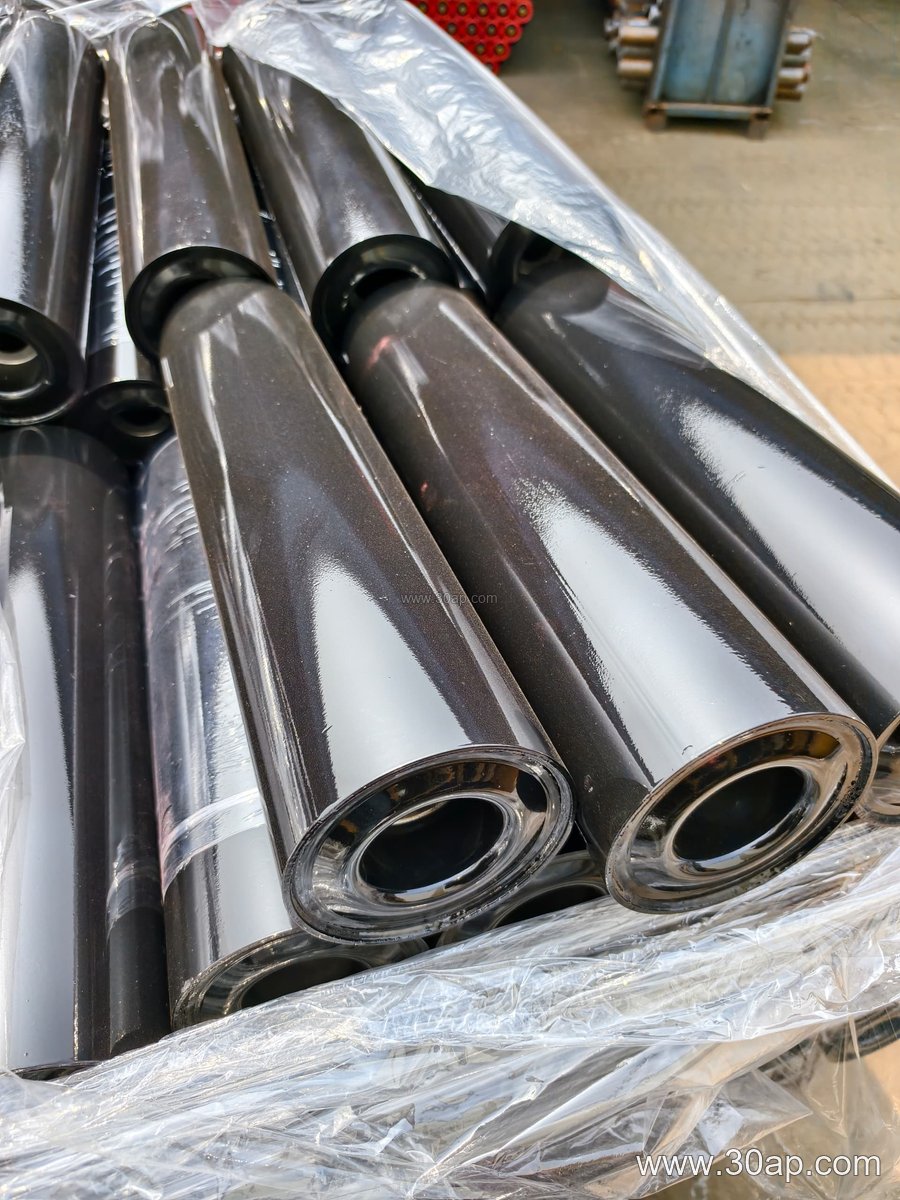
The basic structure is a steel tube, a shaft, bearing housings and a sealing system. What makes it wear-resistant is the combination of tube wall thickness, surface treatment and bearing protection. Common roller diameters include Ø89, Ø108, Ø127, Ø133, Ø159 and Ø178, with larger sizes such as Ø194 and Ø219 used on wider, heavier belts. The roller face can be plain steel, nylon, ceramic or rubber rings. Ceramic and rubber-covered rollers are often chosen where the conveyor belt carries sticky or highly abrasive material, while nylon is used in some wet or corrosive conditions. Bearings are typically 6204, 6205, 6305, 6306, 6308 or 6310, matched to the load and speed of the application. Sealing may be labyrinth, contact or a combination, and it is the seal that often decides how long the idler survives in a dusty cement plant or power station coal yard.
Common Roller Diameters and Belt Widths
The table below gives reference examples, not fixed rules. Roller length changes with belt width, trough angle and the number of rollers in the set. A three-roll troughing set is common, but a two-roll or single-roll arrangement may be used in specific zones.
| Belt Width | Common Roller Diameter Range | Typical Roller Length Example for Three-Roll Troughing |
|---|---|---|
| B500 | Ø63 to Ø89 | Around 200 mm |
| B650 | Ø76 to Ø108 | Around 250 mm |
| B800 | Ø89 to Ø127 | Around 315 mm |
| B1000 | Ø108 to Ø133 | Around 380 mm |
| B1200 | Ø108 to Ø159 | Around 465 mm |
| B1400 | Ø127 to Ø159 | Around 530 mm |
| B1600 | Ø133 to Ø178 | Around 600 mm |
| B1800 | Ø159 to Ø194 | Around 670 mm |
| B2000 | Ø178 to Ø219 | Around 750 mm |
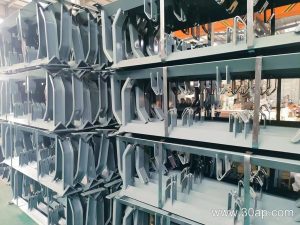
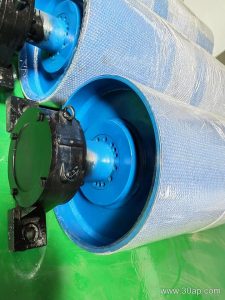
Side rollers and the centre roller can differ in length, so the values above are only a starting point for design. A conveyor pulley, whether a drive pulley, tail pulley or bend pulley, has its own separate dimensions and should never be treated as an interchangeable part with an idler. The same applies to the conveyor bracket that holds the idler set; bracket spacing and drop-in design vary by manufacturer and application.
Where Wear-Resistant Idlers Are Used
These rollers appear in many bulk handling environments. In an iron ore or copper mine, the conveyor belt may run at high tension with sharp, heavy lumps, so impact and abrasion are the main enemies. In a cement plant, fine dust and high temperature can shorten bearing life. In a coal-fired power plant, coal dust and occasional wet conditions demand good sealing. A sand and gravel line or crushing and screening plant often sees a mix of fines and jagged stone, which wears the roller surface quickly. The wear-resistant mining idler is also found in steel mills, sinter plants, ports and tunnel muck removal. Each site has its own priorities, so the correct choice depends on material, belt speed, load and maintenance practice.
Selection Points for Buyers
Buyers should consider the following before ordering:
- Roller diameter and shaft size must match the conveyor bracket and the load requirement.
- Bearing type and seal class should suit the dust and moisture level on site.
- Roller surface form: plain steel, nylon, ceramic or rubber rings, depending on abrasion and sticking.
- Trough angle, commonly 20, 30, 35 or 45 degrees, affects belt support and material containment.
- For training or alignment, a self-aligning idler may be used, but it is a different function from the main wear-resistant roller and should not replace it in the load-carrying zone.
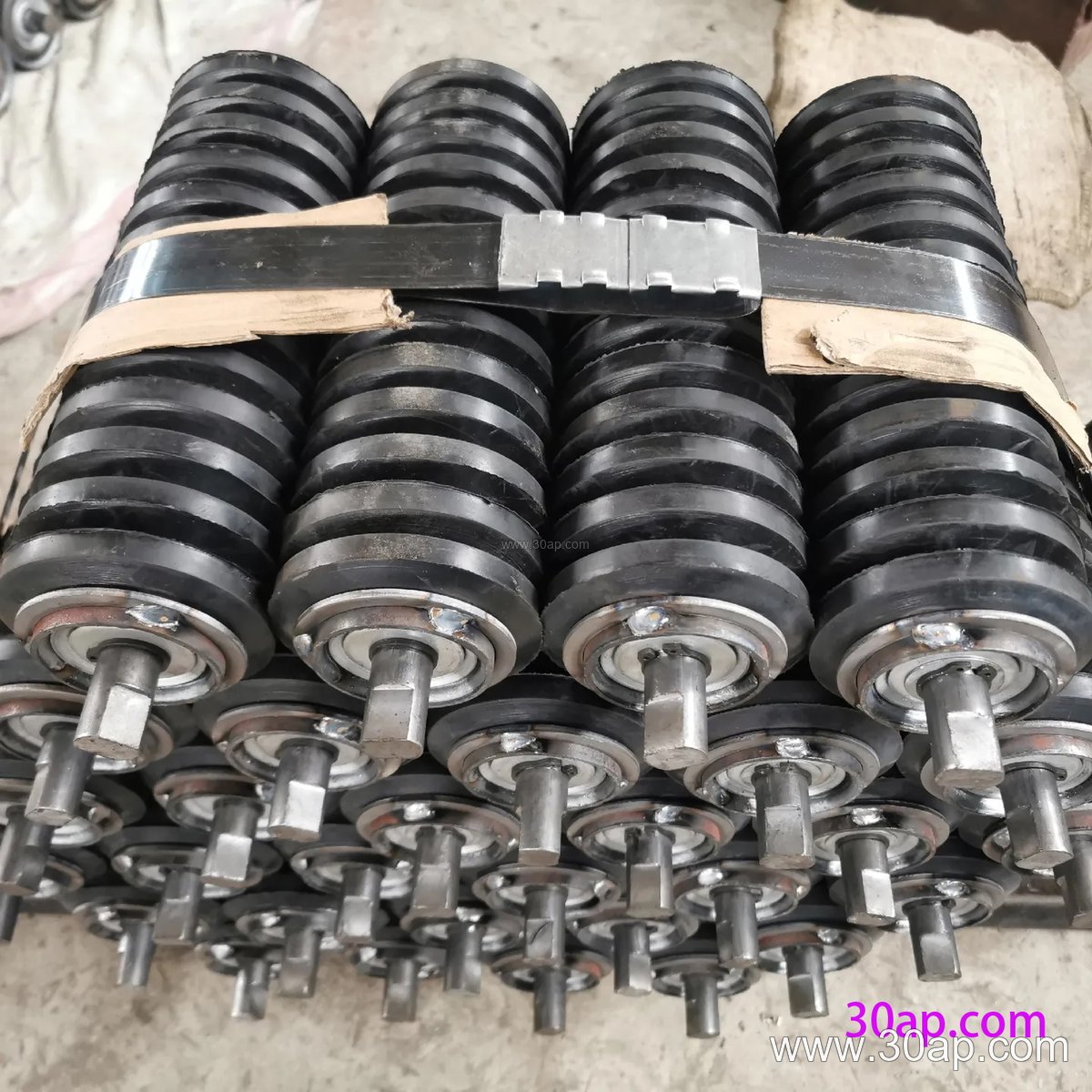
- Impact zones may call for a buffer idler with rubber rings, especially under a crusher or transfer point.
Maintenance is also part of wear resistance. Seized bearings, damaged seals or a bent shaft can destroy the roller long before the tube wears out. Regular inspection of the idler roller, the conveyor belt and the pulley lagging helps avoid unplanned stops. A wear-resistant mining idler is not a single universal part; it is a family of rollers designed around a specific duty. The right combination of diameter, bearing, seal and surface will give the longest service life in mines, quarries, cement works and power plants.