What the ST2000 Conveyor Belt Is
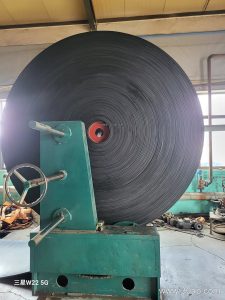
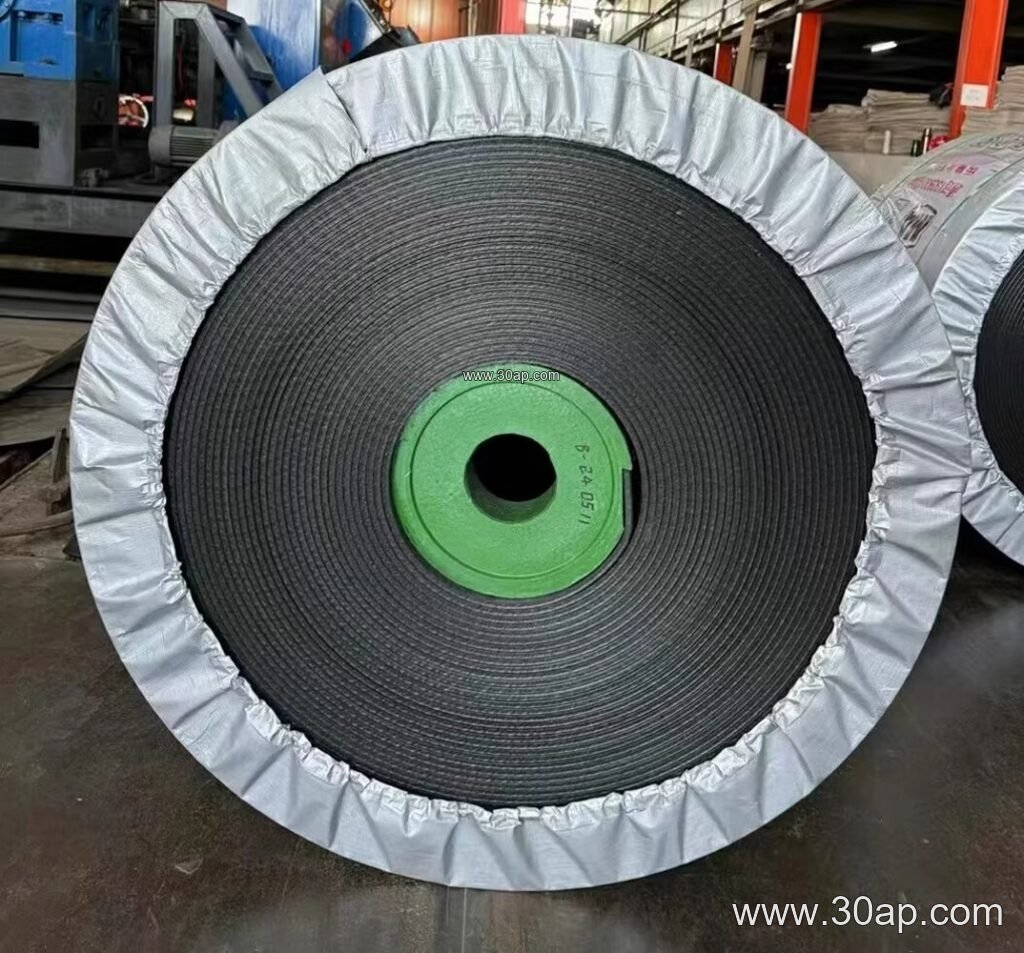
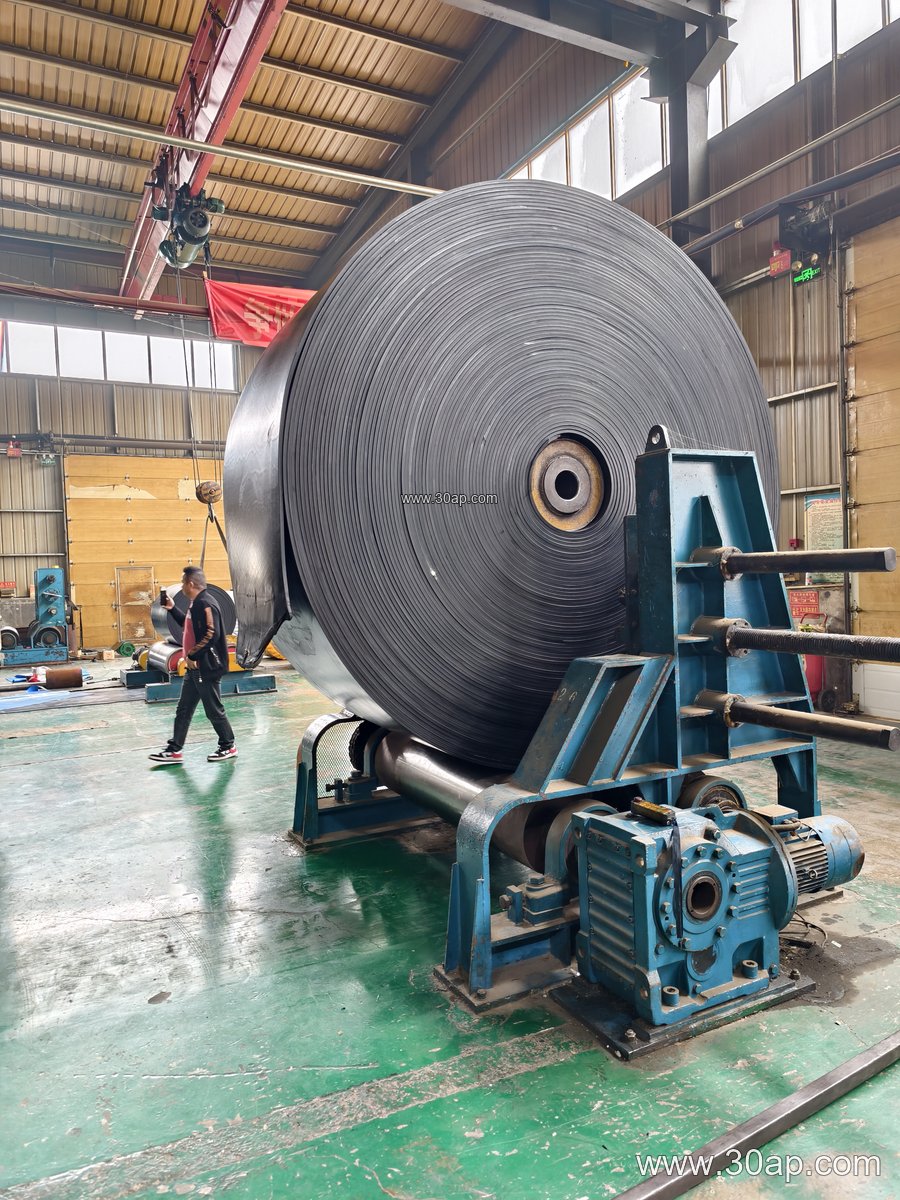
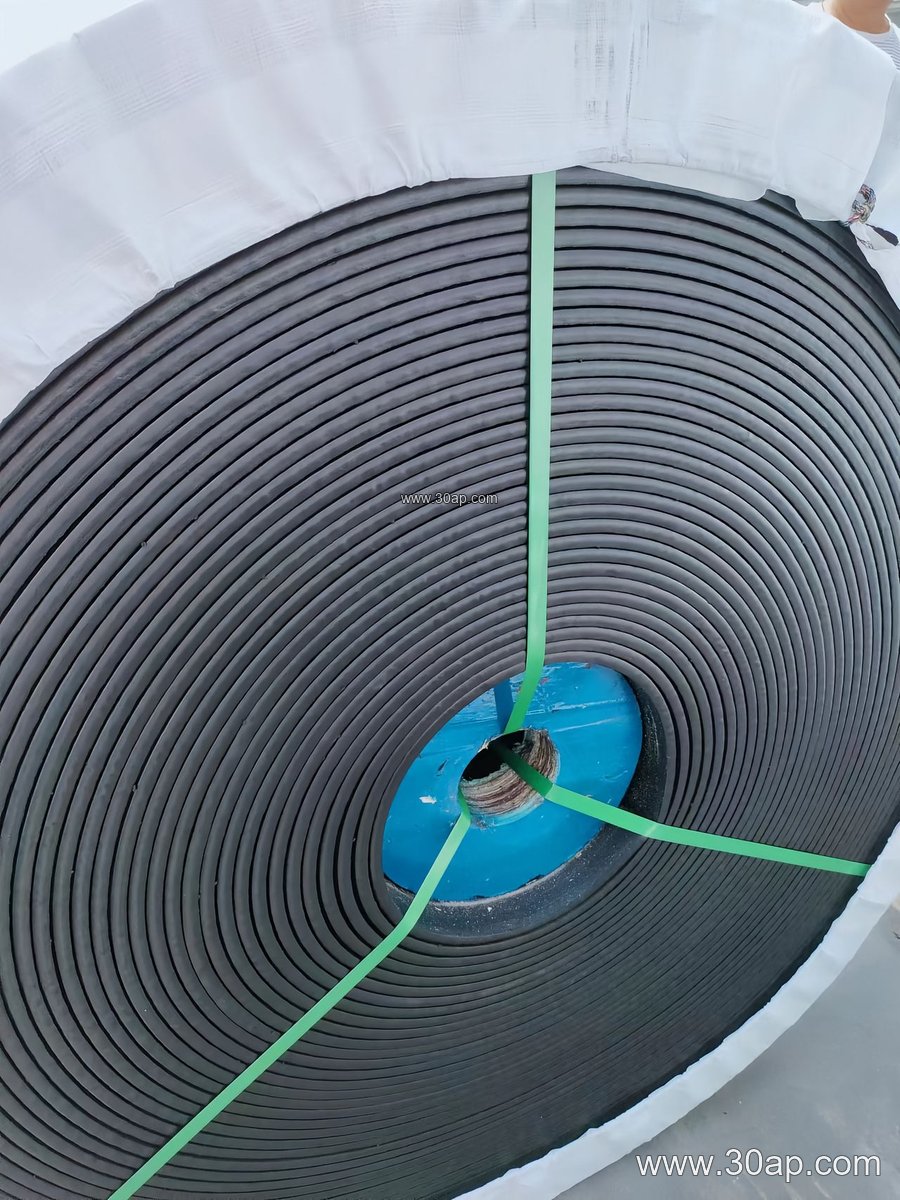
The ST2000 Conveyor Belt is a steel cord conveyor belt with a nominal tensile strength of 2000 N/mm. It belongs to the steel cord family of heavy-duty belts, where the load-bearing skeleton is a layer of high-carbon steel cords rather than fabric plies. That construction gives the belt high strength with relatively low elongation, which suits long conveying distances and demanding duty cycles. In plants and quarries where a single flight has to carry a large tonnage without frequent splices, this grade is often considered a practical workhorse.
The name follows the usual steel cord convention: the letters identify the cord construction and the number gives the strength class. It sits between the ST1600 and ST2500 grades, so it can be chosen where a mid-to-high strength class is needed. A common equivalent description is simply a steel cord belt of 2000 N/mm class. On many projects the same product is specified through the full belt designation, for example ST2000 with a stated width, cover thickness and cord pitch, because the strength class alone does not define a finished belt.
How the Belt Is Built
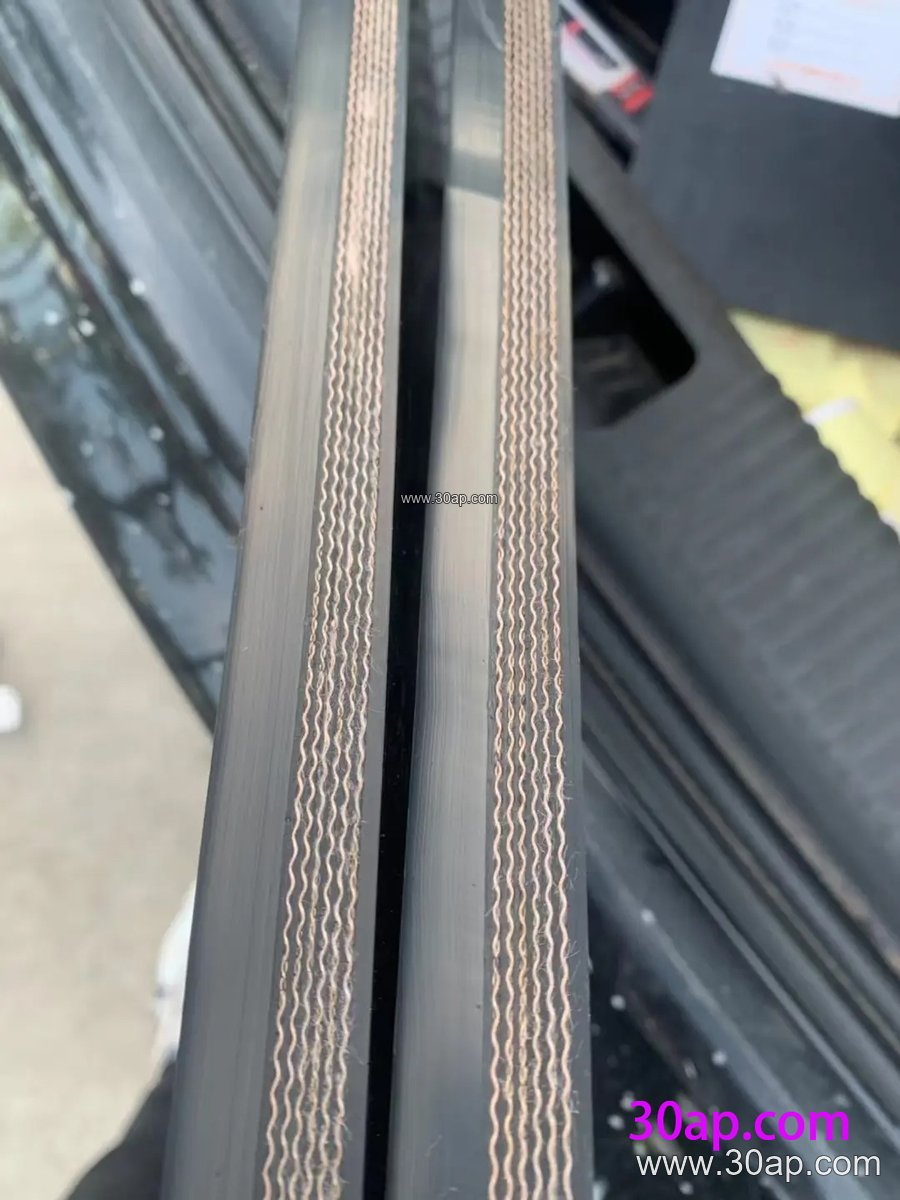
Inside the belt, parallel steel cords run lengthwise at a defined pitch, embedded in a rubber core compound. A transverse reinforcement is usually added above and below the cords to hold the cord layer stable. Top and bottom cover rubber protect the carcass from abrasion, impact, moisture and heat, and the cover grade is selected for the duty. Edges are usually protected by a rubber edge strip or a suitable edge construction to resist wear and cord exposure.
Compared with a Multi-Ply Fabric Core Conveyor Belt, the steel cord design uses one cord layer instead of several woven plies. This reduces the belt thickness for a given strength and limits stretch, but it also means splicing needs specialized equipment and careful cord alignment. Buyers often compare steel cord belts against EP Conveyor Belt and NN Conveyor Belt constructions when the required strength is moderate; once tension and distance grow, steel cord grades become the more natural choice.
Typical Service Conditions
This strength class is found in mines, coal preparation plants, cement works, power stations, steel plants, ports and large aggregate operations. It is common on main trunk conveyors that move ore, coal, limestone, clinker, crushed rock and other bulk materials over long distances or up steep inclines. In a coal mining conveyor line it may be supplied with flame retardant and anti-static properties, while an iron ore or copper ore duty usually calls for high abrasion resistance and good impact tolerance at transfer points.
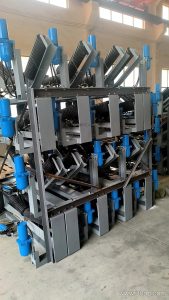
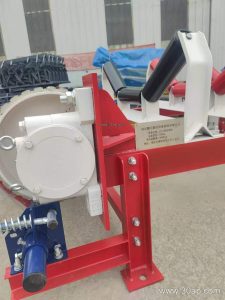
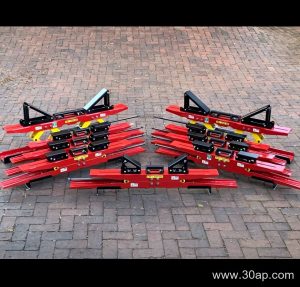
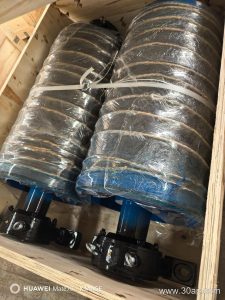
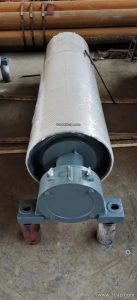
Cover compound choice matters as much as the strength class. Heat resistant, oil resistant, cold resistant and abrasion resistant grades are all available, and a Fire Resistant Conveyor Belt specification is often required underground. The pulley and idler roller arrangement also affects belt life: drive, tail and bend pulleys each have a different role, and troughing and impact idlers should be matched to the load. A conveyor pulley with an undersized diameter for the belt thickness can shorten cord fatigue life, so pulley sizing should follow the belt maker’s recommendations.
Common Specification Range
The table below shows reference values that are often quoted for this class. Actual values are set by design and vary between manufacturers.
- Strength class: ST2000, nominal 2000 N/mm
- Belt widths: B800, B1000, B1200, B1400, B1600, B1800, B2000
- Cover thickness examples: 5+2 mm, 6+2 mm, 8+3 mm
- Cover grades: abrasion resistant, heat resistant, flame retardant, oil resistant, cold resistant
- Typical industries: mining, cement, power generation, steel, quarry and port terminals
Width and cover thickness should be confirmed against the conveyor design, the material lump size and the required service life. A wider belt is not automatically better; the trough profile, transition distance and pulley widths must all agree. Similarly, no single belt width fixes one pulley diameter, and shaft size is determined by the drive design rather than by belt width alone.
Selection and Maintenance Notes
When specifying the belt, state the strength class, width, cover thickness and cover grade, and add any special requirement such as flame retardancy or anti-static performance. Confirm the cord pitch and splice method, since a steel cord belt is normally spliced on site with heated presses. Check that the conveyor bracket and frame geometry allow correct troughing and that the take-up travel can absorb the belt’s low elongation. During operation, watch for edge damage, cover wear and cord exposure, and keep idlers turning freely to avoid localized heat and wear.
For a long overland line, an ST2000 belt can reduce the number of transfer points needed, but it still needs correct storage, handling and splicing to deliver its service life. Matching the belt to the duty, rather than choosing by strength number alone, remains the most reliable approach.