What an Iron Ore Conveyor Belt Has to Handle
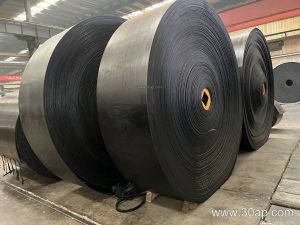
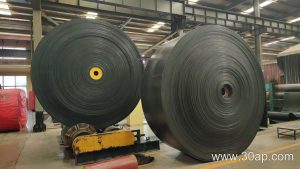
An iron ore conveyor belt is the load-carrying element of a bulk handling line that moves crushed ore from the mine face, stockyard or transfer point to the processing plant, rail loading station or port. Few duties are as punishing: lump ore is dense and sharp-edged, fines are abrasive, and the belt may run fully loaded for long distances, often outdoors in heat, cold, rain or dust. That is why a standard general-purpose belt is rarely the right choice here. A dedicated ore conveyor belt is built around high tensile strength, thick abrasion resistant covers and a carcass that resists impact and cutting.
The name covers several constructions. Fabric-cored belts such as EP and NN types dominate medium-duty lines, while steel cord conveyor belts take over where long centre distances and very high tensions are involved. Rubber remains the most common cover material for this service.
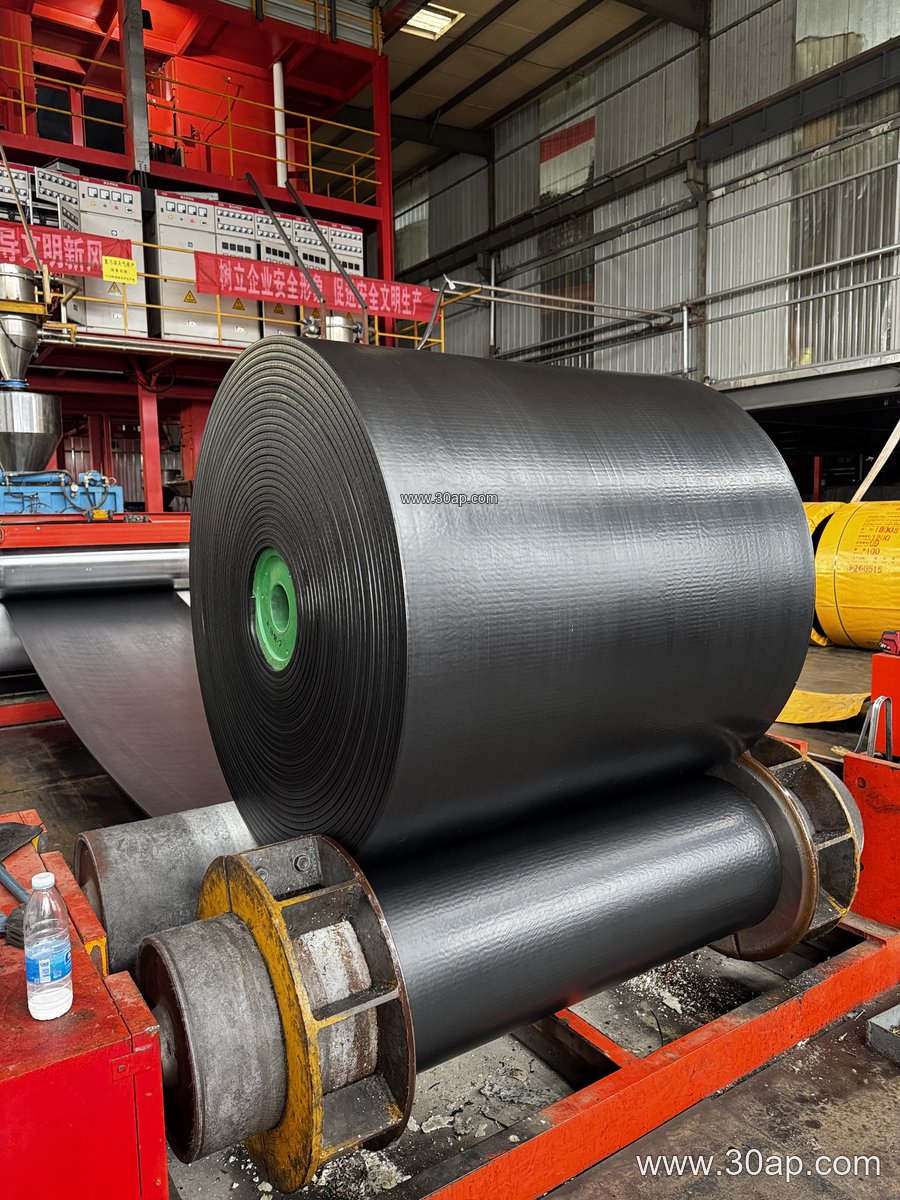
Carcass and Cover Construction
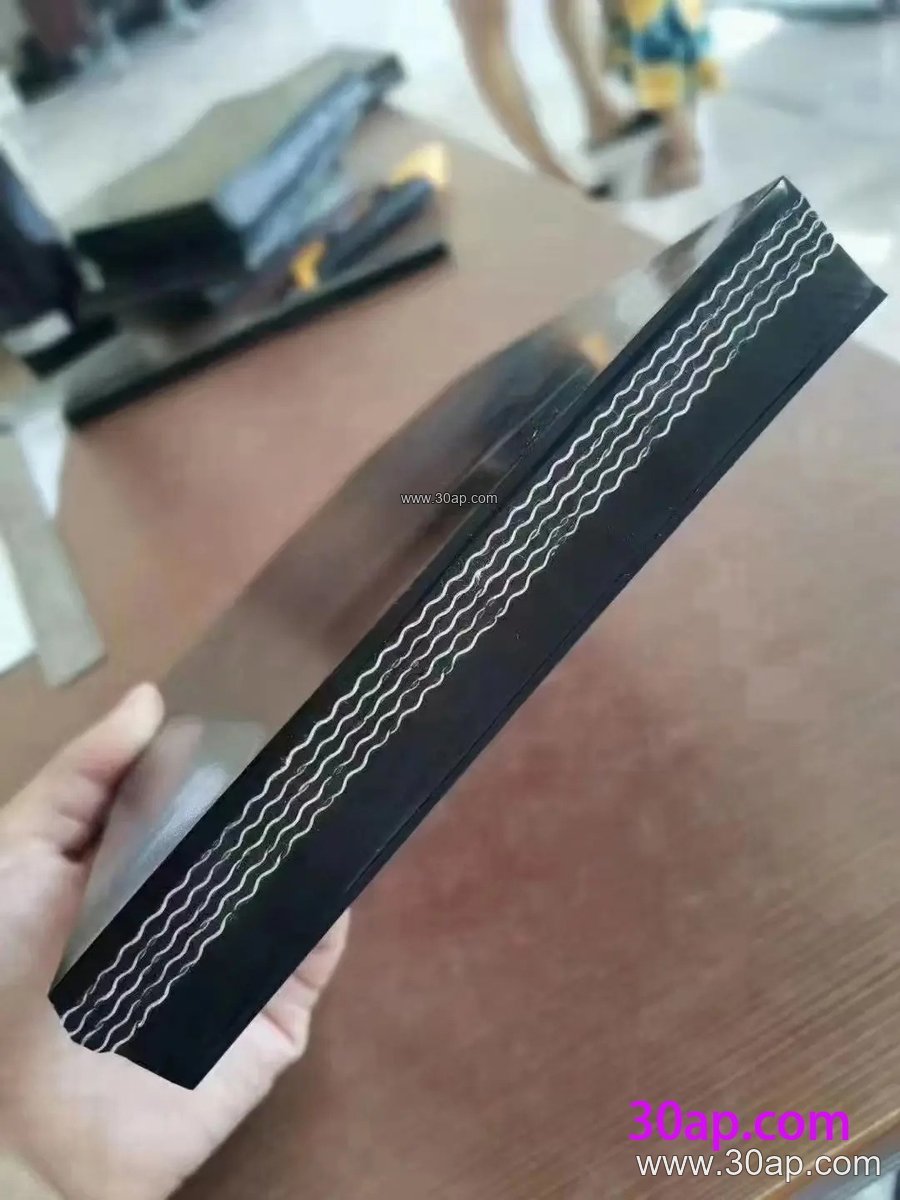
The carcass is the strength member. Fabric core conveyor belts use multiple plies of woven fabric, usually polyester-nylon (EP) or nylon-nylon (NN), bonded in rubber. Steel cord constructions replace the plies with parallel brass-plated wires for maximum tension capacity and low stretch. Cover compounds are selected for the duty: abrasion resistant grades for ore and rock, heat resistant grades near sinter or pellet operations, and flame retardant grades where fire safety rules apply, such as underground sections or coal-adjacent handling.
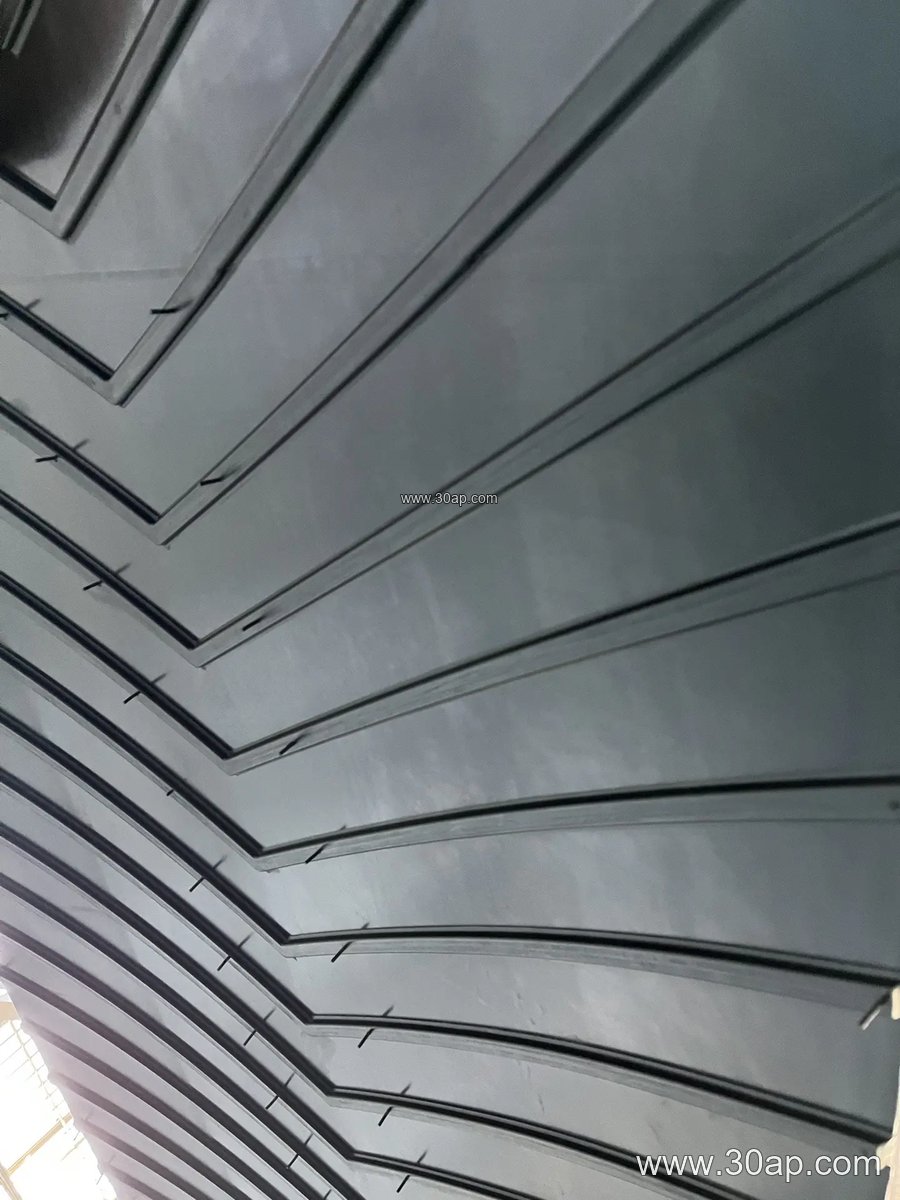
Common cover thickness combinations include 4+2 mm, 5+2 mm, 6+2 mm and 8+3 mm, and the number of fabric plies usually ranges from two to six depending on load. Belt widths on ore lines frequently fall between 800 mm and 2000 mm, with 1200 mm and 1400 mm common on main haulage conveyors. All figures are typical references; final values follow the conveyor design.
Typical Specifications at a Glance
The table below gathers representative values, not fixed commitments. One width does not dictate one pulley diameter, and shaft sizes are always set by the conveyor designer.
- Fabric types – EP conveyor belt, NN conveyor belt, multi-ply fabric core
- Tension grades – EP200, EP315, EP500, EP800, EP1000, EP1250, EP1600; ST1000 to ST2500 for steel cord
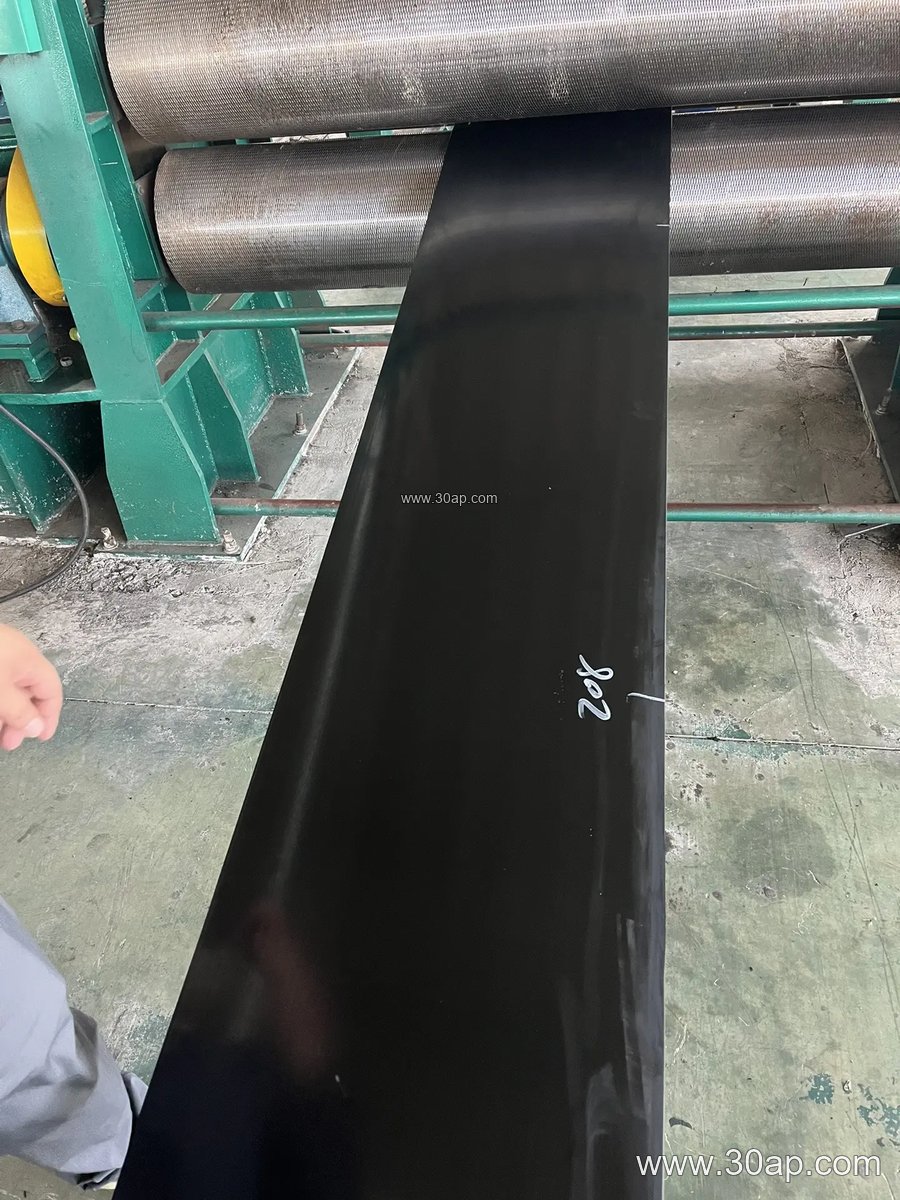
- Belt widths – B650, B800, B1000, B1200, B1400, B1600, B1800, B2000
- Covers – 4+2, 5+2, 6+2, 8+3 mm, abrasion resistant or heat resistant compounds
- Special forms – chevron conveyor belt for inclined sections, corrugated sidewall belt for steep lifts, pipe conveyor belt for enclosed transport
Example Configurations
An EP1000 belt at 1200 mm width with 6+2 mm covers suits a medium-length primary haul. A steel cord ST1600 or ST2000 belt at 1400 mm or 1600 mm is more typical of a long overland line. For inclined transfers, a chevron pattern helps hold the ore, while skirted or corrugated sidewall designs contain the load on steep sections.
Where These Belts Are Used
Iron ore handling appears across mining, steel plants, power generation, cement works and port terminals. A primary crusher discharge often uses a heavy-duty mining conveyor belt with impact resistant covers. Stockyard and ship loading systems rely on wide belts, sometimes 1800 mm or 2000 mm, running at high speed. Pellet plants and sinter lines may need heat resistant or high temperature grades. In dusty or confined galleries, anti-static and flame retardant belts are specified. The same belt family also handles copper ore, gold ore, quarry rock and aggregate, which is why buyers often compare an ore conveyor belt with an aggregate conveyor belt or a copper ore conveyor belt during sourcing.
Selection and Maintenance Notes for Buyers
Start with the duty data: tonnage per hour, lump size, drop height, incline, centre distance, ambient temperature and any fire or oil exposure. Match the carcass grade and ply count to the calculated tension with a margin, and choose the cover compound for the dominant wear mode. Impact resistant covers help at transfer chutes; abrasion resistant grades suit long runs of fines.
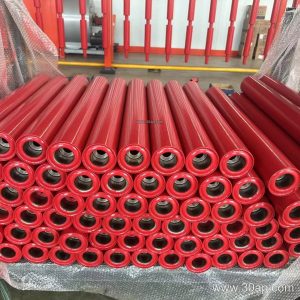
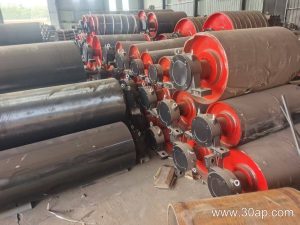
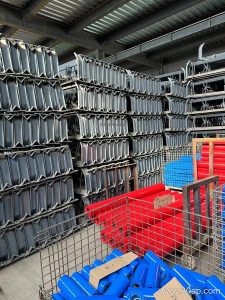
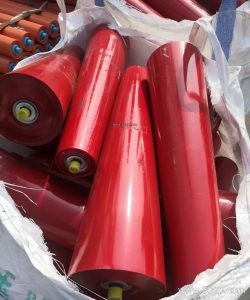
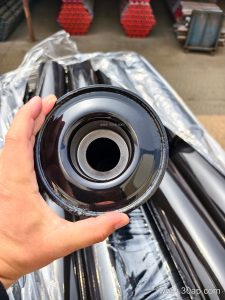
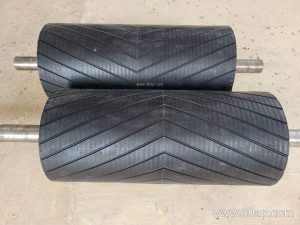
Around the belt, check that conveyor pulleys are sized for the belt tension and that idler roller spacing supports the load without excessive sag. Drive, tail and bend pulleys each have their own role and cannot be swapped at will. Conveyor brackets and frames should keep alignment true. During operation, watch for edge damage, cover wear, splice condition and material buildup on rollers. Re-tensioning, cleaning and timely splice repair extend service life considerably.
Finally, insist on a data sheet that states carcass type, tension grade, ply count, cover thickness and width together. A belt described only as an iron ore conveyor belt is not enough to compare offers. For related components such as conveyor pulleys, idler rollers and brackets, specify them alongside the belt so the whole line is designed as one system.