What Is a Fabric Core Conveyor Belt
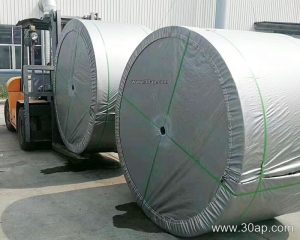
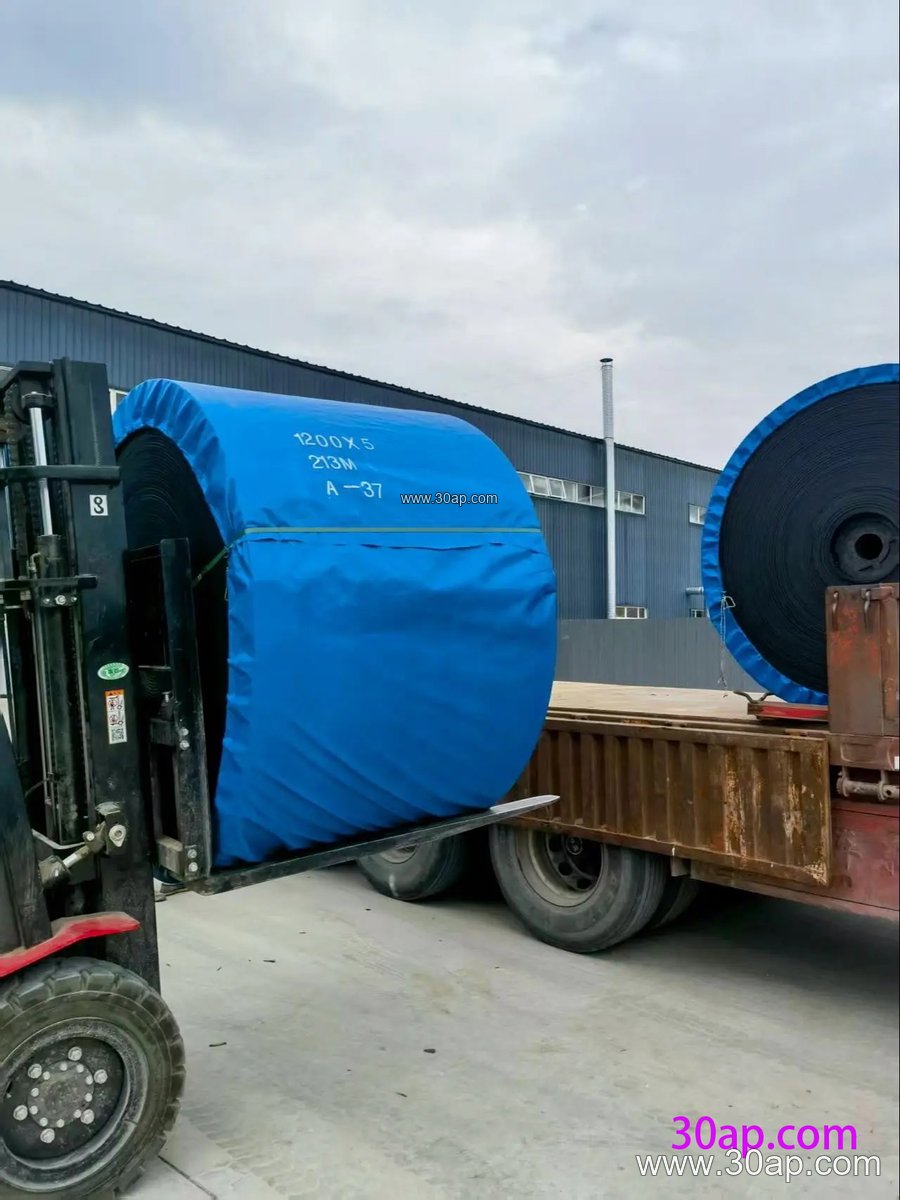
A fabric core conveyor belt is a composite product in which layers of woven textile fabric, known as plies, are bonded together with rubber or PVC to form a strong, flexible carcass. This carcass is then protected by cover layers on the top and bottom. The fabric core provides tensile strength and resistance to impact, while the covers shield the carcass from abrasion, moisture, and the material being conveyed. In many industrial settings, this type of belt is simply called a fabric belt or textile conveyor belt, but the essential construction remains the same.
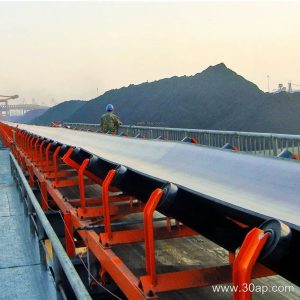
Fabric core belts are widely used in mining, coal preparation, cement plants, power stations, quarries, sand and gravel yards, and port loading facilities. They are a common choice for transporting bulk materials such as crushed stone, ore, coal, clinker, and sand over moderate to long distances.
Construction and Materials
The carcass of a fabric core conveyor belt usually consists of two to six plies of synthetic fabric, most commonly EP (polyester warp, polyamide weft) or NN (nylon warp, nylon weft). EP fabric offers low elongation and good dimensional stability, while NN fabric provides high flexibility and excellent impact resistance. The plies are united by friction and skim rubber compounds, and the entire assembly is vulcanized into a solid, durable belt.
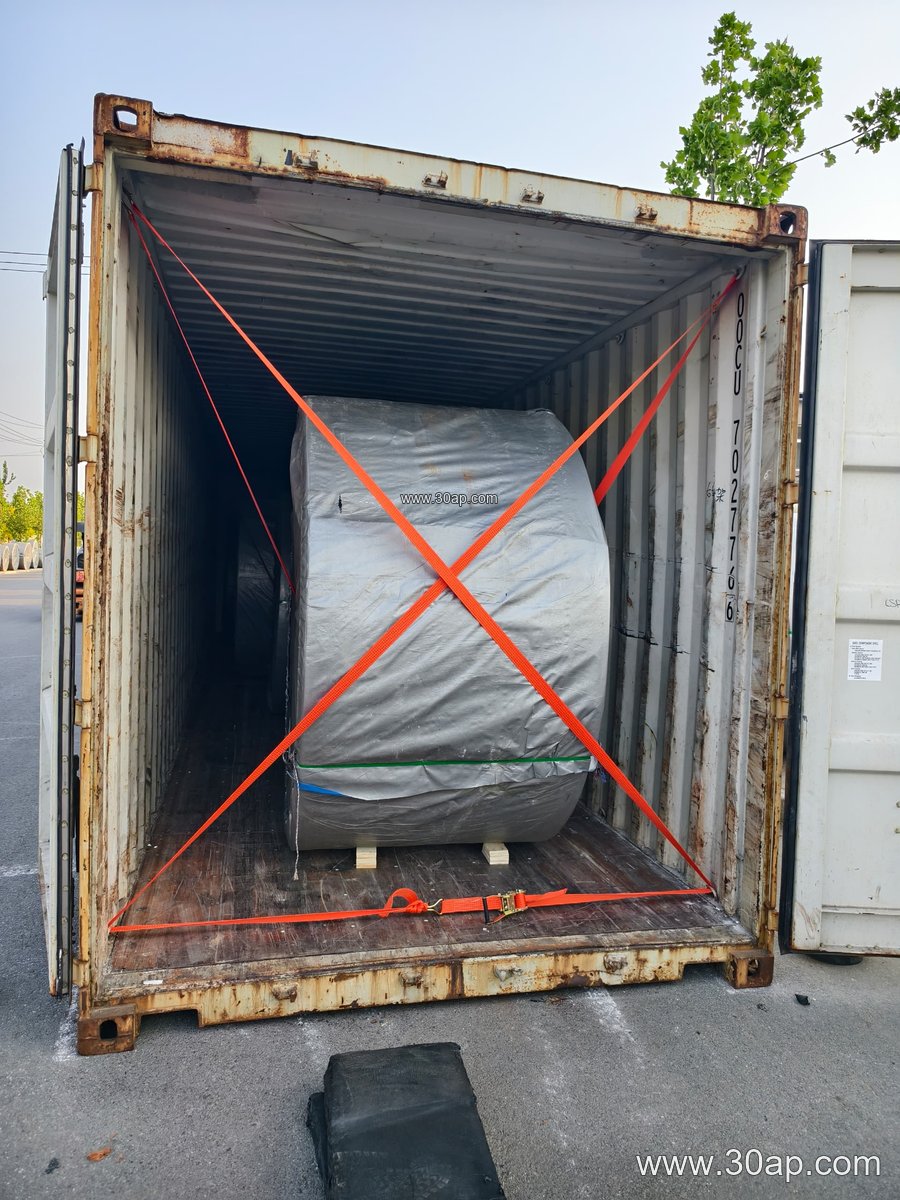
Cover compounds are selected according to the working environment. Standard rubber covers are suitable for general bulk handling. For abrasive materials such as iron ore or copper ore, an abrasion resistant conveyor belt with a high-quality rubber cover is preferred. In coal mining and underground operations, a flame retardant conveyor belt or fire resistant conveyor belt is often required to meet safety regulations. Heat resistant conveyor belts are used in cement plants and steel plants where materials may be hot. Oil resistant and acid resistant covers are available for special conditions. Cold resistant belts are designed for low-temperature environments, and anti-static belts help dissipate static electricity.
Common cover thickness combinations include 3+1.5 mm, 4+2 mm, 5+2 mm, 6+2 mm, and 8+3 mm, where the first figure is the top cover and the second is the bottom cover. The fabric core conveyor belt is typically produced in widths from 500 mm to 2400 mm, with 650 mm, 800 mm, 1000 mm, 1200 mm, and 1400 mm being frequently requested. Strength grades for EP belts range from EP200 to EP2000, while NN belts are commonly available from NN100 to NN400. These values are reference data; actual specifications should be confirmed with the manufacturer for each project.
Where Fabric Core Belts Are Used
Fabric core conveyor belts are found in a wide range of industries. In underground coal mining, flame retardant and anti-static properties are critical, and PVG conveyor belts are sometimes used for their fire resistance. In metal mines, high abrasion resistant belts handle sharp, heavy ore. Cement plants rely on heat resistant belts for clinker transport. Power plants use fabric belts for coal handling. Quarries and aggregate plants often select multi-ply fabric core conveyor belts because they resist tearing and impact from large lumps. Ports and ship loading facilities use wide fabric belts to move bulk materials quickly.
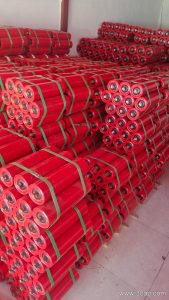
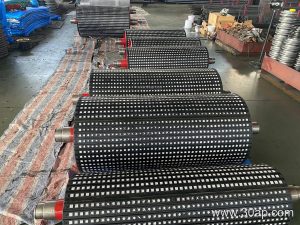
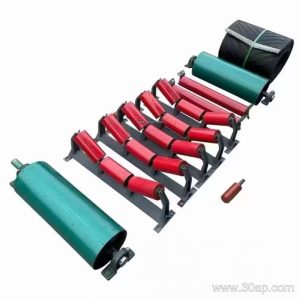
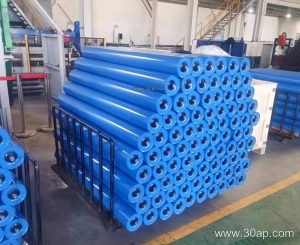
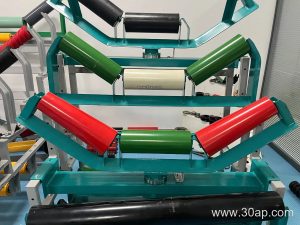
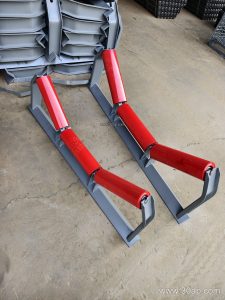
When compared with a steel cord conveyor belt, which uses steel cables as the tension member, a fabric core belt is generally more flexible and better at absorbing impact, but it may have lower tensile strength for very long, high-tension conveyors. The choice depends on the conveyor profile, material size, and operating conditions. A fabric core belt works together with conveyor pulleys, idler rollers, and conveyor brackets to form a complete conveying system. Proper alignment of these components helps extend belt life.
Selection and Maintenance Tips
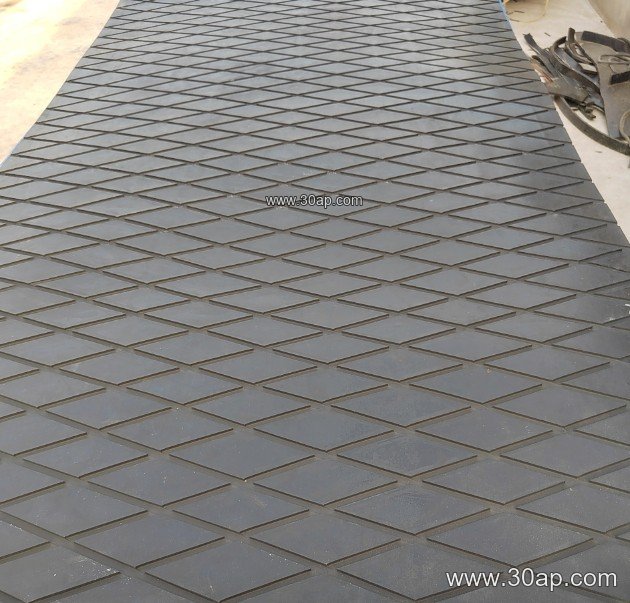
Buyers should consider several factors when selecting a fabric core conveyor belt. First, determine the maximum lump size and material abrasiveness to choose the right cover grade and ply count. Second, check the conveyor length, incline, and tonnage to select the appropriate strength grade. Third, review the environmental conditions: temperature, presence of oil or chemicals, and fire safety requirements. For example, a chevron conveyor belt or corrugated sidewall conveyor belt may be needed for steep inclines, but these are different subtypes and not replacements for a standard fabric core belt.
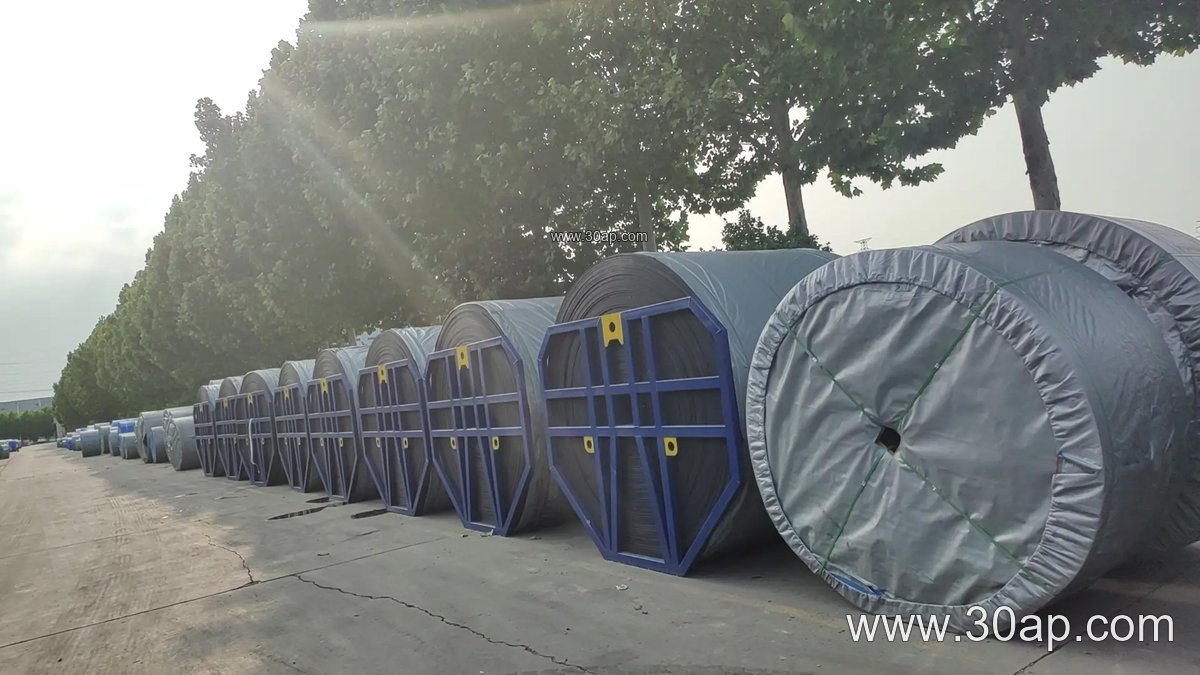
Proper maintenance is essential. Keep the belt clean and correctly tensioned. Inspect the belt regularly for edge wear, cover damage, and splice integrity. Ensure that idler rollers rotate freely and that pulleys are aligned. Avoid overloading and prevent sharp objects from falling onto the belt. When storing spare belts, keep them in a cool, dry place away from direct sunlight and ozone sources.
For more information on fabric core conveyor belts, conveyor idlers, and pulleys, visit our website at www.example.com/conveyor-belt.