What a Tail Drive Pulley Does
A tail drive pulley is a driven pulley mounted at the tail end of a belt conveyor. Instead of only redirecting the belt, it transmits torque from the drive unit to the conveyor belt and works together with the head pulley to move material. In some conveyor layouts, especially shorter or specialized systems, the tail drive pulley becomes the main driving point. It is often confused with a bend pulley or a standard tail pulley, but those are not interchangeable: a bend pulley changes belt direction without driving, and a conventional tail pulley is usually an idler. The tail drive pulley combines the function of a drive pulley with a tail-end position.
Construction and Surface Options
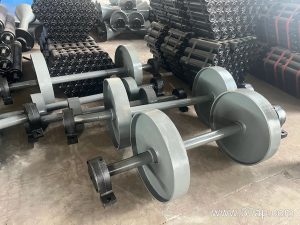
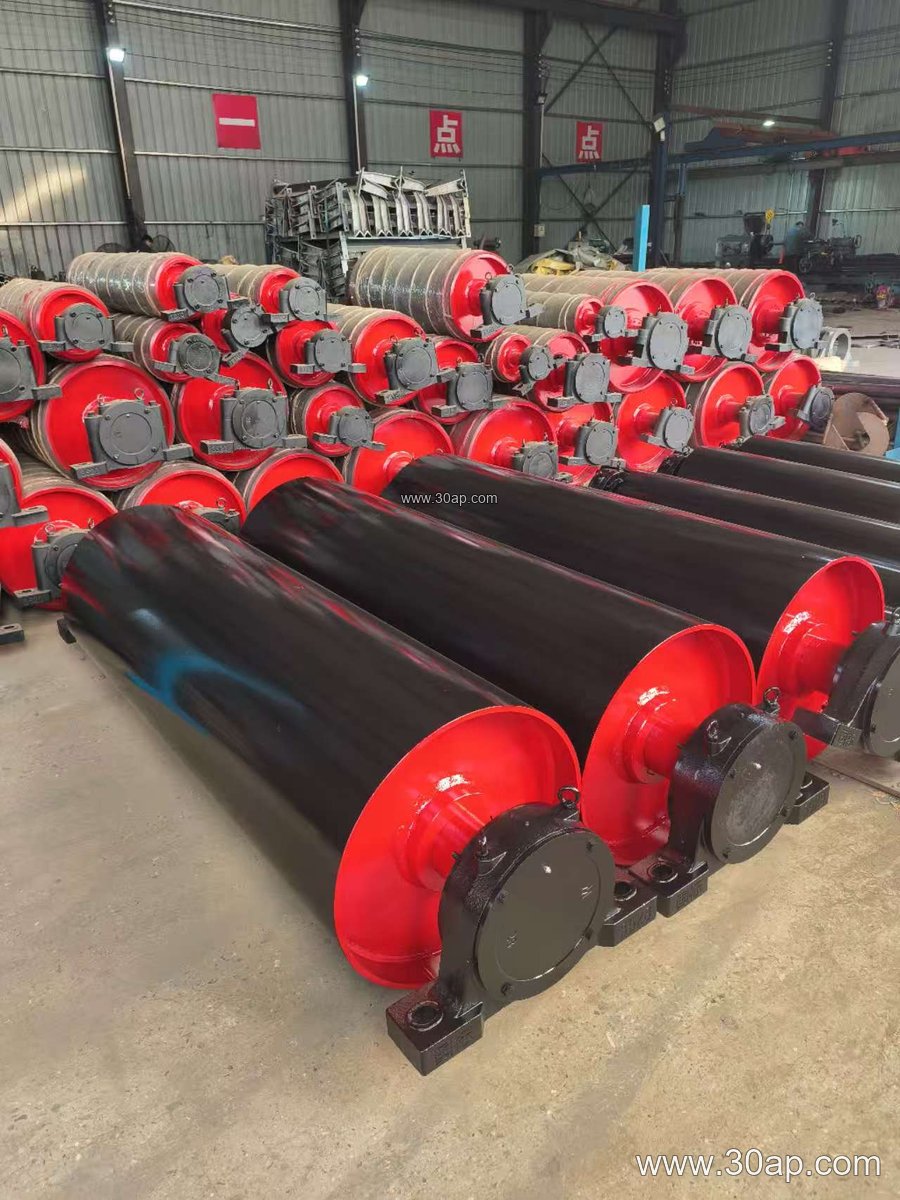
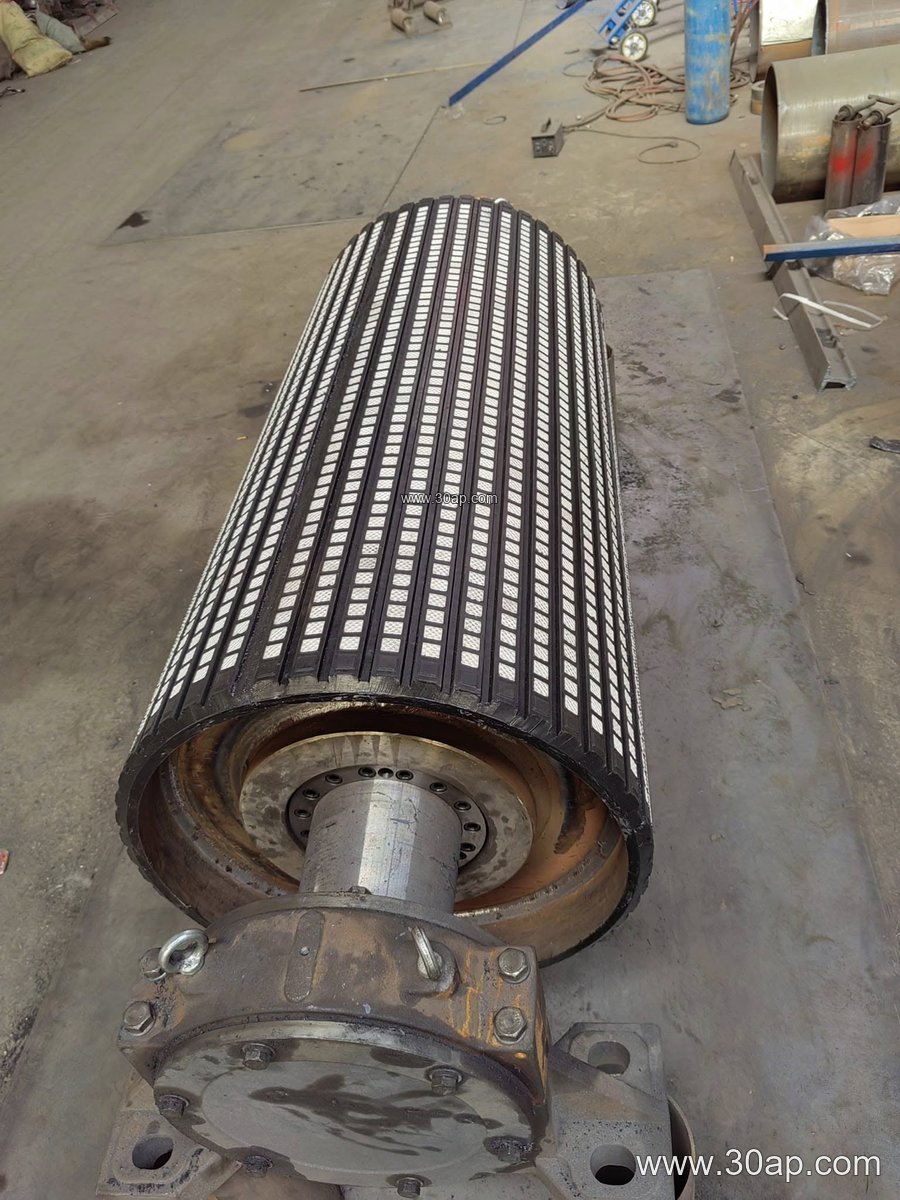
The pulley body is typically a welded steel cylinder with a shaft, bearing housings, and end discs. Surface treatment depends on the duty. Common forms include plain finish, hot-vulcanized rubber lagging, cold-bonded rubber, diamond grooved lagging, herringbone lagging, and ceramic lagging. Lagging thickness commonly ranges from 8 mm to 20 mm, with 10 mm and 12 mm often chosen for general bulk handling. The lagging improves friction between the pulley and the conveyor belt, reducing slip under load.
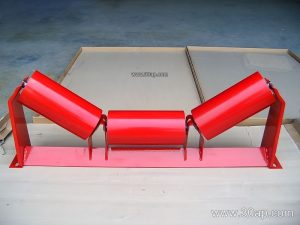
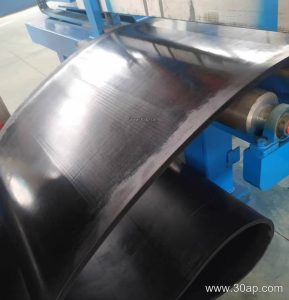
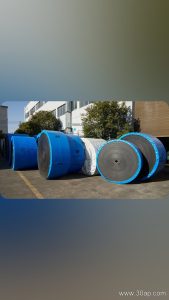
For abrasive conditions such as a quarry conveyor belt line or a cement plant clinker transport, diamond or ceramic lagging can help extend service life. In coal mining conveyor belt systems, flame retardant and anti-static properties of the belt are critical, and the tail drive pulley must be matched to the belt’s load and speed. The pulley is not a standalone item: it works with the conveyor belt, idler roller, conveyor bracket, and take-up system.
Where It Fits in the Conveyor
Tail drive pulleys appear in applications where space at the head end is limited or where the conveyor profile requires drive at the tail. Examples include underground mining conveyors, tunnel spoil removal, and some aggregate crushing and screening circuits. In a power plant coal handling system, a tail drive pulley may be used on a short transfer conveyor. In a port bulk terminal, larger diameters and heavy-duty lagging are more common because of high tension and continuous operation.
Because the tail drive pulley sits at the material feed end, it is exposed to dust, spillage, and impact. Proper sealing and bearing protection matter. The pulley should be aligned with the conveyor frame, and the belt tension must be set according to the drive calculation. A misaligned tail drive pulley can cause belt tracking problems and premature lagging wear.
Common Dimensions and Matching
Pulley diameter and face width are selected from belt width, belt tension, and shaft load. The table below shows typical reference combinations; these are examples, not fixed rules. One belt width can match several pulley diameters depending on the conveyor design.
| Belt Width | Typical Pulley Face Width | Example Diameter Range |
|---|---|---|
| B500 | 600 mm | Ø250 to Ø400 |
| B650 | 750 mm | Ø315 to Ø500 |
| B800 | 950 mm | Ø400 to Ø630 |
| B1000 | 1150 mm | Ø500 to Ø800 |
| B1200 | 1400 mm | Ø630 to Ø1000 |
| B1400 | 1600 mm | Ø800 to Ø1250 |
| B1600 | 1800 mm | Ø1000 to Ø1400 |
Shaft diameter is determined by torque and radial load, not by belt width alone. Common shaft sizes include Ø80, Ø100, Ø120, Ø140, Ø160, and Ø180, but the final value must come from the drive calculation. For a B1200 conveyor with a heavy ore load, a Ø1000 tail drive pulley may be reasonable; for a B800 aggregate line, a Ø500 pulley could be sufficient. Avoid assuming that a specific belt width requires a single pulley diameter.
Buyer Checklist
- Confirm the pulley position: tail drive, not bend or head drive. The function changes the design.
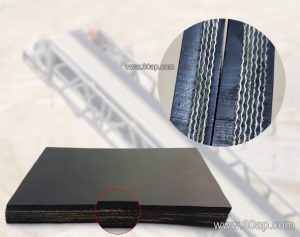
- Provide belt width, belt type, and maximum tension. For example, an EP conveyor belt or steel cord conveyor belt has different modulus and tension requirements.
- Specify lagging type and thickness. Rubber lagging is common; ceramic or diamond lagging may suit wet or oily conditions.
- State the environmental conditions: dust, water, temperature, and fire risk. In underground coal mining, flame retardant and anti-static properties are essential.
- Check bearing type, sealing, and lubrication access. A tail drive pulley is often in a dirty zone.
- Review the interface with the conveyor bracket and take-up system to ensure proper belt tracking.
For abrasive bulk material such as iron ore or copper ore, consider a high abrasion resistant conveyor belt and a pulley with robust lagging. For cement plant or power plant coal handling, heat resistant or flame retardant belt grades may be needed. The tail drive pulley should be selected as part of the whole conveyor system, together with the conveyor belt, idler roller, and conveyor bracket.