What Is a Port Conveyor Belt?
A port conveyor belt is a heavy-duty belt conveyor system engineered for continuous handling of bulk materials at ports, terminals, and stockyards. It moves coal, iron ore, grain, fertilizer, sand, gravel, and other loose cargo between ships, storage areas, and land transport. The belt itself is only one part of the system: idler rollers, conveyor pulleys, and conveyor brackets all work together to keep the material flowing. This article focuses on the belt conveyor as used in port operations, while noting how components such as drive, tail, and bend pulleys each serve a distinct role.
Construction and Key Components
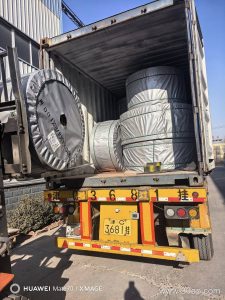
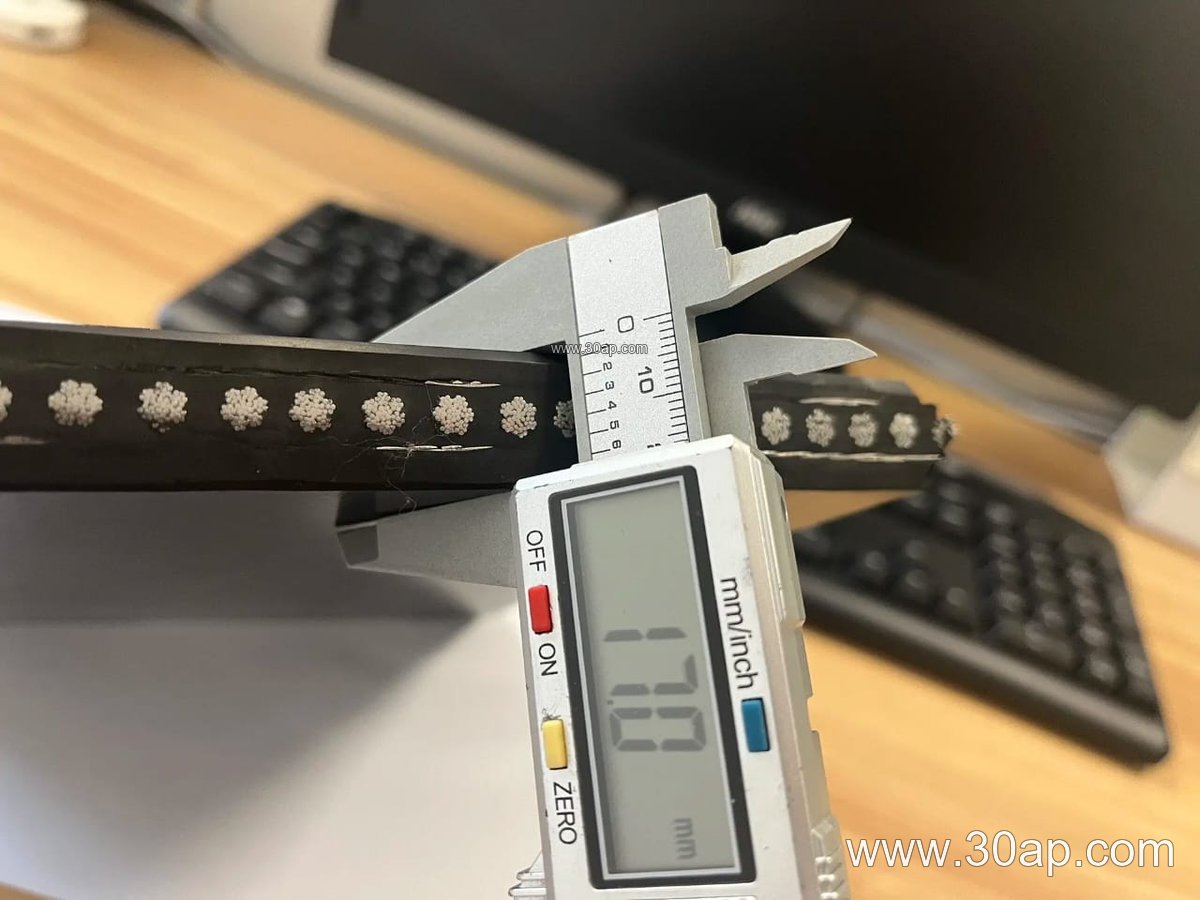
A port conveyor belt is typically built with a fabric or steel cord carcass covered by rubber or PVC layers. Common carcass types include EP (polyester-cotton) and NN (nylon) fabric, as well as steel cord construction for high-tension, long-distance runs. The cover rubber protects the carcass from abrasion, impact, and environmental exposure. Cover thickness is often specified as top + bottom, for example 4+2 mm or 6+2 mm, with heavier covers used for abrasive ores. The number of fabric plies commonly ranges from 2 to 6, depending on the required strength.
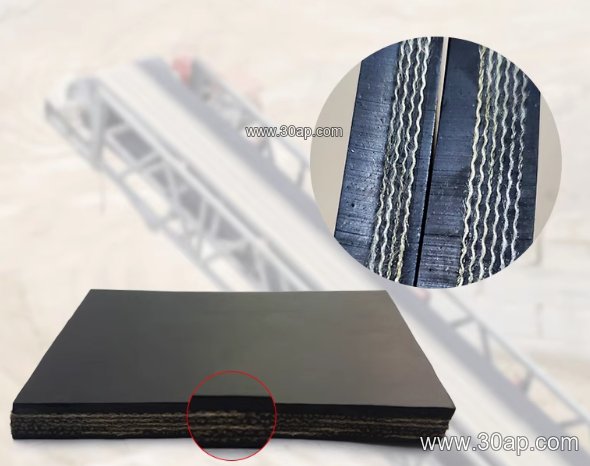
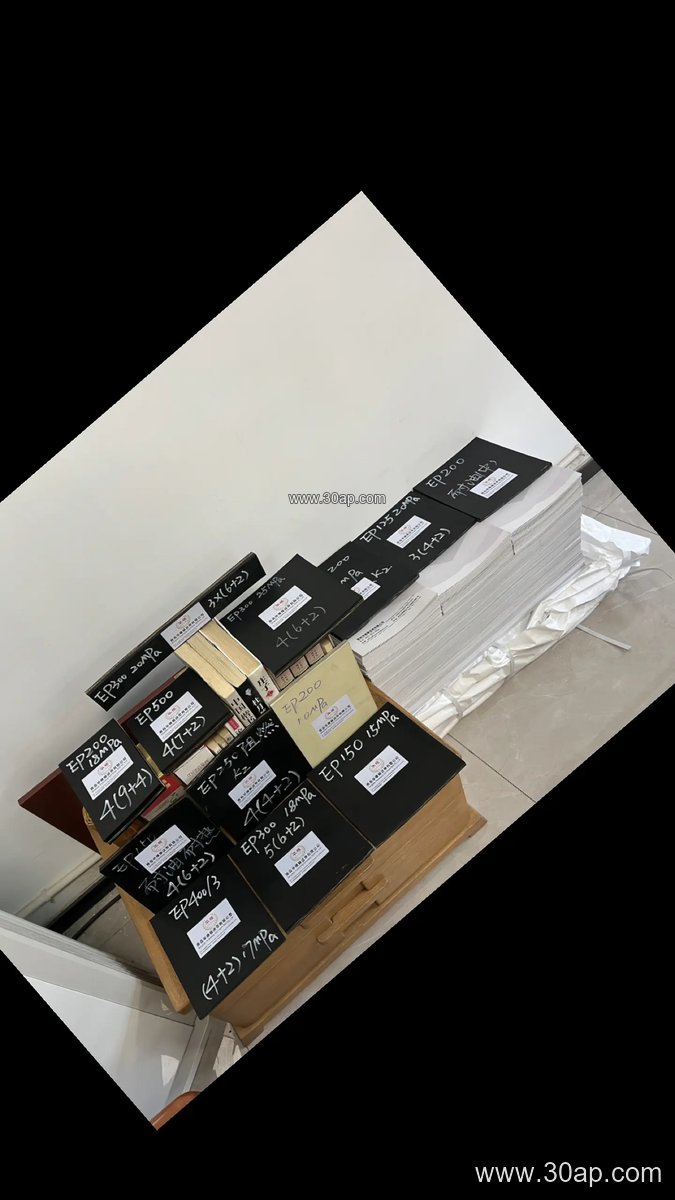
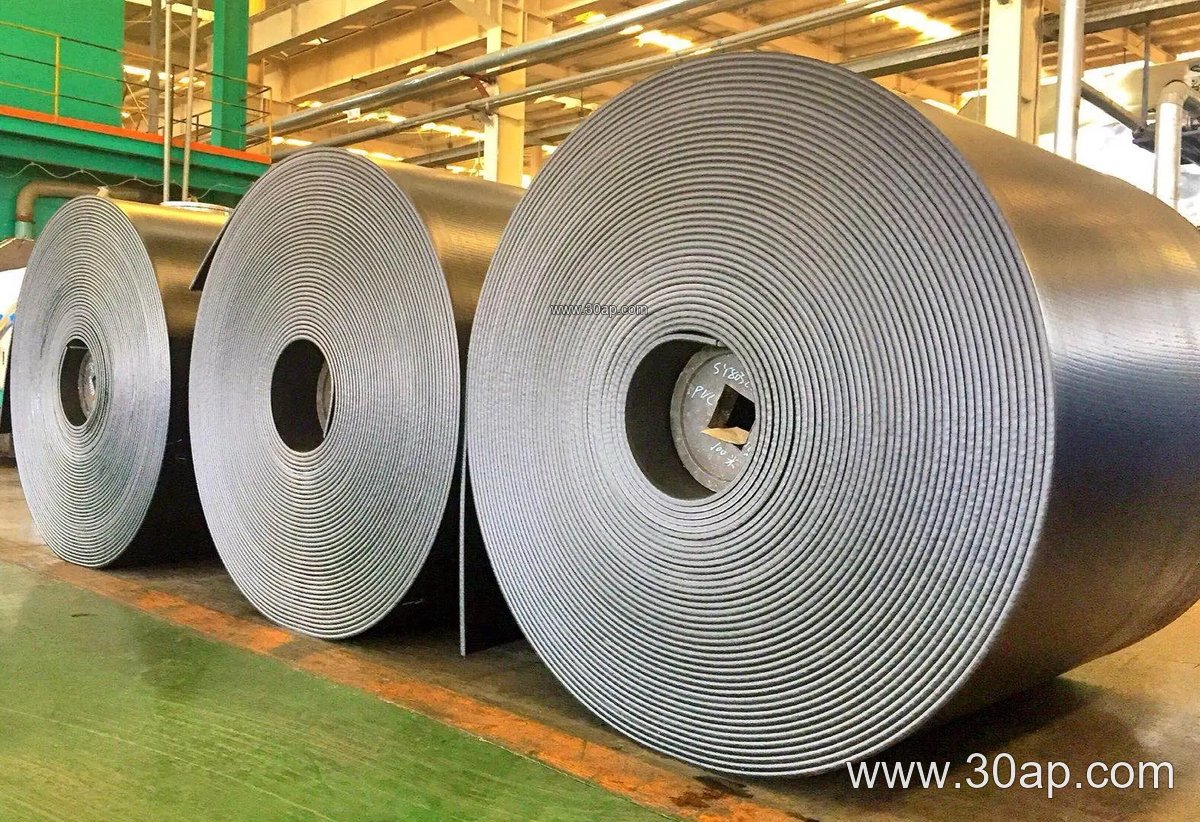
Belt strength grades are expressed in EP or NN values such as EP200, EP400, EP630, EP800, EP1000, EP1250, EP1600, and EP2000. These figures indicate the nominal tensile strength per unit width. Belt widths for port applications often include B800, B1000, B1200, B1400, B1600, B1800, and B2000, though the final choice depends on throughput and material size. Surface forms may include plain, patterned, chevron (人字纹), and corrugated sidewall belts for inclined sections. Special grades such as wear-resistant, heat-resistant, oil-resistant, flame-retardant, antistatic, and cold-resistant are selected to match the cargo and climate.
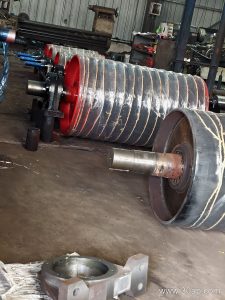
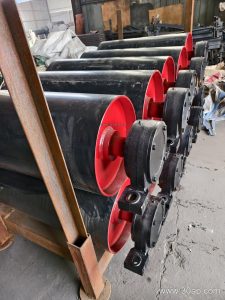
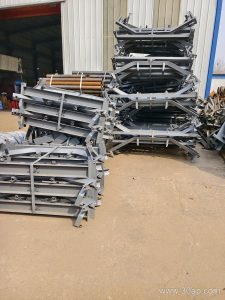
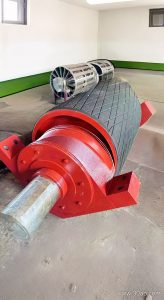
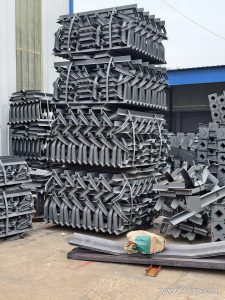
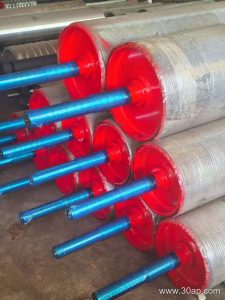
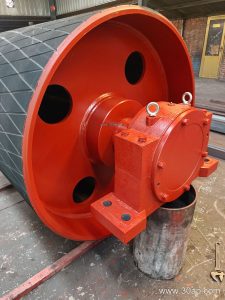
The conveyor structure includes idler rollers that support the belt, conveyor pulleys that drive and redirect it, and conveyor brackets that hold the idlers in place. Drive pulleys transmit power, tail pulleys return the belt, and bend pulleys change its direction. These pulley types are not interchangeable, and each must be specified for its own duty. For example, a drive pulley needs sufficient traction and torque capacity, while a bend pulley is selected mainly for its diameter and bearing load.
Typical Port Applications and Operating Conditions
Port conveyor belts operate in demanding environments. Salt-laden air, humidity, and temperature swings accelerate rubber aging. Coal and ore terminals require abrasion-resistant covers and often flame-retardant or antistatic properties. Grain and fertilizer handling may call for oil-resistant or food-grade compatible surfaces. In cement plants, power plants, and sand and gravel yards, belts face fine dust and sharp particles. In mining and coal preparation, heavy impact at transfer points demands impact idlers and reinforced belt edges.
Environmental conditions also matter. Cold climates may require cold-resistant compounds, while chemical terminals may need acid and alkali resistance. The belt speed, incline angle, and loading method all influence wear patterns. A properly selected belt reduces spillage and downtime, but no single belt specification fits every port.
Selection and Maintenance Notes
Buyers should consider material properties (size, density, abrasiveness, moisture, temperature), required capacity, conveyor length, incline, and available pulley diameters. Belt width and strength should be matched to the conveyor design, not chosen in isolation. A common mistake is to assume that a given belt width automatically determines pulley or shaft size; pulley dimensions are set by the conveyor manufacturer based on load and tension.
Maintenance practices include regular inspection of belt edges, cover wear, splice condition, and idler rotation. Misaligned or seized idlers can damage the belt quickly. Pulley lagging and proper tension help prevent slippage. Keeping the belt clean and avoiding overload extend service life. For port operations, spare belts and critical components such as idler rollers and conveyor pulleys should be planned to minimize vessel delay.
In summary, a port conveyor belt is a system-level product. Its performance depends on the belt construction, the supporting idlers and pulleys, and the operating environment. By understanding the available carcass types, strength grades, cover options, and surface forms, buyers can specify a belt that suits their terminal, whether in mining, coal, cement, power, or sand and gravel handling.