What the Product Is
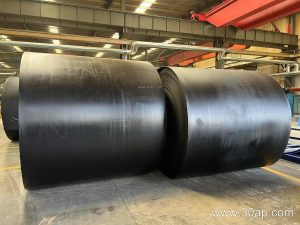
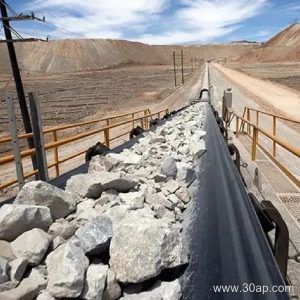
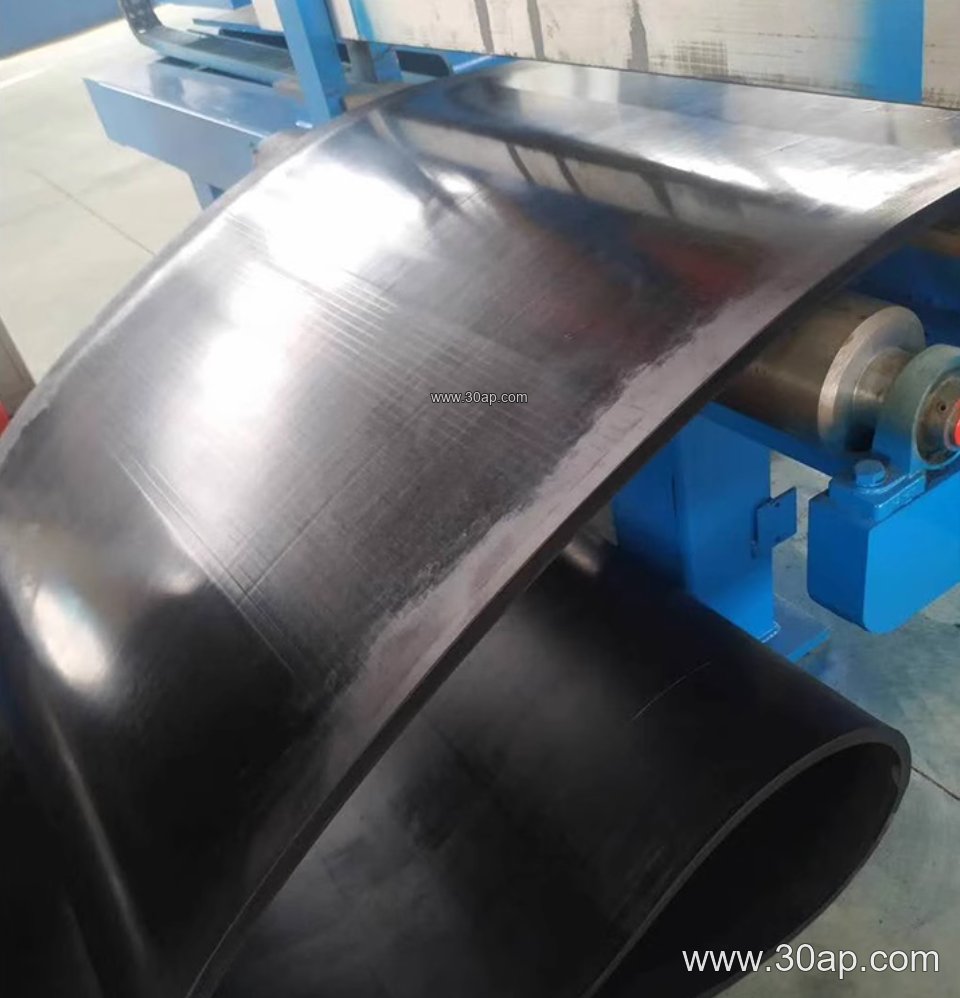
An underground coal mining conveyor belt is the load-carrying element of a continuous haulage system installed in tunnels, drifts and longwall gate roads. It moves raw coal from the face area to the main trunk conveyor, then to the shaft or slope for hoisting. Because the belt runs in a confined, dusty and often wet environment, it is normally a flame retardant conveyor belt with anti-static properties, and it is frequently built as a PVC or PVG conveyor belt where local rules require a solid-woven carcass.
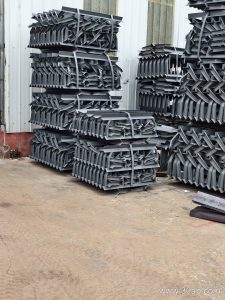
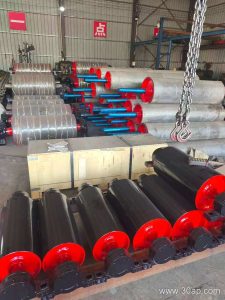
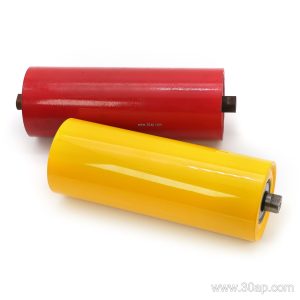
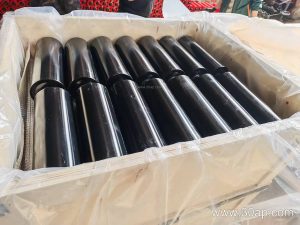
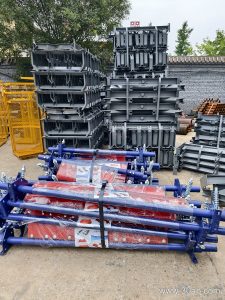
The same product is also called an underground conveyor belt or a coal mining conveyor belt. Those names describe the duty, not a different item. The belt works together with idler roller sets, a conveyor pulley at the head and tail, and a conveyor bracket that holds the frame and rollers in alignment.
Construction and Common Specifications
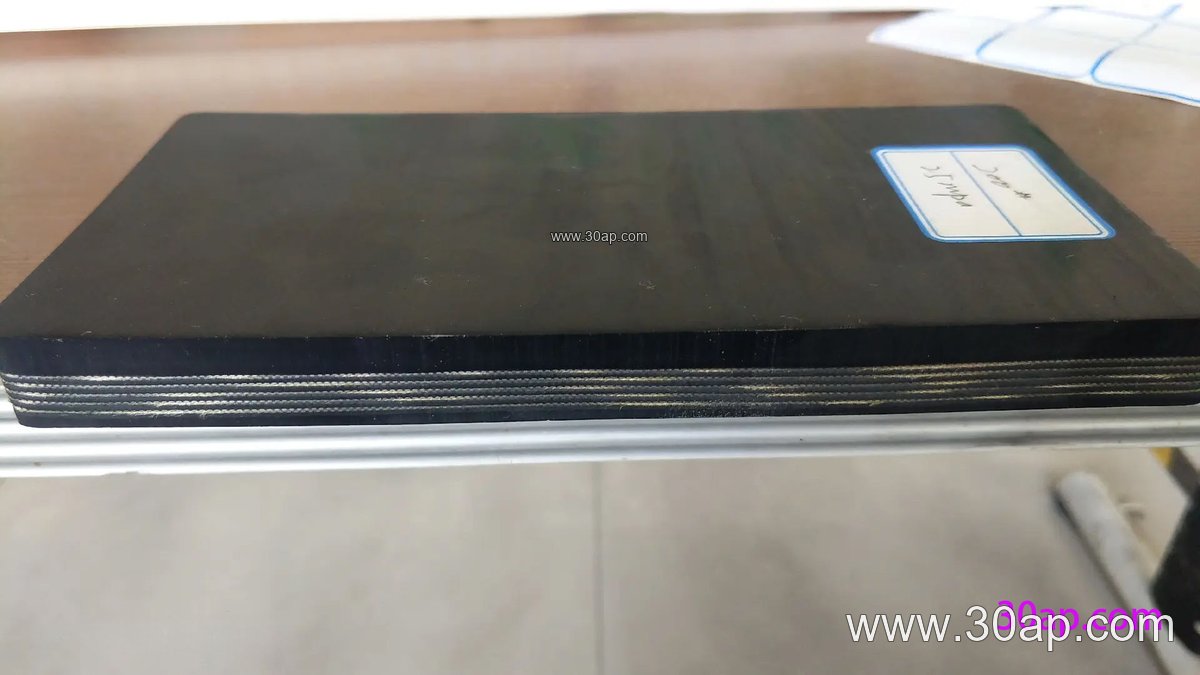
Most belts for this duty use a fabric core or steel cord carcass. Multi-ply fabric core constructions are common for moderate tension and tight bend radii, while steel cord conveyor belt designs suit long panels and high tonnage. Cover compounds are chosen for abrasion, moisture and, in some mines, oil resistance. Reference data below is indicative only; actual values are confirmed by design.
| Item | Common Reference Range |
|---|---|
| Belt width | B650, B800, B1000, B1200, B1400, B1600 |
| Fabric strength grades | EP200, EP315, EP400, EP500, EP630, EP800 |
| Steel cord grades | ST1000, ST1250, ST1600, ST2000 |
| Cover thickness | 4+2 mm, 5+2 mm, 6+2 mm |
| Carcass plies | 2 to 6 layers, depending on tension |
| Solid woven types | PVG800, PVG800S |
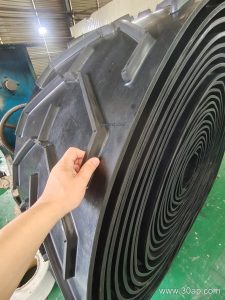
Surface forms such as chevron conveyor belt or corrugated sidewall conveyor belt are used only where the incline or the material path needs them; a plain belt remains the standard choice for horizontal trunk roads.
Where It Is Used
The main application is coal haulage in underground mines, but similar belts appear in cement plants, power plant coal yards, and quarry or aggregate operations where a flame retardant or abrasion resistant conveyor belt is specified. In a coal preparation plant, a heavy-duty mining conveyor belt may feed crushers and screens. In a port or ship loading line, a wider belt such as B1800 or B2000 may be used, though that is a different duty from the underground case.
Typical arrangement: the belt loops over a drive pulley, returns over a tail pulley, and is supported by three-roll idler sets. Bend pulleys and take-up pulleys control tension. None of these pulleys can be swapped for one another, and the belt specification must match the pulley diameter and trough angle chosen by the conveyor designer.
Buyer Checklist
- Confirm the required flame retardant and anti-static grade with the mine safety plan.
- State the belt width, strength grade and cover thickness together, not width alone.
- Describe the material: lump size, moisture, oil content and temperature.
- Give the conveyor length, lift and trough angle so the carcass type can be selected.
- Ask for the splice method, since a vulcanized endless conveyor belt joint differs from a mechanical joint.
- Check delivery length and roll weight against the installation access in the tunnel.
For reference, many buyers compare an EP conveyor belt quote with a steel cord option, and also check PVG800S data when a solid-woven belt is required. A high abrasion resistant conveyor belt cover is worth considering where coal is mixed with rock. A cold resistant conveyor belt may be needed in cold shafts, and a heat resistant conveyor belt is relevant near transfer points with warm material.
Installation and Maintenance Notes
Alignment matters more than belt grade in many premature failures. Keep idler roller frames square, check conveyor bracket condition, and verify pulley lagging. Track belt edge wear, cover cuts and ply separation at each shift. Store spare belt rolls flat and dry, and avoid sharp bends during transport. When replacing a section, match the carcass type and ply count of the existing underground coal mining conveyor belt so that splice strength stays consistent.
For a full selection review, send the duty conditions to a belt supplier and compare the proposed carcass, cover and width against the conveyor drawing before ordering.