What a Vertical Idler Bracket Does
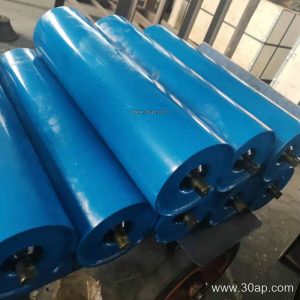
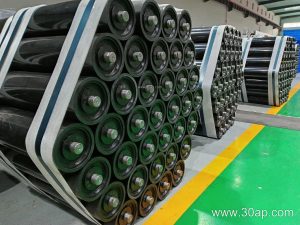
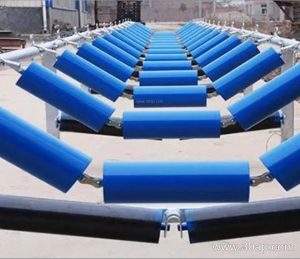
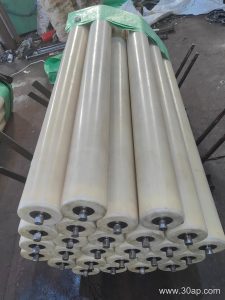
A vertical idler bracket is a support component that holds idler rollers in a vertical or near-vertical plane on a conveyor system. Unlike the more common troughing brackets that create a trough shape for carrying material, this bracket positions the idler to guide the belt edge or to support the belt in a vertical section. In mining, coal preparation, cement plants, and power plant coal handling, vertical brackets often appear at transfer points or where the belt path changes direction. The bracket works with the conveyor belt, idler roller, and conveyor pulley to keep the belt tracking correctly. On a typical bulk material conveyor belt line, a vertical idler bracket may be used to mount a guide roller that prevents the belt from wandering off the pulley.
Construction and Mounting
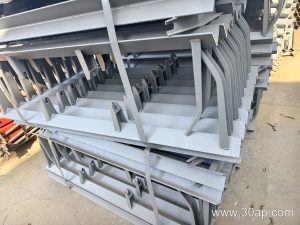
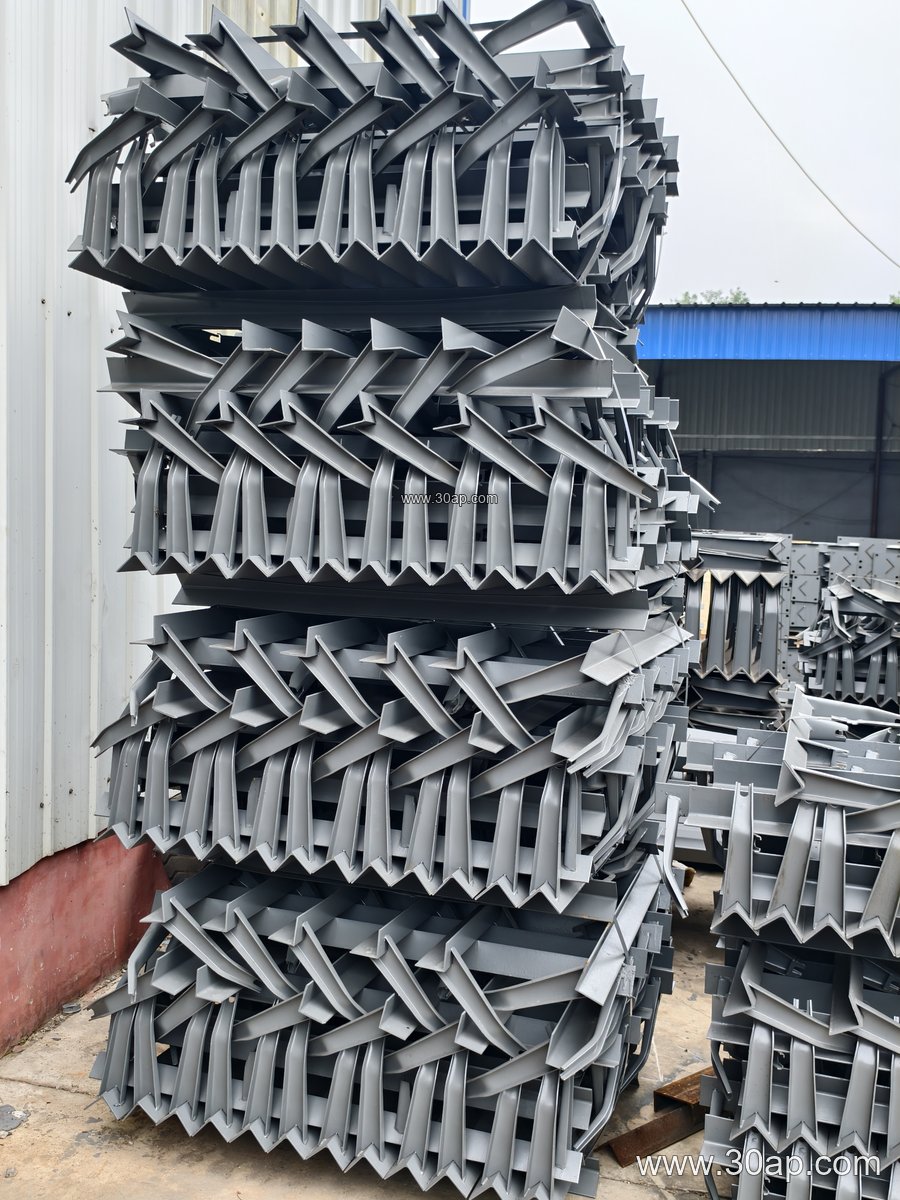
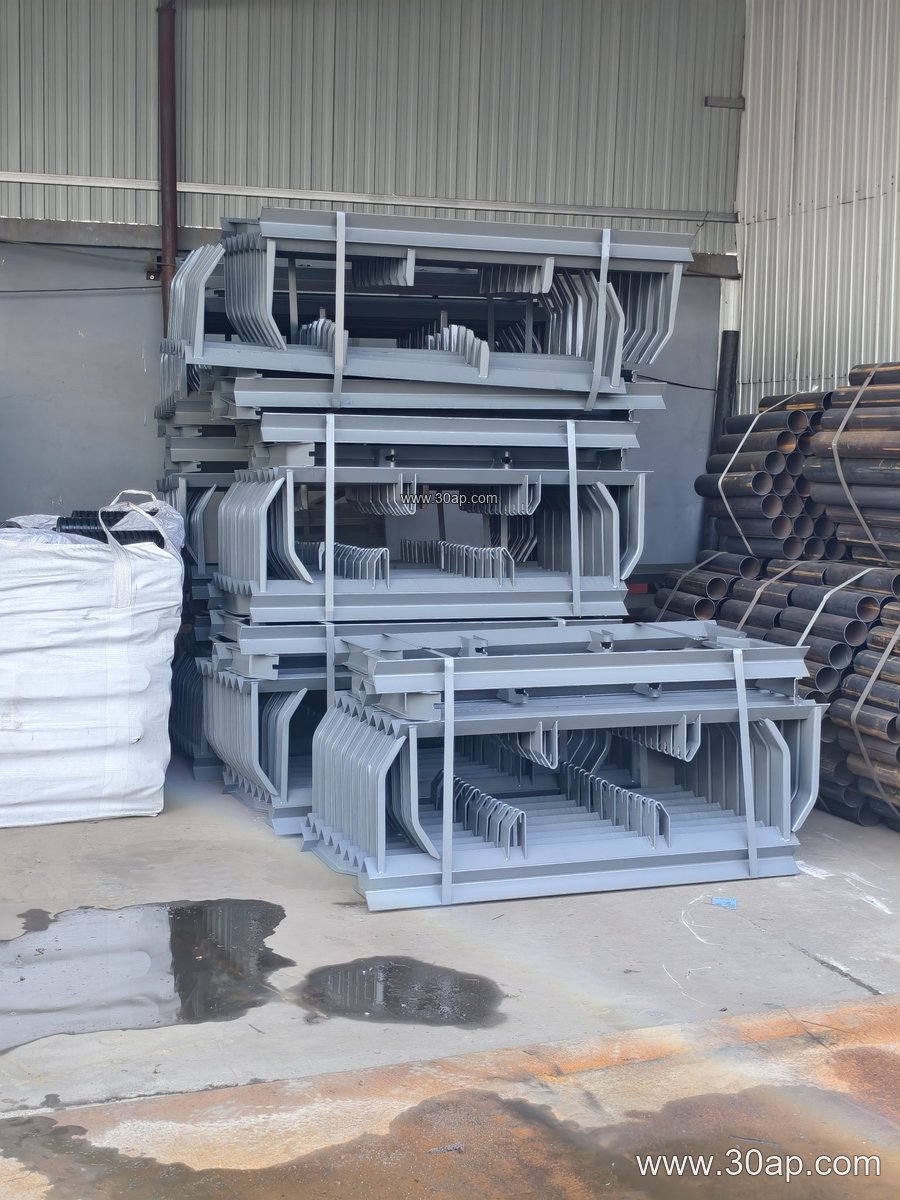
Most vertical idler brackets are fabricated from angle steel, channel steel, or bent steel plate. The bracket usually has a base plate with mounting holes that bolt to the conveyor frame, and an upright section that holds the idler shaft. The height and offset of the upright are determined by the belt width, the idler diameter, and the required belt clearance. For example, a bracket for a B800 conveyor with a Ø108 idler will have different dimensions from one for a B1200 system using a Ø133 roller. Installation hole spacing and beam length are not fixed values; they are specified according to the conveyor design. Common materials include painted carbon steel for general service and galvanized steel for dusty or humid environments.
Where It Fits in the Conveyor Layout
Vertical idler brackets are often found in quarry conveyor lines, aggregate plants, and crusher discharge conveyors where belt training is critical. They also appear in underground coal mining conveyor systems and in tunnel spoil removal conveyors. In these applications, the bracket may be paired with a return idler or a training idler to maintain belt alignment. When used with a chevron conveyor belt or a corrugated sidewall conveyor belt, the bracket must be positioned to avoid contact with the cleats or sidewalls. The bracket is not a replacement for a troughing bracket or a transition bracket; it serves a different support function. For heavy-duty mining conveyor belts carrying iron ore or copper ore, the bracket should be sized to handle the idler load without deflection.
Key Selection Points for Buyers
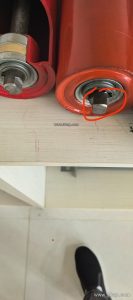
Buyers should confirm the belt width, the idler diameter, and the mounting interface before ordering. Common belt widths in the reference data include B500, B650, B800, B1000, B1200, B1400, B1600, and B1800, but a vertical bracket is not limited to these sizes. Idler diameters such as Ø89, Ø108, Ø133, Ø159, and Ø194 are typical, and the bracket bore must match the idler shaft. The table below shows example combinations, but these are reference values, not fixed matches.
- B650 with Ø89 idler for light aggregate duty
- B800 with Ø108 idler for cement plant conveyors
- B1000 with Ø133 idler for coal mining conveyors
- B1200 with Ø159 idler for heavy ore conveyors
- B1400 with Ø159 or Ø194 idler for high-capacity lines
Also consider the surface treatment, the bolt grade, and whether the bracket needs adjustment slots. Adjustable brackets allow small position changes during belt tracking, while fixed brackets are simpler and more rigid. If the conveyor uses a flame retardant conveyor belt or an anti-static conveyor belt in a hazardous area, the bracket should be properly grounded through the frame.
Maintenance and Compatibility
Inspect vertical idler brackets for loose bolts, bent uprights, and corrosion during routine conveyor maintenance. A misaligned bracket can cause the idler roller to wear unevenly and may damage the conveyor belt edge. When replacing an idler, check that the bracket bore and mounting holes still match the new roller. For conveyors carrying abrasive materials such as sand, gravel, or clinker, use brackets with adequate wall thickness and a protective finish. The bracket should be compatible with the conveyor pulley arrangement and the belt path; it does not substitute for a drive pulley, tail pulley, or bend pulley. For more information on conveyor support components, visit our site at www.example.com/vertical-idler-bracket or contact our engineering team.