What a Dust-Proof Idler Does
A dust-proof idler is a carrying or return roller built to keep fine particles away from its bearing cavity. On a conveyor belt handling cement clinker, coal, limestone, or ore, grit finds its way into ordinary rollers and grinds the bearings down. The dust-proof idler answers that problem with a sealed bearing housing and a protective outer structure, so the roller keeps turning freely in an environment where a standard idler would seize within months.
This is still a conveyor idler roller in the familiar sense: a steel tube, a shaft, and bearings at each end. What changes is the sealing arrangement and, often, the surface form. Buyers who already source conveyor brackets and conveyor pulleys will recognize the mounting pattern, but the internal details are what justify the dust-proof label.
How the Sealing and Structure Work
Most designs use a multi-stage seal: a labyrinth path combined with a lip seal or a felt ring, and sometimes a dust cap pressed onto the end face. The labyrinth forces airborne dust to travel a tortuous route before it reaches the bearing, while the lip seal retains grease. A good unit also uses a machined end-face on the tube so the seal seats squarely.
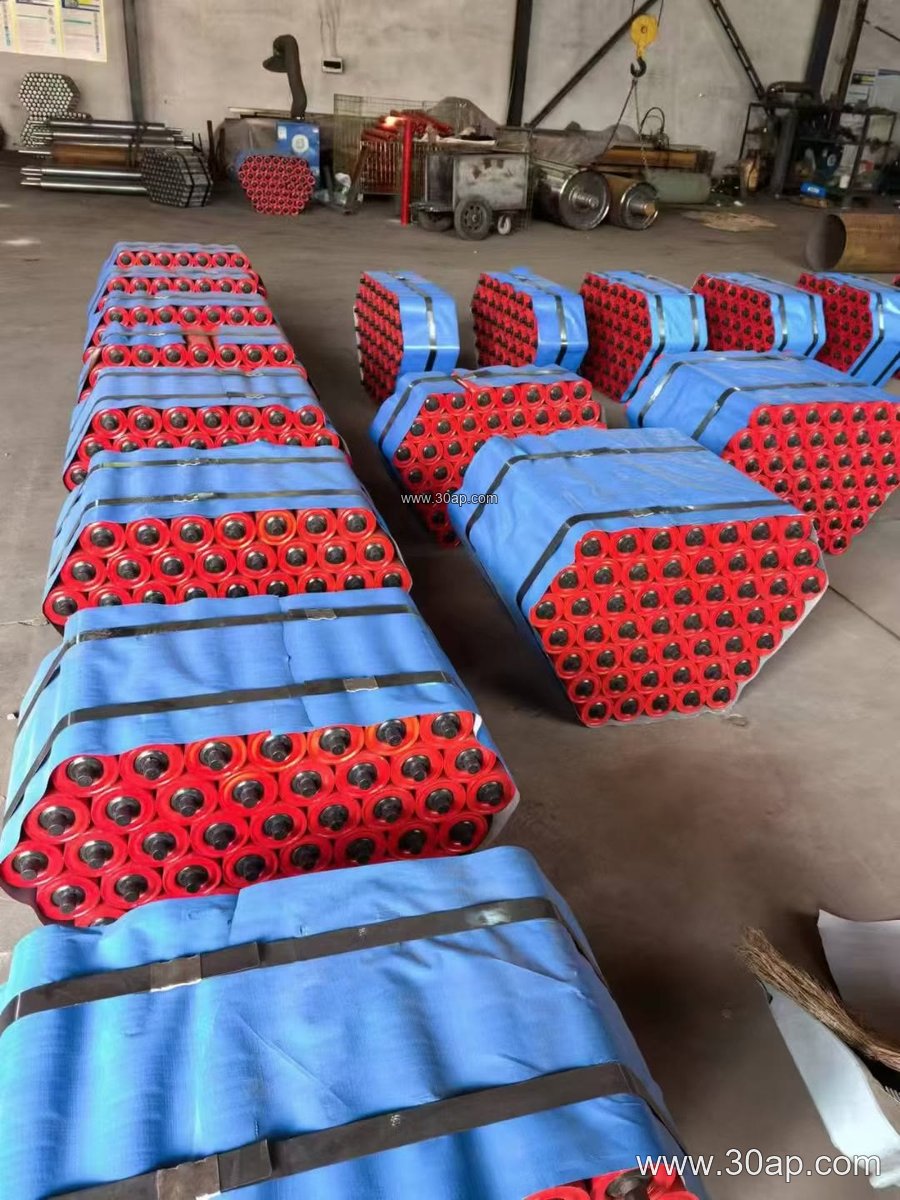
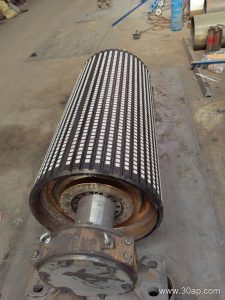
Tube material matters as much as the seal. Standard steel tubes work in most bulk material handling, while nylon or ceramic-covered rollers reduce sticking in wet, sticky duty. Rubber rings appear on impact sections rather than on the main carry run, and that distinction is worth keeping in mind during selection. The bearing itself is commonly a deep-groove ball bearing such as 6205, 6305, or 6306, chosen by load and shaft size rather than by belt width alone.
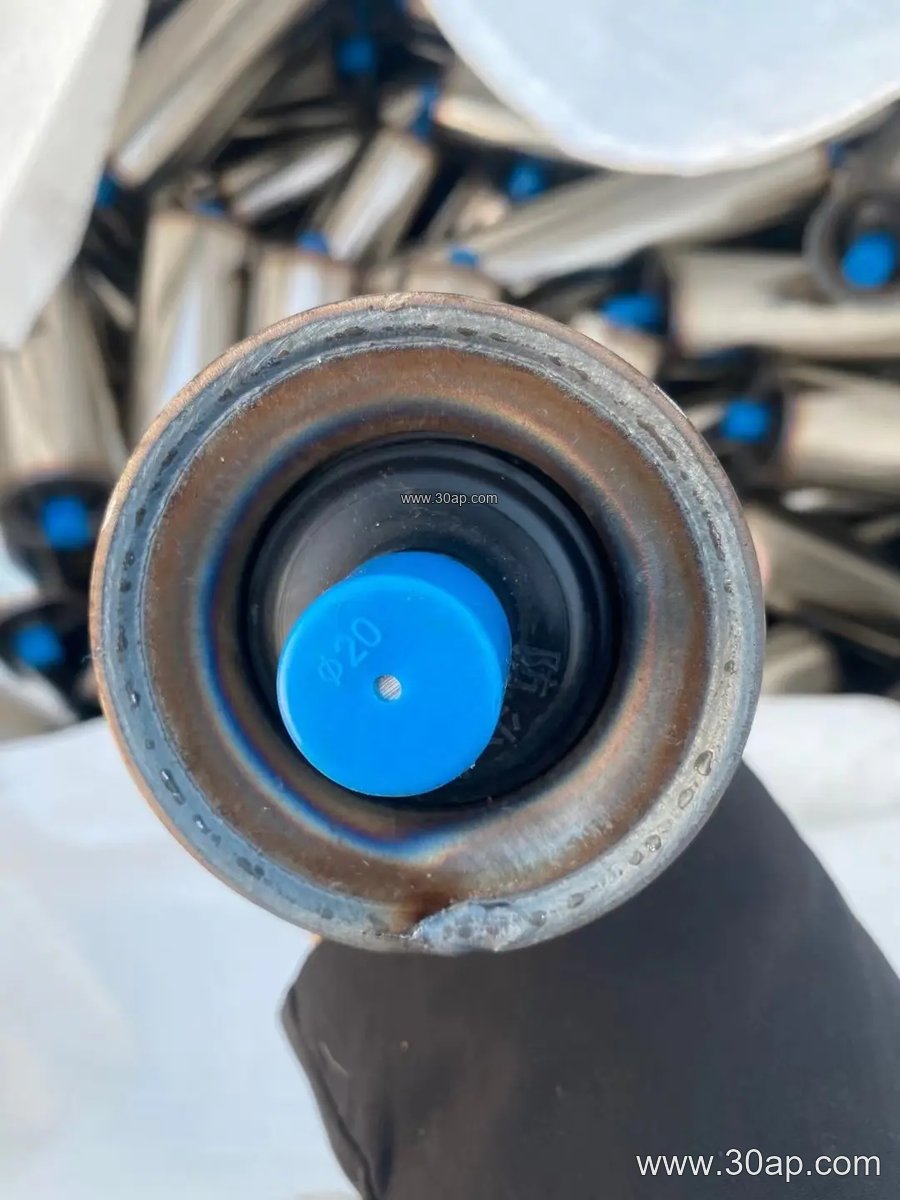
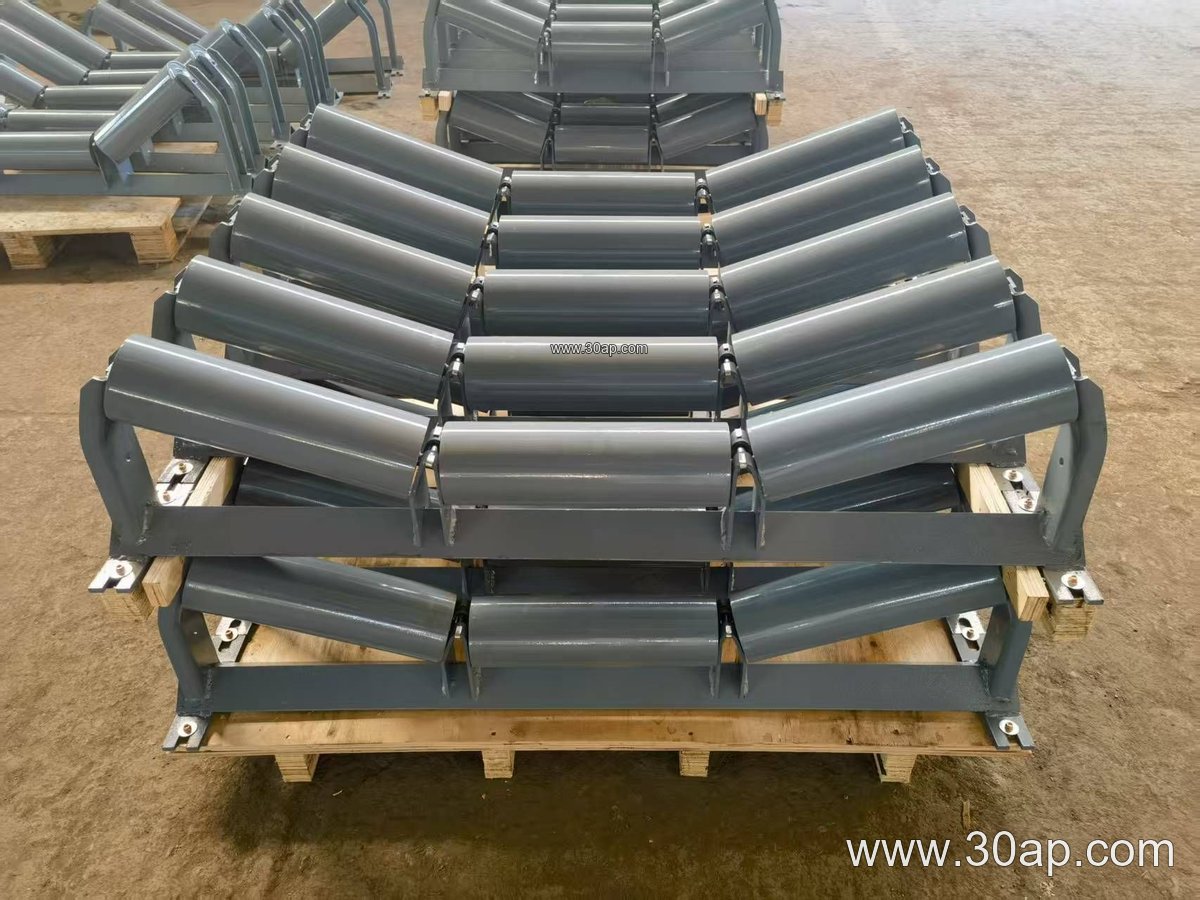
Because the seal adds stack height, the roller length is usually set together with the frame. A three-roll troughing set for B800 might use roughly 315 mm rolls, and for B1200 around 465 mm, but side rolls and centre rolls can differ and these are only common examples, not fixed pairings.
Where Dusty Duty Appears
Two locations account for most demand. The first is a cement plant or a limestone quarry, where fine powder coats every surface and settles into the smallest gaps. The second is a coal handling system at a power plant or a wash plant, where coal dust combines with moisture and forms a paste that ordinary seals cannot resist. In both settings, the carry side tends to suffer first, so dust-proof troughing idlers are often specified for the full carry run while the return side uses a simpler flat or V-return roller.
Other dusty lines include crushing and screening circuits, sinter plants, and tunnel spoil handling. Where the belt is a heavy-duty mining conveyor belt or a flame retardant conveyor belt running underground, dust protection is frequently a maintenance requirement rather than an option.
Matching the Roller to the Line
Selection starts with the belt and the load, then narrows to the seal and surface. Useful reference values are collected below; treat them as a starting point for discussion with a supplier.
Roller Diameter and Common Bearing Pairing
| Roller diameter | Typical bearing options | Usual duty |
|---|---|---|
| Ø89 mm | 6204, 6205 | Light to medium, narrow belts |
| Ø102 mm | 6205, 6305 | General bulk handling |
| Ø108 mm | 6205, 6305 | General bulk handling |
| Ø127 mm | 6305, 6306 | Medium to heavy |
| Ø133 mm | 6306, 6308 | Heavy carry runs |
| Ø159 mm | 6308, 6310 | High load, wide belts |
| Ø178 to Ø219 mm | 6310 and larger | Very heavy or impact zones |
Belt Width and Troughing Roll Length
| Belt width | Common centre roll length, three-roll set | Trough angle options |
|---|---|---|
| B500 | about 200 mm | 20°, 30°, 35° |
| B650 | about 250 mm | 20°, 30°, 35° |
| B800 | about 315 mm | 30°, 35°, 45° |
| B1000 | about 380 mm | 30°, 35°, 45° |
| B1200 | about 465 mm | 30°, 35°, 45° |
| B1400 | about 530 mm | 35°, 45° |
| B1600 to B2000 | about 600 to 750 mm | 35°, 45° |
Note that a belt width does not dictate one pulley diameter, and it does not fix a shaft size on its own. Shaft and bearing choice follow the calculated load, the roller spacing, and the belt speed.
Buyer Checklist
- Confirm the dust chemistry: dry powder, wet paste, or abrasive grit each calls for a different seal emphasis.
- Check that the seal is serviceable and that grease can be renewed without dismantling the frame.
- Verify roller concentricity and tube wall thickness, since a wobbling roller destroys seals quickly.
- Ask how the roller is balanced and whether the end caps are welded or pressed.
- Match trough angle to the material’s repose angle rather than copying a neighbouring line.
- Keep spare rollers on site; dust-proof units last longer but are not immortal.
On a well-run cement or coal line, the dust-proof idler is a small line item that protects a much larger investment in the conveyor belt itself. When a roller seizes, the belt rubs, the motor works harder, and the repair window shrinks. Choosing the right seal, diameter, and length at the outset is cheaper than rebuilding the carry run later.