Understanding Conveyor Bracket Price
Conveyor bracket price is a key consideration for anyone specifying or maintaining a belt conveyor system. The bracket, often called a conveyor bracket or idler support bracket, is the structural component that holds the idler roller in place and sets the belt’s trough shape. Its cost reflects material, design complexity, and the number of units required for a given conveyor length. Buyers in quarry, cement, and power plant operations typically evaluate bracket price alongside the cost of idler rollers and the conveyor belt itself.
How a Conveyor Bracket Is Built
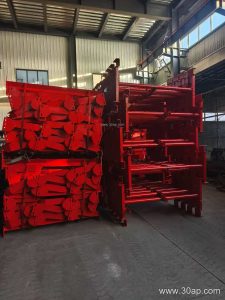
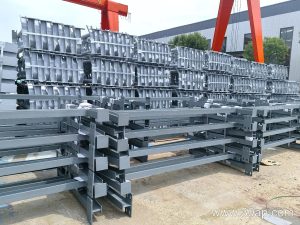
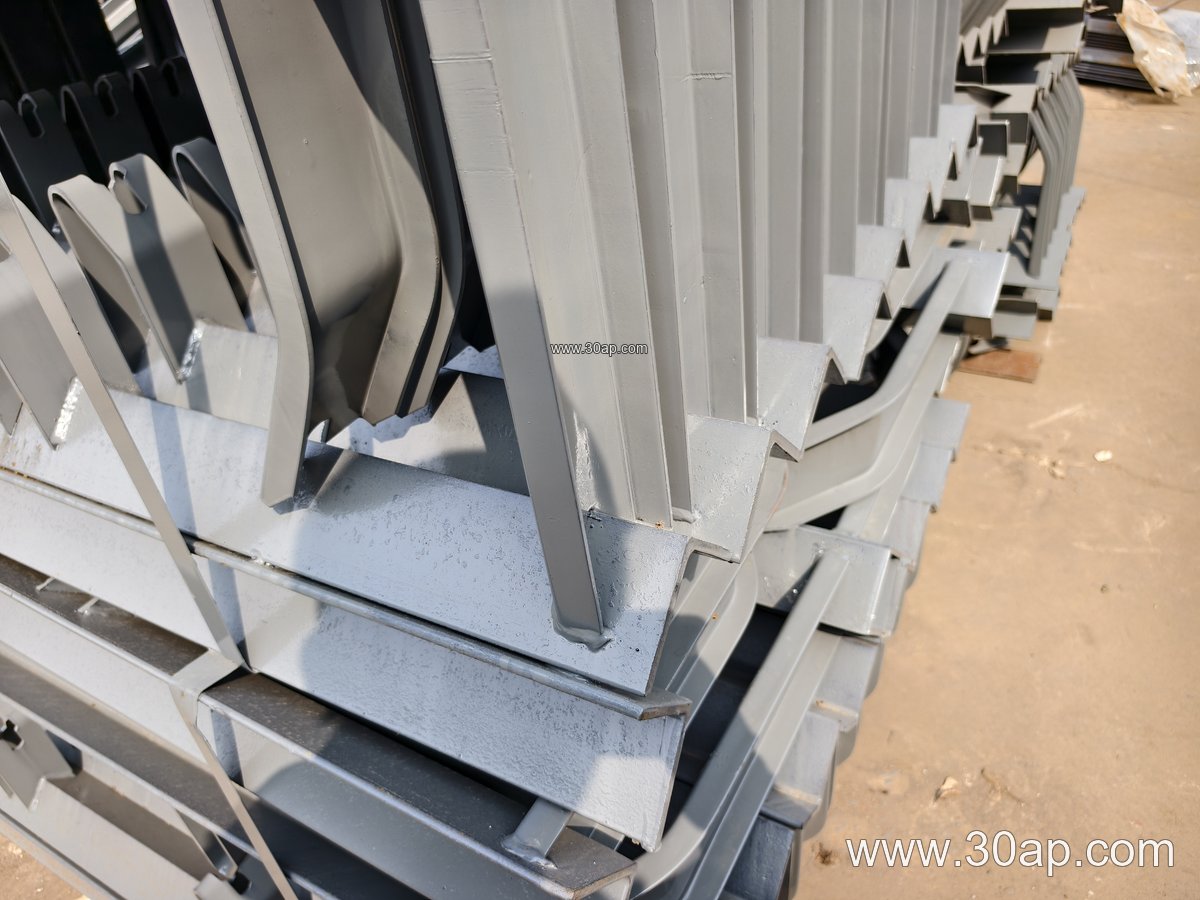
Most brackets are fabricated from angle steel, channel steel, or bent steel plate. The choice affects both strength and price. A simple fixed bracket made from angle steel costs less than an adjustable bracket with slotted holes and reinforced mounting points. The bracket must match the belt width, trough angle, and roller diameter. For example, a B800 conveyor might use a 35-degree trough bracket with Ø108 idler rollers, while a B1200 system often calls for a 45-degree bracket and Ø133 rollers. These combinations are common but not universal; the final specification depends on the conveyor design and the material being handled.
Types and Their Price Implications
Bracket type influences price more than any single dimension. Common types include:
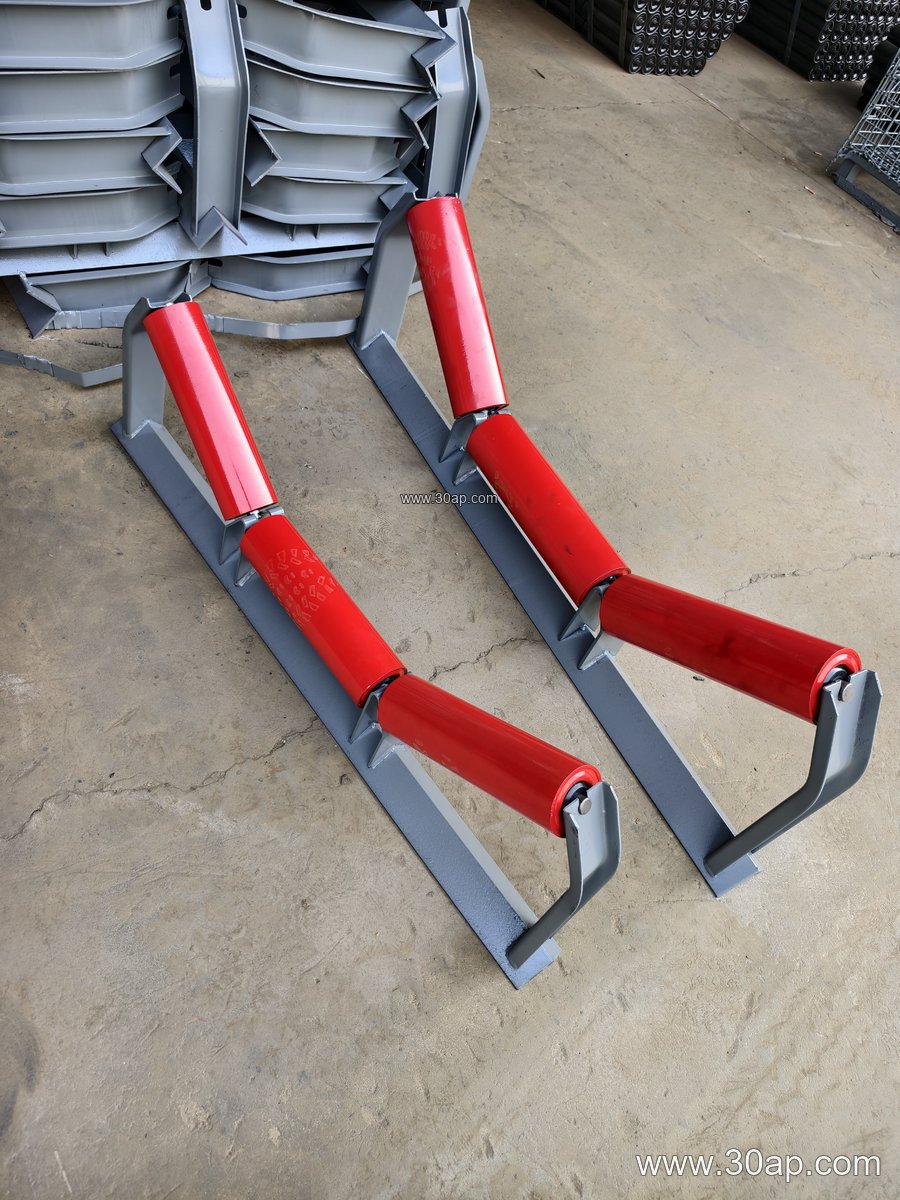
- Troughing brackets (carrying side) – support three or more idlers to form a trough.
- Return brackets (flat or V-return) – support the belt on the return strand.
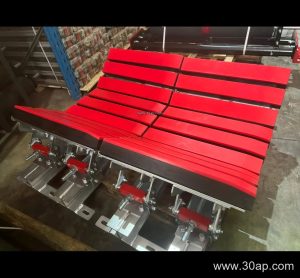
- Impact brackets – reinforced for loading points, often used with impact idler rollers.
- Self-aligning brackets – include pivot or training features to keep the belt centered.
- Transition brackets – used near pulleys to change belt trough angle gradually.
- Adjustable brackets – allow trough angle changes, typically between 20 and 45 degrees.
An adjustable bracket usually costs more than a fixed one, but it offers flexibility during installation and maintenance. For a coal mining conveyor belt system, flame retardant and anti-static properties of the belt are critical, but the bracket price itself is driven by steel weight and fabrication.
Where Conveyor Brackets Are Used
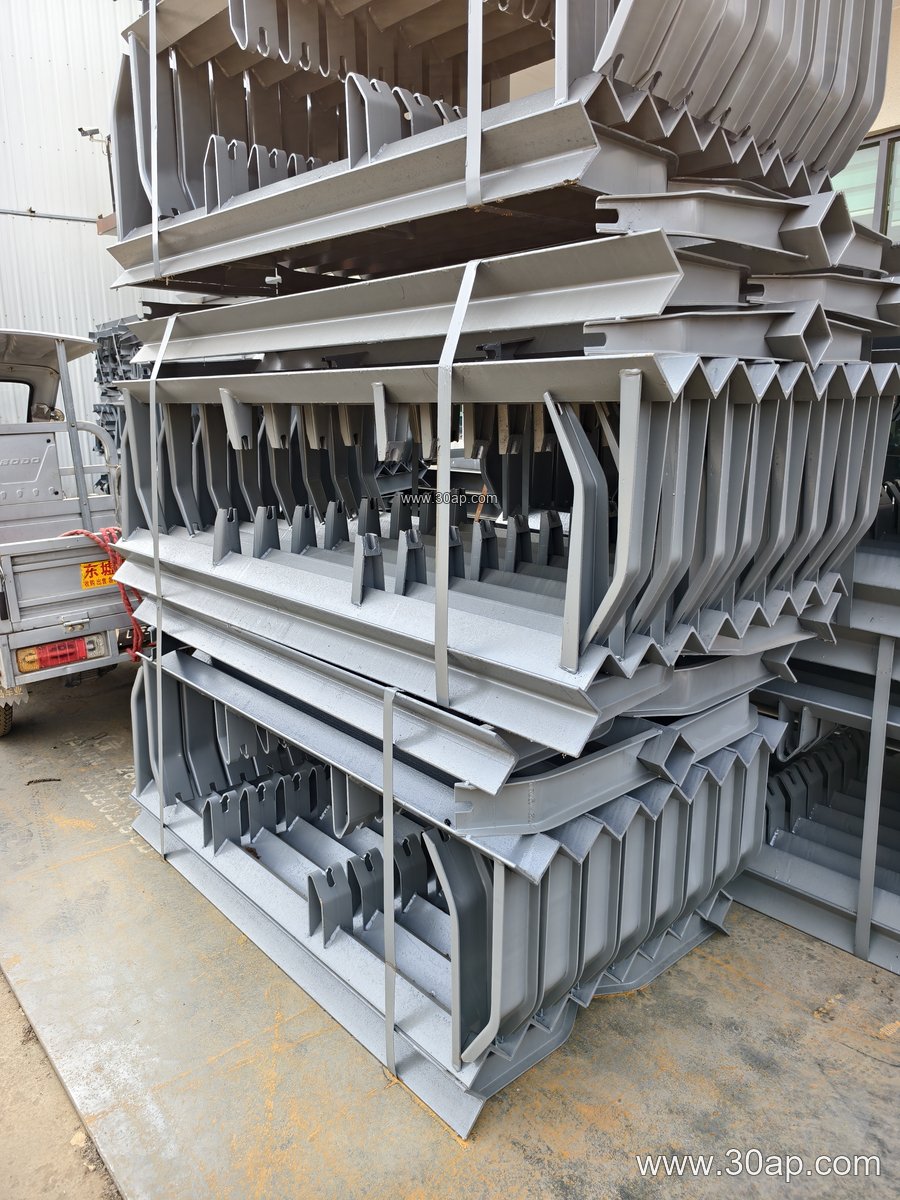
Brackets appear anywhere a conveyor belt is supported by idlers. In a sand and gravel line, troughing brackets hold the belt through the loading zone and along the incline. In a cement plant, return brackets support the belt on its way back to the tail pulley. In a power plant coal handling system, heavy-duty brackets with impact idlers absorb the shock of large lumps. The same bracket design may be used in a fertilizer or grain silo application, but corrosion protection and material cleanliness become more important. In all cases, the bracket must align with the conveyor pulley and belt path to avoid tracking problems.
Specifications That Affect Price
When requesting a conveyor bracket price, buyers should provide the belt width, trough angle, roller diameter, and bracket type. Common belt widths range from B500 to B2200. Trough angles of 20, 30, 35, and 45 degrees are standard. Roller diameters such as Ø89, Ø108, Ø133, Ø159, and Ø194 are widely available. The table below shows typical combinations, but these are examples only and not fixed rules.
| Belt Width | Trough Angle | Roller Diameter | Typical Bracket Type |
|---|---|---|---|
| B500 | 20°–30° | Ø89 | Troughing, fixed |
| B650 | 30°–35° | Ø89 or Ø108 | Troughing, adjustable |
| B800 | 35° | Ø108 | Troughing, impact |
| B1000 | 35°–45° | Ø133 | Troughing, self-aligning |
| B1200 | 45° | Ø133 or Ø159 | Troughing, transition |
| B1400 | 45° | Ø159 | Return, V-type |
| B1600 | 35°–45° | Ø159 or Ø194 | Troughing, heavy-duty |
| B1800 | 45° | Ø194 | Troughing, fixed |
| B2000 | 45° | Ø194 | Troughing, adjustable |
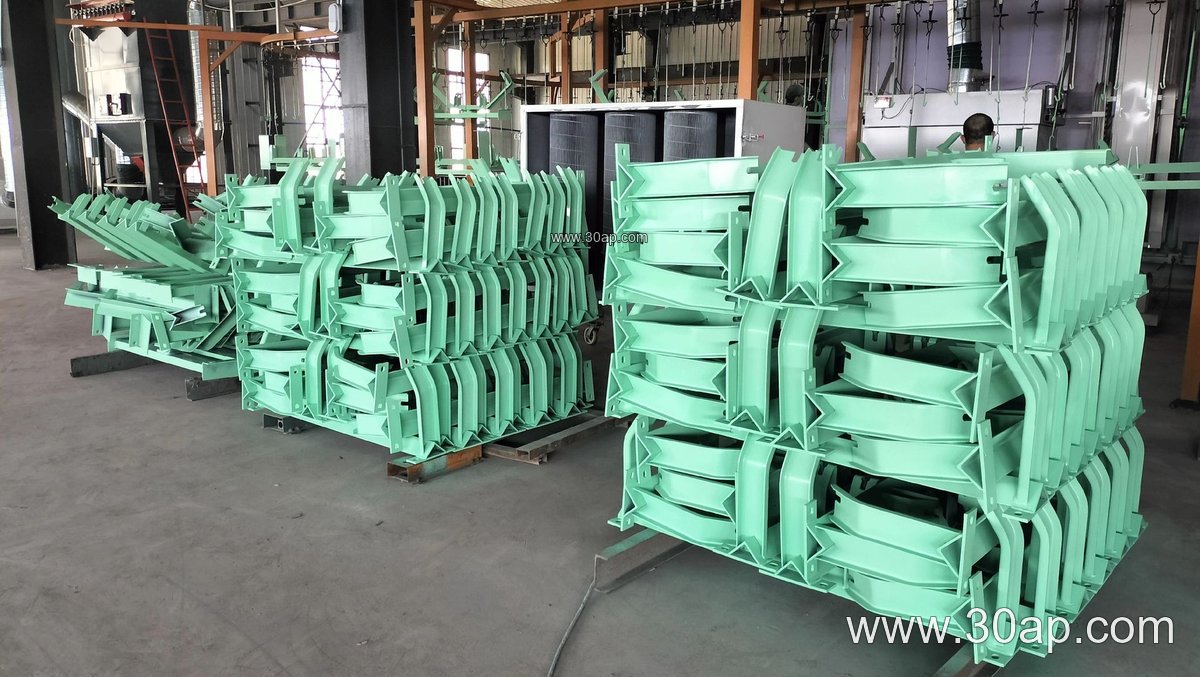
Note that mounting hole spacing and crossbeam length vary with belt width and trough angle. They should not be treated as fixed values. The bracket price may also include surface treatment such as painting or galvanizing, which adds cost but improves durability in outdoor or wet environments.
Buyer Checklist for Conveyor Bracket Price
Before comparing quotes, confirm the following:
- Exact belt width and trough angle required for your conveyor.
- Idler roller diameter and type (carrying, return, impact, self-aligning).
- Bracket material and finish (painted, galvanized, or bare steel).
- Whether adjustable or fixed brackets are needed.
- Quantity per conveyor and expected spare parts.
Remember that bracket price is only one part of the conveyor cost. The conveyor belt, pulley, and idler roller prices also matter. For heavy-duty mining conveyor belt applications, a slightly higher bracket price may be justified by longer service life and fewer downtime events. Always request a drawing or dimensional data sheet to ensure the bracket fits your existing structure. For more information on related components such as conveyor idler rollers and pulleys, visit our product pages at www.example.com/conveyor-bracket and www.example.com/idler-roller.