What Is a V-Type Idler Bracket?
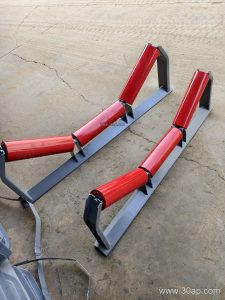
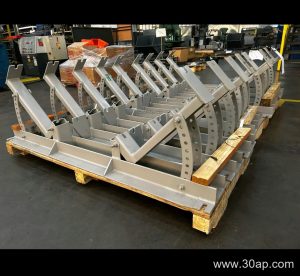
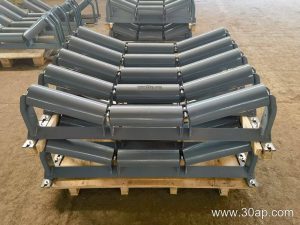
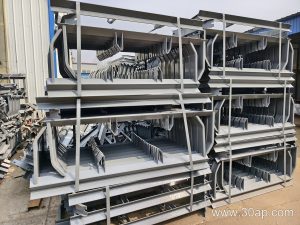
A V-Type Idler Bracket is a conveyor bracket designed to hold two idler rollers in a V-shaped configuration, typically used on the return side of a belt conveyor. This arrangement helps support the conveyor belt and guide it centrally, reducing material spillage and belt misalignment. In industries such as mining, coal preparation, cement plants, and power plant coal handling, the V-type idler bracket is a common component for maintaining belt stability. It is often paired with a rubber conveyor belt or an EP conveyor belt to ensure smooth operation.
Construction and Design
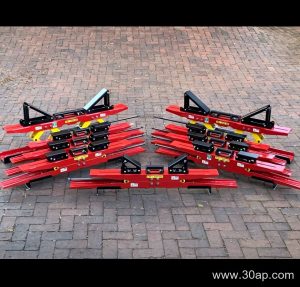
The bracket is usually fabricated from angle steel, channel steel, or folded steel plate, providing robust support for the idler rollers. The V-shape is formed by two inclined mounting surfaces, each holding an idler roller. The angle of the V can vary; common trough angles for related brackets include 20, 30, 35, and 45 degrees, while the V-type return bracket typically has a fixed or adjustable angle to suit the belt width and load conditions. The bracket is mounted on the conveyor frame and must be aligned accurately to ensure proper belt tracking.
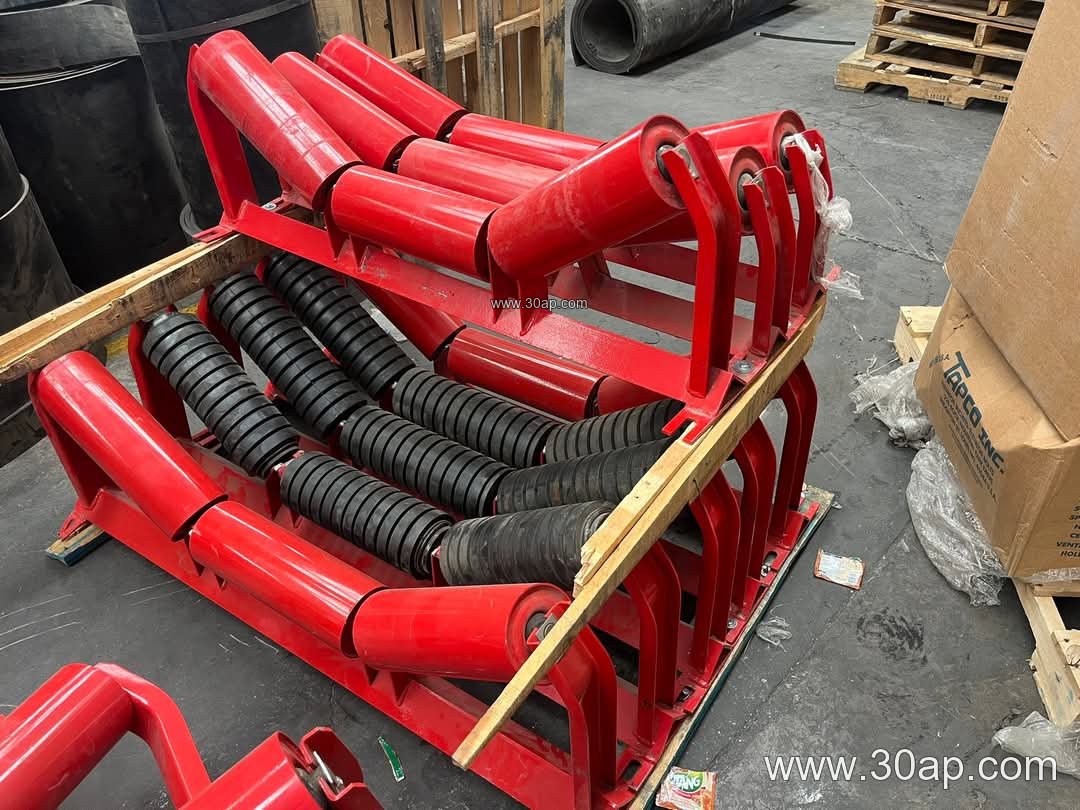
Key design considerations include the belt width, roller diameter, and the load carried. For instance, a bracket for a B800 belt might use Ø108 idler rollers, while a heavier duty application with a B1200 belt could use Ø133 or Ø159 rollers. The bracket’s dimensions, such as mounting hole spacing and crossbeam length, are determined by the belt width and the required trough angle. Adjustable brackets allow fine-tuning of the angle to optimize belt contact and reduce wear.
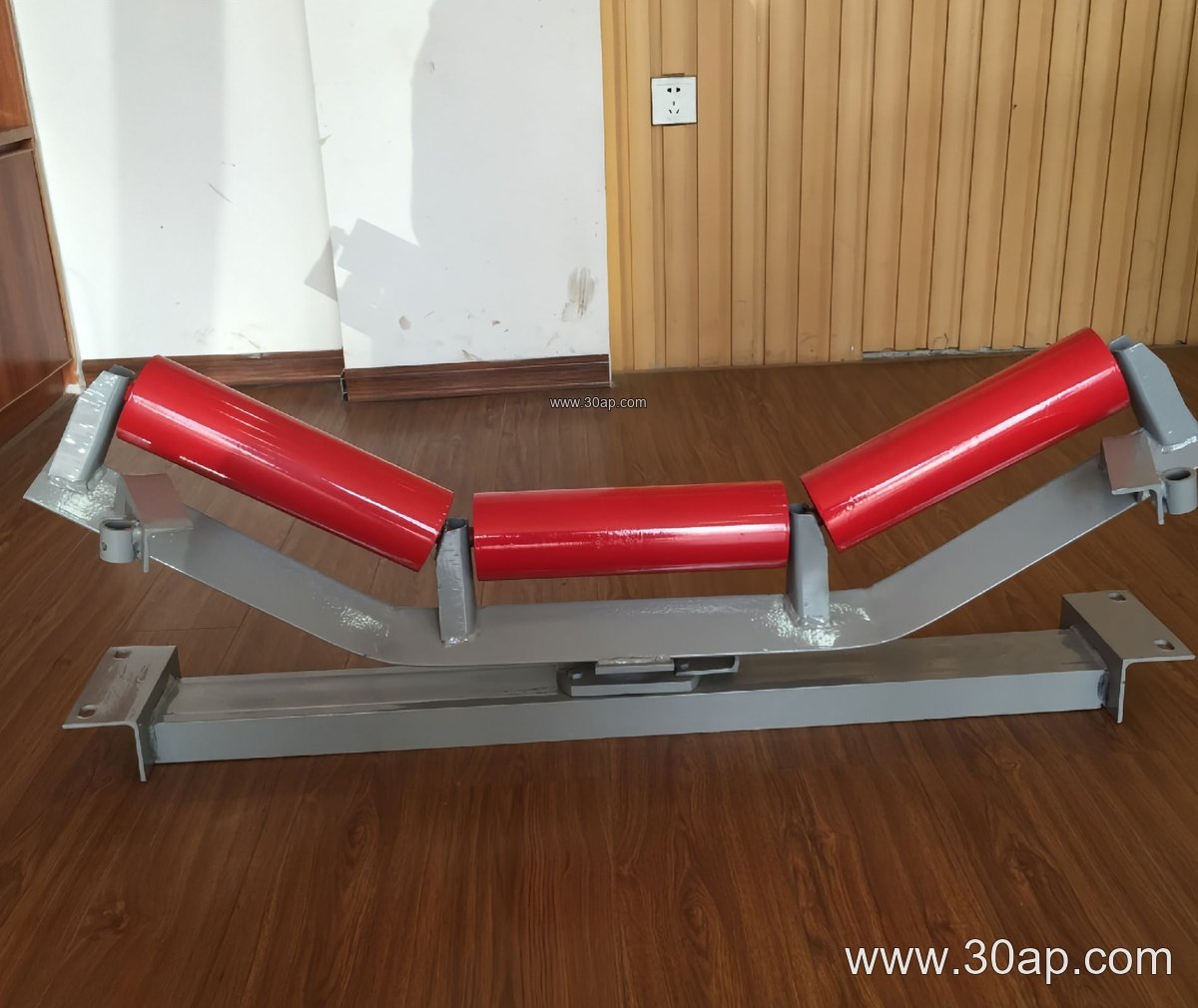
Where It Is Used
V-type idler brackets are predominantly found in the return run of belt conveyors, where they support the empty belt and help remove carried material that may stick to the belt. They are essential in quarry conveyor systems, aggregate plants, and bulk material handling facilities. In coal mining operations, these brackets contribute to the reliability of underground coal mining conveyor belts by keeping the belt centered and minimizing downtime. Similarly, in cement plants and steel plants, they support belts transporting clinker, limestone, or coke.
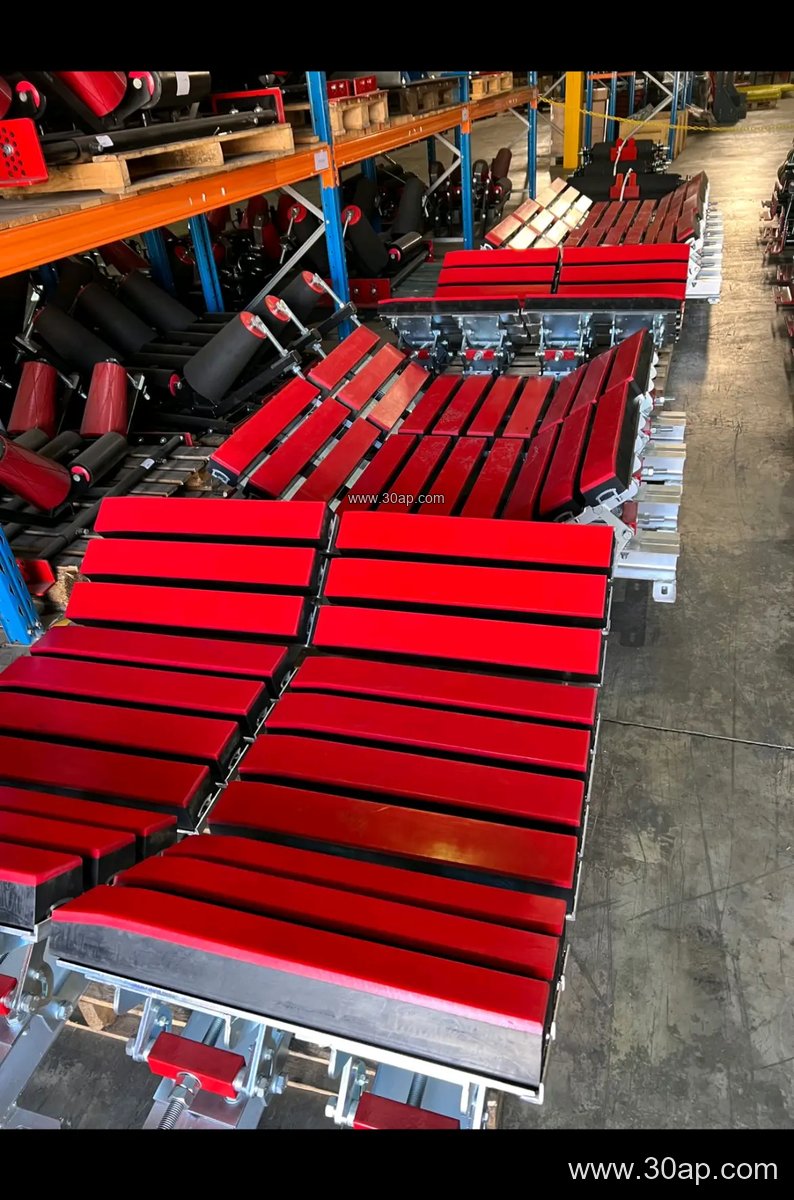
The bracket works in conjunction with other conveyor components such as idler rollers, conveyor pulleys, and the conveyor belt itself. Proper selection of the V-type idler bracket ensures that the belt runs true, extending the service life of the belt and reducing maintenance costs.
Selection and Sizing Guidelines
When choosing a V-type idler bracket, consider the belt width, the roller diameter, and the operating environment. The table below lists common belt widths and typical roller diameters for reference; these are not fixed combinations but serve as a starting point for design.
| Belt Width (mm) | Common Roller Diameter (mm) | Typical Application |
|---|---|---|
| B500 | Ø89 | Light-duty aggregate conveying |
| B650 | Ø89, Ø108 | Sand and gravel plants |
| B800 | Ø108, Ø133 | Coal preparation, cement |
| B1000 | Ø108, Ø133, Ø159 | Power plant coal handling |
| B1200 | Ø133, Ø159 | Heavy-duty mining |
| B1400 | Ø159, Ø194 | Iron ore, copper ore |
| B1600 | Ø159, Ø194 | Large bulk terminals |
Note that the bracket’s mounting dimensions must match the conveyor frame. The V-angle is often fixed for return brackets, but adjustable versions allow adaptation to different belt training needs. Always consult the conveyor design to ensure compatibility with the idler roller and belt type, such as a flame retardant conveyor belt or heat resistant conveyor belt in specialized environments.
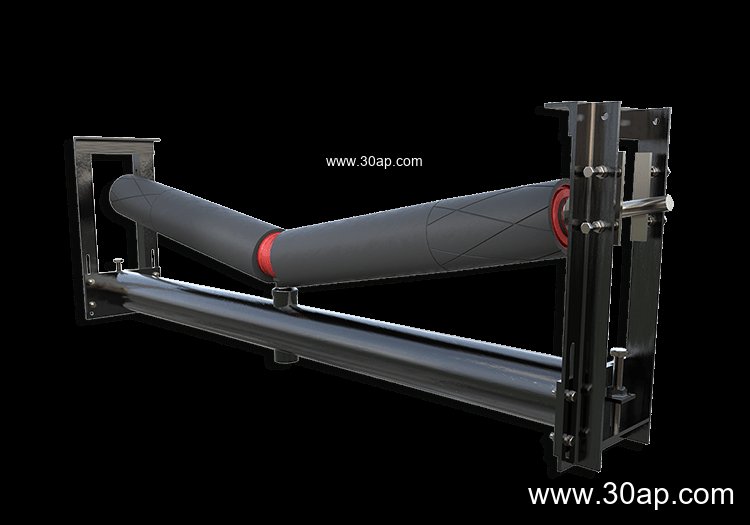
Maintenance and Best Practices
Regular inspection of the V-type idler bracket is important to detect wear, corrosion, or misalignment. Check that the bracket is securely fastened and that the idler rollers rotate freely. In dusty or wet conditions, such as in coal mining or quarry operations, accumulated material should be cleaned off to prevent imbalance. Lubricate moving parts if applicable, and replace worn brackets promptly to avoid belt damage. Properly maintained brackets contribute to the overall efficiency of the conveyor system, whether it uses a steel cord conveyor belt for high tension or a multi-ply fabric core conveyor belt for general duty.
For reliable conveyor performance, integrate quality V-type idler brackets with compatible idler rollers and conveyor pulleys. Visit our site for more information on conveyor brackets and related components.