Understanding Conveyor Bracket Quotation
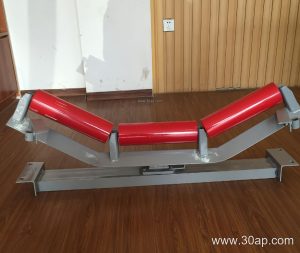
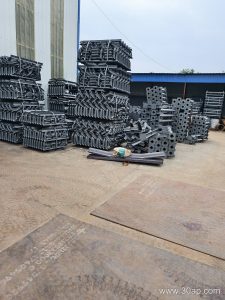
A conveyor bracket quotation is a detailed offer for the steel support structures that hold idlers and shape the conveyor belt. Often called a conveyor support bracket or idler frame, this component is essential for keeping the belt aligned and the load stable. Whether you are setting up a quarry conveyor line or upgrading a coal mining conveyor system, a clear quotation helps you compare options and plan your budget.
Construction and Key Features
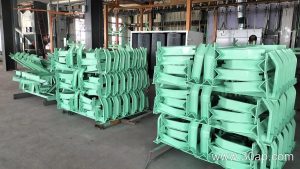
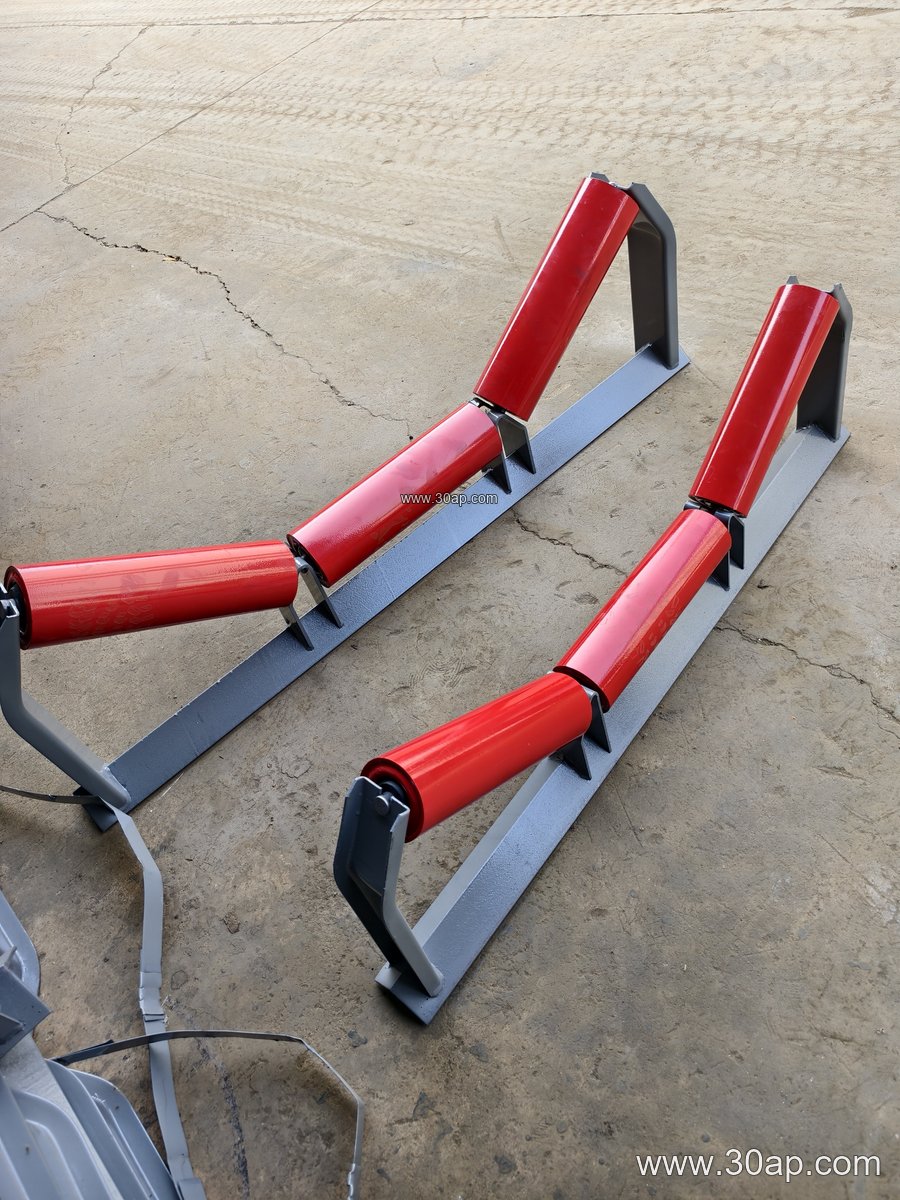
Most brackets are fabricated from angle steel, channel steel, or bent steel plate. The design varies by function: troughing brackets support the carrying side, while return brackets hold the belt on its way back. Adjustable brackets allow you to change the trough angle on site, which is useful when material characteristics vary. Common trough angles include 20, 30, 35, and 45 degrees. For example, a B800 belt with a 35-degree trough and Ø108 idlers is a typical combination in aggregate handling, but the same belt width can also work with other angles and roll diameters depending on the conveyor design.
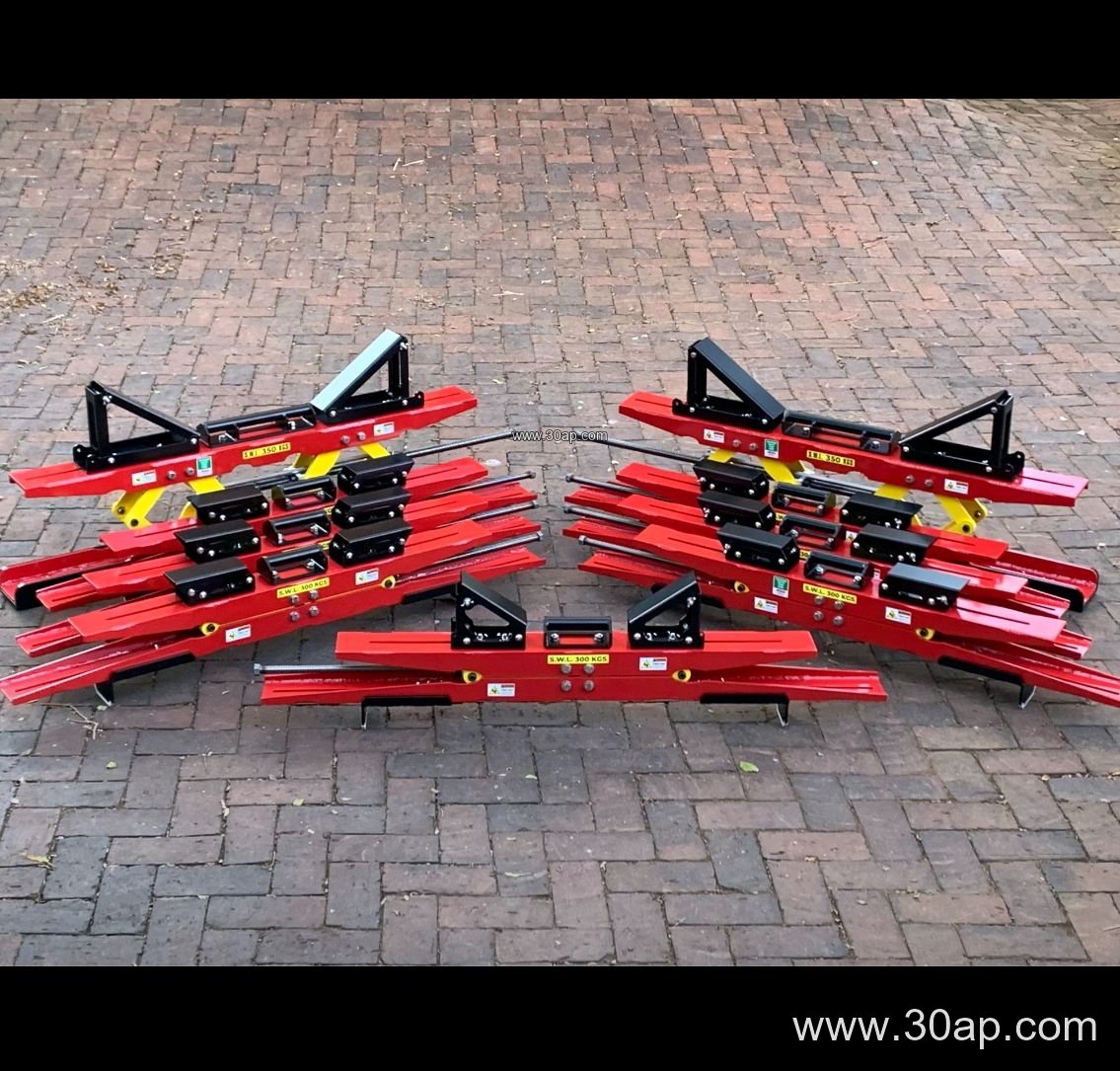
Some brackets include a forward tilt of about 1.5 to 2 degrees to help keep the belt centered. Impact brackets are available for loading points, and self-aligning brackets help correct belt misalignment. The mounting hole spacing and crossbeam length are determined by belt width, trough angle, and idler diameter, so they are not fixed numbers.
Where They Are Used
Conveyor brackets are found in almost every bulk material handling operation. In a limestone mine, heavy-duty brackets support the belt through primary crushing and screening. In a coal washing plant, flame retardant conveyor belts run on brackets that resist corrosion and wear. Cement plants use them on clinker and raw meal lines, while power plant coal yards rely on robust brackets for continuous operation. The choice of bracket type and material depends on the environment: dusty, wet, or high-impact conditions may call for specific designs.
Parameters That Matter in a Quotation
When requesting a quotation, you should specify the belt width, trough angle, idler diameter, and bracket type. Below are common reference ranges for conveyor brackets. These are typical values, not universal specifications or fixed supply promises.
| Parameter | Common Options |
|---|---|
| Belt width (B) | B500, B650, B800, B1000, B1200, B1400, B1600, B1800, B2000, B2200 |
| Trough angle | 20°, 30°, 35°, 45° (adjustable brackets can vary within this range) |
| Idler diameter | Ø89, Ø108, Ø133, Ø159, Ø194 |
| Bracket type | Troughing, return, impact, self-aligning, transition, suspension, adjustable |
| Material | Angle steel, channel steel, bent steel plate |
For instance, a B1200 belt with a 45-degree trough and Ø133 idlers might be quoted for a high-capacity iron ore conveyor, while a B650 belt with a 30-degree trough and Ø89 idlers could suit a smaller sand and gravel line. Always confirm the actual load and belt speed with your supplier.
Working with Related Components
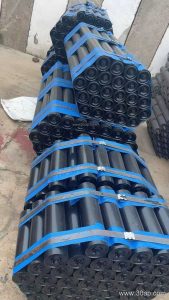
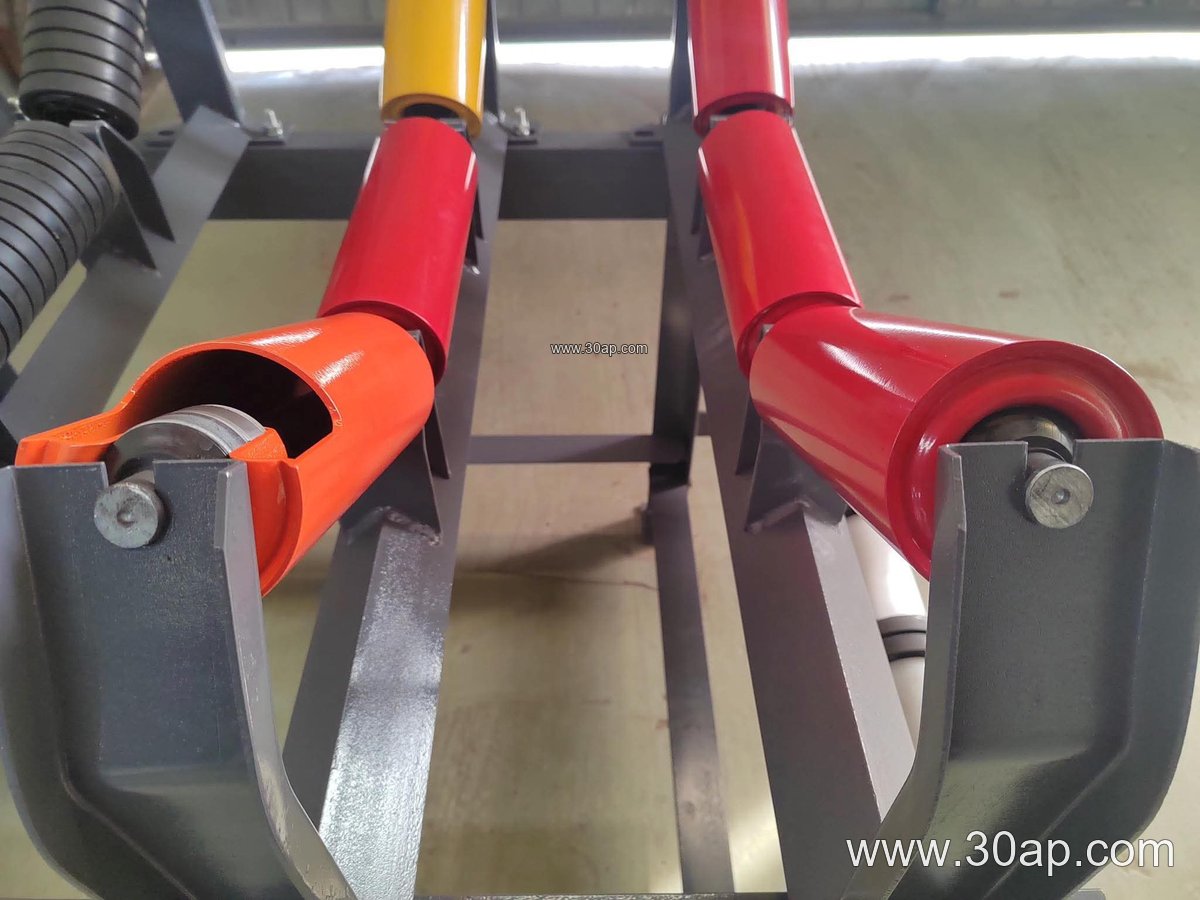
Brackets do not work alone. They must match the conveyor pulley and idler roller specifications. The belt itself, whether an EP conveyor belt or a steel cord conveyor belt, also influences bracket selection because of its weight and stiffness. In a typical quotation, you may see references to rubber conveyor belt, conveyor pulley, and idler roller to ensure compatibility. For example, a heavy-duty mining conveyor belt may require stronger brackets and larger idler diameters.
What a Buyer Should Know
Before accepting a conveyor bracket quotation, check that the offer clearly states the bracket type, material, belt width range, trough angle, idler diameter, and surface treatment. Ask about adjustable versus fixed brackets if your material flow changes. Confirm that the mounting dimensions are compatible with your existing conveyor structure. Also consider the environment: corrosive or abrasive conditions may need galvanized or painted finishes. A good quotation will include the conveyor bracket, along with any related items such as conveyor pulleys or idler rollers, so you can see the complete support system.
Remember that prices vary with steel market conditions and order quantity. Request a detailed breakdown rather than a lump sum, and verify that the quotation is based on your actual belt width and trough angle, not a generic size.