What a PVC Conveyor Belt Is
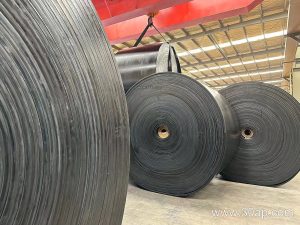
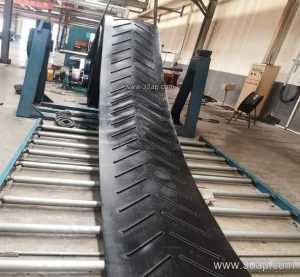
A PVC conveyor belt is a light-to-medium duty belt whose carcass is bonded with polyvinyl chloride covers. In many plants it is simply called a PVC belt, and the accurate equivalent name is polyvinyl chloride conveyor belt. It sits in the same family as the general-purpose rubber conveyor belt, but the cover compound and the carcass construction give it a different balance of flexibility, cleanliness and cost. Buyers in food processing, packaging, recycling and light assembly often choose it for smooth, quiet running, while heavy primary crushing circuits in a quarry or an iron ore plant usually need a heavier rubber or steel cord design.
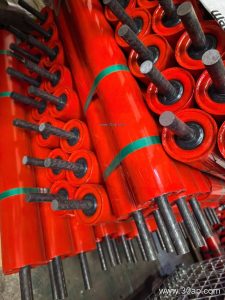
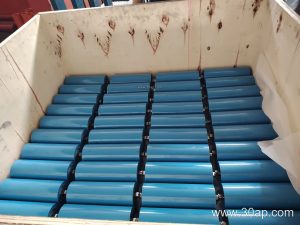
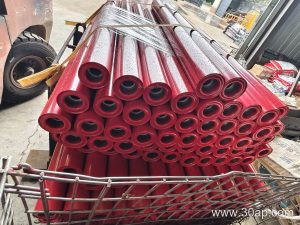
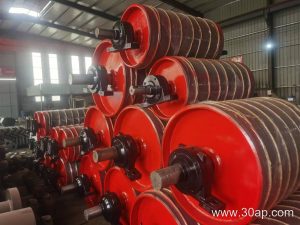
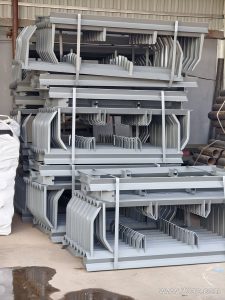
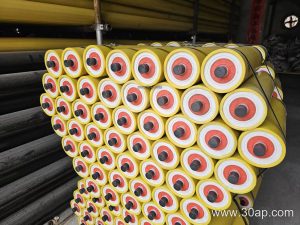
Related equipment matters too. The belt runs over conveyor pulleys at the head and tail, supported by idler rollers along the carrying side, with conveyor brackets holding the whole frame in line. Belt, rollers and pulleys are selected together, and none of them should be treated as a drop-in substitute for another.
How the Belt Is Built
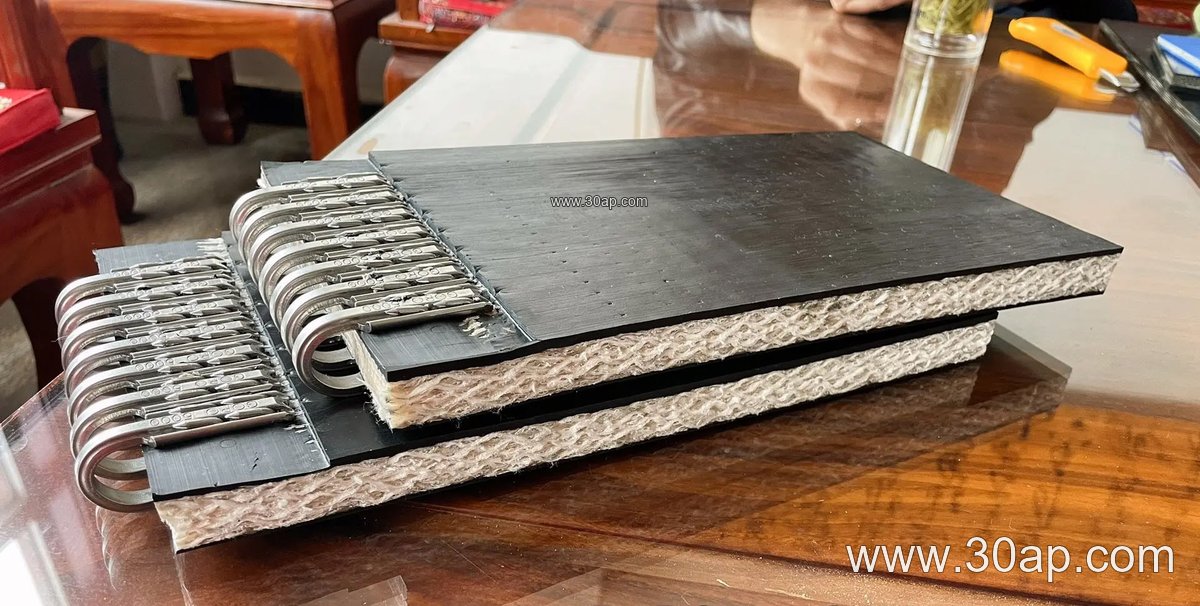
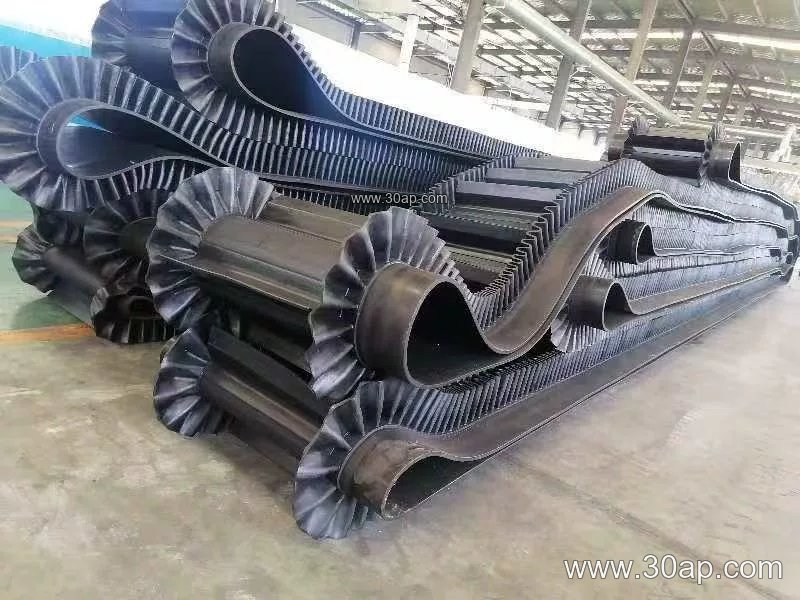
Most PVC belts use a fabric core, typically polyester or a polyester-nylon weave, dipped and coated with PVC. The cover can be smooth, matte, glossy, or lightly textured for grip. Some designs add a chevron or a low-profile cleat pattern for inclined sections, and others are made endless so the belt arrives as a closed loop. Anti-static and food-contact grades are common requests, but the exact compound and any compliance documents should be confirmed with the supplier rather than assumed.
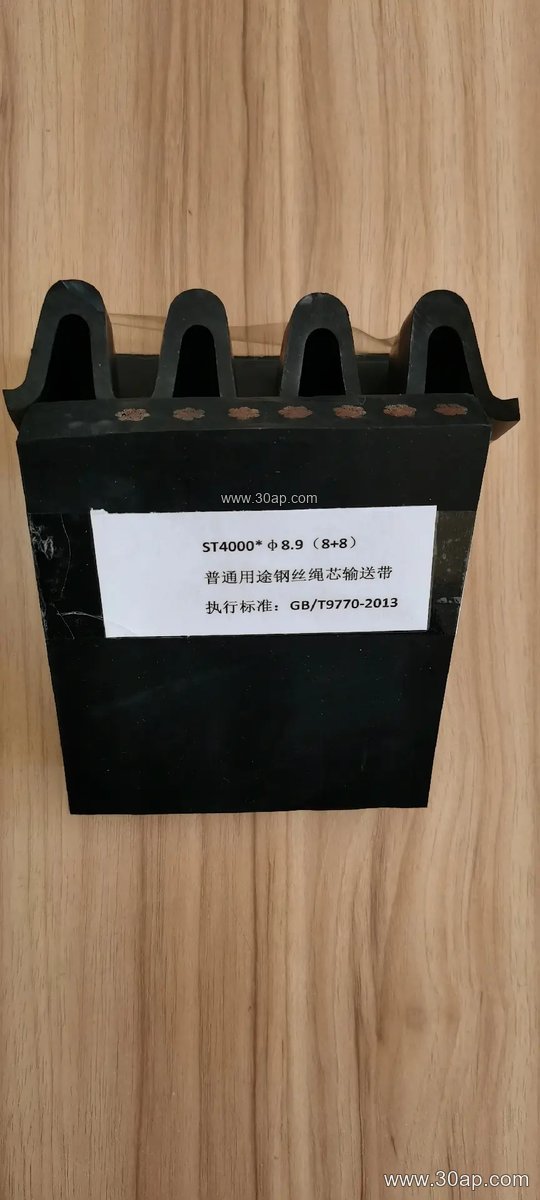
The construction is lighter than a multi-ply fabric core belt of equivalent width, which reduces the load on the drive. That is one reason a PVC belt is often seen on smaller conveyors where a thick rubber belt would be over-specified.
Typical Service Conditions
PVC covers handle moderate abrasion well and resist many oils and chemicals, though concentrated solvents and hot oils are a different story. Temperature range is narrower than rubber, so a heat resistant conveyor belt or a cold resistant belt may be the better answer in an oven discharge or a freezer room. Where fire safety is critical, such as an underground coal mining conveyor, a flame retardant conveyor belt or a PVG belt is normally specified instead of plain PVC.
Widths follow the conveyor frame and the product being carried. Common values include B500, B650, B800, B1000 and B1200 mm, with wider options available by design. Thickness and cover grade are chosen from the duty, not from a fixed rule.
Where It Fits in the Plant
You will see PVC belts in food and beverage lines, parcel sorting, plastic recycling, cardboard handling, and light aggregate or sand making plants where the load is small and the belt runs at modest speed. In a cement plant or a power plant, PVC belts may appear on small transfer or sampling conveyors rather than on the main coal or clinker lines. In mining, they are more likely to appear in workshops and wash plants than in the primary ore stream, where a heavy-duty mining conveyor belt or an abrasion resistant conveyor belt is the usual choice.
Points to Check Before Ordering
- Load and width: match belt width to the chute opening and the tonnage per hour, then check the belt tension rating.
- Cover grade: confirm oil, chemical, abrasion and temperature exposure in writing.
- Surface form: smooth, textured or cleated, depending on incline and product slip.
- Joint type: endless, laced or mechanically fastened, based on whether the frame allows belt replacement.
- Pulley and roller compatibility: the drive pulley diameter, tail pulley and idler roller spacing all affect belt life.
Reference Dimensions
The table below shows common reference values, not a supply promise. Actual figures depend on the manufacturer and the application.
| Item | Common Reference |
|---|---|
| Belt width | B500, B650, B800, B1000, B1200, B1400 mm |
| Cover thickness | 3+1.5, 4+2, 5+2 mm |
| Carcass plies | 2 to 4 layers typical for PVC |
| Surface | Smooth, matte, textured, cleated |
For comparison, an EP conveyor belt or an NN conveyor belt uses a different carcass and is often chosen for higher tension. If the duty grows, move up to those designs rather than overloading a PVC belt.
Maintenance Notes
Keep the belt tracking straight by checking pulley alignment and roller condition. Clean spillage from the return side so material does not get pressed into the cover. Inspect the joint regularly, since a worn splice is a common cause of sudden stoppage. Store spare belts flat and out of direct sunlight, and record the belt width and cover grade so a replacement matches the original.
For a full conveyor setup, plan the belt, idler roller, conveyor pulley and conveyor bracket as one system. That approach keeps the PVC belt running at its intended tension and avoids premature wear on any single component.