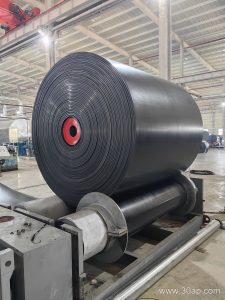
What a Cold Resistant Conveyor Belt Is
A cold resistant conveyor belt is a rubber conveyor belt engineered to remain flexible and reliable when ambient temperatures drop well below freezing. Also called a low temperature conveyor belt or arctic-grade belt, it is not simply a standard belt with a different label. The rubber compound, fabric or steel cord carcass, and cover layers are all selected to resist hardening, cracking, and premature failure in cold climates. While a general-purpose conveyor belt may stiffen and lose troughability at subzero temperatures, a cold resistant conveyor belt is designed to keep moving without brittle fractures along the edges or splice areas.
It is important to distinguish this product from other subtypes. A heat resistant belt addresses the opposite thermal extreme, and an oil resistant or flame retardant belt solves different chemical or safety problems. A cold resistant conveyor belt can be supplied with additional properties, but the defining feature is reliable performance at low temperature.
Construction and Materials
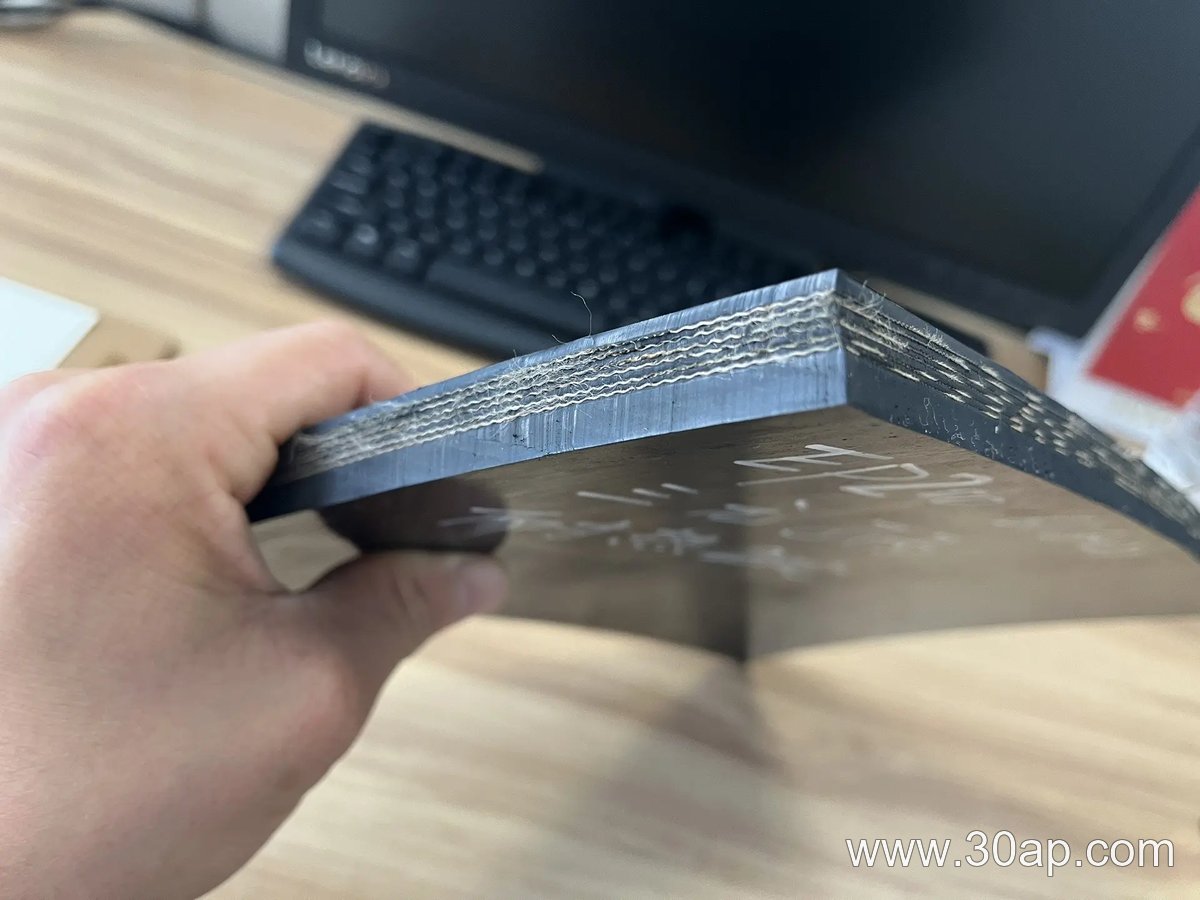
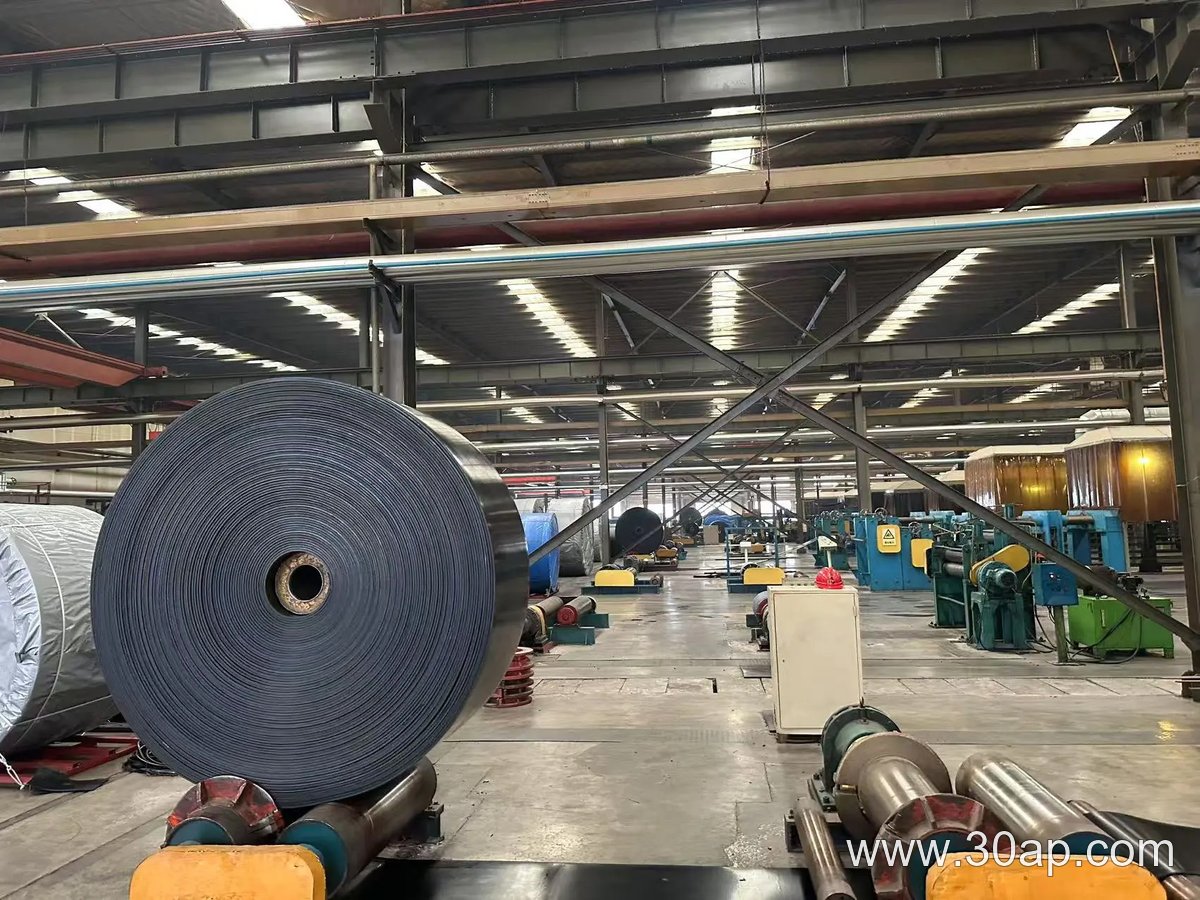
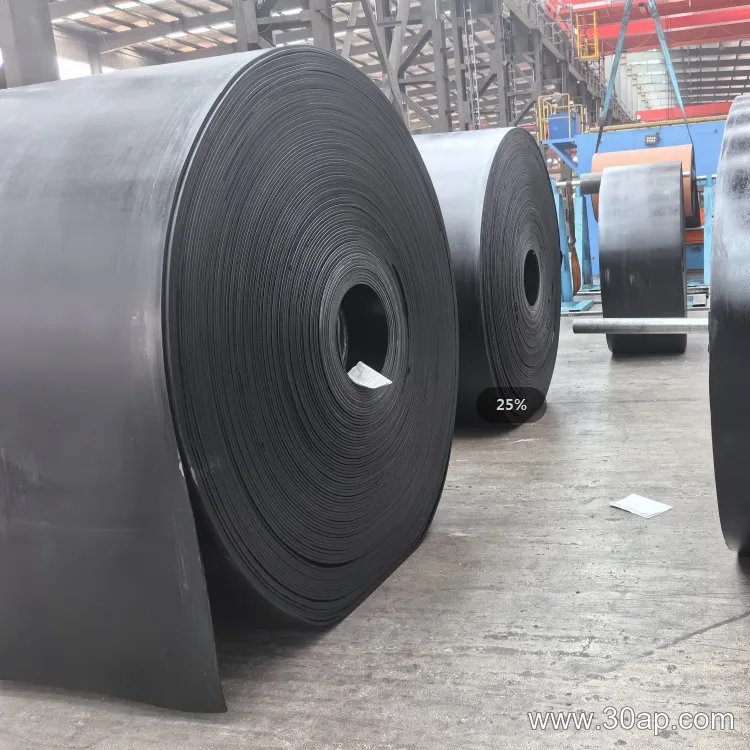
The belt body usually combines a tension-bearing carcass with rubber covers on both faces. Common carcass options include EP fabric, NN nylon, and steel cord, each offering different strength and elongation behavior. For cold environments, the rubber compound uses polymers and plasticizers that stay elastic at low temperatures. Cover thickness is often specified as a top and bottom gauge, for example 4+2 mm, 5+2 mm, or 6+2 mm, with fabric plies typically ranging from 2 to 6 layers depending on the required tensile strength.
Typical Specifications
Cold resistant belts are available in a range of strengths and widths. The values below are common reference points, not a universal supply promise. Actual dimensions and constructions are confirmed by the manufacturer according to the conveyor design.
| Property | Common range or example |
|---|---|
| Belt type | EP, NN nylon, steel cord |
| Tensile strength | EP200, EP315, EP400, EP500, EP630, EP800, EP1000 |
| Belt width | B500, B650, B800, B1000, B1200, B1400, B1600 |
| Cover thickness | 3+1.5 mm, 4+2 mm, 5+2 mm, 6+2 mm |
| Carcass plies | 2 to 6 layers |
Surface forms such as smooth, patterned, chevron, or corrugated sidewall can be applied when the application requires extra grip or material containment. The right combination depends on the material being carried, the incline angle, and the pulley diameters in the system.
Where It Is Used
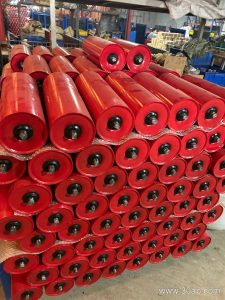
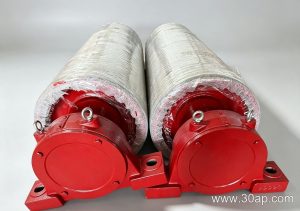
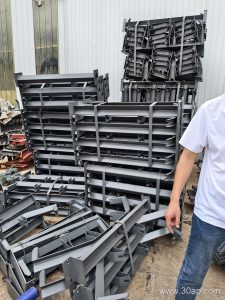
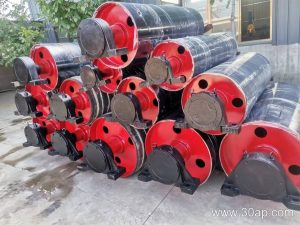
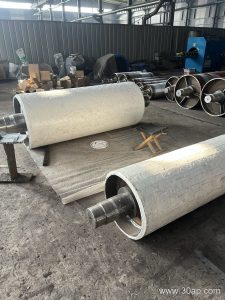
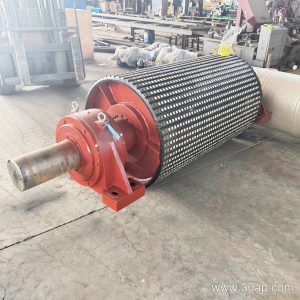
This belt type appears in open-pit mines, cold storage warehouses, port terminals, and bulk handling facilities in northern or high-altitude regions. It conveys coal, ore, aggregate, fertilizer, and packaged goods where winter temperatures regularly fall below zero. In these installations, the belt works alongside conveyor pulleys, idler rollers, and conveyor brackets that must also tolerate the cold. A drive pulley, tail pulley, and bend pulley each have a specific mechanical role, and none of them can be swapped for another without redesigning the system. The belt must match the pulley diameters and the troughing arrangement to avoid excessive bending stress at low temperature.
Selection and Buyer Checklist
- Confirm the lowest expected operating temperature, not just the average winter temperature.
- Match tensile strength and ply count to the peak load and the conveyor length.
- Check that the cover compound is suitable for the material being carried and any oil or chemical exposure.
- Verify the belt width against the existing idler roller and pulley face width.
- Ask how the splice will be made, because cold conditions affect vulcanization and mechanical fastening.
- Review the recommended minimum pulley diameter for the selected belt construction.
Installation and Maintenance Notes
Cold resistant belts should be stored and installed at temperatures within the manufacturer’s recommended range whenever possible. If a belt must be spliced in the field during winter, preheating the belt ends and using cold-weather-rated splicing materials improves reliability. During operation, inspect the belt regularly for edge cracking, cover hardening, and splice separation. Keep the conveyor pulley and idler roller surfaces free of ice and frozen material buildup, because uneven buildup can cause tracking problems and edge damage. A conveyor bracket that has shifted or corroded can also misalign the belt, so the entire supporting structure deserves attention, not just the belt itself.
Choosing a cold resistant conveyor belt is ultimately about matching the rubber compound, carcass, and dimensions to the real operating conditions. Buyers who share the minimum temperature, material characteristics, and conveyor layout with the supplier receive a more accurate recommendation than those who order by belt width alone.