Why the Conveyor Bracket Demands More Than a Second Glance
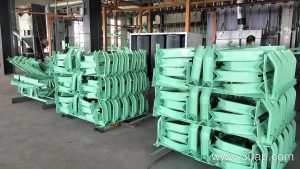
The conveyor bracket is the unsung structural interface between your belt system and its supporting frame. While idlers and rollers grab attention, a misaligned or weak bracket translates directly into belt drift, vibration, and premature component wear. For any export-grade conveyor line, the bracket’s material grade, weld quality, and bolt pattern determine uptime.
Selecting the Right Conveyor Bracket
Start by verifying load rating against your peak tonnage, not average. Check for hot-dipped galvanized or stainless finish if humidity or washdowns are routine. Confirm slot widths match your existing idler shafts—metric versus imperial mismatches are a common sourcing error.
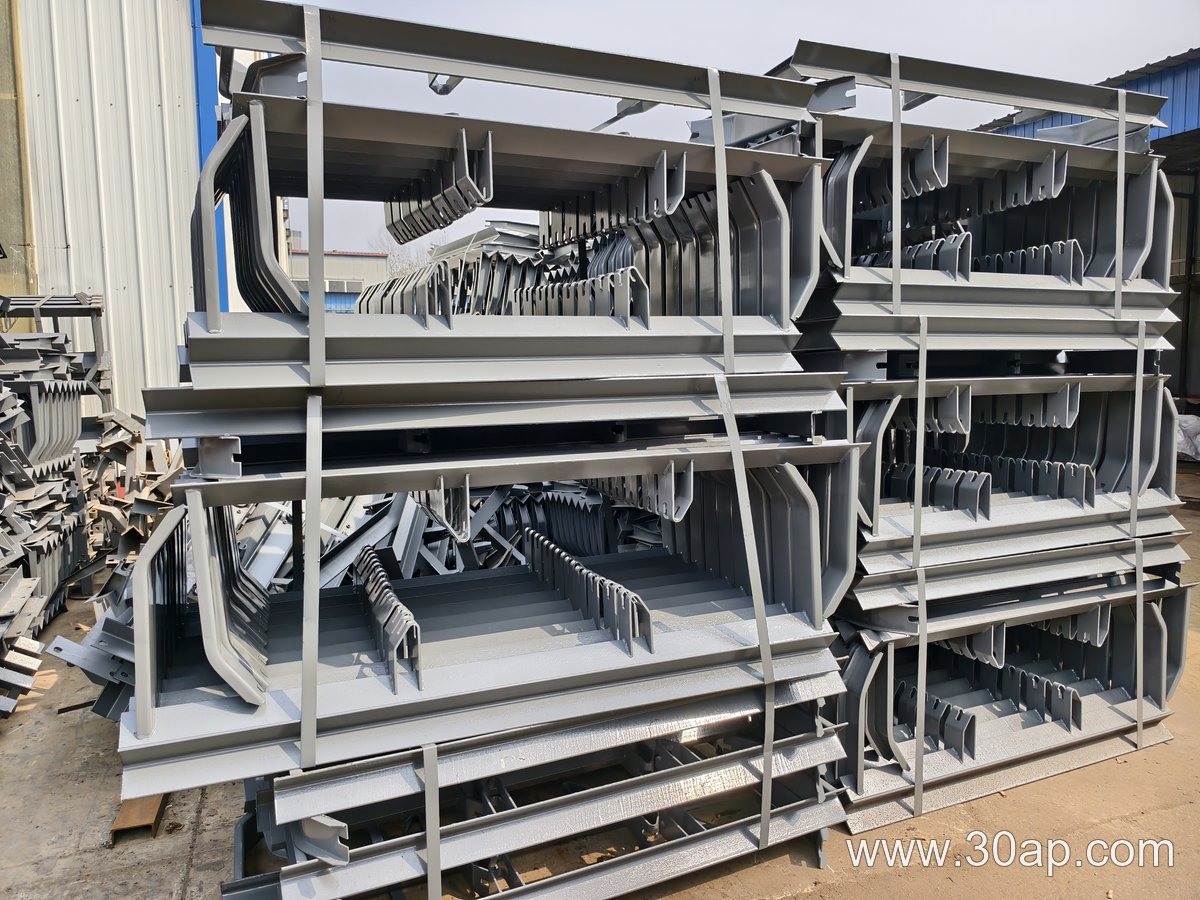
- Measure center-to-center mounting holes before ordering replacements.
- Choose adjustable brackets for belt tracking flexibility in long runs.
- Request load-test certificates for heavy-duty or inclined conveyors.
Purchasing Advice for Industrial Buyers
Always order 5% spare brackets per project, as weld fatigue often appears at connection points first. Compare bracket thickness (typically 4–8 mm) against frame rigidity—stiffer frames allow lighter brackets. For corrosive or abrasive environments, opt for powder-coated carbon steel over plain steel, and ensure rubber-lined or polyurethane wear pads are optional add-ons.
Finally, inspect the bracket’s base plate for pre-drilled drainage holes, preventing water pooling and rust. A robust conveyor bracket is cheap insurance against costly line stoppages—buy from manufacturers who publish dimensional drawings and tolerance specs.
Why the Conveyor Belt Is Your System’s Backbone
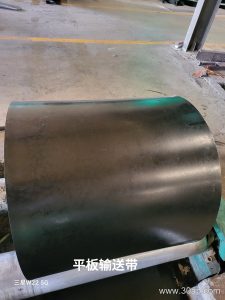
The conveyor belt is not a component—it is the operational spine of any bulk handling or assembly line. Selecting the wrong belt leads to downtime, product damage, and inflated energy costs. This guide focuses on the conveyor belt itself, from material to splice method, so you can specify with confidence.
Core Material Choices
- Rubber: Best for heavy impact and abrasive loads. Choose for mining or aggregate.
- PVC or PU: Ideal for food, packaging, and light assembly. Easy to clean and resistant to oils.
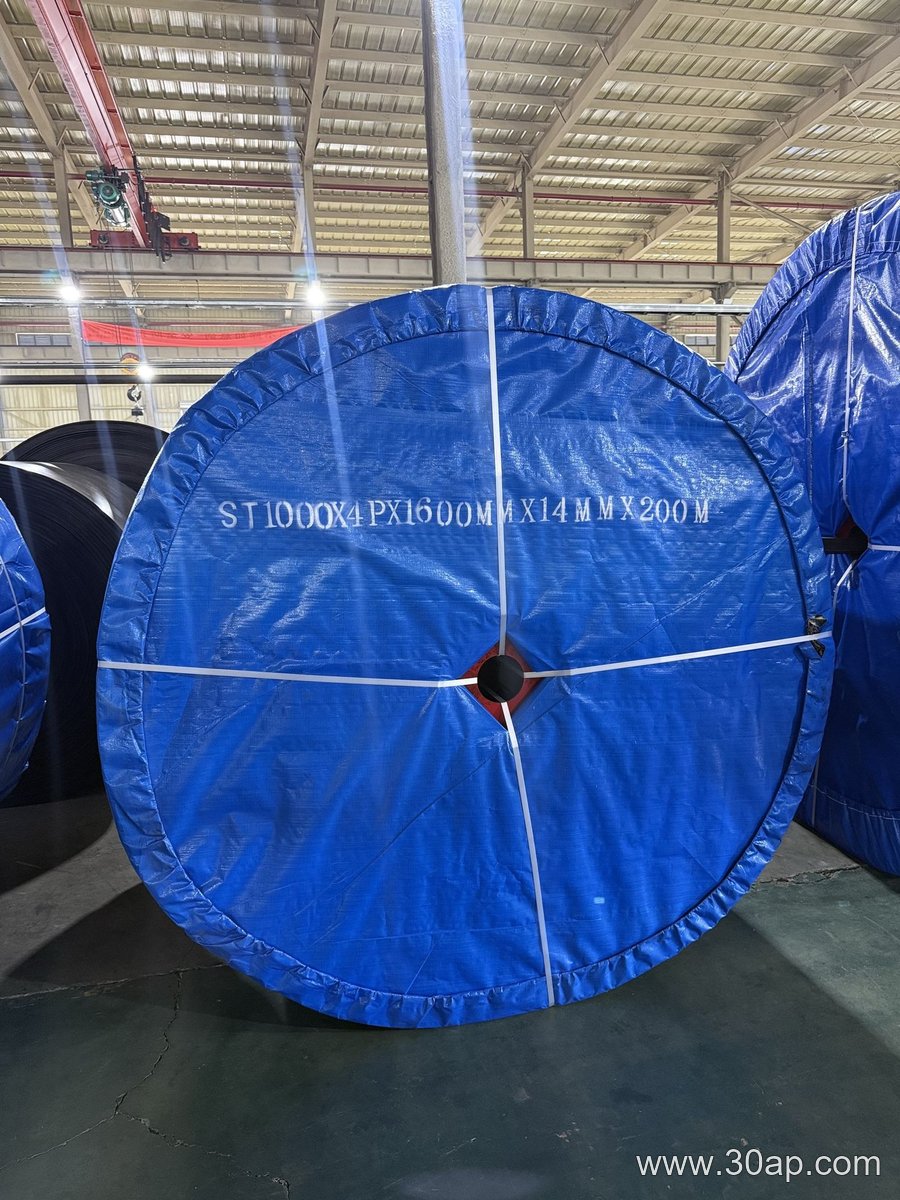
- Steel cord: For long-distance, high-tension applications where stretch must be minimal.
Key Purchasing Criteria
Measure your conveyor belt’s working tension (kN/m) and pulley diameter before comparing offers. Always verify the belt’s carcass weave—multi-ply polyester/nylon offers balanced strength, while solid woven is safer for rip resistance.
Splice and Maintenance Advice
Request hot vulcanized splicing for rubber belts; cold splicing is acceptable only for temporary repairs. For PVC, use finger splices to avoid fastener fatigue. Plan for a 10% spare belt length on first orders to simplify future tensioning.
Finally, test the conveyor belt under real load speed, not just static tension. A reputable supplier will provide a flex test report. If your route includes horizontal curves, require a low-elongation belt (<1.5% at rated load) to prevent mistracking.
Idler Roller Essentials for Bulk Handling Systems
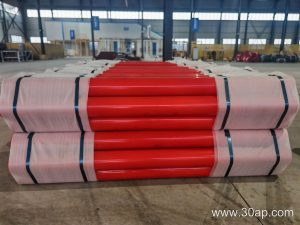
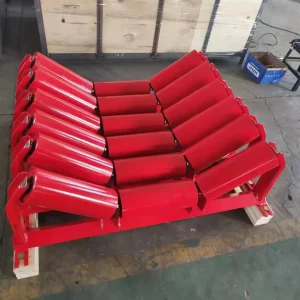
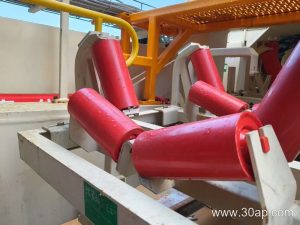
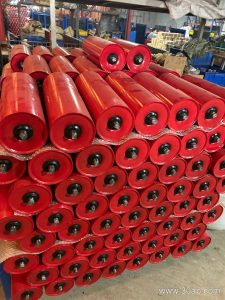
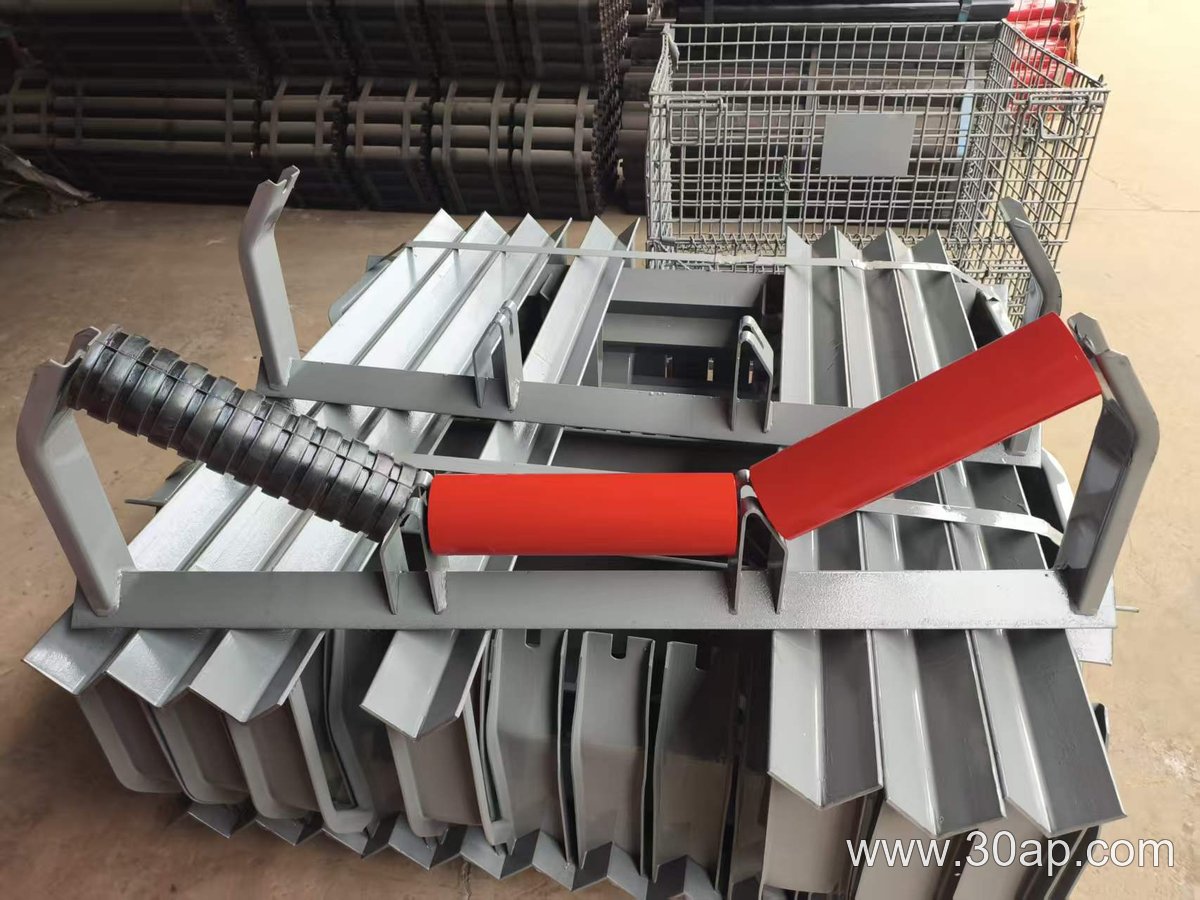
An idler roller is the unsung workhorse of any belt conveyor, supporting the belt and material while minimizing friction. Selecting the wrong type leads to premature belt wear, increased energy consumption, and costly downtime.
Key Selection Criteria
- Load rating: Match the roller diameter and bearing capacity to your peak material weight per meter.
- Environment: Use sealed, corrosion-resistant idlers for dusty or wet conditions; consider impact idlers at loading zones.
- Belt speed: High-speed systems require precision-balanced rollers with low runout to avoid vibration.
- Maintenance access: Choose quick-change or drop-in designs to reduce service time.
Purchasing Advice
Always verify shell thickness and bearing type—C3 or C4 clearance suits thermal expansion. Request a true running tolerance (less than 0.5 mm) and check that the idler roller’s trough angle matches your existing frames. For critical applications, ask for a dynamic balancing report. Compare total cost of ownership, not just unit price, as a durable roller often outperforms cheaper alternatives over its service life.
Understanding the Core Role of the Conveyor Pulley
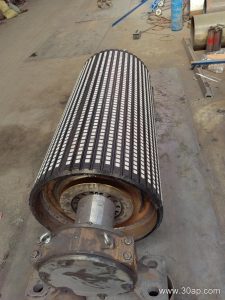
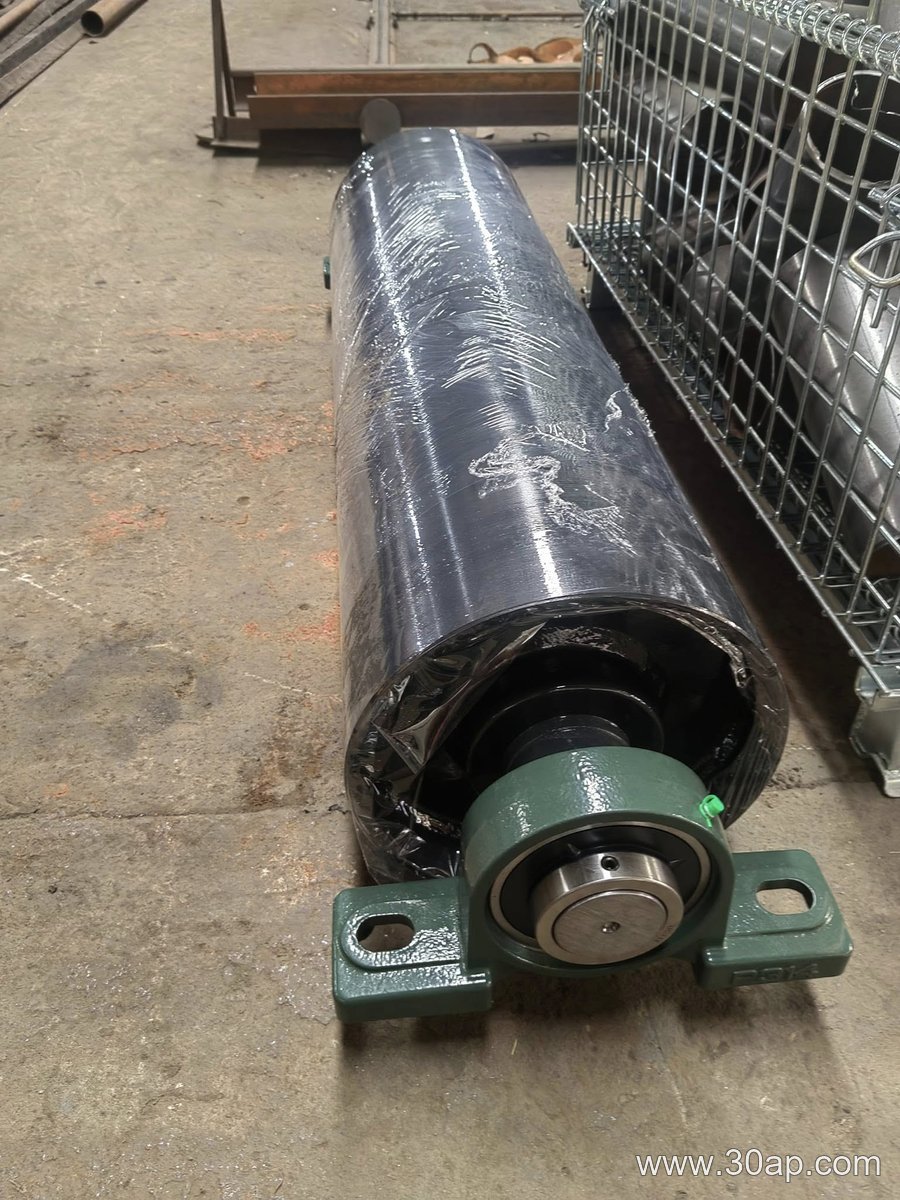
The conveyor pulley is the mechanical heart of any belt conveyor system, responsible for driving, redirecting, and tensioning the belt. Choosing the wrong pulley leads to belt slippage, misalignment, and premature component failure.
Key Types and Their Applications
- Drive pulleys: Located at the head, they transmit torque from the motor to the belt. Use lagged surfaces for high-friction, high-torque applications.
- Return pulleys: Support the belt on the underside; choose wing-type pulleys for sticky or abrasive materials to allow self-cleaning.
- Snub and take-up pulleys: Increase belt wrap angle or maintain tension. Critical for long or steep conveyors.
Selection and Purchasing Advice
Specify pulleys based on belt width, shaft diameter, and resultant load (calculated from belt tension and wrap). Verify the manufacturer’s crown profile—a minimum of 0.5% of face width on the shell prevents belt tracking drift. For corrosive or wet environments, request sealed bearings and stainless steel hubs. Always request the pulley’s static and dynamic balancing certificate, especially for speeds above 300 m/min.
When purchasing, compare not just unit price but total cost of ownership: lagging thickness (ceramic vs. rubber), weld quality, and ease of bearing replacement. Ask for finite element analysis (FEA) reports for shafts under peak loading to avoid fatigue cracks. Finally, ensure the pulley face width matches the belt width plus 100–150 mm for proper belt support without edge damage.