What Is a Fabric Core Conveyor Belt
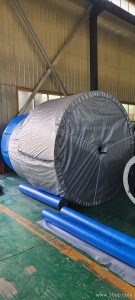
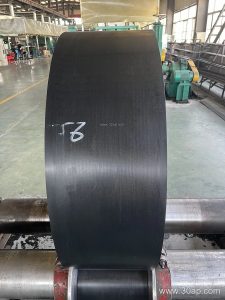
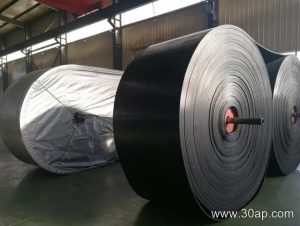
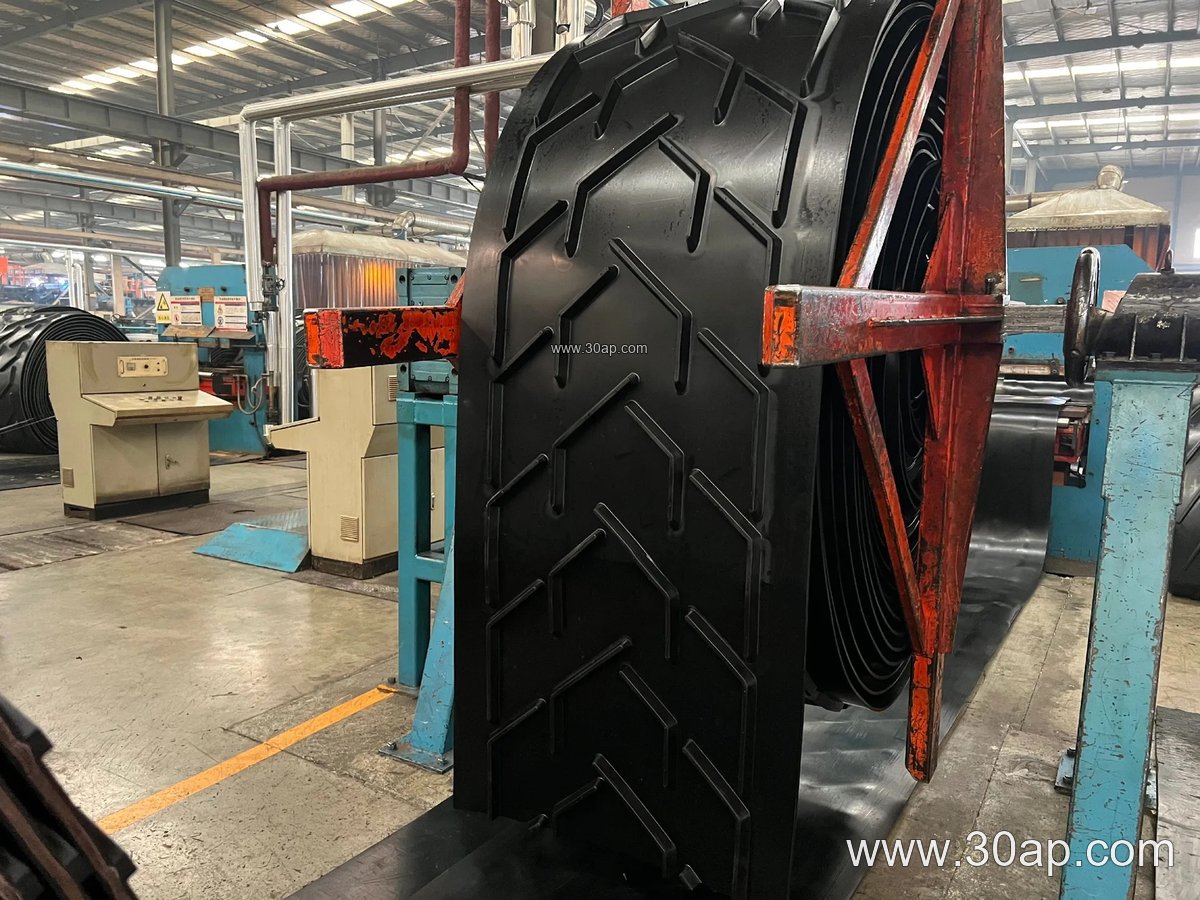
A fabric core conveyor belt is a type of conveyor belt that uses woven fabric as the tension-bearing skeleton, covered with rubber or other protective materials. The fabric core provides strength, flexibility, and resistance to impact, making it a versatile choice for many bulk material handling applications. Common fabric core types include EP conveyor belt (polyester-cotton) and NN conveyor belt (nylon-nylon). These belts are widely used in mining, coal, cement, power plants, and sand and gravel plants for transporting materials such as ore, coal, clinker, limestone, and aggregates.
Construction and Materials
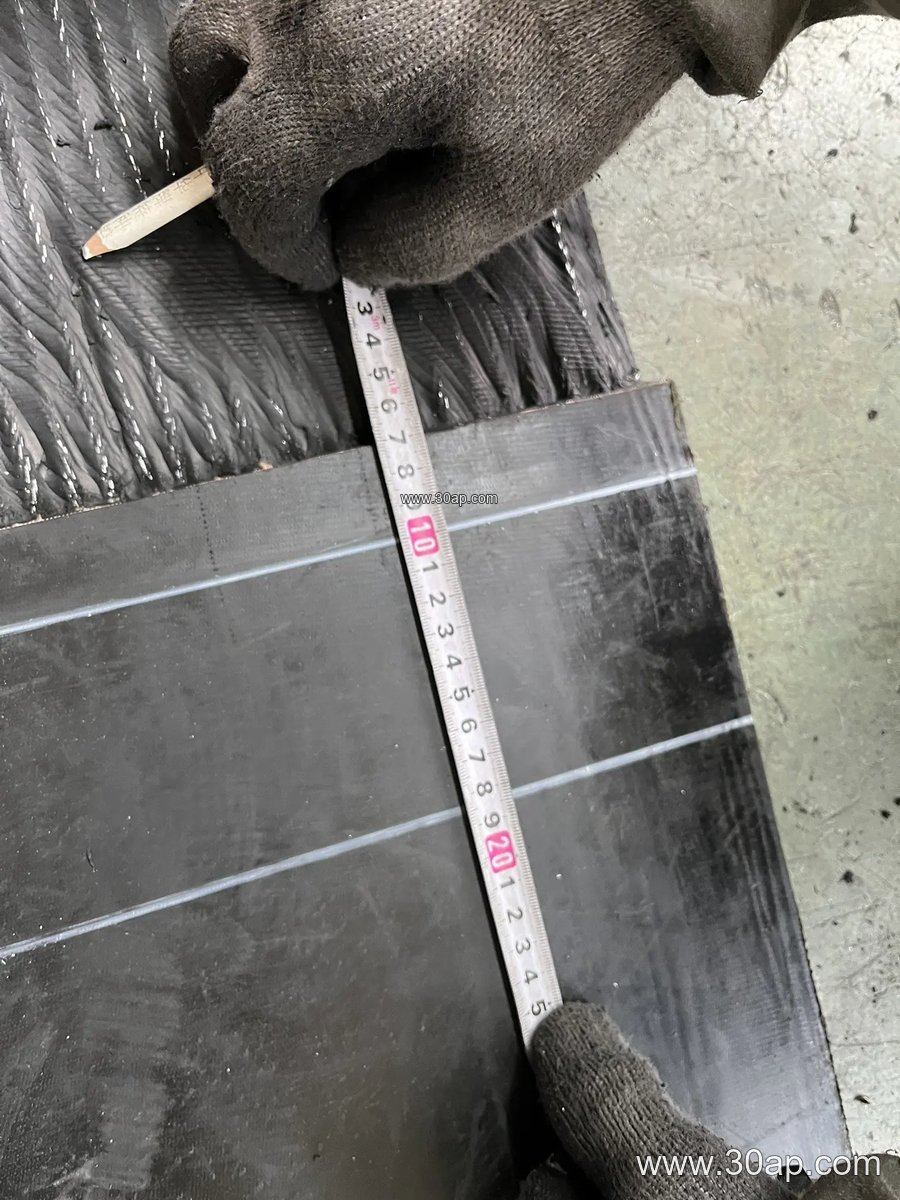
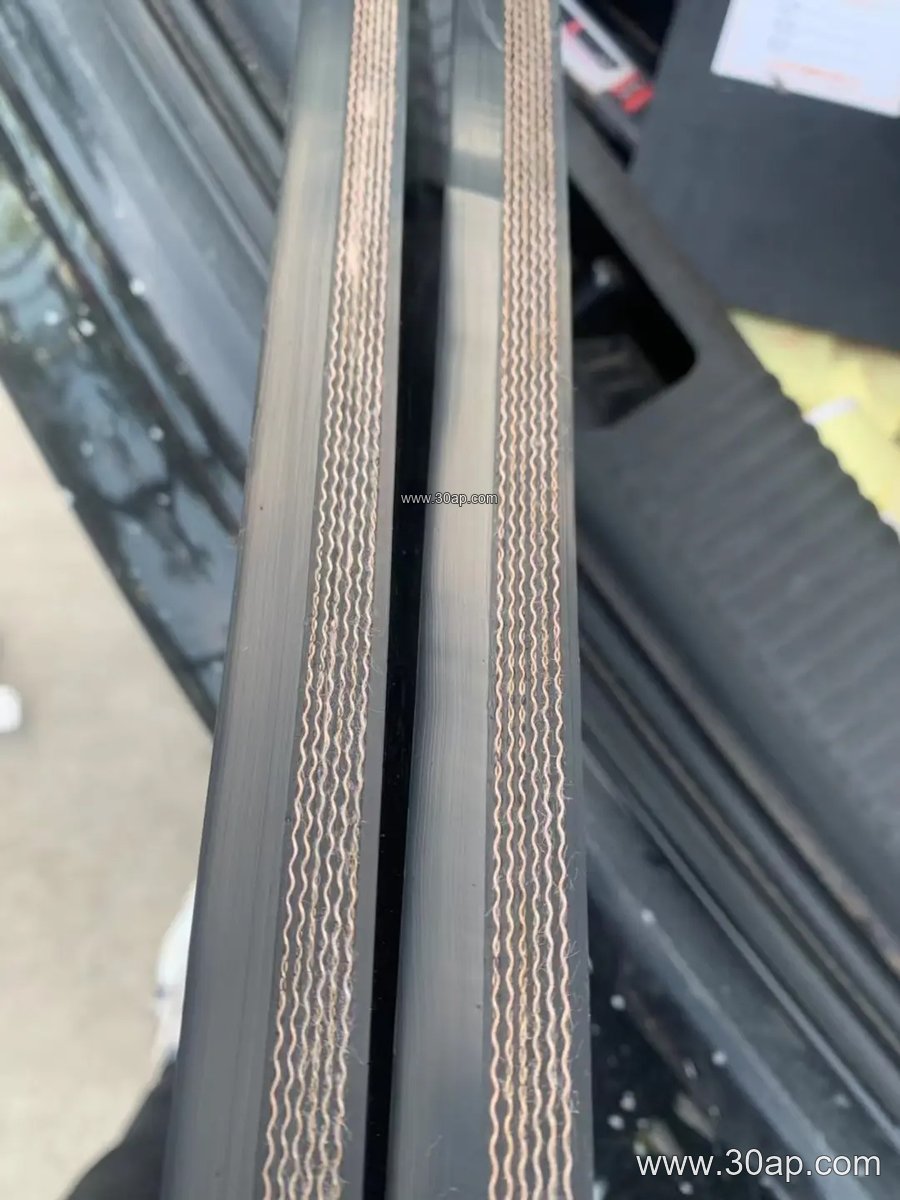
The fabric core conveyor belt typically consists of multiple plies of fabric, usually 2 to 6 layers, bonded with rubber. The cover rubber compounds are selected based on the application: abrasion resistant, heat resistant, oil resistant, flame retardant, anti-static, cold resistant, or acid and alkali resistant. The belt edges can be cut or molded. The fabric core can be EP (polyester warp, polyamide weft) or NN (nylon warp, nylon weft). The belt’s strength is often designated by the fabric type and number of plies, such as EP200 or NN300. For example, EP conveyor belts are available in grades like EP200, EP315, EP400, EP500, EP630, EP800, EP1000, EP1250, EP1600, and EP2000. These values indicate the nominal tensile strength per ply in N/mm. The number of plies and cover thickness are selected according to the load and environmental conditions.
Common Specifications
Fabric core conveyor belts come in various widths and cover thicknesses. The table below lists some typical reference values; actual dimensions should be confirmed with the manufacturer.
| Property | Common Range |
|---|---|
| Belt width | B500, B650, B800, B1000, B1200, B1400, B1600, B1800, B2000 |
| Cover thickness (top + bottom) | 3+1.5 mm, 4+2 mm, 5+2 mm, 6+2 mm, 8+3 mm |
| Number of plies | 2 to 6 |
| Strength grades (EP) | EP200, EP315, EP400, EP500, EP630, EP800, EP1000, EP1250, EP1600, EP2000 |
| Strength grades (NN) | NN100, NN200, NN300, NN400 |
These are reference data, not universal specifications. The actual belt design depends on the conveyor system, material characteristics, and operating conditions.
Where It Is Used
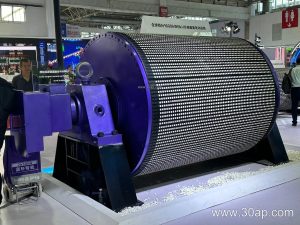
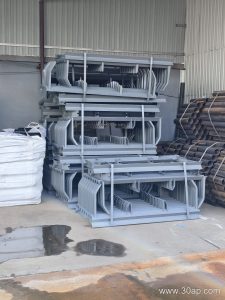
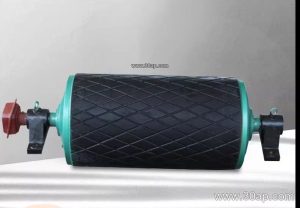
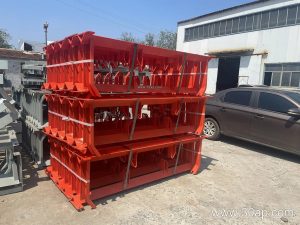
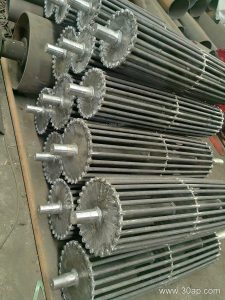
Fabric core conveyor belts are found in a wide range of industries. In mining, they transport ore, waste rock, and coal. In coal mining, flame retardant and anti-static belts are often required for underground applications. Cement plants use them for limestone, clinker, and cement. Power plants handle coal and ash. Sand and gravel plants, quarries, and aggregate operations rely on them for moving crushed stone and sand. Other applications include steel plants, ports, recycling facilities, and construction sites. The belt works in conjunction with conveyor pulleys (drive, tail, and bend pulleys), idler rollers, and conveyor brackets to form a complete conveyor system.
Selection and Maintenance Tips
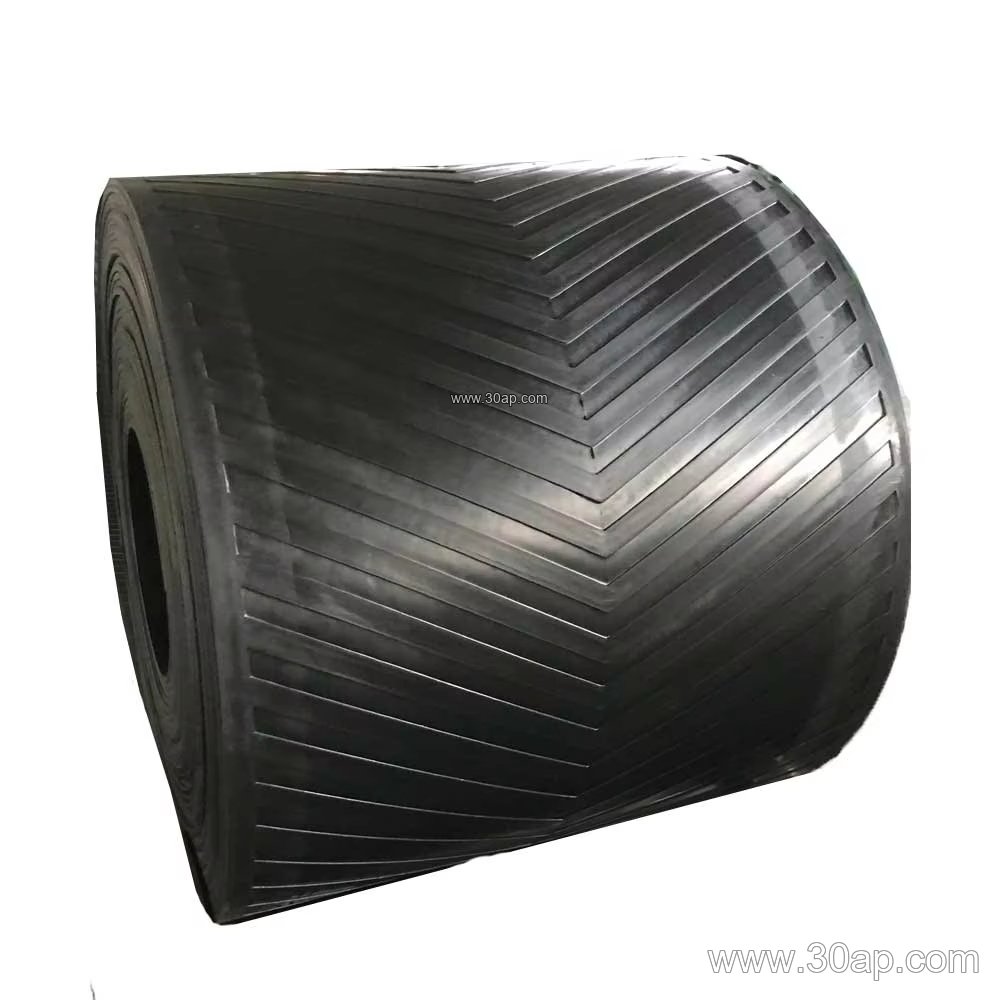
Choosing the right fabric core conveyor belt involves matching the belt strength to the maximum tension, selecting the cover compound for the material and environment, and considering the pulley diameters and troughing angle. For example, a multi-ply fabric core conveyor belt may be preferred for heavy loads, while a single-ply or two-ply belt might suit lighter duties. Ensure the belt width is compatible with the pulley face width and that the belt is properly tensioned. Regular inspection of the belt surface, edges, and splices helps prevent unexpected failures. Keep idler rollers and pulleys aligned and turning freely to avoid belt damage. When replacing a belt, consider upgrading to a higher abrasion resistant or heat resistant grade if the current belt wears too quickly.
For more information on fabric core conveyor belts and related components such as conveyor pulleys, idler rollers, and brackets, please visit our website.