Understanding the Conveyor Bend Pulley
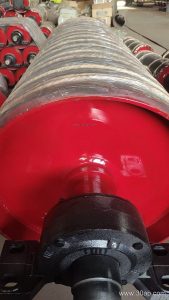
In a belt conveyor system, the conveyor bend pulley plays a quiet but critical role. Often referred to as a redirect pulley or angle pulley, this component changes the direction of the conveyor belt without driving it. Unlike the drive pulley that transmits power or the tail pulley that tensions the belt, the bend pulley simply guides the belt along a new path, making it indispensable in complex conveyor layouts. Its proper selection ensures smooth operation and extends the life of the entire system.
Construction and Key Features
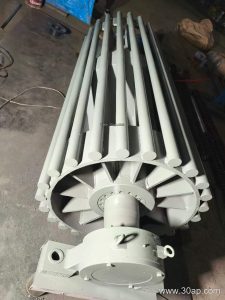
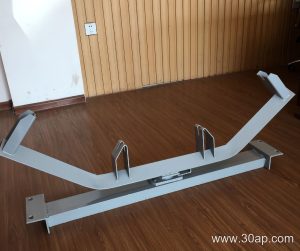
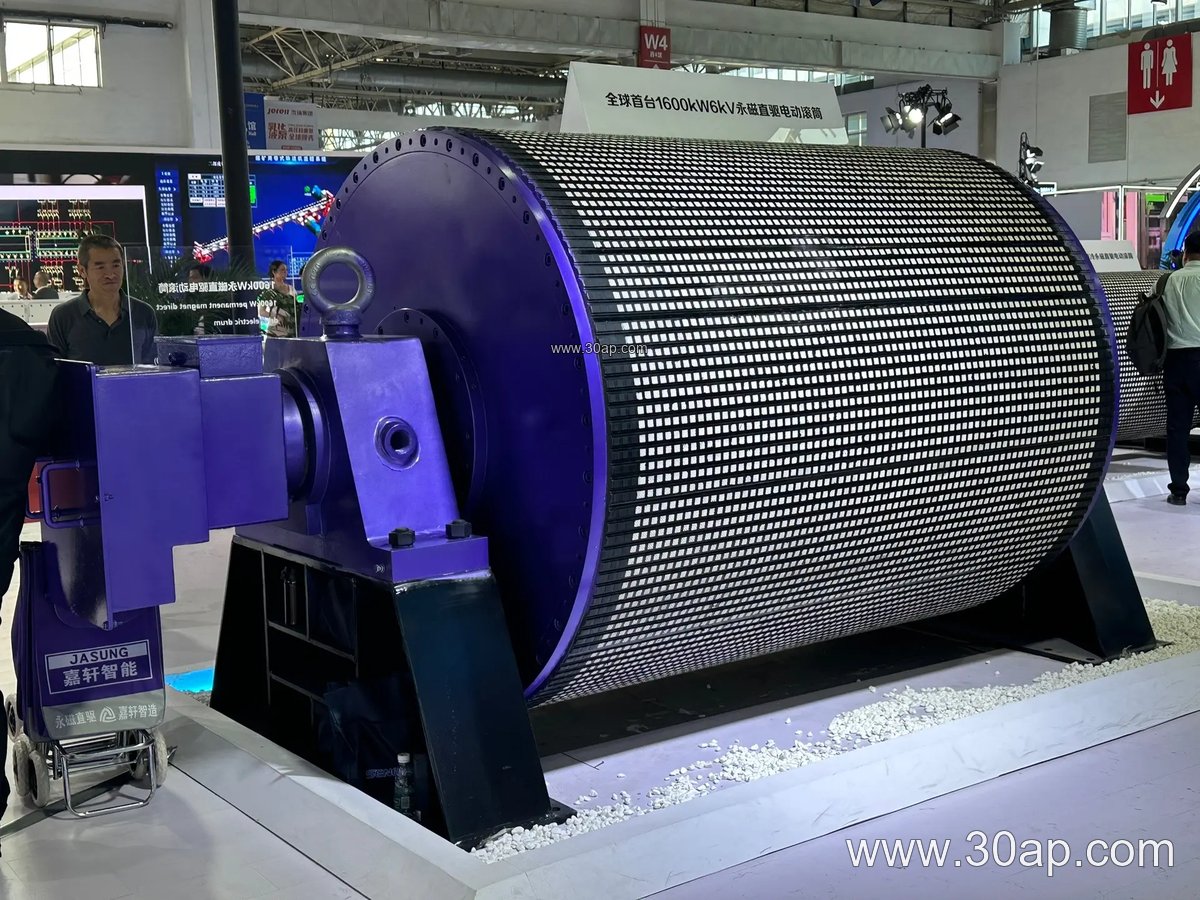
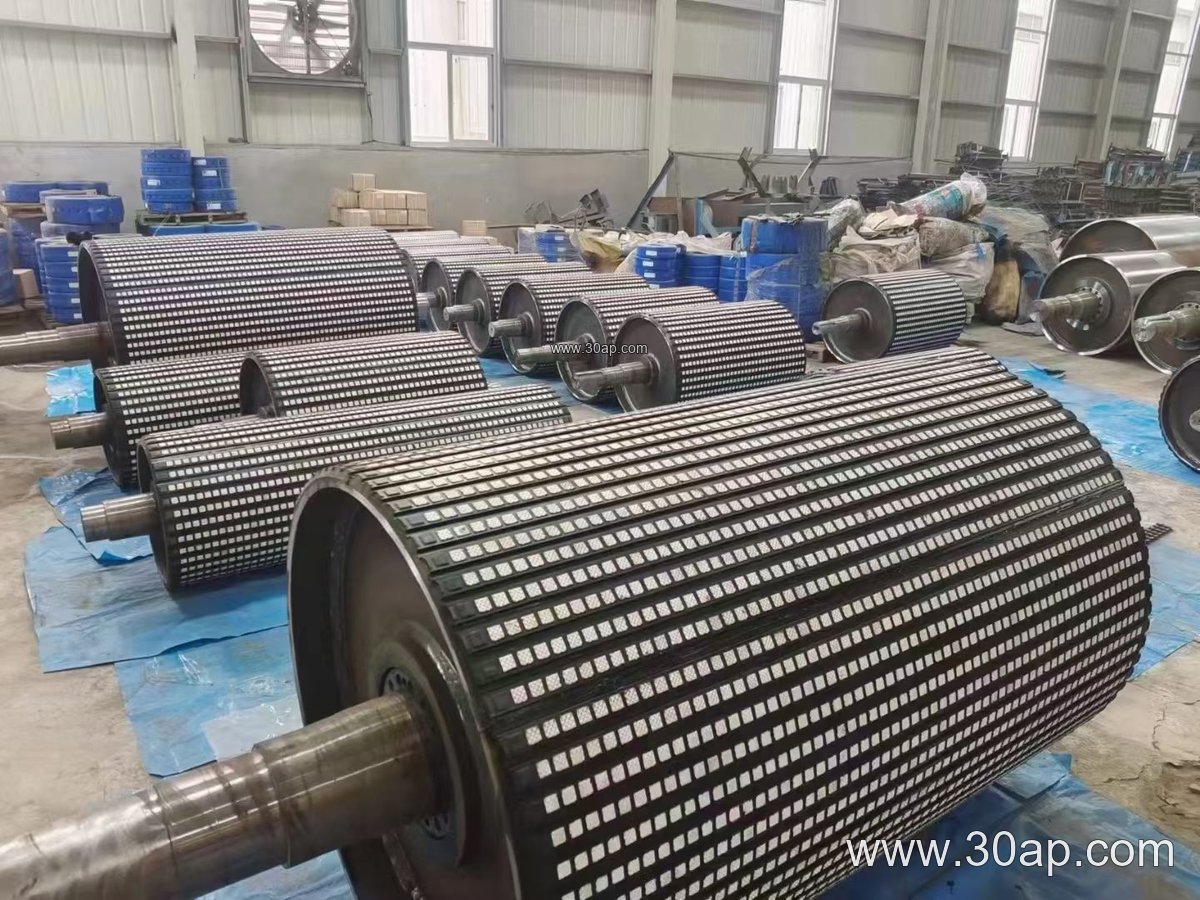
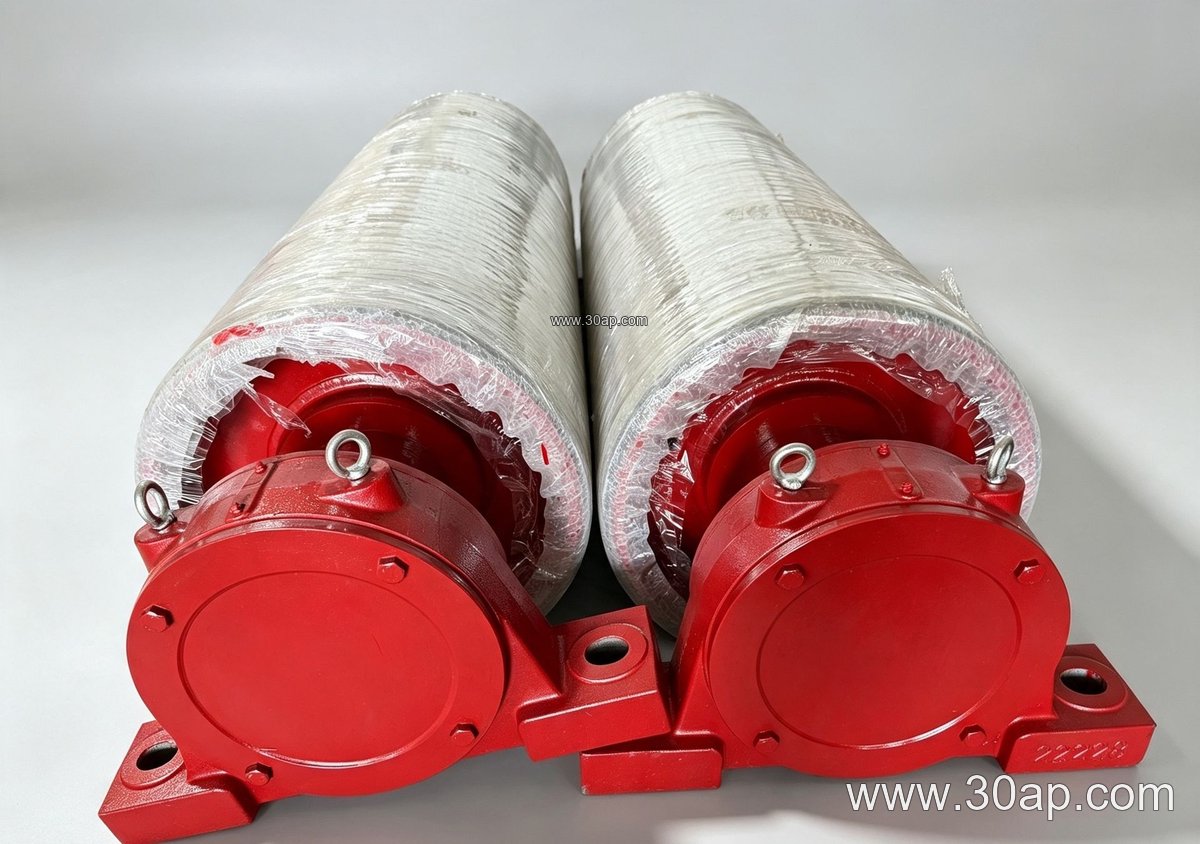
A typical bend pulley consists of a cylindrical shell, shaft, bearings, and a locking assembly. The shell is usually made from seamless steel tube or rolled plate, machined for balance. Surface options vary: plain finish, rubber lagging, or ceramic lagging. Rubber lagging (cold-bonded or hot-vulcanized) improves friction and protects the belt, while ceramic lagging offers superior wear resistance in harsh conditions. The pulley is mounted on conveyor brackets that secure it to the conveyor frame. Shaft diameters range from Ø50 to Ø200 mm, determined by torque and load requirements—not simply by belt width. Common shell diameters include Ø200, Ø315, Ø400, Ø500, Ø630, Ø800, and up to Ø1250 mm for heavy-duty applications. Pulley face width is typically slightly wider than the belt, for example, a B800 belt might use a 950 mm wide pulley face, but this is a design choice, not a fixed rule.
Where It Fits in the Conveyor Line
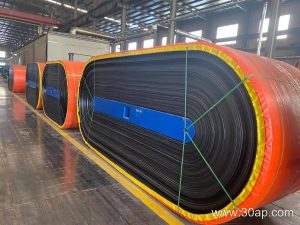
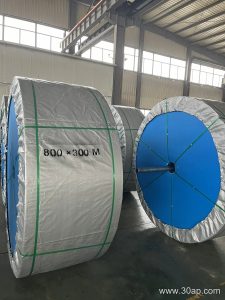
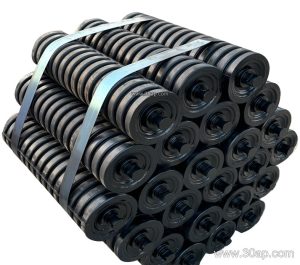
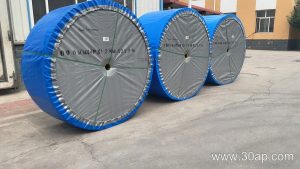
The bend pulley is frequently installed at the head or tail end to route the belt back, or in the middle of the conveyor to create an S-shape or an angle. In a coal mining conveyor system, it helps navigate around obstacles. In a cement plant, it redirects the belt after the discharge point. The pulley works closely with the conveyor belt—whether an EP conveyor belt, steel cord conveyor belt, or a flame retardant conveyor belt—and with idler rollers that support the belt along its path. Proper alignment between the bend pulley and the belt prevents edge damage and reduces wear.
Applications Across Industries
You will find bend pulleys in a variety of bulk handling operations. In a quarry or aggregate line, they guide belts carrying crushed stone. In a power plant, they help transport coal from stockpile to boiler. In a port, they route belts on ship loaders. They are also used in fertilizer plants and grain silos. In each case, the pulley must match the belt type and environmental conditions. For example, a heat resistant conveyor belt in a cement kiln area may require a pulley with heat-resistant lagging. An abrasion resistant conveyor belt in a copper ore operation benefits from ceramic lagging to withstand abrasive dust.
Selection and Maintenance Tips
When choosing a bend pulley, consider the belt width, belt tension, and the arc of contact. The pulley diameter should be large enough to avoid excessive bending stress on the belt, especially for steel cord belts. A common guideline is that the pulley diameter should be at least 30 times the cord diameter for steel cord belts, but always consult the belt manufacturer. The shaft diameter is calculated from the torque and radial load, not from belt width alone. For maintenance, check bearing lubrication regularly and inspect lagging for wear. Misalignment is a common issue—use a laser alignment tool to keep the pulley square to the belt. Also, ensure that the conveyor pulley surface is clean; material buildup can cause belt tracking problems.
Buyer’s Checklist
- Confirm belt width (e.g., B500, B800, B1200) and required pulley face width.
- Specify the pulley diameter based on belt construction and tension.
- Choose lagging type: plain, rubber, or ceramic, according to material abrasiveness.
- Provide shaft diameter and bearing type for the load conditions.
- Check compatibility with conveyor brackets and frame dimensions.
- For underground coal mining, select flame retardant and anti-static components.
For more information on conveyor pulleys and related components, visit our product pages. A well-chosen bend pulley keeps your conveyor running smoothly, from the primary crusher to the stockyard.